

American Football Pants price list
Last updated Friday, 9 Oct 2026




View 5 Offers
Loading...
Last updated Friday, 9 Oct 2026
If you play football, you know the helmet grabs the headlines, but pants are where real protection and mobility meet. The right pair of American football pants keeps your hips, thighs, and tailbone safe while letting you move like a running back on a mission. Whether you're shopping for youth, high school, college, or adult league use, pants affect comfort, safety, and performance — so picking wisely pays off.
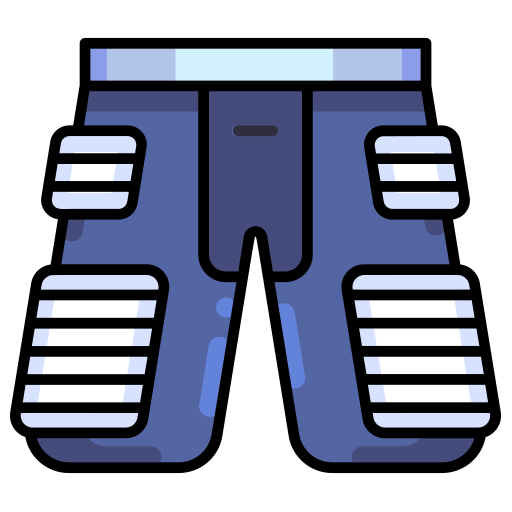
Think of football pants as a protective shell that balances padding, compression, and flexibility. They usually incorporate pockets for hip, thigh, and tailbone pads, or they come as integrated padded models. Padding thickness often ranges from about 0.25 to 0.75 inches in key areas, giving a trade-off between mobility and shock absorption. The goal is blunt-force protection without turning you into a clumsy linebacker.
Hip pads cushion side impacts and reduce bruise risk; thigh pads protect against collisions and cuts; tailbone pads lower the chance of serious spine bruising from falls. Some pants add knee padding or pockets for knee inserts too. If you play in a position that gets hit a lot — like linebacker or fullback — thicker thigh and hip pads are a must.
Integrated padded pants come with sewn-in protection and are convenient for quick changes, while separate compression girdles let you mix-and-match pad sizes and brands. Integrated models are great for youth players and teams wanting uniformity; girdles are preferred by players needing custom pad placement or specialized padding thickness. Both styles can deliver professional-level safety when chosen correctly.
Fit is everything. A pant that's too loose can shift and expose pads during play; too tight and it restricts blood flow and movement. Measure your waist where you wear your game pants — usually at or just above the hip bone — and use inches for sizing. For length, check how the pant sits relative to your knee; many prefer pants that end an inch or two above the knee to allow for optimal knee pad placement and mobility.
Use a soft tape to measure your waist in inches while standing relaxed. For hip measurement, wrap the tape around the widest part of your hips and buttocks. If you plan on wearing a girdle under the pants, measure with the girdle on to ensure true fit. Check product size charts carefully because brands vary — a 32-inch waist in one brand may fit like a 30 in another.
When trying pants, crouch, sprint a few steps, and simulate a tackle stance. Ensure padding stays in place and seams don’t rub. Test the closure system — velcro tabs, zip, and belt loops must hold during movement. If you feel pinching at the thigh or tightness around the groin, size up or try a different cut.
Most modern football pants combine polyester blends with stretch panels to balance durability and range of motion. Look for ripstop or reinforced panels in high-stress areas like the crotch and inner thigh. Breathable mesh zones help evaporate sweat and reduce chafing, keeping you fresher through a long practice or game.
Always remove removable pads before washing; machine-wash pants on a gentle cycle and air dry to avoid shrinking. Pads should be hand-washed and dried flat. Replacing pads every season or when foam compression exceeds about 0.25 inches in visible loss will keep protection levels reliable. Proper care lengthens gear life and maintains safety.
There are game pants, practice pants, and specialty pants for positions like linemen who need extra padding. Game pants are usually slimmer and lighter with more stretch panels, while practice pants focus on durability to survive repetitive drills. Specialty pants may add extra 0.5 to 0.75 inch padding in the hips and thighs to absorb heavier impacts.
Low-cut pants sit below the hip bones and offer a lower center of gravity for speed players; mid-rise is the most common choice for balanced protection and comfort; high-rise styles provide more coverage for linemen who absorb direct blows. Choose a rise that suits both comfort and the position you play — linebackers often prefer mid to high-rise for extra core coverage.
Brands like Under Armour, Nike, Schutt, Riddell, and Cutters lead the market with models that focus on fit, pad placement, and price points. Under Armour’s compression-based pants tend to combine integrated padding with excellent stretch, while Nike often uses durable woven fabrics with smart venting. Riddell and Schutt are longtime names in protective equipment and often collaborate with teams for custom fits.
On a budget? Look for reliable, simpler designs with removable pads and reinforced seams that cost under a moderate price point but still offer the necessary protection. Premium options often include advanced moisture wicking, seamless construction, and thicker integrated pads ranging up to 0.75 inches in key zones. Both can perform well when chosen for your needs and play style.
Pants rarely stand alone — you’ll pair them with girdles, thigh and knee pads, compression shorts, and proper cleats. A compression base layer can improve blood flow and reduce muscle fatigue, while specialized padded girdles offer tailored protection. Cleats affect traction and cornering; choose a cleat pattern that suits your field surface and playing position.
Girdles with integrated pockets allow better pad positioning; knee pads reduce joint pain from knee-to-ground contact; tailbone inserts protect against hard falls. Many players add a lightweight hip pad to protect against awkward hits. These add-ons can be customized by thickness in increments around 0.25 inches, letting you fine-tune protection vs. mobility.
Positions dictate needs: linemen want more thickness and coverage, usually in high-rise cuts; skill players prefer lightweight, low-drag pants with minimal bulk. Linebackers need a balance — enough pad thickness to absorb hits but flexible enough to drop into coverage. Running backs and receivers often choose pants that end about 1 to 2 inches above the knee for agility.
Youth models often come with more forgiving fits and adjustable features to grow with the player, and the padding may be distributed differently to account for different impact dynamics. Adult pants offer a wider range of sizes and specialized cuts. Always follow age-appropriate safety guidelines and league rules when choosing youth gear.
Compare features, prices, and return policies before you buy. Since prices and stock vary across retailers, using a comparison site helps you spot the best offers quickly. Look for seasonal discounts, bundle deals that include pads, and clearance models from previous years — you can save a significant amount without sacrificing safety.
Before you buy, run through this quick checklist: measure waist in inches, test mobility, verify pad thickness and placement, confirm material durability, and ensure compatibility with your girdle or compression layers. If you play multiple positions, favor versatility over extreme specialization unless your team provides specific gear guidelines.
Choosing the right American football pants is about balancing protection, fit, and flexibility. Whether you pick integrated padded pants or a separate girdle system, make sure the pads line up with your hips, thighs, and tailbone, the fit allows full range of motion, and materials survive the season’s wear. With careful measuring in inches, trying on different cuts, and comparing models and prices, you’ll find pants that help you perform at your best while staying protected on the field.