

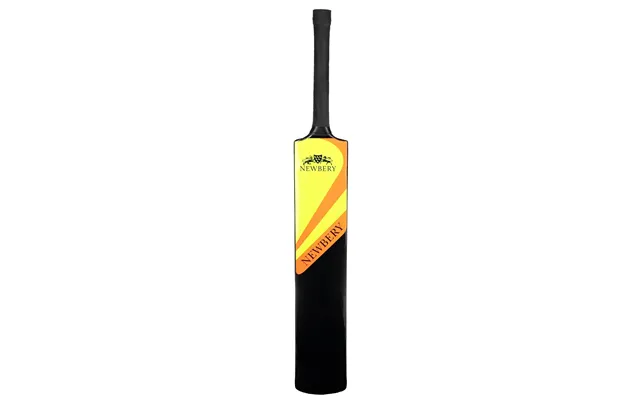
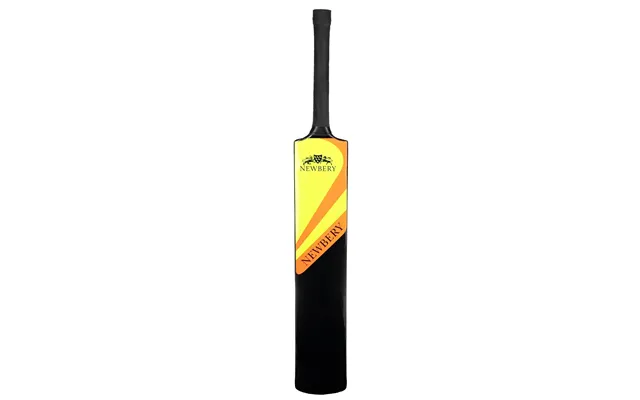
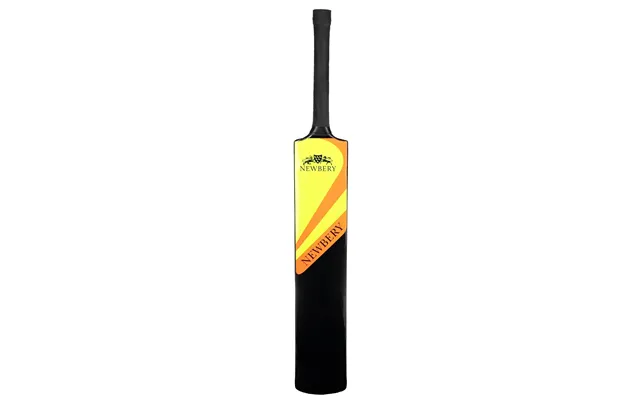
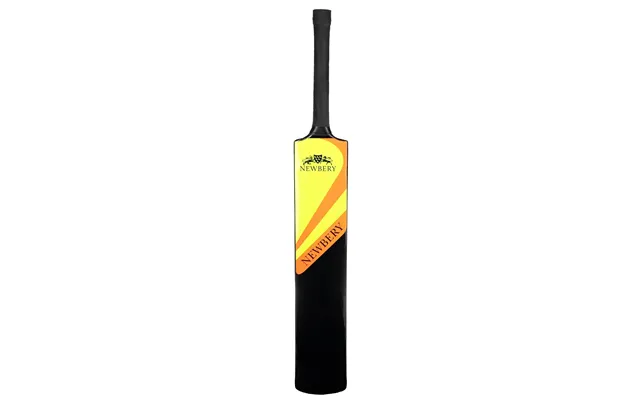
Baseball Bats price list
Last updated Monday, 19 Oct 2026
| Baseball Bats | Price |
|---|---|
| Fibreglass Cricket Bat - Junior | £40.00 |
| Fibreglass Cricket Bat - Junior | £40.00 |
| Fibreglass Cricket Bat - Senior | £80.00 |
| Fibreglass Cricket Bat - Junior | £80.00 |





Loading...
Last updated Monday, 19 Oct 2026
| Baseball Bats | Price |
|---|---|
| Fibreglass Cricket Bat - Junior | £40.00 |
| Fibreglass Cricket Bat - Junior | £40.00 |
| Fibreglass Cricket Bat - Senior | £80.00 |
| Fibreglass Cricket Bat - Junior | £80.00 |
Picking a baseball bat isn’t just about upping your hit count — it’s about comfort, timing, and confidence at the plate. The right bat can turn weak pop-ups into hard line drives, help you control your swing, and reduce the risk of injury. Whether you’re shopping for a youth player, a high school slugger, or a weekend warrior, making an informed choice saves money and improves performance. Think of a bat like a racquet for tennis or a club for golf: the right tool makes the game easier and more fun.
Baseball bats come in several materials, each suited for different leagues and player needs. Understanding the pros and cons of wood, aluminum, composite, and hybrid bats helps you match a bat to your swing style, budget, and league rules. Below you'll find easy-to-digest breakdowns so you can choose with confidence.
Wood bats are classic and often preferred for training, leagues that require wood, and players who want a traditional feel. Ash offers flex and lighter weight with barrel movement, while maple tends to be denser with a harder feel and more pop on contact. Birch sits in between, combining some flex with a solid feel. Wood bats typically range from 28" to 34" and weigh in ounces corresponding to length; many hitters prefer a slightly heavier wood bat than their alloy or composite model to get better hand-eye coordination.
Aluminum bats are durable, low maintenance, and usually provide a lively response on contact. These bats tend to be lighter in swing weight, allowing quicker barrel speed. Common barrel diameters are 2 1/4" or 2 3/4", and lengths commonly range up to 34". Aluminum bats are popular for travel teams and recreational leagues, and they often come at friendly price points for families who want a long-lasting bat.
Composite bats are built from layered materials and are designed to maximize the sweet spot and minimize vibration. They usually need a break-in period measured in dozens to a couple hundred hits to reach peak performance. Composite barrels can be larger and more forgiving; they’re a favorite among players who want a balanced feel with a big sweet spot. However, they can be more expensive and require careful storage to avoid temperature-related damage.
Hybrid bats combine a composite barrel with an alloy or composite handle, aiming to give the best of both worlds: a lively barrel with a stable, comfortable handle. Many hybrid designs reduce sting on mishits and maintain power, making them an attractive option for players who want modern performance without sacrificing feel.
Different leagues require different certifications, and using the wrong bat can lead to disqualification. Two major standards are USA Baseball for youth leagues and BBCOR for high school and collegiate play. Knowing the certification sticker to look for will prevent headaches at the plate and ensure compliance with league rules.
USA Baseball certification is the standard for most youth leagues and uses a performance limit to ensure safety and fair play. Youth bats are often lighter with slightly larger barrel diameters to help young hitters find the ball. Look for the USA Baseball stamp on the bat to confirm it meets league requirements.
BBCOR (Batted Ball Coefficient of Restitution) bats are required for high school and college play in many places. These bats have a lower trampoline effect than youth bats and are typically -3 drop weight for adult players, meaning a 34" bat would weigh 31 ounces. BBCOR bats deliver a wood-like performance while still benefiting from alloy or composite construction.
Fit is everything. A bat that is too long or too heavy ruins timing; a bat that’s too light robs you of power. Knowing how length, weight, and drop work will help you choose a bat that complements your stance, swing speed, and hitting goals.
Bat length is measured in inches from the knob to the end of the barrel. Common adult lengths range from 30" to 34", while youth bats might start at 24" and go up to 32". Weight is measured in ounces, and manufacturers usually list a bat’s drop weight as length minus weight. Always swing the bat in the store if possible — a 33" bat that weighs 30 ounces will feel very different than a 33" bat at 28 ounces.
Drop weight is a simple way to understand how heavy a bat will feel. For example, a -3 bat that is 34" long will weigh 31 ounces. Youth bats often have drop weights like -10 or -12 to keep the bat light for developing hitters. Lower drop numbers (closer to zero) mean heavier bats and are common for adult play.
Swing weight is how heavy the bat feels when you swing it and isn’t always directly proportional to the listed weight. You can get a quick sense of swing weight by holding the bat at the knob and mimicking a swing; if the barrel feels sluggish the bat likely has a heavy swing weight. Another trick is to pivot the bat at the center of the handle to find the balance point — more toward the barrel means a relatively end-loaded bat, which can produce more power for strong hitters.
The small things — barrel diameter, handle thickness, and grip type — have an outsized effect on comfort and control. These elements can influence bat speed, sweet spot accessibility, and the amount of sting you feel on mishits.
Barrel diameters commonly include 2 1/4" and 2 3/4", with larger barrels offering a slightly bigger hitting area. A bigger barrel can be more forgiving, especially for youth and intermediate players, while older or more precise hitters might prefer a narrower barrel for better hand-eye coordination and quicker bat control.
Handle thickness varies and can affect how quickly you can rotate your wrists through contact. Thinner handles are often favored by players who rely on bat speed and wrist action, while thicker handles can offer more control for power hitters. Grips come in synthetic tapes, padded wraps, and rubberized options — choose the one that reduces vibration and feels secure without being too tacky on hot days.
There’s no single “best” bat for every player, but several brands consistently produce high-performing models. Easton, DeMarini, Louisville Slugger, Marucci, Rawlings, Victus, Axe, and Mizuno each have strong offerings across wood, alloy, and composite categories. Look at recent models, as manufacturers update technology regularly to adjust balance, barrel design, and vibration control.
Models like the DeMarini CF series, Louisville Slugger Meta, Marucci CAT, Easton ADV, Victus Vandal, and Rawlings models have all earned praise at various levels of play. Wood models such as Marucci and Louisville Slugger professional series are staples for serious hitters. Rather than chasing hype, test several bats in store or read recent reviews focusing on your playing level and grip preferences.
A bat is only one part of a hitter’s kit. The right accessories increase comfort, safety, and performance during games and practice — from gloves and helmets to training tools that sharpen mechanics.
Batting gloves improve grip, reduce vibration on mishits, and help keep hands warm in chilly conditions. Look for gloves that fit snugly without cutting circulation; padded palms can reduce sting on off-center hits. Many brands offer thin textiles for better bat feel and breathability.
Helmet safety should never be compromised. Modern helmets come with improved padding and, in some models, optional faceguards for extra protection. Make sure the helmet fits snugly and meets the safety standards of your league.
Quality training aids — such as durable practice balls, adjustable batting tees, and weighted donuts for swing training — help players build muscle memory and increase bat speed. A tee session is often the best way to learn the sweet spot of a new bat before taking it to live pitching.
Smart shopping is half the battle. Compare prices across multiple retailers and look for seasonal sales, last-year models, and bundle offers that include gloves or a bat bag. Comparison websites can help you quickly see price differences and available certifications without visiting each store. Remember: a steep discount on a top model can be a better buy than paying full price for a lesser bat.
Take care of your bat and it will take care of you. Proper maintenance can significantly extend the life of composite and alloy bats, preserve the playing surface of wood bats, and maintain grip feel between seasons.
Composite bats typically need a break-in period of 50 to 200 hits to reach full performance. Use soft toss or controlled tee work first, and rotate the barrel during the break-in process if the manufacturer recommends it. Avoid hitting frozen balls or using the bat in extreme temperatures during the break-in phase.
Store bats in a cool, dry place away from extreme heat or cold. Composite materials are susceptible to temperature damage, and prolonged exposure to freezing or very hot conditions can reduce lifespan and performance. A bat sleeve or bag helps prevent dings and scratches in transit.
Wipe the barrel with a damp cloth to remove dirt and resin; avoid harsh chemicals that can degrade finishes. Replace worn grips promptly — a fresh grip improves control and reduces vibration. Most grips are easy to swap at home with a few tools and a little patience.
There are a few pitfalls players keep falling into: choosing style over fit, ignoring league certification, and buying the most expensive bat without testing feel. Don’t buy a bat that’s only a little lighter because it’s trendy; don’t assume a popular model will be perfect for your swing. Try multiple lengths and weights, check certification stamps, and read recent user reviews that mention durability and feel.
Before you click “buy,” run through a short checklist: is the bat the correct certification for your league? Is the length and drop a good match for your height and strength? Have you checked reviews about durability and feel? Do you have a plan for break-in if the bat is composite? If you answer yes to these, you’re ready to make a purchase with confidence.
Choosing the right baseball bat involves material, length, weight, certification, and feel. From classic wood to modern composite and hybrid designs, there’s a bat for every player and playing level. Test several options, compare prices, and consider accessories that complement your setup. With the right bat and a little practice, you’ll notice better timing, more consistent contact, and more fun at the plate.