

Basketball Hoop Parts & Accessories price list
Last updated Monday, 19 Oct 2026


View 7 Offers



Loading...
Last updated Monday, 19 Oct 2026
Think of your basketball hoop like a car: the engine might be fine, but worn tires, dodgy brakes, or loose bolts can turn a fun drive into a risky one. Upgrading or replacing parts on your hoop—backboard, rim, pole, base, and hardware—can improve shot accuracy, safety, and longevity. Whether you play a few times a week in the driveway or train daily in the garage, swapping a warped backboard for a new tempered glass panel or fitting a breakaway rim can feel like getting a fresh pair of sneakers. It’s a small investment for a big return in performance and peace of mind.
Backboards come in a bunch of shapes and sizes, and the material matters more than most people think. Regulation backboards are 72 inches wide for pro play, but driveways and home setups often use 54-, 60-, or 48-inch panels. The difference in bounce and feel between materials—tempered glass, acrylic, and polycarbonate—is significant. Tempered glass looks and plays like pro-grade glass with the truest rebound, acrylic offers a good balance of performance and cost, and polycarbonate is nearly indestructible but has a less lively bounce. Pick a size and material that match how often you play, how aggressive you are, and how much space you’ve got.
Tempered glass backboards feel like the real deal: crisp rebounds and minimal flex. If your hoop sees high-level practice or you love rim plays and bank shots, glass is the top choice. Keep in mind a full-size 72-inch glass board is heavy and usually needs professional installation and a sturdy mount or pole rated in hundreds of pounds.
Acrylic backboards mimic glass well and are lighter, making them ideal for mid-range and portable systems. Polycarbonate is tough—great for younger players and high-impact outdoor use—but it sacrifices some rebound quality. For a family driveway hoop, acrylic or polycarbonate often hits the sweet spot of durability and cost.
The rim is where the magic happens. An 18-inch diameter rim is standard, and the choice between a fixed rim and a breakaway rim can change the game. Breakaway rims use a hinged spring system that flexes on dunk impact, reducing stress on the backboard and hardware. If you have dunkers—or just like to throw down with authority—a breakaway rim is like adding suspension to your car: it protects the rest of the system.
Fixed rims are rock-solid and cheaper, but they transfer all the force back into the backboard and mount. Breakaway rims, on the other hand, absorb shock and help prevent cracked boards. For home courts where slam dunks happen, opt for breakaway. If you mostly take jump shots and layups, a fixed rim can be sufficient and budget-friendly.
Nets aren’t just cosmetic; they affect ball behavior after a swish and can extend rim life by slowing the ball. Nylon nets are common and weather-resistant, while chain nets give a distinct clank and are practically indestructible outdoors. Replace frayed nets regularly—think of it like replacing shoelaces before a big race.
How your hoop is mounted determines stability, adjustability, and how much maintenance you’ll do. In-ground poles are concrete-set and rock-solid—ideal for permanent installations and heavy backboards. Portable systems sit on a base you fill with water or sand and can be moved; great for renters or flexible court setups. Each type has accessories and parts worth considering, from anti-rust coatings to extension arms for adjustability.
In-ground poles are typically recommended for heavier backboards and competitive play because they eliminate wobble. They require precise installation—usually a deep concrete footing—and durable mounts. If you’re aiming for a permanent neighborhood court, an in-ground pole is the foundation you want beneath your goals.
Portable systems rely on a weighted base holding the pole upright. Bases often accept 20 to 30 gallons of water—or up to 300 pounds of sand—so they stay put during games. If you need portability, make sure your base supports the backboard’s weight and that wheels or wheel kits make relocation manageable.
Portable hoops can be as versatile as you need if you pick the right accessories. Wheel kits help you move the unit across the driveway—great for catching afternoon sun or mowing the lawn without disassembly. Fill caps and reinforced bases prevent leaks, and stabilizer arms reduce wobble when you’re driving to the rim. These small parts often make big differences in everyday usability.
Adding a wheel kit transforms a heavy, water-filled base into something you can tip and roll without wrestling. Look for heavy-duty wheels rated for the filled weight of the base—if your base holds around 30 gallons, expect a filled weight of about 250 pounds, so the wheels should be tough enough for that load.
If gusty winds or frequent play cause your portable hoop to shift, a stabilizer or ground anchor can help. These kits bolt or strap the base to a fixed point and reduce tipping risk, especially useful if your court isn’t perfectly level or if you live in a breezy area.
Don’t overlook the humble hardware. Rusted bolts, stripped nuts, and missing washers are often the culprits behind wobbly rims and cracked backboards. Quality stainless steel bolts, replacement brackets, and hinge kits for adjustable systems keep everything tight and square. A hinge kit may be the difference between a hoop that adjusts smoothly and one that grinds every time you change the height.
Mounting brackets transfer force from the rim to the pole or wall. If you’re changing to a heavier rim or board, you might need a reinforced bracket or a different bolt pattern. Always match the bracket load rating to the combined weight of your backboard and rim to avoid costly failures.
Outdoor hoops live in a harsh environment—moisture, temperature swings, and even salt if you’re near the coast. Swap in stainless-steel or galvanized hardware to avoid corrosion. A small upfront cost prevents stripped bolts and frozen adjustments down the line.
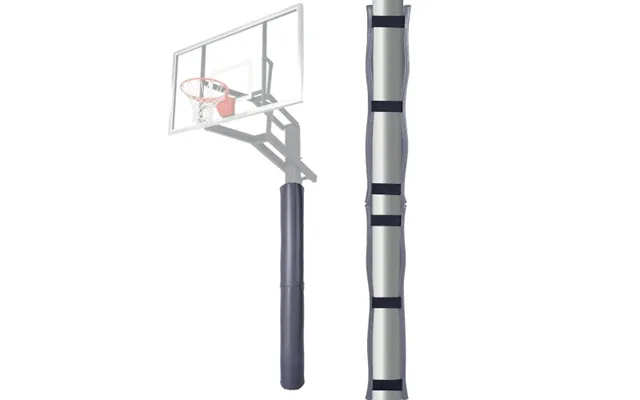
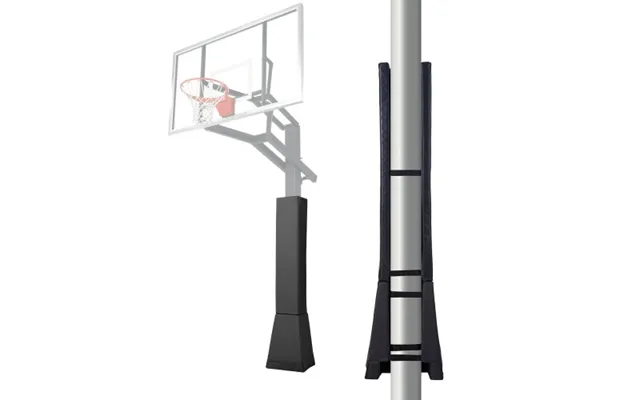
Padding around the backboard, pole, and base turns a tough collision into a soft stop. Pole pads, backboard pads, and base covers are musts for family courts where kids play. These accessories absorb impact and reduce injuries, and they also prevent paint chips and rust from constant contact. Think of padding as insurance that keeps both players and equipment in better shape.
Padded wraps come in different thicknesses and materials—dense foam covered with vinyl is common. Choose padding that fits your pole diameter and backboard size. For poles that are near walkways or play zones, thicker padding is worth the investment to reduce the chance of bumps and bruises.
A heavy-duty cover protects the backboard and rim during winter or extended downtime. Covers that breathe prevent mold while keeping snow, ice, and sun off critical components. Add a cover, and you’ll likely extend the life of paint, netting, and metal parts significantly.
With a few basic tools—socket set, adjustable wrench, tape measure, and a torque wrench—you can tackle most hoop repairs yourself. Regular maintenance like tightening bolts, checking net wear, and cleaning the backboard prevents small problems from becoming expensive replacements. A seasonal checklist is like a tune-up for your hoop: tighten, inspect, lubricate, and protect.
Before winter, drain portable bases, cover the unit, and remove nets if heavy snow is expected. In summer, inspect for UV damage, clean off dirt and grime, and retension the rim springs if necessary. These seasonal habits keep your equipment reliable year-round.
Your needs change if you’re coaching a youth team versus shooting around on weekends. Youth players do well with durable polycarbonate boards and chain nets that stand up to rough play. Serious players should prioritize tempered glass and breakaway rims for realistic ball dynamics. Budget-friendly parts can still pack value, but prioritize components that directly affect play feel—rim and backboard—then add durability and comfort items like padding and wheels as budget allows.
Spend more on the backboard and rim, and save on nets and aesthetic accessories. Investing in weatherproof hardware and a good protective cover pays off faster than an expensive paint job. Think in terms of longevity: a slightly pricier stainless bolt today prevents a ruinous rust failure tomorrow.
Comparison sites and price aggregators can be your best friend when shopping for parts—especially if you want to balance quality and cost. Look for platforms that show multiple retailers, verified product specs, and user reviews so you can match parts to your hoop model and budget. Treat comparison shopping like scouting opponents: do your homework and don’t be swayed by the flashiest offer.
Always verify bolt patterns, mounting dimensions, and weight limits before buying replacement parts. A new 18-inch rim might not bolt up to your old bracket if the hole spacing differs. Keep a tape measure handy and note dimensions in inches and distances in feet when matching parts.
Upgrading your basketball hoop is more than a maintenance task—it’s an investment in better shots, safer play, and long-term savings. Prioritize components that change how the ball behaves and how safe the setup is: backboards, rims, and padding. Then add improvements for convenience and mobility, like wheel kits and stabilizers. With the right parts, your court can feel like a pro gym, even if it’s just a few feet from the garage.
Ready to upgrade? Measure your backboard in inches, check the pole’s diameter, and note the filled base capacity in gallons and pounds before you buy. A little prep ensures you buy the right parts the first time—and that means more time playing and less time fixing.
Conclusion: Start with the parts that improve play and safety—the backboard, rim, and hardware—then layer in comfort and mobility upgrades. The right parts will keep your hoop performing like a champion season after season.