All categories
Business & Offices
Electronics & Media
Fashion & Accessories
Groceries & Essentials
Health & Personal Care
Home & Living
Kids & Family
Sports & Outdoors
Search in ZoneOffer
Loading...
Picking the right basketball feels like picking the right pair of shoes — it changes how you play. Whether you’re shooting on a cracked outdoor court or practicing slick moves inside a gym, the ball’s grip, weight, and bounce make a real difference. If you want your crossovers to snap and your jump shots to feel consistent, choosing a ball that matches where and how you play is step one. This guide helps you cut through the noise, compare options, and spot the best basketball deals in the UK, so you don’t end up with a dud ball that ruins a game night.
Not all basketballs are created equal — manufacturers make different constructions depending on the surface. Indoor basketballs are soft and tactile, built for wooden courts. Outdoor balls have tougher rubber or composite covers that stand up to rough asphalt. Hybrid or all-surface basketballs try to bridge the gap and are great if you switch between gym and street. Knowing these categories helps you match a ball to your environment and avoid returns or disappointment.
Indoor basketballs typically feature full-grain leather or high-quality composite covers for a superior feel and controlled bounce. They’re grippier when the court is clean and your hands are dry, but leather can degrade if you use it outdoors. The standard competition circumference for an adult men’s ball is 29.5 inches, and that classic weight offers familiar handling and touch for players training to play at competitive levels. If you practice for leagues, an indoor ball is the right choice.
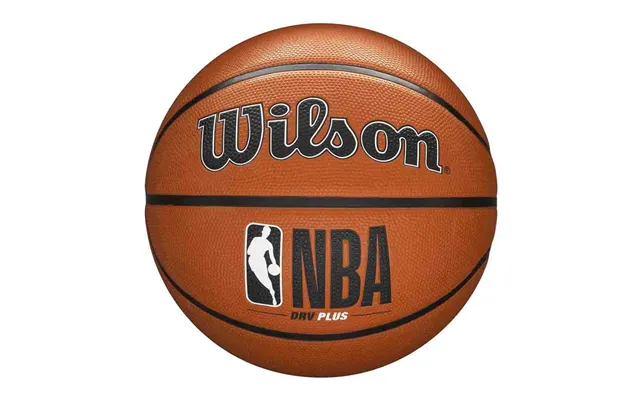
Outdoor basketballs are the workhorses of streetball — made from durable rubber or reinforced composite materials that resist abrasion. They won’t feel as soft as leather, but they’ll survive rough concrete and won’t scuff to bits after a few games. Outdoor balls often cost less up front, making them a smart pick if you’re on a tight budget or playing on unpredictable surfaces. Expect a slightly firmer bounce and a grip designed for dusty or wet conditions.
Hybrid basketballs aim to give you the best of both worlds: the feel of an indoor ball with the resilience of an outdoor model. Manufacturers tweak the cover compound so the ball wears well on asphalt while still offering a comfortable grip and decent touch. If you train in community centres and then hit the park, a hybrid ball keeps your skills consistent across surfaces without forcing you to buy two separate balls.
When hunting deals, certain brands consistently appear on price lists and comparison results because they balance performance and durability. Wilson, Spalding, and Molten are household names in basketball circles, each with signature strengths. Knowing a brand’s reputation helps you filter the noise quickly — for instance, Wilson is often praised for game-ready grip, Spalding for official competition models, and Molten for international-standard construction. Don’t overlook lesser-known brands for budget-friendly options, though; some surprise you with solid performance for the price.
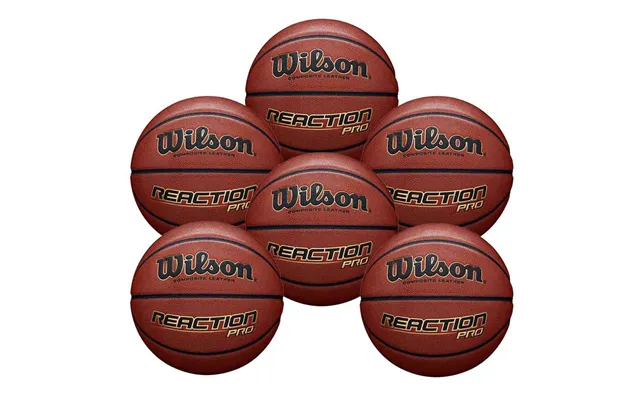
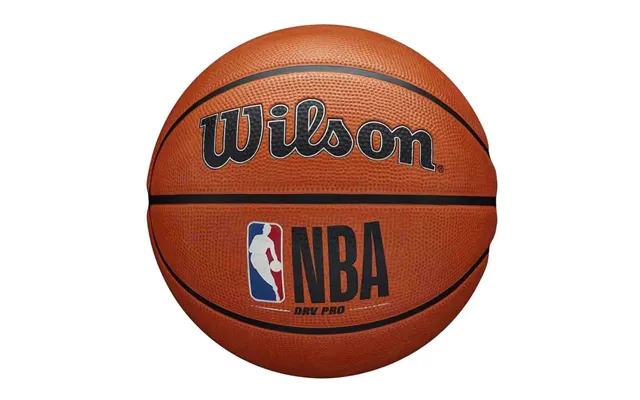
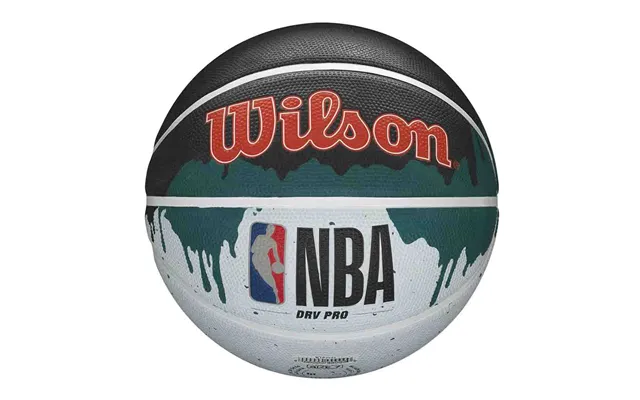
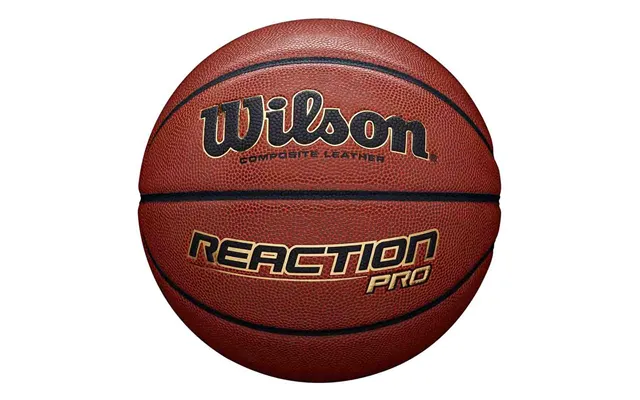
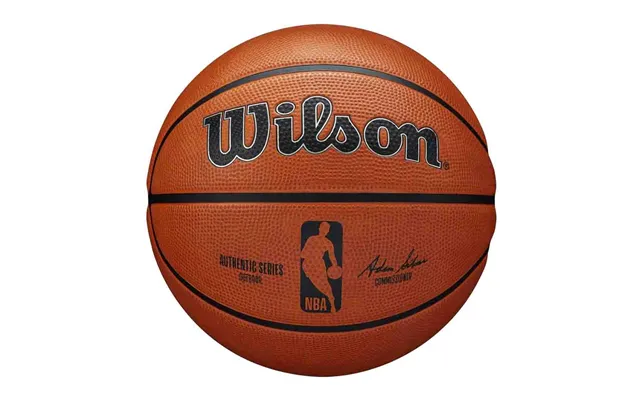
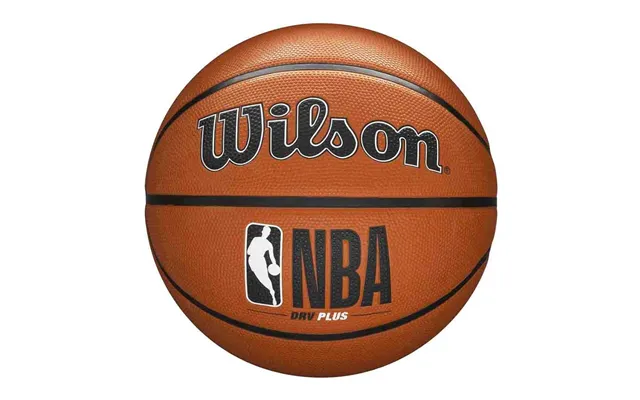
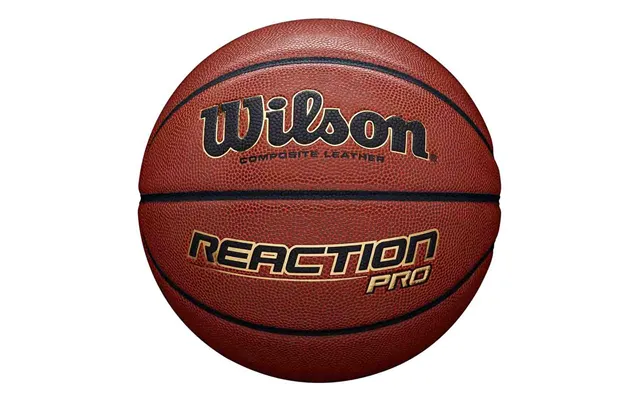
Wilson is famous for producing balls used at multiple professional levels and for making quality consumer models that replicate pro feel. Their composite indoor/outdoor balls are popular in the UK because they deliver consistent grip and a true-to-size circumference of 29.5 inches for men’s competition. If you train regularly and want a trusted brand that holds up to repeated sessions, Wilson often hits a sweet spot between premium feel and reasonable pricing.
Spalding has long been associated with official league basketballs and offers a range of options from entry-level rubber models to premium leather game balls. Spalding’s indoor leather balls are prized for their break-in feel and touch, while their outdoor ranges use robust compounds for longevity on rough courts. Many buyers check comparison sites to find Spalding discounts, especially around seasonal sales or when switching between summer outdoor play and indoor league seasons.
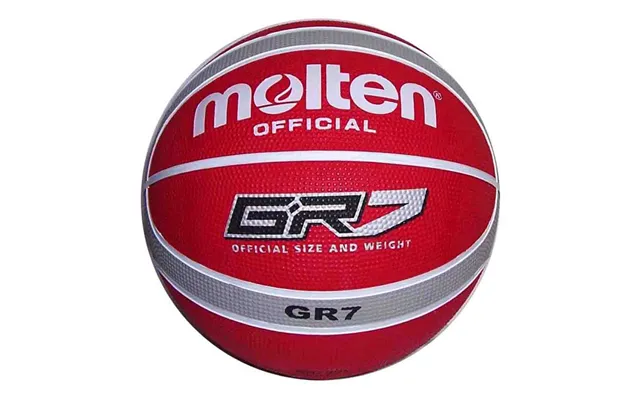
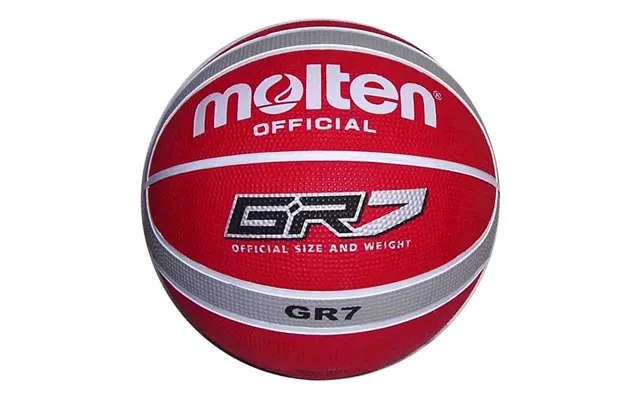
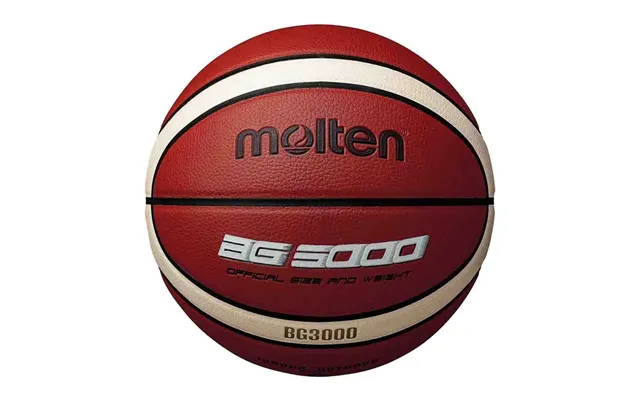
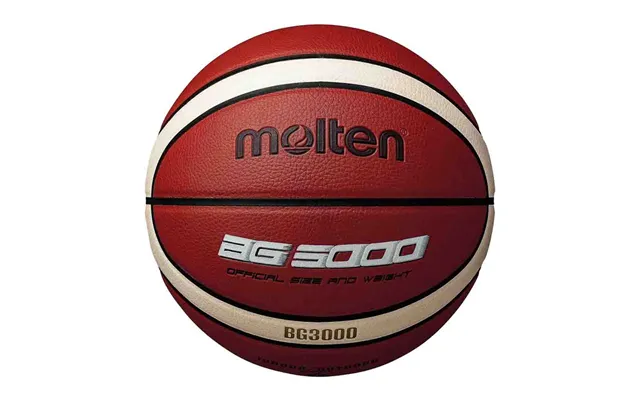
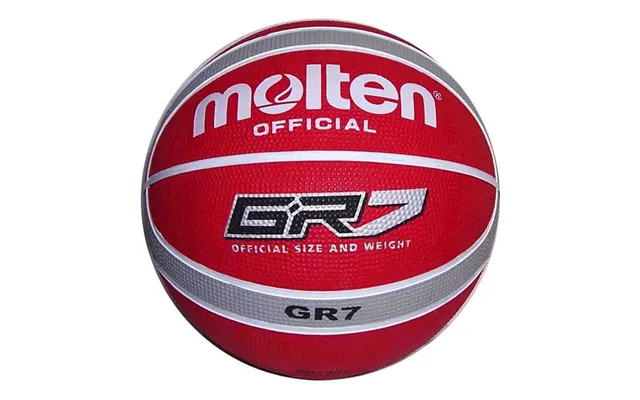
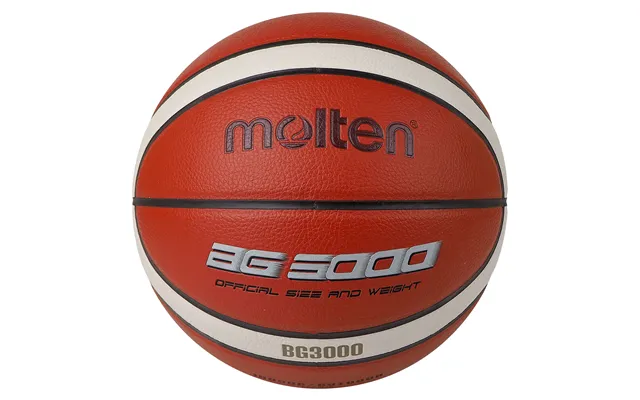
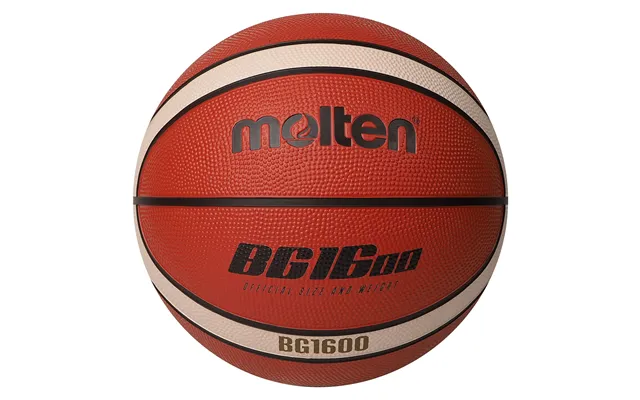
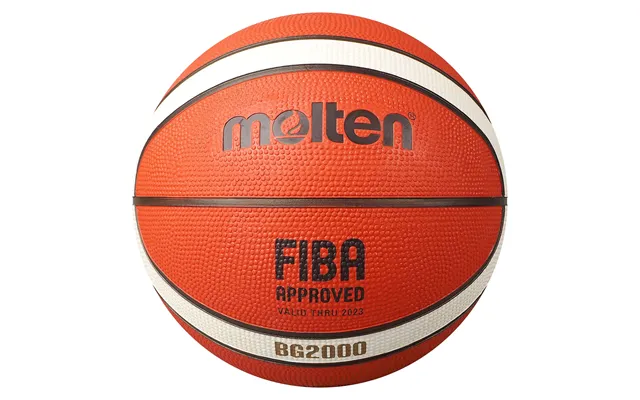
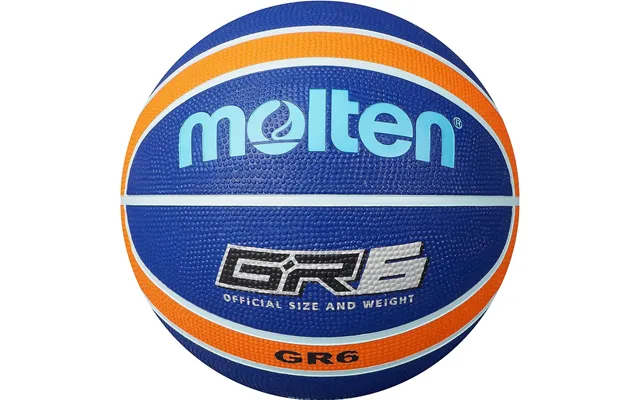
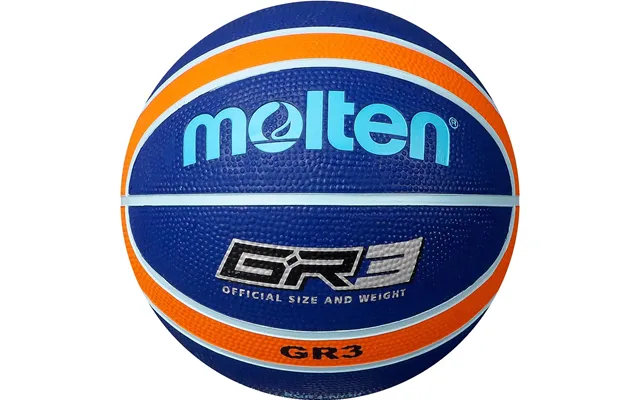
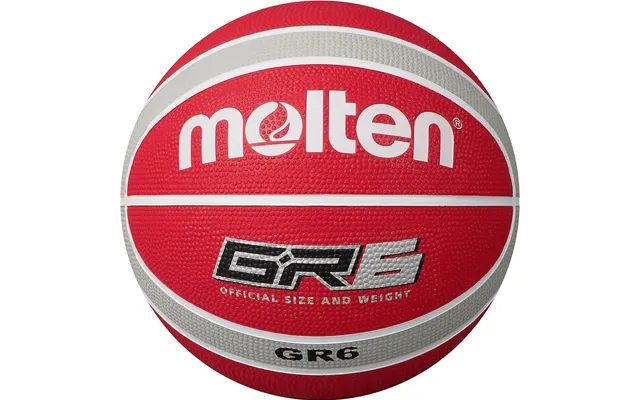
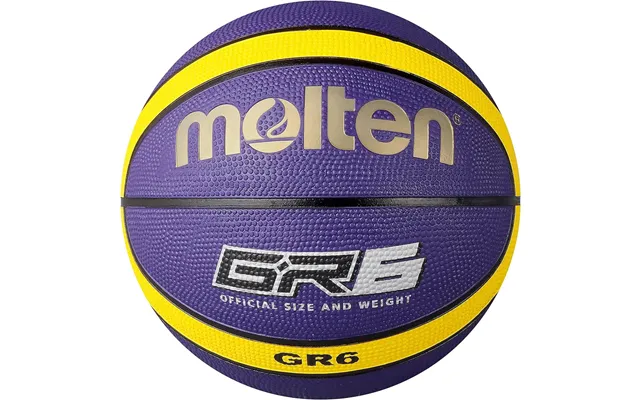
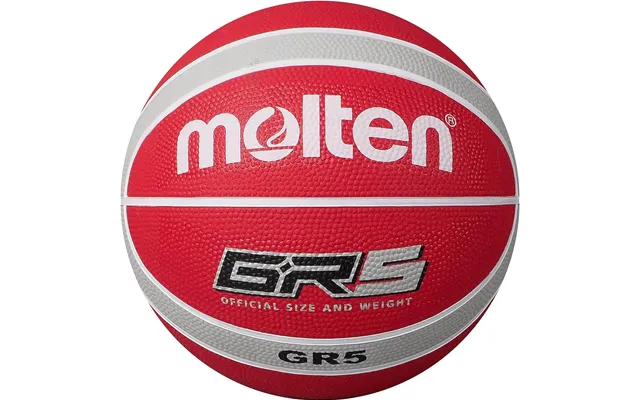
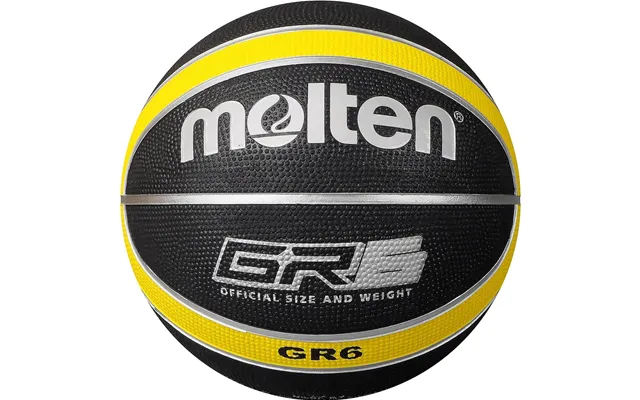
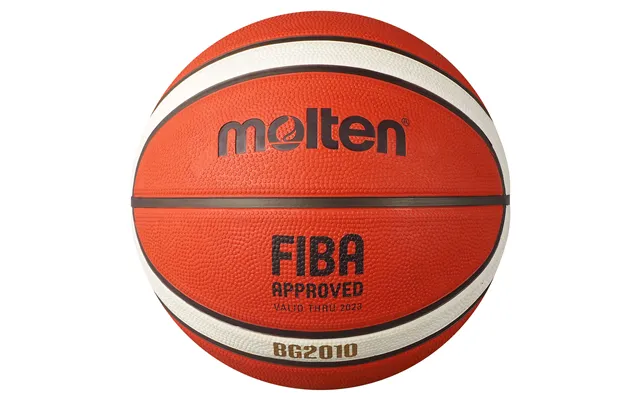
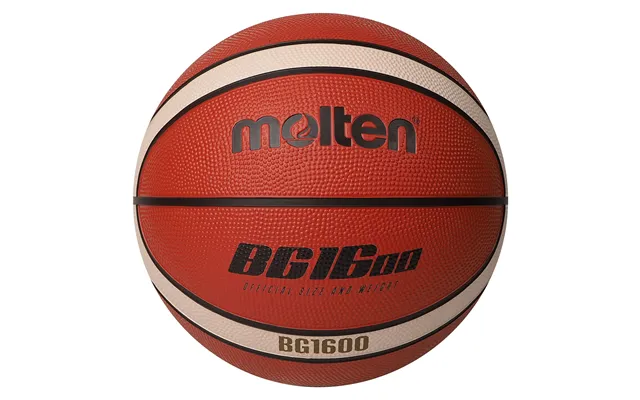
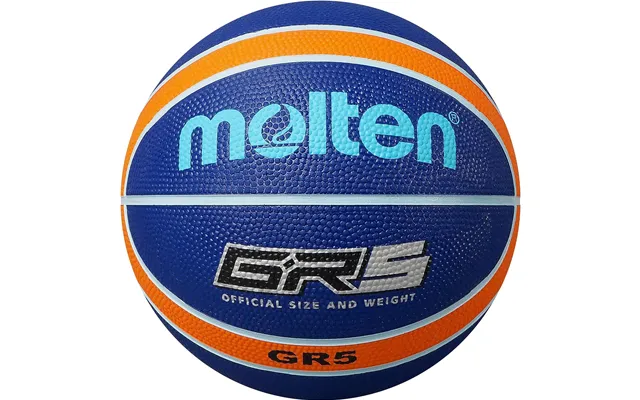
Molten is the official ball supplier for various international competitions and is known for a slightly different panel design and consistent manufacturing standards. They make great hybrid models that balance grip and durability, with a feel that many players find predictable and responsive. If you’re curious about alternatives to the usual American brands, Molten often shows up in UK price lists as a performance-focused yet competitively priced choice.
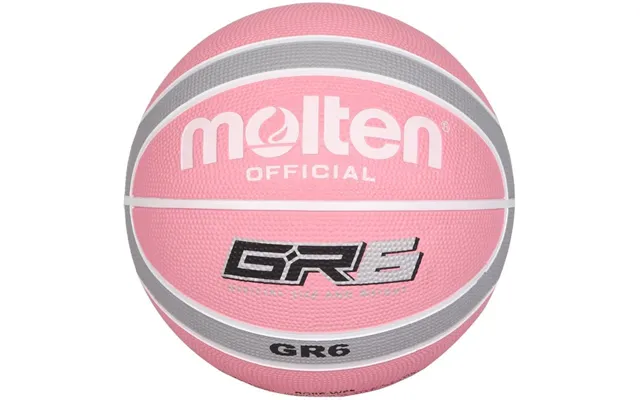
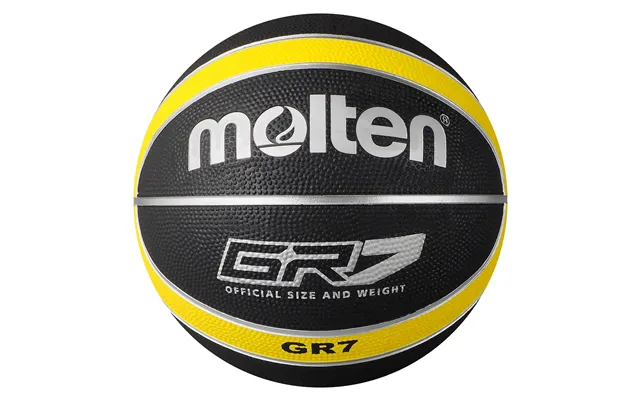
Size matters — literally. Basketball sizes are given by circumference in inches, and picking the correct one changes how well you control the ball. Size 7 is the standard adult men’s ball with a circumference of 29.5 inches. Size 6, around 28.5 inches, is the common women’s and youth teen size, while Size 5 clocks in near 27.5 inches for younger players. Mini sizes drop to roughly 22 inches for kids. Pick the right size and the ball feels natural in your hands; pick the wrong one and dribbling and shooting feel awkward.
Basketball price lists in the UK typically fall into three tiers. Entry-level rubber or basic composite balls often range from around £8 to £20 — perfect for casual play. Midrange composite and hybrid balls usually sit in the £20 to £45 window, offering improved grip and longer life. Premium leather or official-game balls can cost £50 and up, often aimed at competitive players who want authentic touch. When comparing prices, remember to factor in seasonal sales, bundle offers with pumps, and delivery costs found on comparison sites.
Buying a good ball is only half the story — accessories extend its life and improve your practice sessions. Think beyond the ball: a quality pump, spare needles, a net, and a portable hoop setup can dramatically change how often and where you play. Adding the right extras when you see a deal can be more cost-effective than buying them separately later, and comparison sites often list bundles that save you money while keeping your game consistent.
A reliable pump is the unsung hero in any ball kit. Basketballs need air to maintain correct bounce and feel; a pump with a pressure gauge takes the guesswork out of inflation. Most competition balls sit around the manufacturer’s recommended pressure — check the ball for guidance — and a ball repair needle keeps you ready to adjust on the fly. Pumps are inexpensive and make any ball feel near-new, so they’re a smart add-on when you spot a good deal.
If you’re searching for a complete setup, backboards and hoops vary widely by price and build. Portable systems with adjustable rims are handy for driveways and often have backboards ranging from 44 inches up to 72 inches for serious play. A regulation rim is 18 inches across and the standard rim height is 10 feet, so pick a hoop that can reach that height if you’re practicing for competition. Compare materials — acrylic versus polycarbonate versus tempered glass — to match your budget and performance needs.
Training aids like dribbling gloves, rebound nets, and cone sets sharpen specific skills. Rebound nets simulate passing and can be a solo player’s best friend, while grip-enhancing sprays or leather conditioners keep a ball performing at peak level. Even something as simple as a net replacement or spare anchors for a hoop can save you frustration and downtime. Grab these extras when they appear in bundles or flash deals for better value.
Looking for deals is part art, part strategy. Start with comparison sites to scan price lists quickly, then set alerts for seasonal sales like back-to-school or holiday promotions. Sports retailers, online marketplaces, and specialist stores will all compete on price — but remember to check shipping and returns before you click buy. If you want the cheapest option, be wary of ultra-cheap balls that sacrifice durability; sometimes paying a few extra pounds nets a ball that will last multiple seasons.
Comparison sites are powerful because they show many retailers in one place — use filters to narrow results by price, brand, and delivery speed. Read recent reviews to check if a ball’s grip or inflation holds up over time. Consider total cost including delivery and look for coupons or cashback offers that comparison tools often highlight. Finally, compare bundles: a slightly higher upfront cost that includes a pump and net can beat buying items piecemeal later.
Simple care extends a ball’s life dramatically. Keep leather balls indoors when not in use, wipe off dirt and moisture after play, and avoid leaving balls under hot sun or freezing conditions. Check air pressure regularly with a gauge and inflate within the recommended range — overinflation can burst seams, underinflation ruins rebound. For composite or rubber balls, cleaning with mild soap and water keeps the grip consistent. Treat a ball like a pair of favourite trainers and it will repay you with many good games.
Assembling the right kit depends on how you play. If you’re mostly outdoors and on a budget, pick a rugged outdoor ball in the £8–£20 range with a decent pump. If you train for competitions, invest in a midrange to premium ball and a portable rim that reaches 10 feet. Use comparison tools to weigh options quickly: search for “basketball price list,” check brand comparisons, and watch out for bundled accessories that reduce total spend. A strategic purchase now saves you cash and frustration later.
Before you hit “buy,” run through a short checklist: confirm size (29.5 inches for men’s adult, 28.5 inches for women/teens, 27.5 inches for younger kids), choose surface type (indoor/outdoor/hybrid), check construction (rubber, composite, leather), compare prices across retailers, and ensure pumps or needles are available or bundled. If you follow these steps, you’ll land a ball that suits your style and your pocket, and you’ll be ready to play better sooner.
Retailers often discount basketballs around the start of leagues, summer outdoor play, and during major sports sale events. Price lists shift quickly during these windows, so set alerts on comparison sites and consider buying in off-peak months for the best savings. If a particular brand or model is always in demand, wait for bundle deals or certified refurbished options that comparison tools sometimes highlight for extra value.
There’s more to a ball than looks. Comparing models side-by-side reveals real differences in material, warranty, and included accessories. A cheap rubber ball might look fine for a week, but comparison shopping can show you a slightly pricier composite ball with better long-term reviews. Use the data to avoid buyer’s regret — a smart purchase gives you better performance, more playtime, and ultimately saves money.
If possible, test a ball in person before buying big. Many shops let you handle demo models — check grip, try a few dribbles, and feel the weight (a standard adult ball sits comfortably around 22 ounces). If a physical test isn’t possible, rely on trusted reviews and verified buyer photos on comparison platforms. The more you investigate, the closer you get to a ball that fits your feel and style.
Conclusion: Buying the right basketball in the UK is a mix of knowing your surface, picking the correct size, choosing trusted brands, and hunting smart deals. Whether you want an affordable outdoor ball for weekend pick-up games or a premium leather model for indoor leagues, use comparison tools to scan price lists, weigh bundles, and read real-user feedback. A well-chosen ball and a handful of quality accessories will keep you playing longer and better — and won’t break the bank when you shop wisely.
| Basketballs | Price | |
|---|---|---|
| Personalised Black & Gold Basketball | £ 40,- |