

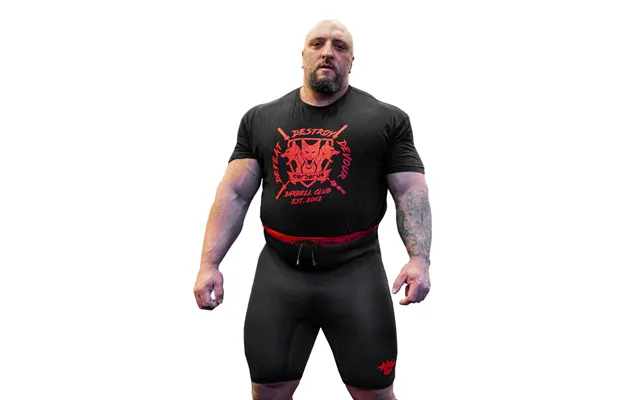
Martial Arts Shorts price list
Last updated Monday, 19 Oct 2026
| Martial Arts Shorts | Price |
|---|---|
| Strongman Hybrid Briefs 9mm Neoprene - 3xl | £69.99 |





Loading...
Last updated Monday, 19 Oct 2026
| Martial Arts Shorts | Price |
|---|---|
| Strongman Hybrid Briefs 9mm Neoprene - 3xl | £69.99 |
Picking the right pair of martial arts shorts is more than a fashion choice — it directly affects your mobility, comfort, and performance. Imagine trying to throw a high kick in stiff, heavy shorts; you'll notice the difference instantly. The right shorts move with you like a second skin, offer breathability to keep you cool, and protect against chafing and tears during intense training sessions.
Not all martial arts shorts are created equal. Different disciplines demand different cuts, lengths, and materials. Understanding these distinctions helps you pick a pair that matches your sport and training style.
Muay Thai shorts typically sit high on the thigh with wide legs and short lengths to allow unrestricted clinching and high kicks. They often feature a 2–4 inch rise above the knee and bold graphics. If you favor fluid striking and need ultimate leg mobility, Muay Thai shorts are the go-to.
MMA shorts are built for versatility. They tend to be longer than Muay Thai shorts, often falling to mid-thigh with a 3–5 inch inseam, and incorporate stretchy panels or board-short-style fabrics to withstand grappling and groundwork without riding up or snagging.
Boxing shorts are usually looser and longer, often hitting just above the knee. They’re designed for footwork and upper-body movement rather than leg mobility. If you’re focused on pure boxing, these give a classic look and ease of motion.
For Brazilian Jiu-Jitsu and other grappling arts, durable compression shorts or hybrid grappling shorts are common. They prioritize low-profile seams, strong stitching, and lengths that won’t give opponents extra handles during ground work.
The fabric and build quality of shorts determine durability, comfort, and performance. Knowing what each material offers helps you make a smarter purchase.
Polyester and microfiber blends are common because they’re lightweight, quick-drying, and abrasion-resistant. These fabrics wick sweat away from your skin, which keeps you cooler in long sessions and reduces the chance of rashes.
Nylon provides a smooth feel and good tear resistance. Ripstop nylon adds reinforced weaving to prevent small rips from spreading — useful if your training involves heavy clinching or partner work that can snag fabric.
Stretch panels made of spandex or elastane give the shorts flexibility where you need it most, like along the inseam or side slits. These panels let you move freely for high kicks and wide stances without constriction.
Fit determines whether shorts stay put under pressure or become a distraction. Let’s break sizing down so you can buy shorts that feel like they were made for you.
Look for an elastic waistband combined with a sturdy drawstring. Elastic provides comfort when you move, while a drawstring ensures a secure fit during explosive movements. Some fight shorts also feature hook-and-loop closures for extra security.
Inseam length will affect mobility: 2–4 inch inseams are common for Muay Thai to maximize leg movement, while 3–6 inch inseams suit MMA and grappling for more coverage. Choose a length based on your preference for leg freedom versus thigh protection.
The right shorts should allow a full range of motion without feeling baggy or riding up. If you train across multiple disciplines, a slightly longer hybrid short with stretch panels can be an ideal compromise.
Smart features separate ordinary shorts from performance-ready ones. Pay attention to design details that make a real difference on the mat or in the ring.
Side splits or angled leg cuts improve range of motion for kicks and lunges. Combined with stretch panels, these features prevent seam stress and keep the shorts comfortable in extreme positions.
Moisture-wicking fabrics pull sweat away to the outer layer so it dries faster. Mesh vents or breathable panels help regulate temperature during long sparring sessions, keeping you focused instead of overheating.
High-stress areas like the crotch and seams should have reinforced stitching or gussets. These additions prevent tearing during grappling exchanges and increase the lifespan of the shorts.
While you’ll find many manufacturers producing quality martial arts shorts, a few styles stand out for their consistent performance. Think of these options as categories rather than endorsements — shop by features, not just logos.
If your training emphasizes stand-up striking, a classic Muay Thai cut with a high rise and wide legs is ideal. Look for vivid designs, satin or polyester blends, and a secure waistband that won’t shift during clinches.
Hybrids blend the freedom of Muay Thai shorts with the coverage of MMA shorts. They often include side slits, reinforced panels, and a mid-thigh length — perfect if you split time between striking and ground work.
Some shorts include built-in liners or are designed to be worn over compression shorts. Liners reduce chafing and provide modesty, while compression underlayers offer additional muscle support and reduce impact from mat friction.
Taking proper care of your shorts keeps them performing well and extends their life. Small habits can prevent premature wear and keep colors vibrant.
Wash shorts in cold water on a gentle cycle to preserve fabric and prints. Avoid high-heat drying; instead, air-dry them flat or on a hanger. Heat can shrink elastic waistbands and degrade performance fabrics over time.
Address small tears or loose stitching early. Reinforce high-stress seams with a needle and strong thread or a fabric patch. Regular inspections before intense sessions prevent a wardrobe malfunction mid-training.
Your needs will differ depending on whether you’re sparring casually, drilling technique, or stepping into a competition. Buying shorts that match the context saves frustration and can even give you a psychological edge.
Check the rulebook for any sport-specific regulations about length, cut, or logo placement. For instance, some competitions have strict guidelines about long shorts or pockets. When in doubt, lean towards the more conservative option that still allows movement.
For everyday training, prioritize durability and comfort over flash. Reinforced seams, sturdy fabrics, and comfortable waistbands matter more when you wear them several times a week.
Shorts are one piece of the puzzle. The right complementary gear keeps you protected and improves performance across sessions.
Compression tights offer muscle support and protect skin during ground work. They’re especially handy in cooler gyms or when training outdoors. Look for breathable materials with a 1–3 inch compression fit that doesn’t restrict movement.
Rash guards help prevent mat burn and wick moisture away from the body. They also reduce friction when paired with shorts, and a snug fit under your shorts keeps everything stable during grappling.
When you’re striking, shin guards protect both you and your partner. Gloves designed for sparring versus bag work have different padding, so match those to your typical session. Think of your shorts as the foundation — the rest of the gear supports your training safely.
Shopping online is convenient, but it requires a little strategy. Treat product listings like lab reports: check the specs, material breakdowns, and customer photos to build a clear picture before you buy.
Always check inseam, short length, and waist measurements in inches. Avoid relying solely on size labels (S, M, L) because brands vary. If possible, compare a pair’s listed measurements to a favorite short you already own to find the closest match.
Filters for fabric, length, and discipline save time. Compare product features side-by-side to spot differences like reinforced stitching or liner presence. Photos from actual users are often the best indicator of fit and color accuracy.
You don’t have to spend a fortune to get good shorts, but there’s a reason premium models cost more: better materials, stronger stitching, and thoughtful design choices. Decide what matters most for your training frequency and intensity.
If you’re training casually once or twice a week, a mid-range pair with basic stretch and durability will do. If you train daily or compete, invest in a premium pair with reinforced seams, high-quality panels, and performance fabrics that stand up to heavy use.
Choosing the right martial arts shorts comes down to matching the cut, material, and features to your discipline and training habits. Whether you prefer the high-cut freedom of Muay Thai shorts, the versatility of hybrid MMA designs, or the protective feel of compression liners, there’s a pair that fits your needs. Measure in inches, pay attention to waist fit and inseam, and prioritize reinforced construction if you train hard. A little research and the right comparison approach will lead you to shorts that feel like they were made for you — and that can make every session more comfortable and productive.