

Cricket - Other price list
Last updated Monday, 19 Oct 2026




View 9 Offers
Loading...
Last updated Monday, 19 Oct 2026
If you think cricket shopping stops at bats and pads, think again. The “other” cricket category includes everything that makes you perform better, stay safer, and enjoy the game more — from grips to training aids to kit bags. These small items often have outsized impact on your comfort and performance, and they’re usually where you’ll find the best value when hunting UK deals.
Ever lost a match because your grip slipped at a crucial moment? Accessories like anti-slip grips, wristbands, and bat tape are the unsung heroes that keep you consistent. They’re inexpensive, easy to swap out, and can extend the life of pricier equipment like bats and gloves. If you treat cricket like a long season marathon, these little extras are your energy gels.
Bat grips come in rubber and perforated styles, usually measured to fit bats roughly 32 to 33 inches long. A fresh grip can change how the bat feels in your hands — think of it as changing your car tires for better traction. Look for grips that add between 1/16 and 1/8 inch of thickness if you want a fuller feel without changing the bat’s balance dramatically.
Toe guards and edge tape cost pennies compared to a new bat yet protect the willow from cracking. They’re typically installed on the bottom and edges of the bat to absorb impact from pitches and thrown-in balls. Replace these every season if you play regularly; it’s a cheap insurance policy against costly repairs.
Protection isn’t optional — it’s essential. But fit matters more than brand. A helmet that sits properly, pads that don’t pinch behind the knee, and gloves with the right palm shape will keep you comfortable and confident. Comfort translates to better technique and fewer distractions at the crease.
Modern helmets often weigh between 1 pound and 3 pounds depending on size and grill type. The shell should sit about 1/2 inch above your eyebrows and feel snug without pressure points. Look for helmets with adjustable inner pads and ventilation slots so you don’t bake on hot days. A comfortable helmet feels like a silent teammate.
Pads are sized by age or height; for adults, they typically measure around 14 to 16 inches from top to bottom depending on your stance. Gloves should close fully around the bat handle while allowing finger movement; if you can easily fit a half-inch of space between your palm and glove when gripping, that’s usually a good fit. Don’t forget the thumb protection and reinforced finger rolls — small features that prevent big injuries.
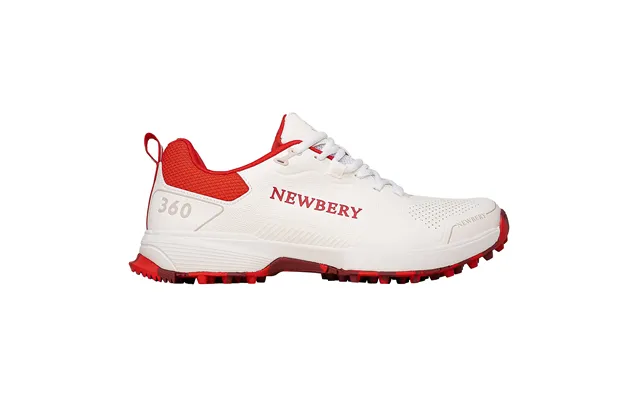
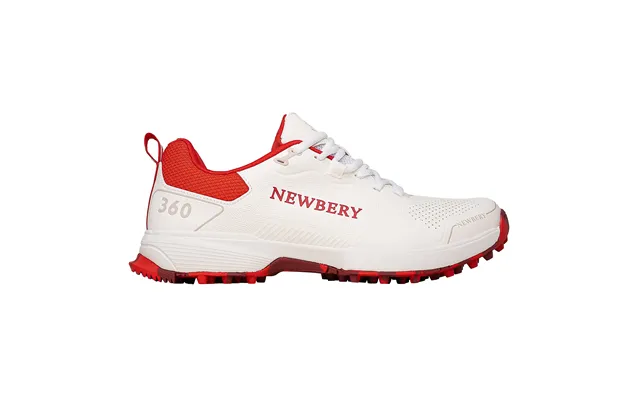
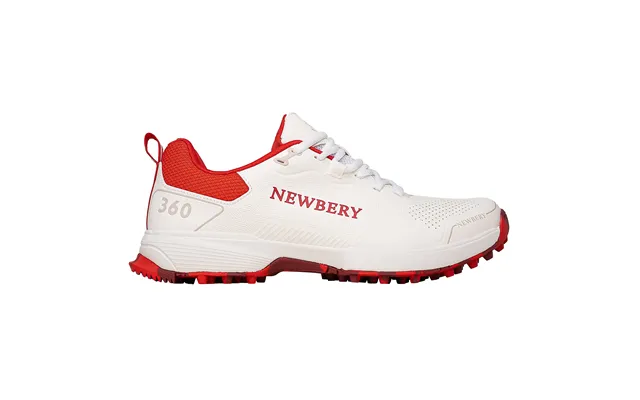
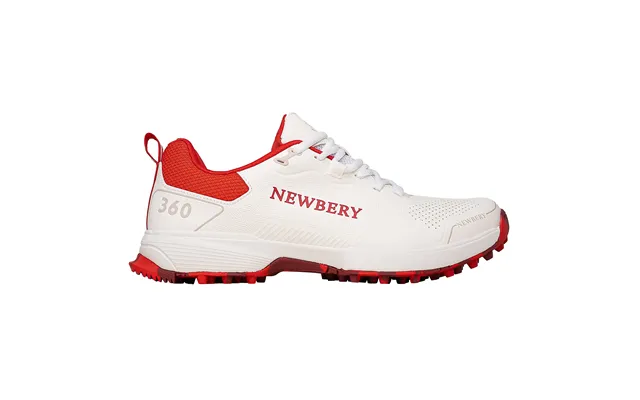
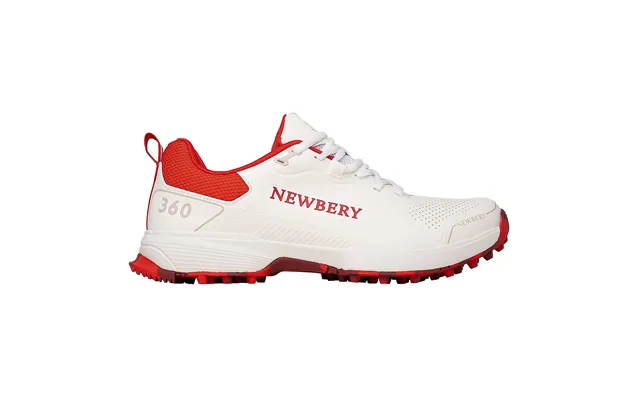
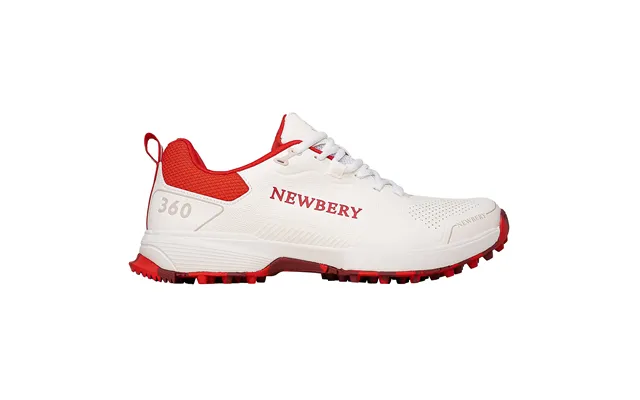
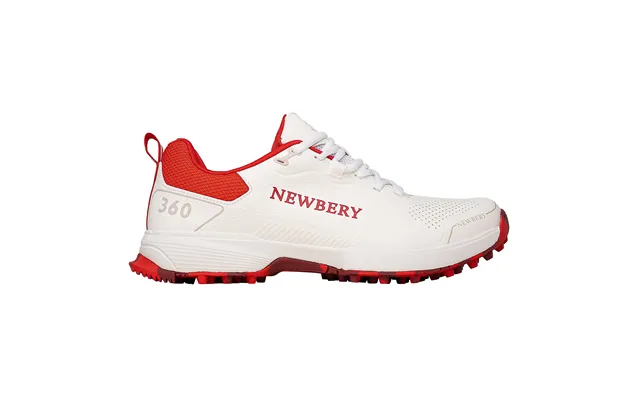
Good cricket shoes and breathable apparel improve your mobility and comfort, especially during long spells in the field. Shoes with spikes or rubber studs give traction on turf and synthetic pitches. Apparel that wicks sweat will keep you cool and minimize chafing. Treat your kit like your body’s second skin — it should move with you, not against you.
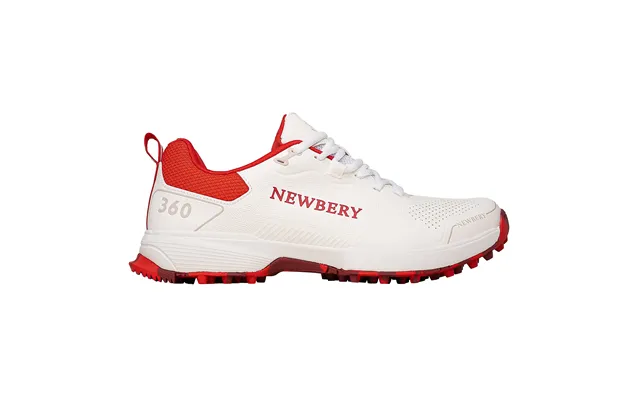
Cricket shoes come in spike and non-spike versions. Spike shoes offer superior grip on turf but are heavier, usually weighing about 10 to 16 ounces more per shoe than lighter training shoes. If you bowl regularly, prioritize support in the ankle and heel to avoid strains. For casual matches, a lightweight non-spike shoe with a grippy sole will do the trick.
Choose shirts and trousers with moisture-wicking fabric and a bit of stretch. Lightweight materials that breathe will keep sweat at bay and reduce the risk of overheating during long sessions. Think thin layers you can add or remove; on unpredictable days, that flexibility is priceless.
Whether you’re working on your footwork or sharpening your Yorkers, training aids speed up progress. Items like rebound nets, bowling machines, target cones, and weighted balls help you practice skills in a structured way. Modern tech — such as smart sensors that attach to bats — adds measurable feedback, turning subjective feel into data you can act on.
Bowling machines range from light, portable units to heavier, more feature-rich models that can vary pace and spin. Portable machines often weigh about 20 to 40 pounds and are ideal for backyard nets. Combine a machine with a mix of leather and training balls — leather for match simulation, softer balls for beginners — and you’ll cover all bases for skill-building.
Rebound nets let batters practice solo; they’re compact and easy to set up in a backyard or drive. Target nets and cones are cheap but effective for practicing line and length. A few sessions per week with a rebound net can improve reaction time as much as weeks of unstructured batting.
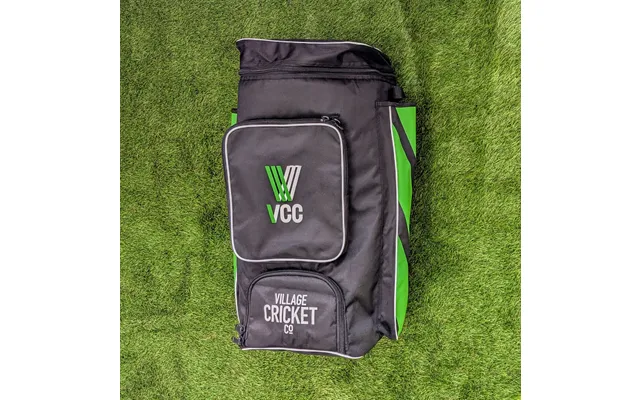
A sturdy kit bag organizes all the essentials and protects your investment. Look for bags with a separate bat compartment and reinforced base; they tend to stay in shape longer and keep muddy boots away from gloves and pads. Stumps, bails, scorebooks, and spare kit items also live in this category — small purchases that reduce match-day stress.
Kit bags range from compact 24-inch rollers to large 36-inch duffels. If you travel with multiple bats and pads, aim for 30 to 36 inches in length with separate compartments for shoes and wet gear. Heavy-duty base plates and water-resistant materials are worth the extra cost if you play outdoors often.
Items like spare gloves, extra grips, a small repair kit, and a first-aid pack are match-day heroes. Keep a spare pair of batting gloves and a tube of adhesive at hand; a five-minute fix can keep you in the game rather than benched. Think of these as emergency tools that preserve momentum.
Proper maintenance saves money and preserves performance. Cleaning leather gloves, oiling wooden bats occasionally, and airing out shoes prevents odor and rot. A small routine — wipe gear after use, dry damp items in the shade, and store bats vertically — makes your equipment last seasons longer.
Store bats away from extreme heat and moisture. If a bat starts to show scuffing, edge tape and toe guards are quick fixes. For new English willow bats, gentle knocking-in (using a bat mallet) and an approved oil can help bed the fibers. Think of routine care like brushing your teeth: small daily habits prevent big problems later.
Never throw pads and gloves in a hot dryer. Instead, air-dry them at room temperature and use a fan if needed. A regular rinse and a soft brush will remove dirt without stripping fabric. Small steps like these keep your kit smelling fresh and performing well.
Finding the best offers is part science, part timing. Prices fluctuate with the season: pre-season and post-season sales usually have the best bargains. Compare across comparison sites, read user reviews, and check for bundle deals that pair essentials like gloves and grips with a discount. Patience pays — a couple weeks of monitoring can net significant savings.
Off-season (late autumn and winter) often brings clearance prices for apparel and accessories. New model rollouts in spring can push older inventory down in price. If you want the latest tech, wait for product cycles to settle; if you want value, hunt the clearance racks when new stock arrives.
A cheap helmet with poor ventilation or weak padding isn’t a bargain if you’ll replace it next season. Compare features like material quality, warranty length, and user ratings. Sometimes paying a little more upfront saves more over time because the gear lasts longer and performs better.
Brands vary from high-end specialist makers to budget-friendly options. High-end items often use premium materials and offer better warranties, while value brands give you decent performance for recreational players. Keep a balanced list of favorites to check when deals pop up — that way you can snag a trusted item when the price drops.
Spend on items that directly affect safety and performance: helmets, high-quality gloves, and durable shoes. Save on replaceable consumables like grips, tape, and training cones. This strategy stretches your budget without compromising the essentials.
Certain brands maintain resale value because of build quality and reputation. If resale is something you consider, look for established names with broad market recognition — they often command better trade-in or resale prices when you upgrade.
Swap grips mid-season, rotate shoes to let them dry fully, and replace gloves at the first sign of thinning leather. Little habits compound: a well-cared-for kit performs like a well-trimmed engine. Think of your gear as a living system that responds to care and attention.
Before every game, run through a simple checklist: helmet, gloves, pads, shoes, spare grips, repair tape, and water. This prevents those “I forgot the batter’s gloves” moments that ruin momentum. A checklist is a small ritual that preserves focus.
Set small, focused practice goals and use accessories to target them. Want to hit straighter? Practice with a rebound net and marked targets. Need better footwork? Use cones and short-interval drills. Training aids are tools, but your plan is the engine.
The “other” cricket category is where value and performance intersect. From grips and toe guards to helmets and training gear, these items shape how you feel and play on the field. Focus your spending on safety and high-wear items, shop seasonally, and maintain your kit—small actions that compound into long-term gains. Whether you’re a weekend warrior or a club regular, the right accessories and smart shopping habits will keep you playing smarter, safer, and for longer.