

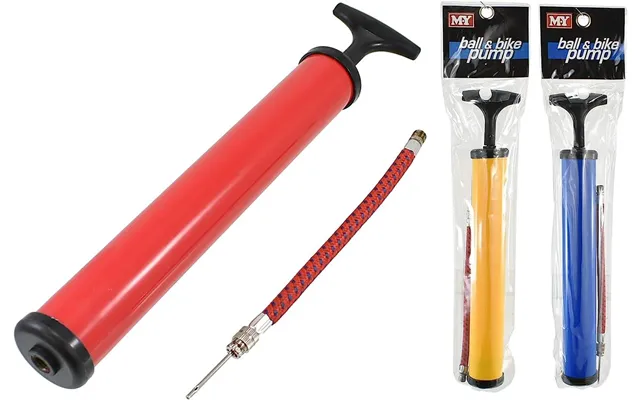
Ball Pump Accessories price list
Last updated Monday, 19 Oct 2026
| Ball Pump Accessories | Price |
|---|---|
| 12 Ball & Bike Pump Sold Singly | £3.99 |





Loading...
Last updated Monday, 19 Oct 2026
| Ball Pump Accessories | Price |
|---|---|
| 12 Ball & Bike Pump Sold Singly | £3.99 |
Ever tried to play with an underinflated ball and felt your game flat — literally? The right ball pump accessories do more than save you a few minutes; they keep your equipment performing at its best, protect the ball’s lifespan, and make inflation a predictable, repeatable task. Whether you’re a weekend soccer warrior, a youth basketball coach, or someone who runs neighborhood dodgeball leagues, having the correct pump, needles, and gauges means fewer game delays and fewer surprises on match day.
Not all pumps are created equal. From hand pumps that live in gear bags to electric inflators that sit in the garage, the type of pump you pick depends on convenience, speed, and where you’ll use it. Think of pumps as tools: you wouldn’t use a butter knife to cut a steak, and similarly, the wrong pump can make inflation slow, messy, or even damage a ball.
Hand pumps are the go-to for many players because they’re portable, inexpensive, and reliable. They usually come with a standard needle and sometimes a pressure gauge. Expect to invest a few minutes per ball, depending on how much air you need. For travel or sideline use, a hand pump is like a trusty pocketknife — always useful and rarely surprising.
If you inflate many balls at once or want fast, consistent results, electric pumps are your best bet. Plug-in models deliver quick fills and digital pressure control, while cordless versions add mobility for field use. Look for models that can deliver accurate psi settings and that include adapters for different valves; they can turn a tiring chore into a quick setup task.
CO2 inflators offer instant inflation with minimal effort and are popular in competitive settings where time is tight. A short burst of CO2 fills the ball fast, but you must handle cartridges carefully and keep spares on hand. They’re like rocket boosters for a ball — powerful and efficient, but not ideal for everyday topping up due to cost and safety considerations.
Needles and adapters are the unsung heroes of ball inflation. A high-quality needle makes the inflation process smoother and reduces the risk of valve damage. Multi-valve adapters expand compatibility so you can use one pump for different sports balls and inflatable gear. Like the right spices in a recipe, the correct needles and adapters subtly improve the whole experience.
Most sports balls take a standard inflation needle. Cheap needles bend or clog, increasing the chance of puncturing the valve, so choose stainless steel or brass needles when possible. Keep a spare or two in your kit; they’re inexpensive insurance and often the difference between a quick fix and a ruined practice session.
Multi-valve adapters let you inflate footballs, basketballs, rugby balls, and even inflatable cones or training mannequins with the same pump. Some adapters include a small cap or collar to protect the valve from wear during inflation. When using adapters, always inflate slowly at first to seat the needle properly, then speed up once air flows freely.
Using a pressure gauge saves you from guessing. Each ball type has a recommended psi range — think of it as the sweet spot for bounce and control. Overinflate and the ball feels hard and dangerous; underinflate and it flops, slowing the game. A reliable gauge, whether built into the pump or a separate handheld unit, gives you consistent results every time.
To use a gauge, attach the needle with the valve centered, give one or two short pumps, and read the psi. Compare to the manufacturer’s recommendation and fine-tune. If your gauge reads in only one unit, make sure it’s psi; that’s the imperial standard most useful for everyday players in countries that still use imperial measurements.
Hoses and connectors help bridge the gap between pump location and the ball. A 3-foot hose lets you inflate balls on the floor without leaning over the pump, and extension kits can convert a pump for use with larger inflatables. Choose reinforced hoses that resist kinking and connectors that snap on securely — a loose connection wastes air and makes inflation harder than it needs to be.
Accidents happen: a nail on the field, a rogue cleat, or a sharp corner can cut into a ball. Repair kits with patches, adhesive, and a valve tool are your field-side triage kit. Regular maintenance — cleaning the valve area, replacing brittle needles, and checking psi before use — extends ball life and keeps your set of equipment performing like new.
Different sports demand different inflation precision. Soccer players need a certain feel and rebound; basketball players rely on consistent bounce and grip. Consider how many balls you’ll inflate, where you’ll be inflating them, and whether you need a precise psi setting. If you manage a team, a fast electric pump with a built-in gauge is a smart investment; for casual play, a sturdy hand pump usually does the trick.
Football and rugby balls often require higher psi for optimal flight and control. Use a pump with a reliable gauge and sturdy needle; inflation tends to be slower because these balls are larger and need more air. An electric pump with adjustable psi is especially handy when prepping multiple balls before a match.
Basketball and volleyball demand even, predictable bounce. Many players check psi before every game. Hand pumps are common on courts because they’re portable, but electric pumps with precise settings can speed up warm-ups and help teams maintain consistent ball feel across practices.
When comparison shopping, focus on durability, gauge accuracy, needle quality, and portability. Stainless steel needles, rubber-sealed connectors, and digital psi readouts stand out. Also look for bundled kits that include spare needles and adapters — that’s like getting a small toolkit with your pump and often enhances value for money.
You don’t always need the most expensive pump to get good results. Budget pumps work fine for casual players, but if you inflate regularly or manage a team, the premium options pay off with faster fills, better gauges, and longer-lasting parts. Think of it as buying a pair of shoes: you can get by with the cheapest pair for short walks, but if you’re on your feet all day, investing more pays off in comfort and longevity.
Start each session by checking psi before any play. When inserting the needle, wet it slightly with water to reduce friction and avoid twisting, which can damage the valve. Inflate in short bursts and recheck the pressure rather than trying to do a single long push — you’ll avoid overinflation and get a more consistent result. Treat your pump and needles like tools: clean them occasionally and store them where they won’t get bent or crushed.
Keep pumps and needles out of extreme heat or cold, store hoses coiled gently, and replace bent needles right away. If a pump loses suction, check for cracked seals or clogged needles. If a valve leaks after inflation, a small dab of silicone-based lubricant around the valve can help seat it, or you may need a new valve insert depending on the damage.
CO2 cartridges are convenient but create waste. If you use CO2 often, consider rechargeable electric inflators to reduce cartridges. For safety, never point a CO2 inflator at a person, store cartridges upright and cool, and follow manufacturer instructions — they're small items with real power, and they deserve respect.
Comparison sites are useful when you want to weigh features like gauge accuracy, included adapters, and customer reviews side by side. Look for listings that clearly state psi ranges, include photos of accessories in the bundle, and offer specs for needle materials and hose length. That way you don’t just buy a pump — you get a pump that fits how you play.
Decide on three things first: how often you’ll use the pump, the number of balls you’ll maintain, and portability needs. Match those priorities to a product: a compact hand pump for occasional use, a mid-range electric pump for team management, or a full-featured inflator with digital psi control for near-professional setups. Buying with a checklist keeps you from paying for features you won’t use.
Before you click buy, make sure the pump includes a needle (or you have a needle on hand), offers a clear psi reading, and provides compatible adapters if you have more than one type of ball. Check the hose length — a 3-foot hose gives flexibility — and confirm needle material: stainless steel or brass is preferable. Those small checks prevent small headaches later.
A compact repair kit, multiple needles, a spare adapter set, and a small digital gauge are cheap insurance. Toss them in your gear bag and you’ll be ready for almost any situation on the field or court. It’s like packing spare batteries — rarely needed, but a lifesaver when you do need them.
Choosing good ball pump accessories is about matching tools to tasks: portability for practice, speed for team prep, and precision for competitive play. With the right pump, needles, and gauge, you’ll spend less time fiddling with equipment and more time playing. Think ahead, pack spares, and treat your inflators like the vital gear they are — because games start when the balls are ready.
Conclusion: Investing a little time to pick the right ball pump accessories pays off in consistent performance, longer equipment life, and fewer interruptions on game day. Whether you’re buying your first pump or upgrading a coach’s kit, focus on durable needles, accurate gauges, and the pump type that fits your routine. With that sorted, you’ll be back on the field, court, or pitch with confidence.