




All categories
Business & Offices
Electronics & Media
Fashion & Accessories
Groceries & Essentials
Health & Personal Care
Home & Living
Kids & Family
Sports & Outdoors
Search in ZoneOffer
Loading...
If you play regularly, coach a team, or just love weekend kickabouts, you know how quickly a deflated ball can ruin the fun. A good ball pump is one of those small pieces of kit that quietly makes a big difference — like a reliable wrench in a toolbox. In this guide I’ll walk you through the main types of ball pumps, must-have features, and the best options to consider so you never chase a game down a flat ball again.
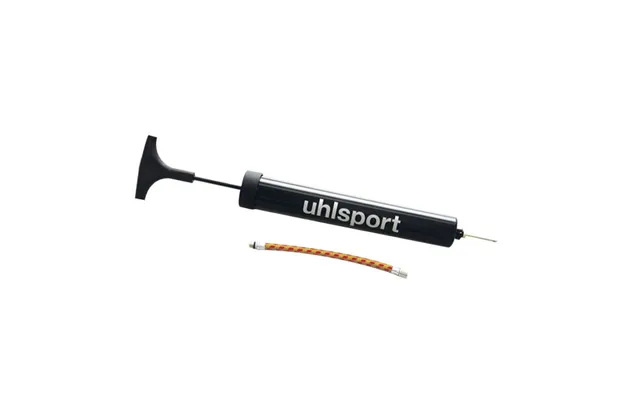
Hand pumps are the classic choice: simple, affordable, and easy to repair. You’ll find single-action hand pumps that push air only on the downstroke, and double-action versions that inflate on both strokes for faster inflation. They’re light, often under 2 pounds, and usually come with needle adapters for footballs and basketballs.
Electric pumps have changed the game if you value speed and convenience. Rechargeable models run on batteries or include a plug-in adapter and can inflate multiple balls without you breaking a sweat. They’re perfect for clubs or teams where dozens of balls need topping up before training. Expect sizes that fit in a small bag — roughly the size of a paperback book — and look for models that list PSI control so you can be precise.
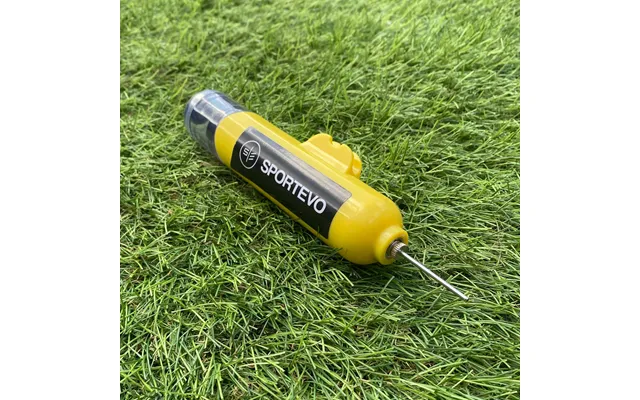
Mini pumps are designed for portability. They’re often pocket-sized or fit easily in a kit bag and are great for on-the-go adjustments during matches. Battery-powered minis can be a lifesaver when you don’t have access to mains power; just make sure you carry a charger or spare batteries.
Foot pumps use your body weight and are an efficient hands-free way to inflate equipment. Larger electric compressors handle heavy-duty jobs and multiple balls quickly, but they’re bulkier and usually best for clubs or school teams rather than individual players.
A pump is only as useful as the adapters it comes with. Standard metal needles fit footballs, rugby balls, and basketballs, but some small inflatable toys or training aids need thin adapters. Look for pumps that include spare needles — they bend or break more often than you think — and adapters for Presta and Schrader valves if you plan to use the pump for bike tyres too.
A built-in pressure gauge is worth its weight in gold. Pressure is measured in PSI, and different balls have recommended ranges: basketballs around 7.5–8.5 psi, American footballs around 12.5–13.5 psi, and soccer balls commonly between 8.5–15.5 psi depending on size and brand. Digital gauges give faster, more accurate readings than analogue dials, so if precision matters to you, prioritize models with digital PSI readouts.
If you’re carrying your pump to training, weight and size matter. Most hand pumps weigh less than 2 pounds and are around 12–16 inches long — compact enough to stash in a boot or kit bag. Electric models vary, but look for ones with integrated handles or compact cases if you plan to transport them frequently.
Hand pumps remain the go-to for many players and grassroots coaches. They’re inexpensive, almost indestructible, and often come with a needle and small pressure gauge. If you want a no-frills, always-ready option that fits in a kit bag without fuss, a classic hand pump is a smart pick.
Double-action hand pumps inflate quicker than single-action types because they push air in on both strokes. They’re ideal when you need to inflate several balls before a session and don’t have access to power. These typically include longer hoses and a larger barrel for faster airflow, cutting down pump time significantly.
Rechargeable electric pumps are perfect for teams or any setting where time is money. They usually offer adjustable PSI settings and automatic shut-off when the target pressure is reached. While pricier than manual pumps, their speed, consistency, and ease of use make them a favorite for serious coaches and clubs.
Battery-powered mini pumps give you mobility without sacrificing performance. They’re great for touch-ups during games and often include LED lights and multiple adapters. Keep an eye on run-time and charge time: longer battery life means fewer interruptions and more reliable performance on match day.
For clubs and schools, foot pumps or electric compressors are pragmatic choices. They can inflate a batch of balls quickly and reduce user fatigue. These units are larger and heavier — often several pounds — but they pay off when you’re prepping an entire team’s worth of equipment.
Soccer balls commonly recommend anywhere from about 8.5 to 15.5 psi depending on the ball size and model. A standard adult-size ball (Size 5) typically falls in the range of 8.5–15.5 psi; check the ball’s stamp for the manufacturer’s suggested range. Use a pump with a needle adapter and a gauge to reach the sweet spot for consistent bounce.
Basketballs normally need around 7.5–8.5 psi for a good bounce and proper handling. Slightly underinflated balls feel soft and slow, while overinflated balls can be too bouncy and harder to control. A digital gauge will help you dial it in exactly, especially if you’re preparing for competitive play.
American footballs usually sit at 12.5–13.5 psi. That narrower range means precision matters. Many competitive leagues check pressure before games, so having a pump with a reliable gauge is essential to match regulations and avoid surprises.
Volleyballs are typically softer, often around 4.3–8.5 psi depending on the type. Training balls, medicine balls, and small rebounders have different needs — always consult the ball itself for manufacturer recommendations and use an appropriate adapter to protect the valve.
Keeping your pump in top shape is mostly common sense: clean the needle and wipe the barrel after use, store it away from extreme heat or cold, and replace needles if they bend. If your pump has a removable hose, check the threading for wear before each season. For electric models, keep the battery charged and avoid leaving it fully discharged for long stretches; that helps prolong battery life and ensures your pump is ready when you need it.
If you’re managing multiple balls, speed, consistency, and durability are the priorities. Choose an electric or high-capacity compressor with PSI control and automatic shut-off. You’ll want spare needles and replacement parts ready, plus a compact case to keep everything neat between sessions.
For most casual players a sturdy hand pump or small electric pump is perfect. Aim for a model with a gauge and a couple of spare needles. It’s a balance of cost, convenience, and reliability — you don’t need the most expensive unit, just one that won’t let you down on match day.
When portability matters, go for a lightweight hand pump or a battery-powered mini. These fit easily into a kit bag or weekend backpack, weigh under a few pounds, and give you enough power to keep a ball game-ready without hauling heavy equipment around.
Needles are inexpensive but fragile — always carry spares. A small hard case protects needles and adapters, and keeps them from getting lost in the bottom of your bag. A case also helps you keep seals and valve repair patches in one place so you can fix minor leaks on the go.
Some pumps come with iffy built-in gauges, so investing in a separate digital pressure gauge can be a smart move. They’re compact, give fast readings in psi, and help ensure accuracy when competitive rules demand strict pressure control.
Valve repair kits are handy for fixing leaks on many inflatable items. They include valve replacements, patches, and small tools, and are a must for coaches, referees, or serious players who want to save a ball from being tossed out due to a faulty valve.
Thinking green? Manual pumps use no electricity and have a very low environmental footprint. Rechargeables are more energy-efficient than disposable batteries, so if you choose an electric model, pick one with a rechargeable battery and a long cycle life. Also consider the repairability of the pump — models with replaceable needles, gaskets, and hoses last longer and create less waste.
Ball pump prices vary widely. Simple hand pumps are the most budget-friendly and can be found for a few pounds, while high-end electric compressors with digital controls will cost more but deliver speed and precision. Think about how often you’ll use the pump: a pricier rechargeable model may pay for itself in time saved during season prep, while casual players usually do fine with a robust hand pump.
Don’t overinflate your balls just to avoid checking them often — overinflation can damage seams and change play characteristics. Always check the ball’s stamped PSI recommendation, carry spare needles, and test any new pump on an older ball first to get a feel for how fast it inflates. When assessing a pump, read user reviews and look for comments about gauge accuracy and durability.
Choosing the right ball pump is about matching the tool to how you play. Whether you need a lightweight hand pump for weekend kickabouts, a rechargeable electric model for team training, or a portable battery mini for travel, there’s an option that will keep your balls at the right pressure and your games running smoothly. Focus on needles, gauges, portability, and build quality — and carry a couple of spares. A good pump is a small investment that keeps practice consistent and results predictable, and that’s a winning play every time.
| Ball Pumps | Price | |
|---|---|---|
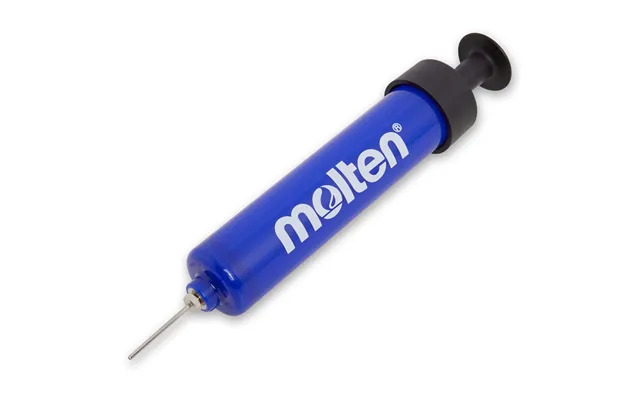
| Molten Air Hand Pump | £ 9,99 | |
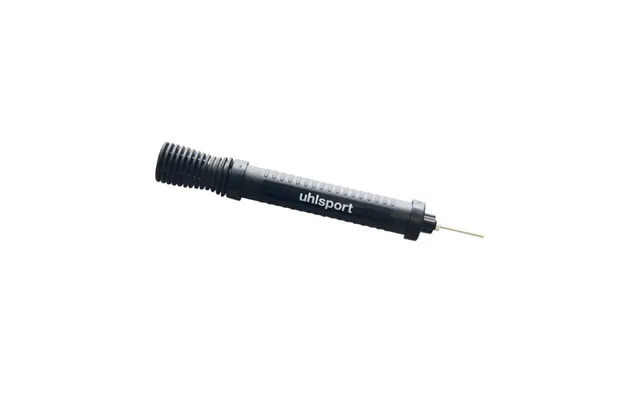
| Uhlsport Two Way Ball Pump | £ 15,99 | |
| Uhlsport Metal Ball Pump - Large | £ 15,99 | |
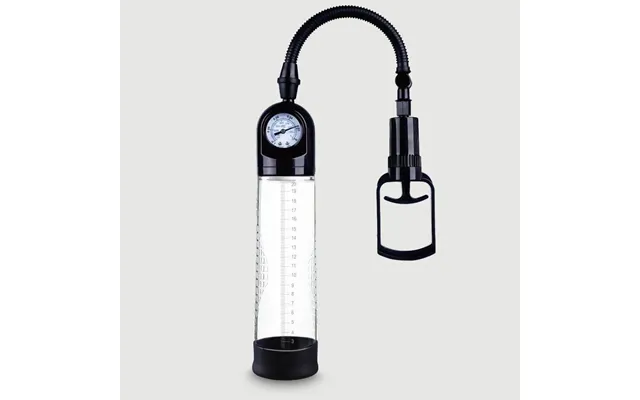
| Sexopolis Male Beginner's Penis Pump With Handle & Gauge - Transparent | £ 21,- |


