

Rugby Gloves price list
Last updated Monday, 19 Oct 2026





Loading...
Last updated Monday, 19 Oct 2026
Ever watched a pass slip through a player's hands on a wet afternoon and thought, "That could have been avoided"? Rugby gloves do more than just keep your hands warm — they improve grip, protect your palms and knuckles, and give you confidence when catching under pressure. Whether you’re a winger sprinting down the sideline or a flanker making a crunching tackle, the right pair of gloves can be the difference between a game-winning play and a missed opportunity.
Not all rugby gloves are created equal. Some are built for sticky grip in rainy conditions, others for padding during contact, and some are hybrids for everyday training. Choosing the right type depends on your position, playing conditions, and personal preference — kind of like picking the right cleats for mud or grass.
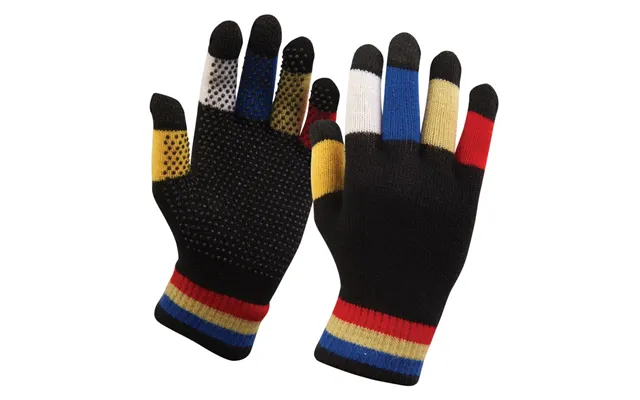
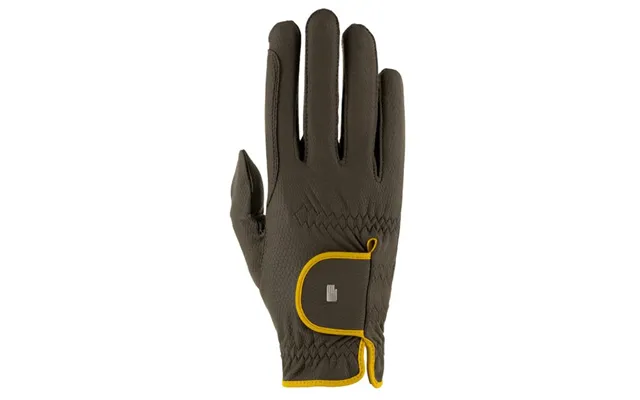
These gloves focus on tacky palms and finger surfaces made from silicone or latex to help you hold on to the ball, especially in wet weather. They’re lightweight and often worn by backs who catch and pass frequently. Think of grip gloves as your sticky tape for handling: subtle but incredibly useful.
For forwards and players who frequently engage in contact, padded gloves offer extra protection on the knuckles, back of hand, and sometimes across the palm. They absorb some impact during rucks and tackles, reducing bruises and abrasions. These gloves trade a little dexterity for safety — a fair compromise if you’re in the thick of things.
Training gloves are built to withstand repetitive use and often have tougher materials on stress points; match gloves are lighter and engineered for maximum feel and ball control. Many players keep a pair of each — like having a reliable drill sergeant for practice and a sleek performer for game day.
When shopping, look for features that align with how you play. The best gloves balance grip, protection, fit, and breathability so you stay comfortable and confident from the first whistle to the last.
Grip surfaces vary from sticky silicone dots to full latex palms. Silicone tends to be durable and offers consistent tackiness, while latex can provide a more natural feel at the expense of longevity in abrasive training. If you play in rainy conditions often, choose a glove with proven tacky performance — like a sticky palm that feels like Velcro for the ball.
A snug fit is critical: too loose and the glove bunches up; too tight and it restricts circulation. Measure around the widest part of your hand (excluding the thumb) in inches to find the right size. As a general guide: XS fits about 6–7 inches, S fits 7–8 inches, M fits 8–9 inches, L fits 9–10 inches, and XL fits 10–11 inches. Remember, different brands run differently, so check each maker’s sizing notes before you commit.
Padding can vary from thin foam panels to thick rubber patches. The most effective padding protects the knuckles and the back of the hand without covering the palm too much, since palm coverage can reduce feel. Consider where you usually take contact and choose padding accordingly — like adding armour where you get hit most often.
Look for gloves with mesh or perforations on the fingers and back of hand to keep sweat under control. Lightweight gloves will give you better hand speed and feel, while more substantial gloves offer protection at the cost of a little dexterity. If your gloves weigh more than a few ounces, you’ll notice the difference by the end of a long match.
Certain brands have built reputations in rugby for quality and innovation. You don’t need every logo in your kit, but knowing which makers focus on grip, protection, or value helps narrow the field and find something that matches your game style.
Gilbert is synonymous with rugby equipment and makes a wide range of gloves that are popular across levels. Their gloves often combine good grip with modest padding, making them a favourite among players who want reliable performance without fuss. If you want proven heritage and solid construction, this brand is worth a look.
Canterbury produces gloves that typically focus on fit and ergonomic design, making them comfortable for long sessions. Their line-up often includes both lightweight grip gloves and more protective training versions. Consider them if you value a refined fit and modern materials.
Rhino is known for tough training gear, and their gloves reflect that durability. These are the boots-and-shoulder pads of gloves — built to take punishment. They’re a strong choice for forwards and academy players who need gear that can survive the grind of daily training.
Cross-sport brands bring high-tech fabrics and ergonomics into rugby gloves, often focusing on breathability and stretch. If you prefer modern fabrics that wick sweat and move with your hand, look at these makers’ rugby-specific offerings or versatile football gloves adapted for rugby.
Getting the size right is more than comfort — it affects your grip and ball control. Use a tape measure and follow these simple steps to find your best fit, like tailoring a glove to your game.
Wrap a measuring tape around the widest part of your hand — where your knuckles are — in inches. Don’t include your thumb. That measurement gives you the baseline size. If you’re between sizes, choose the smaller size for a snug fit or the larger for comfort, depending on the glove’s stretch.
When possible, flex your hand, simulate passing, and squeeze a rugby ball while wearing the glove. Look for minimal bunching at the fingers and a secure wrist closure. If the glove slips when you close your hand, it will slip on the field too.
Your position dictates the priorities for your gloves. A prop’s needs are different to a scrum-half’s, and choosing accordingly can give you a competitive edge — like wearing the right tool for a job.
Backs typically prefer thin, tacky gloves that enhance ball feel and passing precision. A lightweight glove with a full-grip palm and minimal padding helps you catch and offload at pace without the glove getting in the way.
Forwards need gloves that can take knocks and protect against cuts and bruises in rucks. A glove with reinforced knuckle padding and a tougher palm fabric will last longer through repetitive contact and provide the resilience you need.
Good gloves can last a season or longer if you look after them. Think of maintenance like a tune-up — a little care extends life and performance.
Hand-wash gloves in cool water with mild detergent and avoid bleach. Rinse thoroughly and reshape on a flat surface. Air dry away from direct heat or sunlight — heat can warp rubbery grip surfaces. Never put gloves in a clothes dryer unless the manufacturer explicitly says it’s safe.
Store gloves flat or laid over a rounded surface to keep shape. Avoid folding at the fingers for long periods. Replace gloves when the grip surface becomes smooth or the padding compresses — a worn glove is almost worse than none, because it betrays you at a crucial moment.
You don’t need to break the bank for decent gloves, but understanding the trade-offs helps you buy smarter. Budget models give value; premium models bring enhanced materials and precise fit.
Lower-priced gloves are great for beginners and training because they offer basic grip and protection for a fraction of the cost. They may use simpler materials and have shorter lifespans, but they’re perfect if you want to try gloves without a big commitment.
Premium gloves use higher-grade grip materials, better stitching, and more thoughtful ergonomic design — translating to improved ball control and durability. For a regular club player, that investment pays off in consistent performance and fewer replacements.
Buying gloves isn’t complicated, but a few mistakes keep popping up. Avoid them and you’ll save money and frustration.
Many players pick the size that “looks right” rather than measuring. This leads to gloves that bunch, slip, or choke circulation. Measure in inches and follow size charts to avoid disappointment.
It’s tempting to pick gloves because they look cool, but a flashy design with poor grip is a liability. Form should follow function: look for features that match how you play.
Try multiple pairs if you can, and mimic game motions when testing. If buying online, read detailed reviews that mention weather performance and longevity, and check the seller’s sizing recommendations. Think of the purchase as an investment in performance, not just gear.
When possible, visit a shop and try gloves on with a rugby ball. The difference between a “maybe” fit and a perfect fit becomes clear when you make a few passes and catches.
Keep one pair for training and another for matches. Training gloves take the daily beating so your match gloves stay fresh for game day. It’s like saving your best shoes for the big night.
Use this quick checklist to avoid buyer’s remorse: measure your hand in inches, pick gloves suited to your position, prioritize fit and grip, check the material and padding, and read reviews about durability. When in doubt, lean towards a slightly snug fit and choose a reputable brand.
Choosing the right rugby gloves means balancing feel, protection, and durability to match how you play. With the right pair, you’ll handle pressure plays with more confidence and read the game like a pro. Treat gloves as a small but essential part of your kit — they quietly help you make the plays everyone remembers.
Conclusion: A great pair of rugby gloves is like a good coach — behind the scenes, helping you perform better. Whether you want a sticky palm for slick weather, padded protection for rucks, or durable training gloves to survive season after season, there’s a match for your needs. Measure in inches, try on multiple pairs, and balance budget with quality to find gloves that feel like a second skin.