

Rugby - Other price list
Last updated Saturday, 10 Oct 2026



View 6 Offers



Loading...
Last updated Saturday, 10 Oct 2026
Picking the right rugby gear isn’t just about looking good on the pitch — it’s about performance, comfort, and staying in the game longer. The right ball, boots, and protection can shave seconds off your sprint, add yards to your passing, and reduce the risk of an injury that sidelines you for weeks. Think of your kit like a good toolbox: when each piece fits its purpose, the job gets done faster and with less strain.
Rugby balls are surprisingly nuanced. Size 5 is the standard for adults, while juniors play with smaller size 4 or 3 balls. Most modern balls come in synthetic leather or composite materials that balance grip, flight stability, and durability. If you’re practicing in wet conditions, look for enhanced grip textures — they make all the difference when mud glues your hands to the ball.
Match balls are engineered for consistent flight and balance; they often cost more and are used in official games. Training balls are tougher and more forgiving — they can be banged around in drills, kicked into bushes, and survive repeated use. If you play weekly and train twice a week, invest in one match ball and two training balls to rotate and prolong life.
Keep your balls at the recommended pressure (most adult match balls are around 14–16 oz when fully inflated), never overinflate, and avoid storing them against heaters or in direct sunlight. A small hand pump and a simple pressure gauge are cheap buys that prevent flat plays and bursting moments at kickoff.
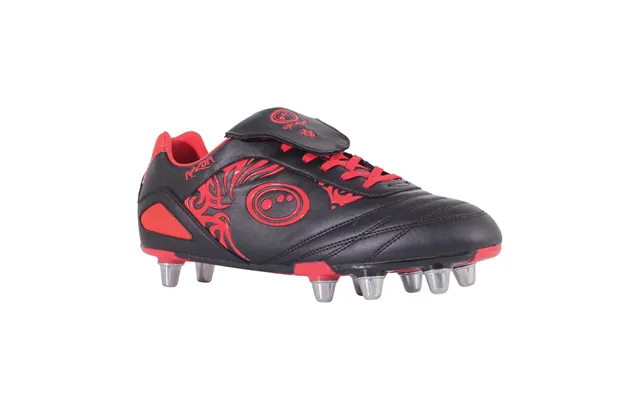
Boots are where comfort meets traction. Choose boots that match your position and pitch conditions: backs often prefer lighter, low-profile boots for speed, while forwards pick heavier, reinforced boots for stability in scrums and rucks. Pay attention to fit — feet swell during play, so a snug but not tight fit keeps blisters at bay.
Studs can be molded or screw-in. Moulded studs are great for firm, dry pitches and low maintenance; screw-in studs let you tune traction for soft, wet ground. A typical screw-in stud might be about 0.5 to 0.75 inches longer than a molded stud to dig into soft soil. Always match your stud length to the weather to avoid slips and twisted ankles.
Try boots with the socks you’ll wear in matches and allow about a thumb’s width of space in the toe. Break them in with short training sessions before match day. For players with wide feet, look for brands that offer wider lasts or synthetic uppers that stretch without losing shape.
Rugby is a collision sport — protection is essential. A well-fitted mouthguard is the first line of defense against dental and jaw injuries. Headgear and lightweight shoulder pads won't stop every impact, but they reduce cuts, abrasions, and some soft-tissue trauma. Think of protective kit as shock absorbers on a car: they won't prevent every bump, but they reduce the jolt.
There are three main types: stock (cheap, generic), boil-and-bite (moldable with hot water), and custom-fitted (made by a professional). If you play regularly, a boil-and-bite is a cost-effective upgrade. For elite players, a custom mouthguard offers the best fit and comfort, usually weighing only a few ounces but saving serious trouble later.
Headgear reduces cuts and cauliflower ears and can slightly soften impacts without being a concussion cure. Choose lightweight, breathable materials and ensure the straps don’t cause chafing. Most headgear should feel snug but not squeeze, and it’s common to remove it in intense heat to avoid overheating.
Structured training gear makes practice smarter and safer. Tackle bags, shield pads, and scrum machines simulate contact and help technique without the chaos of full collisions. For clubs and schools, investing in a couple of durable tackle bags and a portable scrum machine can dramatically improve sessions and reduce injury risk.
If your team travels or has limited space, portable tackle pads, foldable scrum machines, and cone sets are lifesavers. Look for weather-resistant fabrics and reinforced stitching — those extra dollars pay off when equipment survives a rainy season and still looks good at every away training session.
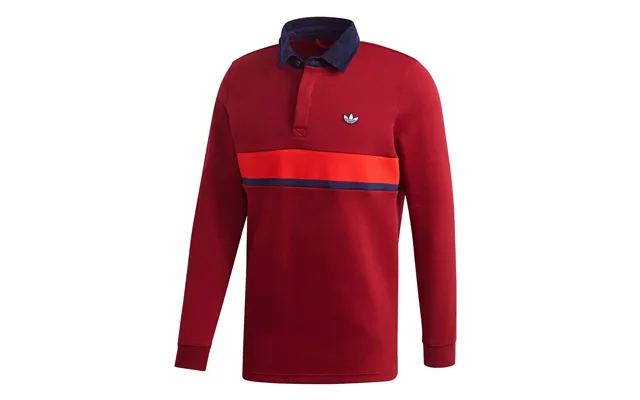
Rugby clothing ranges from performance base layers to rugged training shorts. Moisture-wicking shirts and thermal base layers keep you warm without weighing you down, especially in winter matches. Don’t forget practical accessories like heavy-duty ankle tape, comfortable socks, and a tough boot bag that protects your kit between games.
Socks should be long and tight enough to stay up during play — loose socks lead to adjustments mid-match. Athletic tape comes in handy for ankles and fingers; pick tape that sticks well in wet weather. Compression shorts with a built-in cup pocket are useful for additional protection for positions that see frequent contact.
Kiddie rugby gear focuses on protection and proper fit. Younger players need lighter balls, softer tackle drills, and age-appropriate boots. Keeping young players safe is about more than kit — coaching technique and limiting full-contact sessions for younger age groups make a bigger difference than the fanciest gear.
For ages under 12, start with size 3 or 4 balls, soft headgear if used, and molded studs rather than screw-in types. Ensure mouthguards fit properly — a loose mouthguard is almost useless. For teen players moving up, gradually introduce adult-size equipment while monitoring comfort and fit to avoid injuries from oversized kit.
Some brands consistently deliver quality: Gilbert is renowned for balls, adidas and Canterbury make durable kits and boots, while Under Armour offers modern base layers and training wear. Each brand has strengths — Gilbert for precision balls, Canterbury for rugged teamwear, adidas for style and versatility. Comparing features across brands helps you match gear to your needs without overpaying.
adidas often blends performance and fashion, making it a go-to for backs who want speed and look; Gilbert focuses on match-grade balls and club essentials; Canterbury is synonymous with hard-wearing fabrics for forwards; Under Armour specializes in compression wear and training layers. Look for user reviews and specification comparisons when you’re ready to buy.
Deals pop up all the time, and comparing across retailers is the smartest move. Use a comparison site to scan multiple retailers at once, spot price drops, and filter by brand, size, and condition (new vs clearance). This saves time and helps you find the exact boot model or ball finish you prefer at a better price.
Best times to buy are usually at the end of season, Black Friday, and around major tournaments when retailers discount to clear stock. Off-season months often have flash sales, and student discounts can give extra savings if you’re in college or coaching at a university club.
Maintenance is where true savings come from. Clean your boots and kit after every play; mud and salt can eat fabrics and leather. Deflate balls slightly for storage to prevent seam stress. Treat synthetic leather with a light conditioner for a longer lifespan, and repair small tears early before they become match-ending disasters.
Store kit in a dry, ventilated spot away from direct heat. Use a boot brush to remove dried mud and let boots air-dry naturally — stuffing socks inside boots helps keep shape. Machine-wash jerseys on a gentle cycle and air-dry to prevent shrinking and fabric wear. Small rituals like rinsing masks and headgear after training extend their usable life by months or years.
Deciding when to spend more is personal. If you’re a weekend player, mid-range gear often gives the best value: decent durability without breaking the bank. If you play in competitive leagues or want tech advantages like lighter boots or custom mouthguards, premium gear pays off in performance and comfort. Think of budget vs premium as renting vs owning — sometimes a rental is fine, but owning the right tool changes the game.
Choosing the right rugby gear is about matching your needs to the product: match balls for precision, durable training balls for sessions, boots tuned to pitch conditions, and protective gear that fits snugly without limiting movement. Compare brands, check seasonal sales, and keep gear well-maintained to stretch every pound further. If you shop smart and prioritize fit and function, you’ll feel the difference in every tackle, pass, and sprint.