

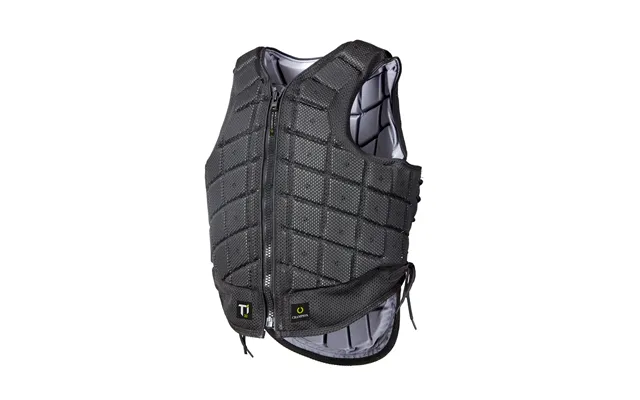
Rugby Protective Gear price list
Last updated Monday, 19 Oct 2026
| Rugby Protective Gear | Price |
|---|---|
| Champion Titanium Ti22 Body Protector - Black Adult Xs Tall | £191.00 |




Loading...
Last updated Monday, 19 Oct 2026
| Rugby Protective Gear | Price |
|---|---|
| Champion Titanium Ti22 Body Protector - Black Adult Xs Tall | £191.00 |
Rugby is fast, physical, and brilliant — but it’s also tough on the body. Whether you’re a hooker dropping into a scrum or a winger racing down the touchline, the right protective gear can make the difference between finishing a match strong and sitting out the next one. Protective equipment reduces impact, prevents cuts and abrasions, and helps manage repetitive stresses. Think of your gear as a second skin: lightweight, flexible, and ready to absorb the knocks so you can play your best game.
There’s a lot to choose from, and every position has different demands. Below I break down the must-have items and a few optional extras that serious players often rely on. I’ll explain what they do, when to use them, and what to look for in each product.
Scrum caps protect the ears and reduce the risk of cauliflower ear and superficial head cuts. They’re not a substitute for a helmet, but they help cushion blows and keep hair and skin from ripping. Look for caps with breathable mesh, padding that’s about 0.25–0.5 inches thick, and a snug fit — usually measured by head circumference in inches. A good cap feels like a close-fitting hat that stays put, even in a heavy ruck.
Modern rugby shoulder pads are slim, flexible, and designed to absorb hits without restricting your tackle technique. They typically cover the chest, ribs, and shoulders with foam panels ranging from 0.5 to 1 inch in density. Impact vests add torso protection for inside centers or forwards who take a lot of direct contact. Make sure pads allow full arm movement and don’t add unnecessary bulk; if they inhibit your pass or tackle, they’re doing more harm than good.
If you buy only one piece of protective gear, make it a mouthguard. A properly fitted mouthguard protects teeth, reduces concussion risk by absorbing shock, and stabilizes the jaw. You can choose from boil-and-bite models or custom-fitted dental guards. Custom guards cost more but generally offer better comfort and protection. Measure jaw size in inches or consult your dentist for a perfect fit.
Footwear is crucial. Rugby studs (or cleats) provide traction for scrums, rucks, and sudden direction changes. On natural grass you might use longer studs — commonly 0.5 to 0.75 inches for soft ground — while shorter studs of 0.25 to 0.5 inches work better on firm ground. Replaceable studs let you adapt to different pitch conditions. Make sure footwear supports your ankles and matches your playing style: lightweight for backs, sturdier for forwards.
Tape, braces, or sleeves can prevent sprains and provide stability after an injury. Compression sleeves and hinges are measured in inches for circumference — check the label and pick a snug fit without cutting circulation. Ankle braces can fit under a boot or over it, depending on the design. If you’ve had a past ligament injury, a brace with a stabilizing frame can save you from a setback.
Tapeless gloves are rare in rugby, but finger taping is common — it protects joints and supports fractures or sprains on-field. I recommend cohesive sports tape that sticks to itself, not to skin, and you should check the length in inches to make sure you have enough for multiple fingers. Grip-enhancing gloves are uncommon in traditional rugby, but some training gloves can help when you’re working on catching in wet weather.
Shin guards are more common in sports like soccer, but some rugby players opt for low-profile shin protection in training, especially when doing repeated kicking or sliding drills. If you choose shin guards, look for slim models that don’t interfere with boot fit and measure no more than a couple inches thick. For forwards who may take high-impact collisions to the legs, padded tights with integrated protection are an option.
Fit is everything. Protective gear that’s too loose shifts and fails to protect, while gear that’s too tight chafes and limits movement. Measure carefully in inches: head circumference for scrum caps, chest and waist for vests and pads, and foot length and width for boots. Always consult the manufacturer’s sizing chart and, if you’re buying online, read user reviews for real-world sizing tips. If in doubt, try a size that lets you move fully; a snug fit that allows one finger to slide between the pad and skin is usually safe.
Manufacturers use advanced foams, breathable meshes, and moisture-wicking fabrics to keep gear light and effective. EVA foam and closed-cell foams are common in pads and caps for their energy-absorbing properties. Moisture-wicking liners keep sweat off your skin and reduce chafing, while reinforced stitching prevents seams from splitting under stress. Anti-microbial treatments help reduce odors, and removable liners make gear easier to clean. When shopping, think about short-term comfort and long-term durability.
Caring for your kit extends its life and keeps it performing the way it should. Rinse mouthguards with cool water and store them in a ventilated case. Air-dry shoulder pads and scrum caps after use to prevent mildew — don’t put foam-based items in a hot dryer, as heat can break down cushioning. Check studs before each match and tighten or replace them if they’re loose. Inspect seams, straps, and padding monthly for signs of wear. If foam compresses or splits, replace the item — safety shouldn’t wait.
Certain brands dominate rugby protective gear thanks to a history in the sport and a track record of testing on real players. Below are brands and the types of products they’re best known for — consider them starting points when comparing options online.
Canterbury has long been associated with rugby basics: robust shoulder pads, durable scrum caps, and range of mouthguards. Their gear tends to focus on durability and classic design. If you want something tried-and-tested for club-level play, Canterbury is a good place to start. Look for pads with reinforced stitching and scrum caps with close mesh for breathability.
Gilbert is famous for balls, but they also make mouthguards, lightweight headgear, and padded shirts. Their mouthguards often come in boil-and-bite or custom-fit formats, and their studs-compatible boots pair well with performance-focused players. If you want gear with a lineage to professional play, Gilbert is a solid bet.
Rhino is known for tackling shields and protective training gear, but their shoulder pads and impact vests are popular among forwards. Rhino often emphasizes heavy-duty materials for frequent training sessions. If your sessions involve repeated contact and you need gear that won’t degrade quickly, check Rhino’s range.
Regional brands like Kukri and Macron offer modern, lighter-weight options with a good balance of price and performance. These brands often innovate in fabrics and fit, producing breathable, form-fitting vests and caps ideal for players who want minimal bulk and maximal mobility.
How much should you spend? A beginner’s mouthguard can cost under $10, while professional custom guards can be $100 or more. Shoulder pads range from budget models around $30 to premium padded shirts over $150. You don’t always need top-tier gear — for youth or casual players, affordable, well-reviewed basics are fine. For senior competitive players, investing in higher-quality, longer-lasting items often pays off in comfort and durability. Prioritize mouthguard and boots first, then allocate remaining budget to pads and braces.
Comparison sites make it easy to see prices across retailers, but there are a few things to watch for. Check product dimensions and sizing charts in inches, read real-user reviews for comments about fit, and look for clear photos showing padding thickness and fastening systems. Confirm whether studs are replaceable and whether the mouthguard is boil-and-bite or custom-fit. Use filters to compare materials like EVA foam or mesh lining, and always check warranty or guarantee details if available.
Before adding anything to your cart, run through this mental checklist: Is the fit measured in inches and does it match your measurements? Does the gear allow full range of motion? Is the padding density or stud length suitable for your position and playing surfaces? Can you clean the item easily and is there a clear warranty? If you can answer “yes” to these, you’re likely picking a solid piece of kit that’ll keep you protected and playing confidently.
Your position should shape what you prioritize. Forwards should invest in durable shoulder pads, stud-friendly boots, and ankle support for scrums. Backs will benefit from lighter, more agile studs, slim shoulder protection, and a well-fitted mouthguard that doesn’t hamper breathing. Hookers and props often prefer thicker shoulder protection and reinforced caps for repeated scrum contact. Wingers and fullbacks might prioritize lightweight boots and flexible padding that won’t slow their top speed.
When buying for kids, choose gear with extra padding and adjustable fits to grow a season or two. Youth mouthguards should be checked frequently as teeth change, and headgear should never be oversized. Lightweight, breathable fabrics help younger players stay comfortable and willing to wear their kit — compliance is half the battle when it comes to safety.
Don’t buy the biggest size thinking it’ll last longer — oversized gear moves and fails to protect. Avoid cheap, no-name mouthguards that don’t conform to your teeth; they can cause soreness and may not protect effectively. Finally, don’t neglect footwear: good studs can transform your game by improving stability and reducing lower-leg injuries.
If you’re building a kit, here’s a practical starter list: a trusted mouthguard, a pair of rugby studs or boots suited to your pitches, a scrum cap if you’re often in heavy contact, basic shoulder pads if you’re a forward, and ankle tape or braces as needed. Add training-specific items like padded shorts or impact vests if you play multiple sessions per week. Start small, then upgrade pieces that wear fastest or feel least comfortable.
Rugby protective gear doesn’t have to be complicated. With the right choices and a little maintenance, you’ll reduce risk, improve comfort, and get more from every session. Treat your gear like part of your training — pick it carefully, keep it clean, and replace it when it’s no longer doing its job. Ready to tackle safer?
Conclusion: Choosing the right rugby protective gear is about balance — protection without restriction, durability without unnecessary weight, and a fit that feels like part of you on the pitch. Use this guide as a roadmap: measure in inches, compare features, and prioritize mouthguards and footwear. With the right setup, you’ll play harder and recover faster.