

Soccer Goal Accessories price list
Last updated Monday, 19 Oct 2026


View 14 Offers
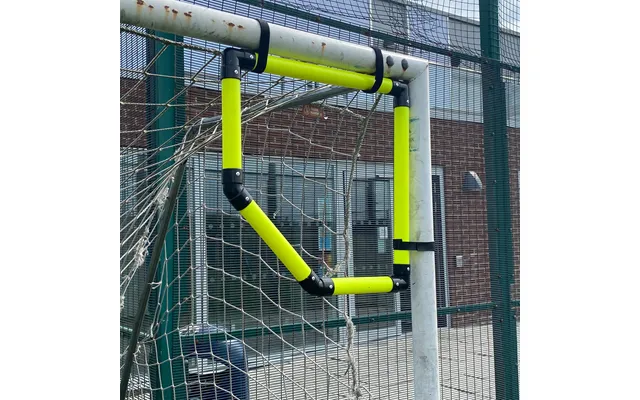
Loading...
Last updated Monday, 19 Oct 2026
If you love the game, you know a goal isn't just two posts and a crossbar — it's a performance ecosystem. The right soccer goal accessories can make practice safer, matches cleaner, and lifespan longer. Think of accessories as the unsung supporting cast that keeps the show running: nets that don’t sag, anchors that stop goals from tipping, and training aids that sharpen finishing. In this guide I’ll walk you through the essentials, share practical buying tips, and help you choose gear that fits your goals — literally and figuratively.
There’s a surprising variety of extras available for soccer goals, from simple net clips to full replacement nets designed for heavy competition use. Below I break down the most common accessories, what they do, and why you might need them.
Nets are the most visible accessory and the first to wear out. You’ll find a range of materials — polyethylene, polypropylene, and nylon — each with different UV and abrasion resistance. Full-size nets for adult goals are typically designed for 8 ft high by 24 ft wide frames, while youth goals commonly come in smaller sizes like 6 ft by 18 ft. For backyard practice, portable goals can have nets as small as 3 ft by 5 ft. Pay attention to mesh size and twine thickness: tighter mesh and thicker twine last longer but may cost more.
Anchors are essential for safety. A full-size goal can weigh relatively little but presents a large surface area to wind; a gust can tip a goal and cause serious injury. Ground stakes and U-shaped anchors, typically 10–18 inches long, keep the frame secure in turf or soft ground. For turf fields or hard surfaces, consider sandbags or weighted anchors that can add dozens of pounds of stability without damaging the playing surface.
Padding wraps around posts and crossbars to reduce injury when players collide with the frame. You’ll find foam sleeves and thicker vinyl-padded options designed to withstand outdoor conditions. Protective covers for storage prevent sun and rain damage when goals are stored for months at a time.
These small parts are surprisingly important. Net clips and plastic ties attach nets to the frame cleanly and prevent sagging; bungee cords provide some give when the ball hits hard, reducing stress on the net knots. Keep an extra set of clips or replacement bungee cords in your kit — they’re cheap but will save you a frustrating practice when something snaps.
Even the best nets can get a tear. Repair kits typically include patches, twine, and a simple needle for reweaving. Having spare twine in a heavier gauge is especially handy for mending high-wear areas such as the corners where crossbar, post and net converge.
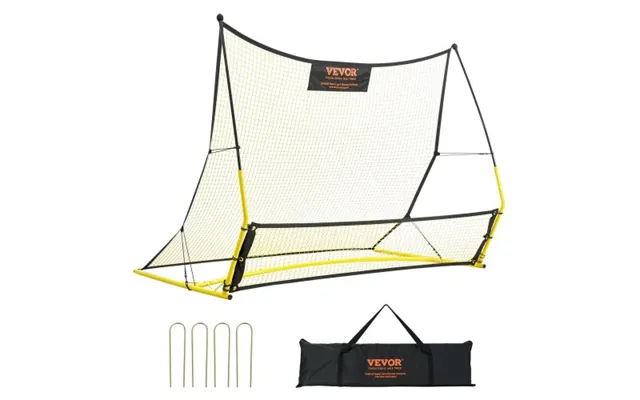
Portable or pop-up goals are great for casual play and training sessions. Look for carry bags that are reinforced with padded straps and compartments for stakes and repair kits. Some bags have ventilated panels that help wet nets dry quicker, which prevents mildew and prolongs life.
Your choice depends on where and how you play. A coach running drills on hard ground has different priorities than a family buying a backyard goal for weekend games. Here’s how to match accessories to needs.
Always match nets and clips to the specific dimensions of your frame. A full-size net (8 ft x 24 ft) won’t fit a youth frame, and using oversized ties can leave gaps that increase wear. Portable goals often have proprietary attachment systems — check compatibility before you buy replacement nets.
Think long term: UV-treated polyethylene is a good all-round choice for outdoor goals because it resists sun degradation. Nylon is softer and may be easier to repair, but it can stretch when wet. For high-use community pitches where durability matters most, opt for thicker twine and reinforced knotting.
If you move goals frequently, choose lighter frames but invest in robust anchors and sandbags. For permanent or semi-permanent installations, heavier frames with ground anchors are ideal, even if they’re less portable. It’s a trade-off between convenience and safety.
Weatherproofing makes a huge difference in how long accessories last. Look for rust-resistant metal parts, UV-treated plastics, and washable fabrics. When winter comes, store nets dry and out of direct sunlight; a breathable cover prevents mildew and preserves padding.
Installing and maintaining accessories is easy if you follow a routine. A little preventative care goes a long way in avoiding replacement costs and keeping the goal safe for players.
Start by attaching the net at the top center of the crossbar and work your way out. Use clips or ties spaced evenly to avoid sagging. If the net comes with a kick-back system or bungee connectors, test them by striking the net with a ball to ensure even tension.
For soft ground, use U-stakes or heavy-duty screw-in anchors that are at least 12 inches deep. On artificial turf, avoid long metal stakes and instead use sandbags or weighted anchor plates that distribute force without damaging the surface. Always check local field regulations if you’re anchoring on a public pitch.
Every season: inspect nets for fraying, test all clips and ties, wash nets if they’re grimy, and check padding for rips. Lubricate any moving parts on portable goals and store small accessories like clips and spare cord in a labeled bag so you don’t lose them between uses.
Small holes can be woven closed with a repair kit, while larger tears might need patching or a full net replacement. For DIY patching, trim loose twine before weaving to prevent larger tears. Reinforce high-stress corners with extra twine or a corner patch to delay wear.
Accessories that improve training sessions can translate directly to better match performance. Consider these pieces to level up drills and finishing practice.
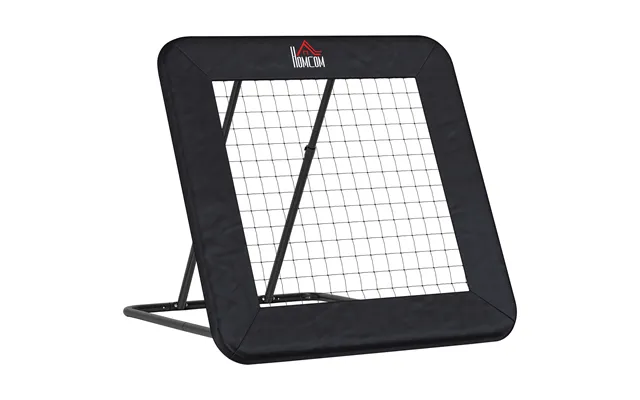
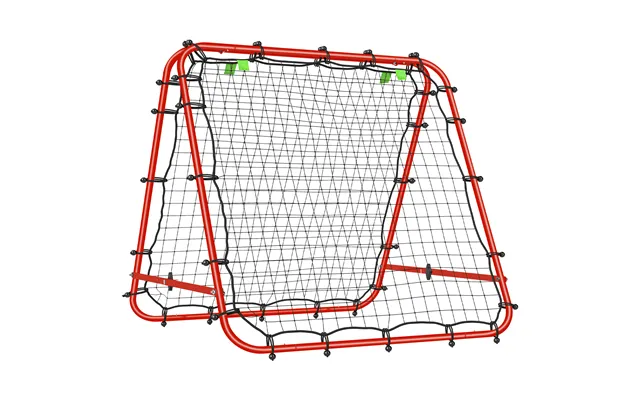
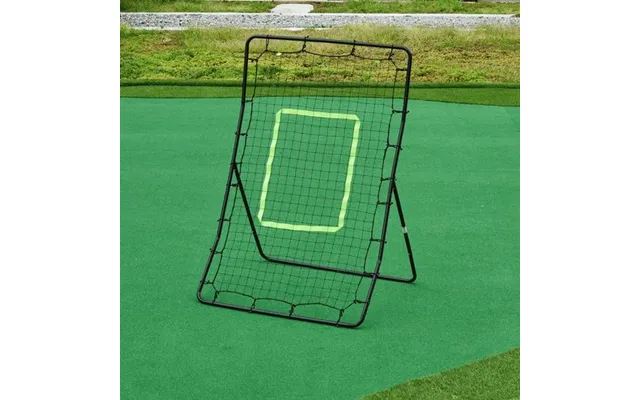
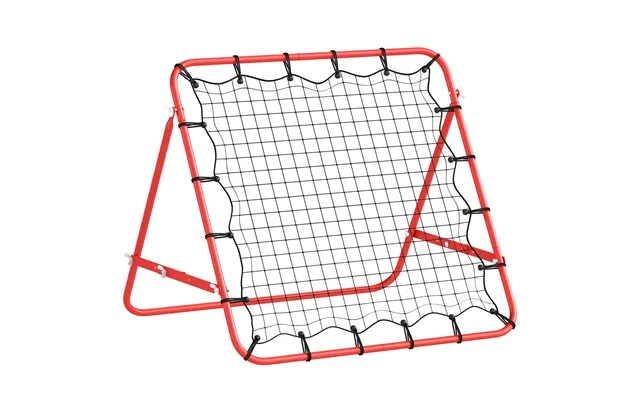
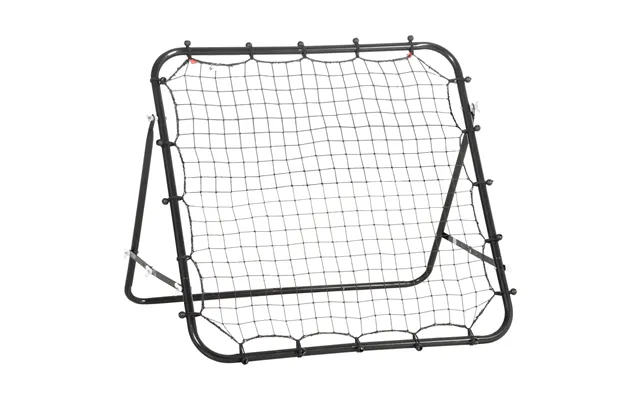
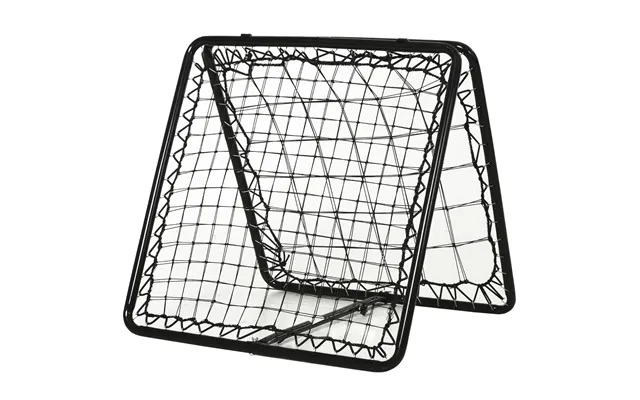
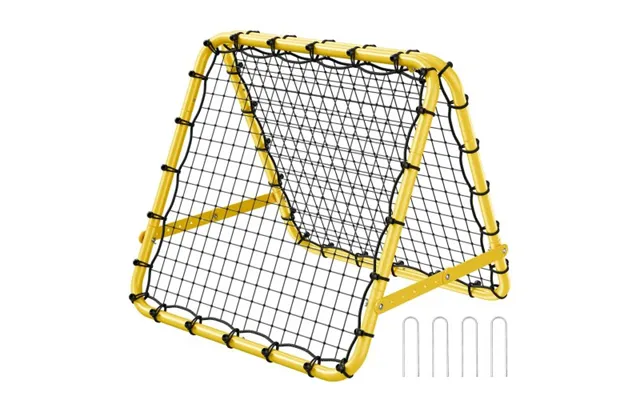
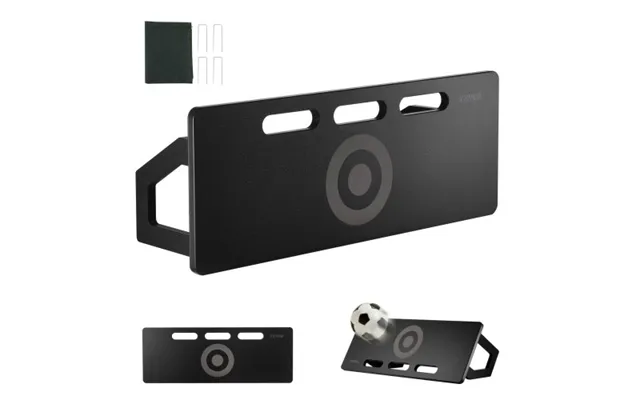
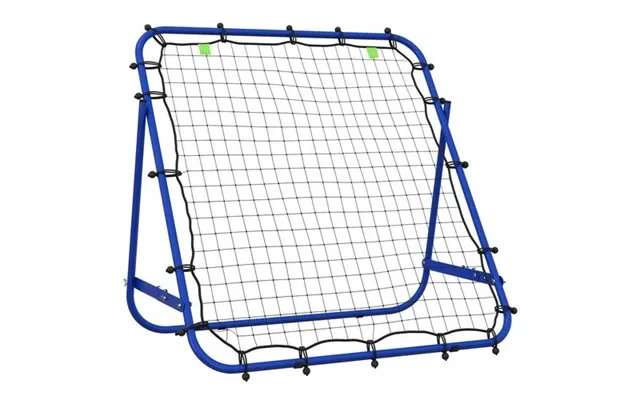
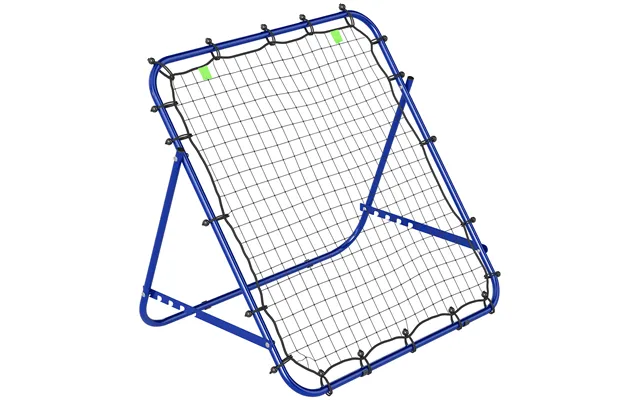
Rebounders (or kickback nets) are collapsible frames that return passes and shots, creating repetitive touches without a partner. Shooting targets attach inside the net or to the crossbar and encourage precision. Both are lightweight and typically fold down to fit inside a standard carry bag.
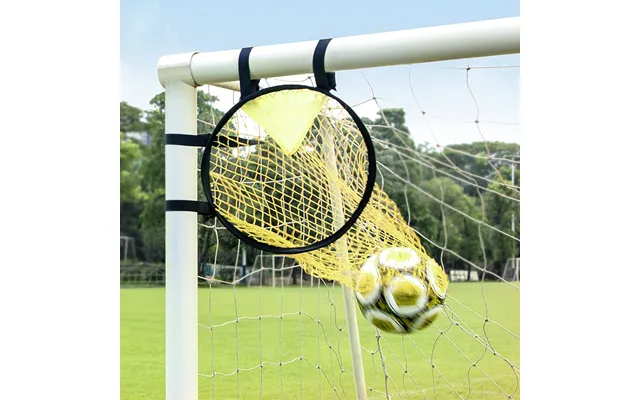
Pop-up targets are portable, easy to set up, and great for accuracy drills. Shoot-through nets with specific target pockets simulate scoring zones and help strikers practice placement. These tools are especially useful for small-group training or backyard practice.
Although not strictly goal accessories, cones and poles are indispensable for warm-ups and finishing drills that lead into shooting at goals. Lightweight, collapsible poles are easy to transport and set up with a portable goal for dynamic training sessions.
Safety should be at the top of your list. A well-anchored, correctly padded goal reduces the risk of injuries dramatically. Here are practical measures that keep players safer.
Always anchor goals when they’re in use. For youth games, double-check anchors between periods or after significant wind. Portable goals should never be left unattended when kids are playing around them — unsecured goals can be a tipping hazard.
Pad the parts of the frame that players are likely to hit — vertical posts, the crossbar, and corners. Make sure padding is attached tightly and inspected for tears on a weekly basis if the goal sees heavy use.
Some leagues and rental fields have specific rules about anchoring methods and padding. Before installing anything permanent, check local regulations or league requirements. Proper compliance keeps your team safe and avoids fines or game cancellations.
Comparison shopping saves time and money. Treat goal accessories like parts of a system: compatibility, durability, and warranty matter more than brand alone. Here are practical tips to compare like a pro.
A cheap net that needs replacing every season won’t save you money long-term. Look for warranties on nets and anchors, and inspect knot quality and material specifications. A longer warranty usually signals confidence from the manufacturer.
Seek out reviews from coaches, park managers, and frequent users rather than one-off buyers. Real-use reviews reveal how accessories perform under constant practice loads, in all weather and over time.
Always verify that replacement nets fit your frame and that clips match the post diameter. For portable goals, check how the net attaches — some use Velcro while others rely on proprietary hooks. Buying the wrong attachment system often means additional purchases down the line.
If you want quick buying options, consider bundles that pair the most-needed accessories: a weatherproof net with heavy-duty anchors and a repair kit; or a portable goal plus carry bag and rebounder. Bundles can provide better value than buying pieces individually and ensure compatibility.
For families and casual players, look for affordable nets paired with a basic set of stakes and a lightweight carry bag. These bundles get you playing quickly without breaking the bank, and they’re ideal for occasional backyard use.
Clubs should invest in heavy-duty nets, screw-in anchors or weighted plates, and multiple repair kits to handle ongoing use. Premium bundles usually include UV-treated nets and reinforced corners to withstand season-after-season abuse.
You can find accessories at specialty sports shops, general sporting chains, and online marketplaces. Comparison shopping helps you spot deals, but always confirm fit and return options before purchasing. Look for clear specs (dimensions, material, and anchor type) and customer images that show real installations.
Soccer goal accessories are small investments with big returns: improved safety, longer equipment life, and better practice quality. Whether you’re a parent setting up a backyard goal, a coach equipping a training ground, or a club manager maintaining match-ready frames, choosing the right nets, anchors, padding, and training gear makes all the difference. Keep compatibility, material quality, and weatherproofing front of mind, and don’t skimp on anchors — that’s where safety lives. With the right mix of accessories, your goals will perform reliably through wind, rain, and a season’s worth of shots.