All categories
Business & Offices
Electronics & Media
Fashion & Accessories
Groceries & Essentials
Health & Personal Care
Home & Living
Kids & Family
Sports & Outdoors
Search in ZoneOffer

Loading...
Think of soccer as a fast-moving chess match played at full speed — except the pieces are humans and the stakes include knees, shins, and smiles. Protective gear isn’t just for the cautious or injury-prone player; it’s the difference between a full season and watching from the sidelines. The right equipment protects you from tackles, collisions, awkward falls, and the everyday wear-and-tear that adds up over time. Whether you’re playing a Sunday league match or training three nights a week, investing in proper gear pays off in confidence and comfort.
Not every player needs a full kit of heavy-duty protection, but there are essentials every footballer should consider. From shin guards to goalkeeping gloves, these items are designed to reduce impact, prevent common injuries, and let you focus on the game. Below are the must-haves and how they help you perform one step better.
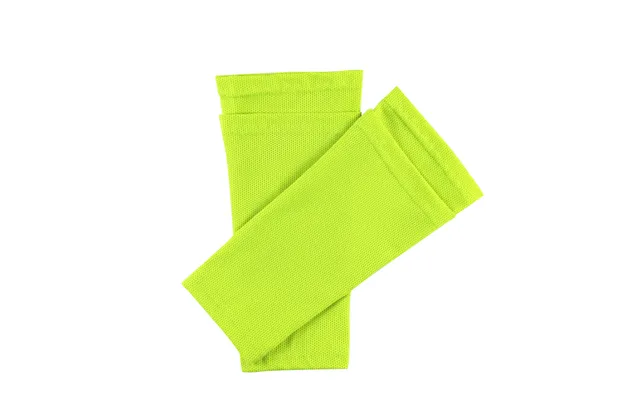
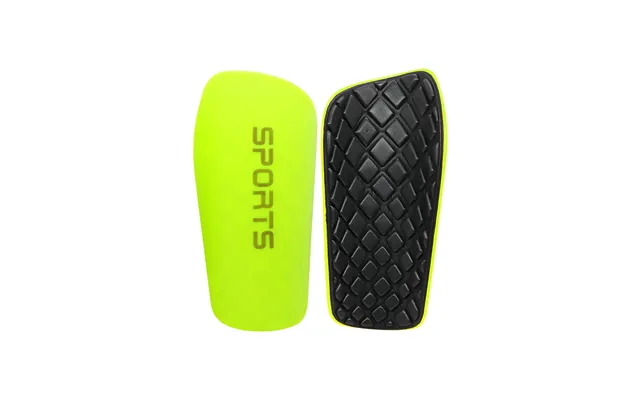
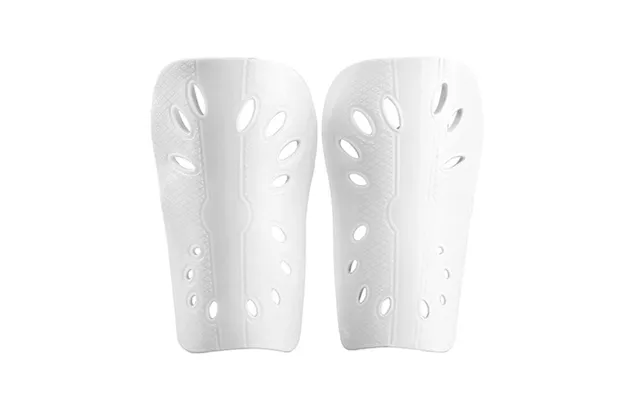
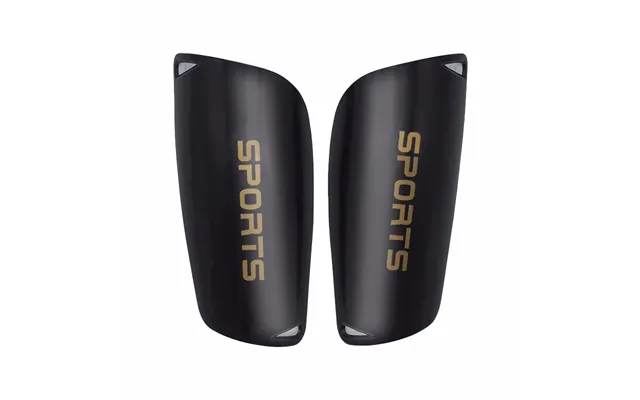
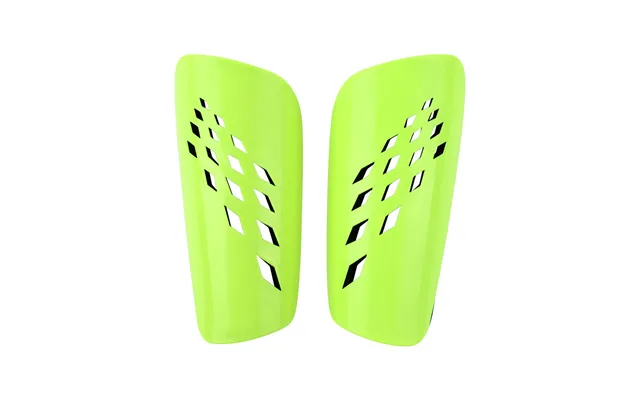
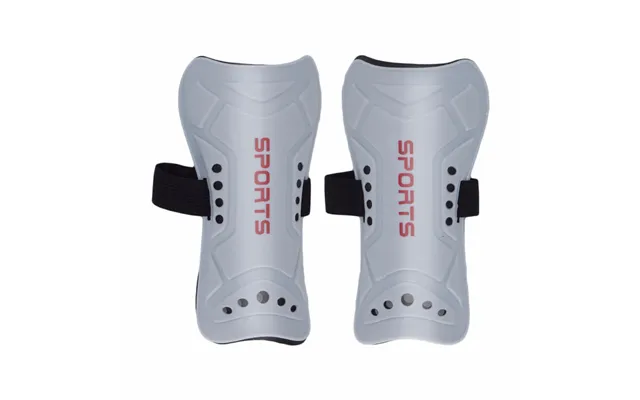
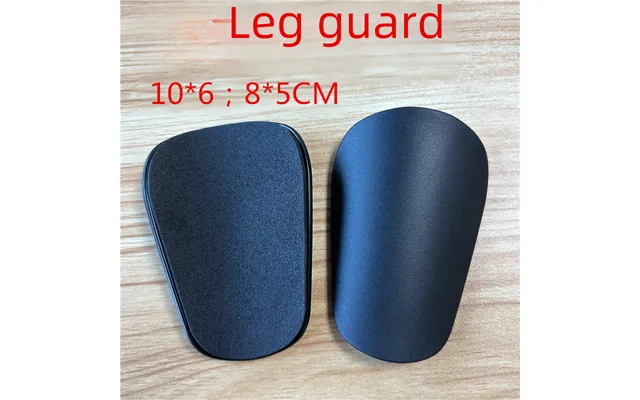
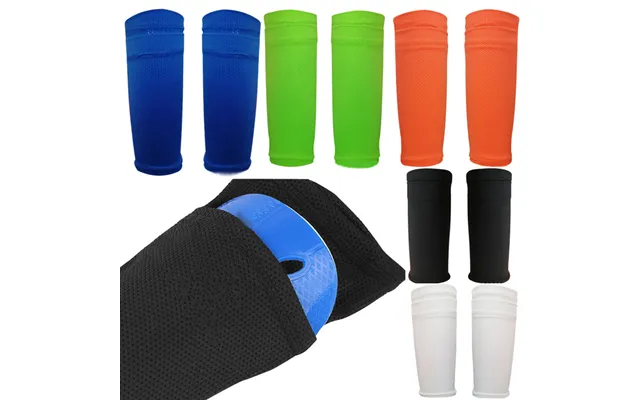
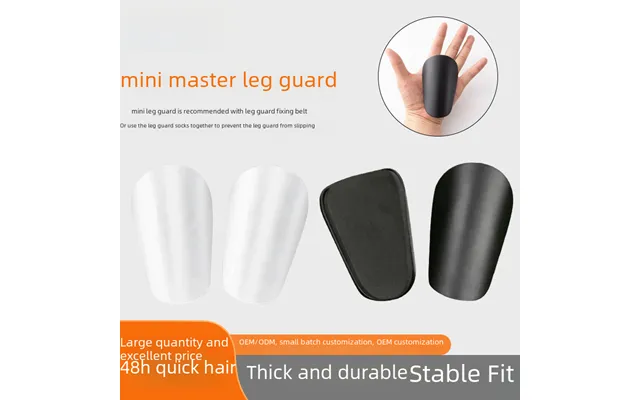
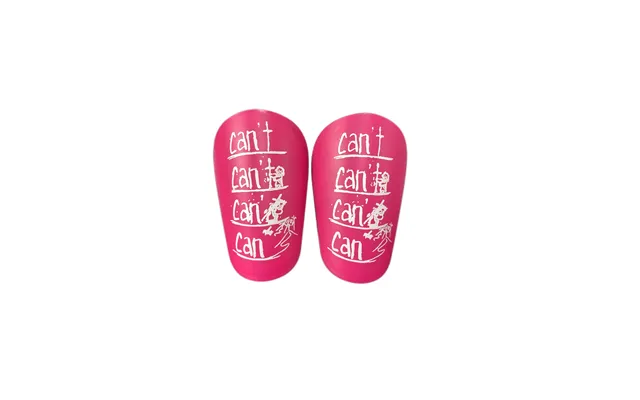
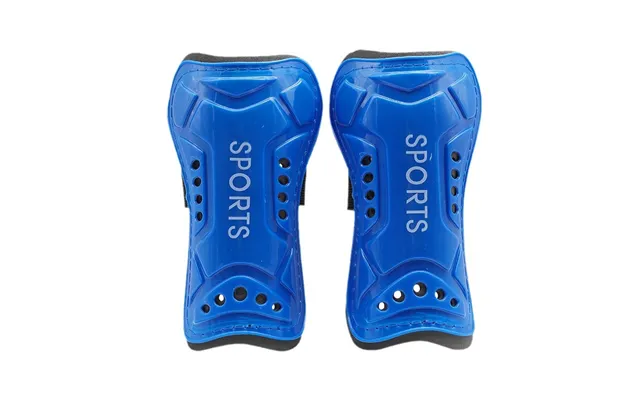
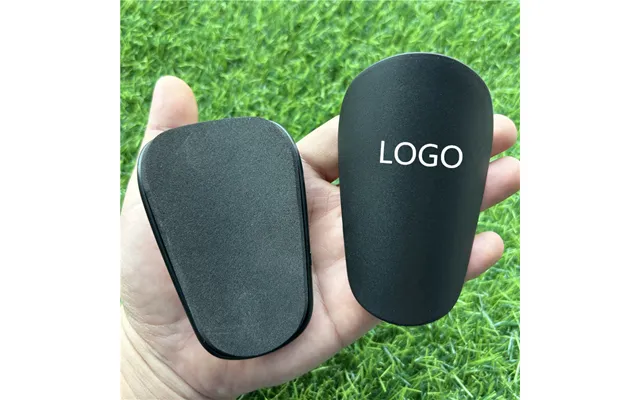
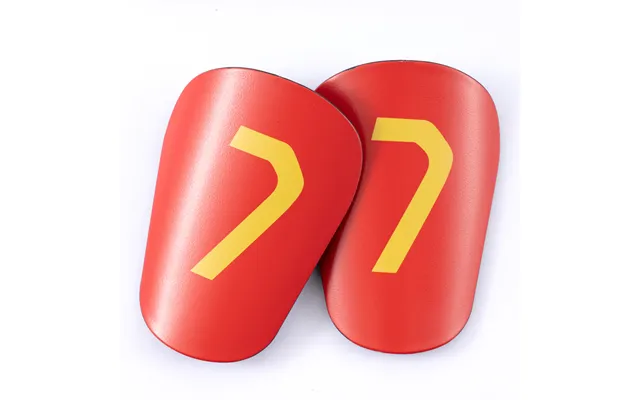
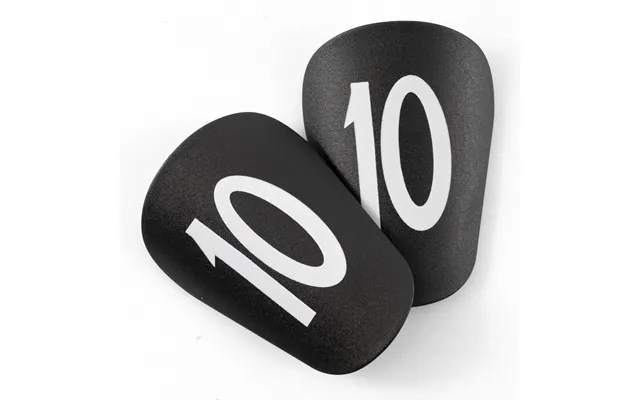
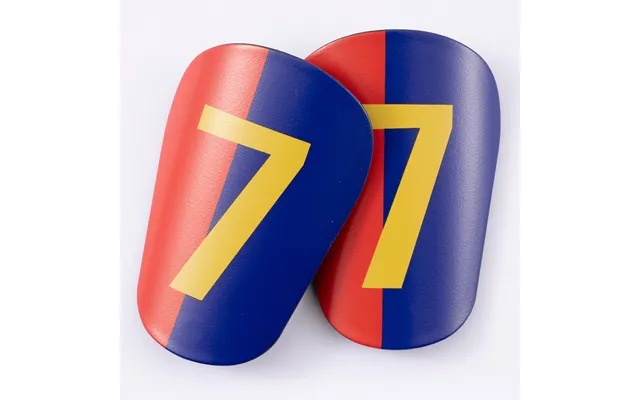
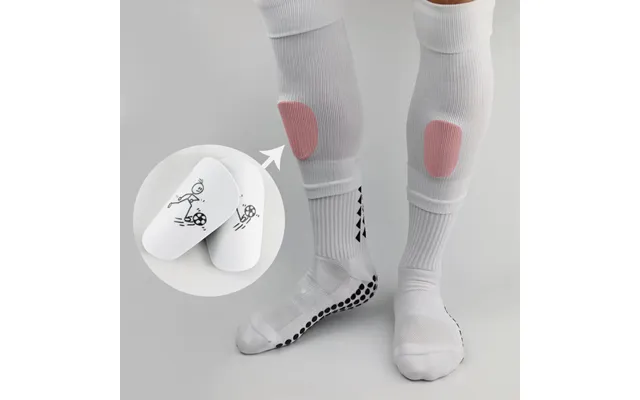
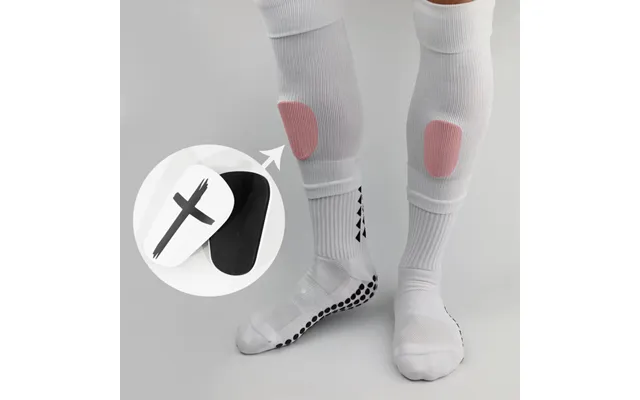
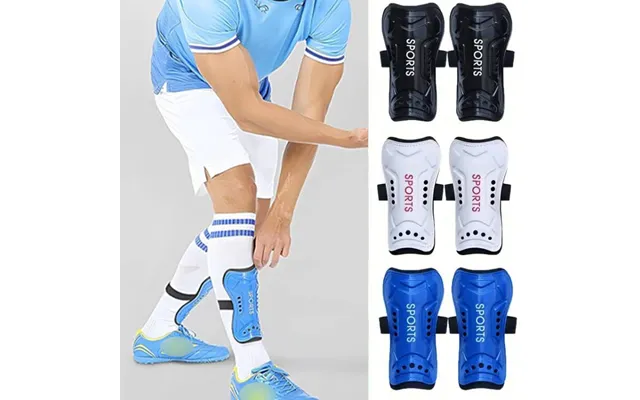
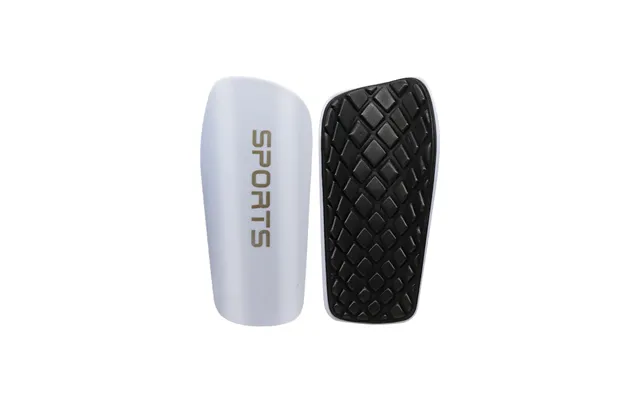
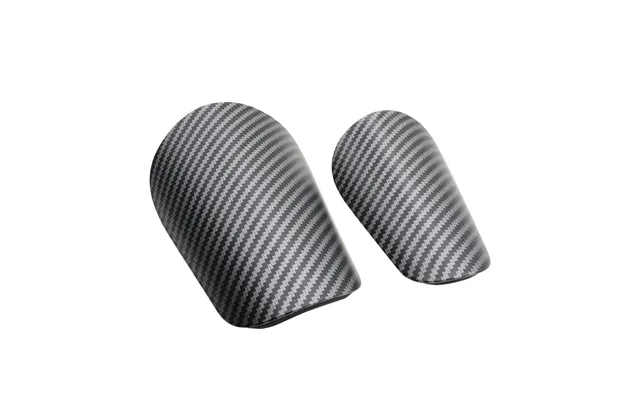
Shin guards are non-negotiable equipment for soccer. They come in two main styles: slip-in (sleeve-style) and ankle guards (with a built-in ankle protector). Slip-in guards are lighter and favored by attackers who prize mobility, while ankle guards add extra padding around the vulnerable ankle bone. When sizing, choose a guard that covers the area from about 2 inches below the knee to roughly 3 inches above the ankle — for most adults that’s a guard in the 9 to 11 inch range. Materials range from hard ABS plastic shells to flexible foam composites; hard shells disperse force well, while foam models are lighter and better for youth players.
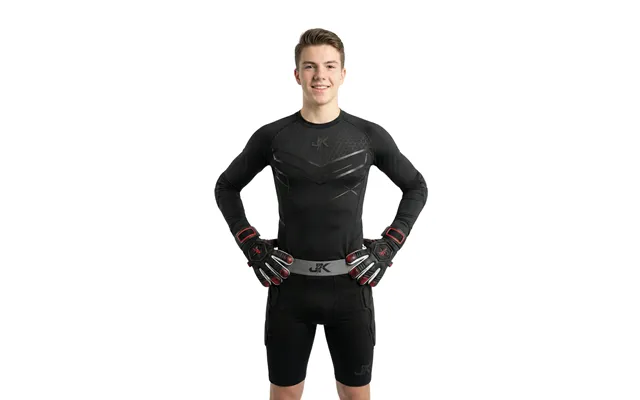
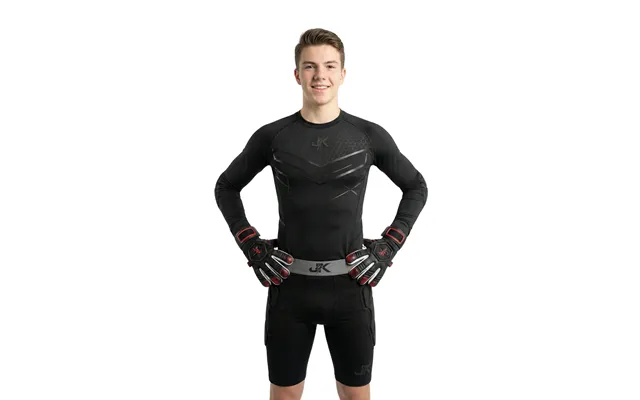
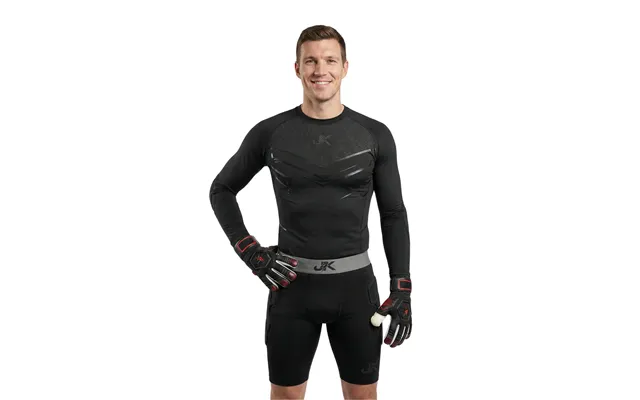
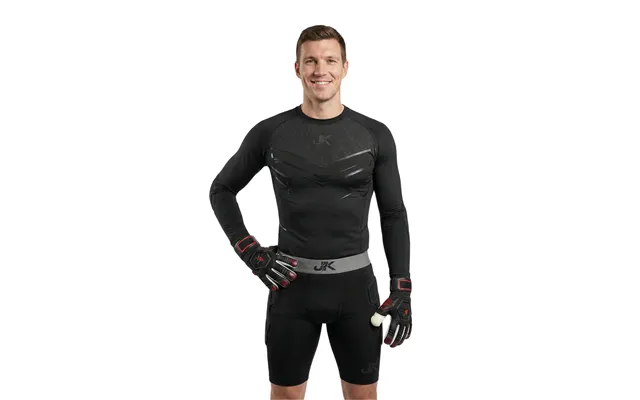
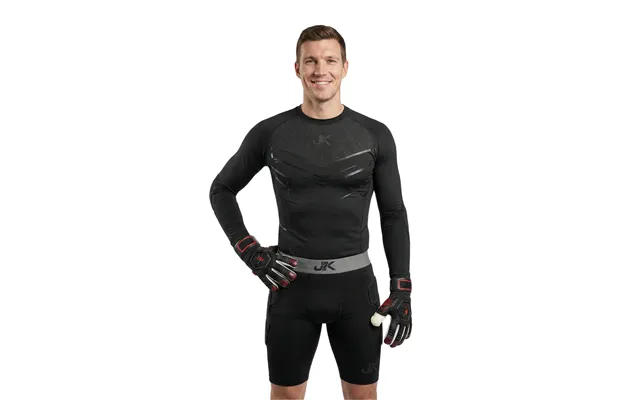
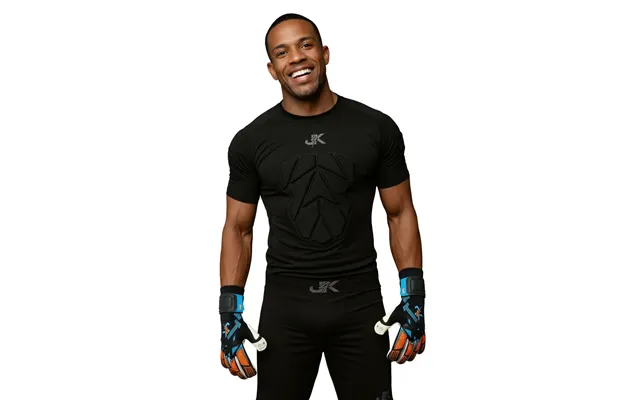
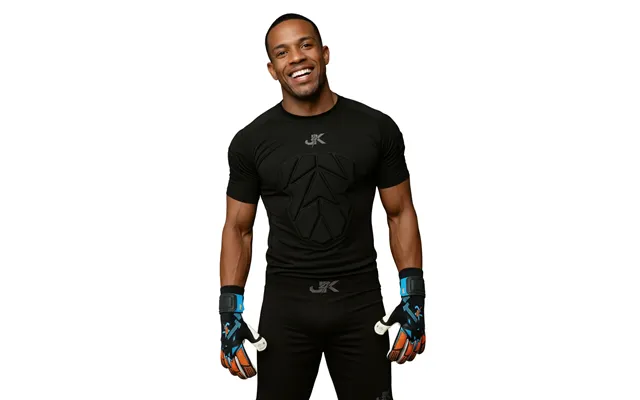
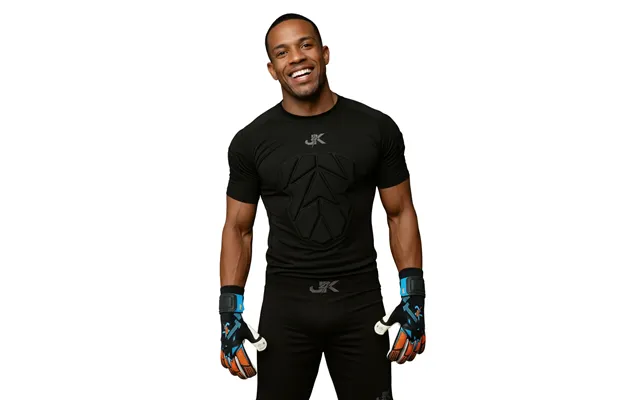
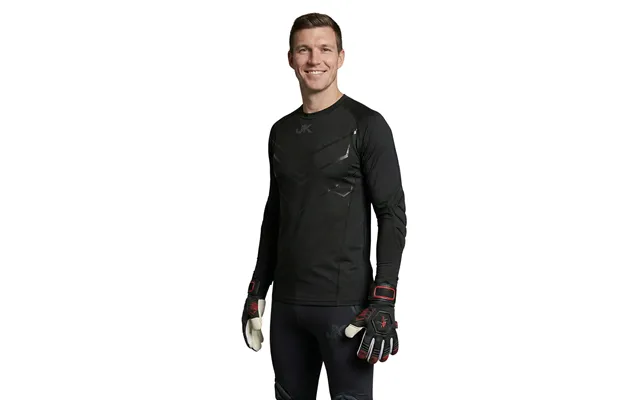
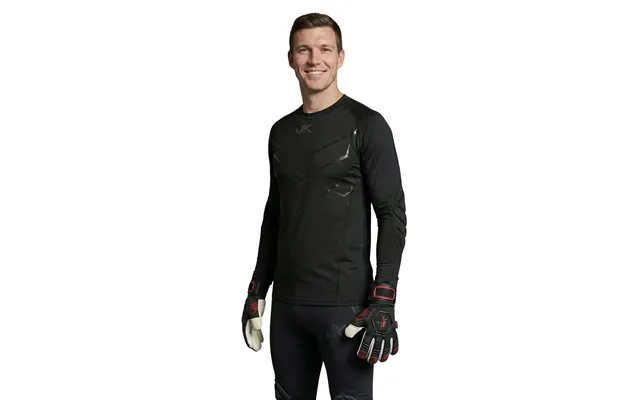
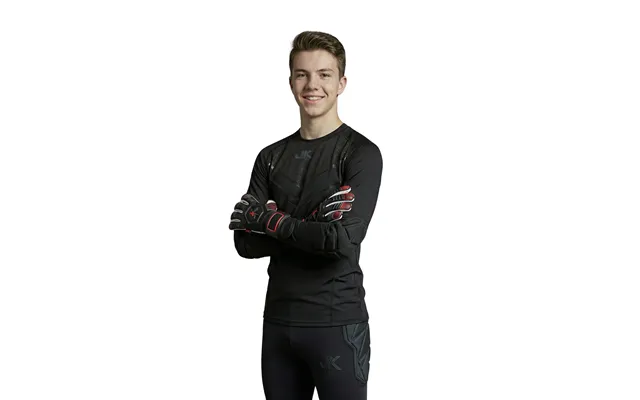
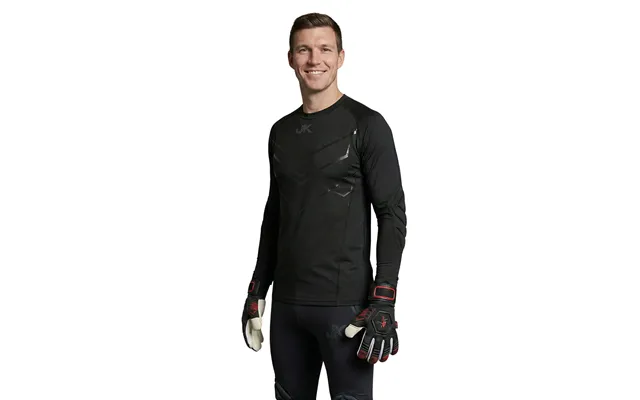
For keepers, gloves are as essential as boots are for strikers. Look for good palm grip, secure wrist closure, and the right cut for your catching style. Popular cuts include flat, roll finger, and negative cut; roll finger often gives a snug fit and better ball wrap, while negative cut feels tight and responsive. Many gloves include finger-saver spines to prevent hyperextension. Try a glove on and make sure the wrist strap holds firmly without cutting circulation — you want a secure fit that still allows quick hand movement.
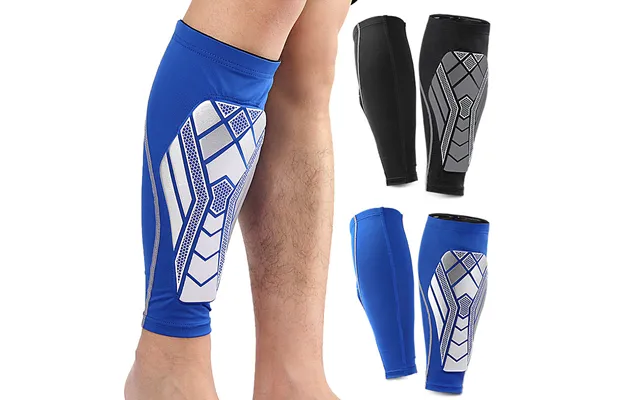
After shin guards, ankles are the next frequent casualty. Compression sleeves and ankle braces both stabilize the joint, but they serve slightly different jobs. Compression sleeves increase blood flow and reduce swelling, while braces (rigid or semi-rigid) limit harmful motion after a sprain. If you’ve had a prior ankle injury, a brace with adjustable straps provides better protection. Typical ankle sleeve sizes correlate to ankle circumference; a common adult range might be 7 to 10 inches. If in doubt, measure and choose a snug fit that still allows comfortable movement.
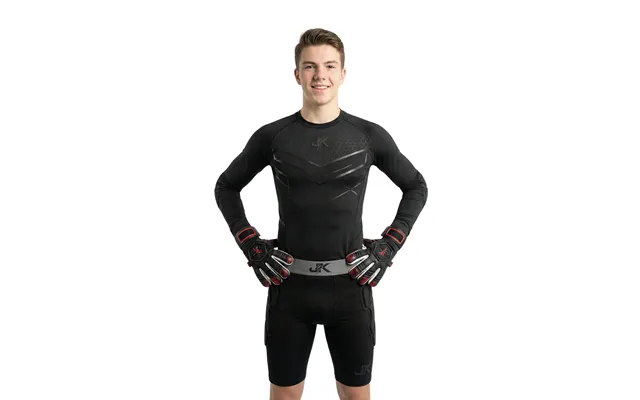
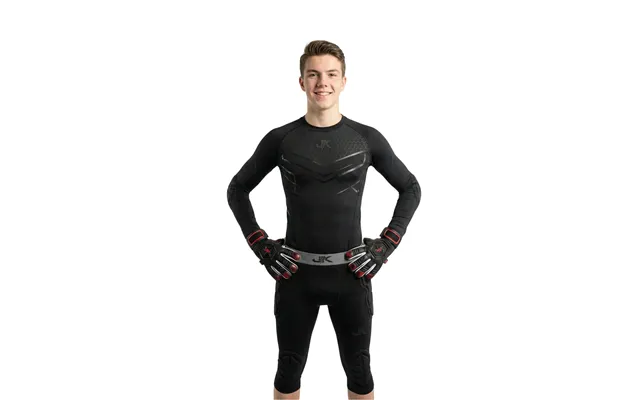
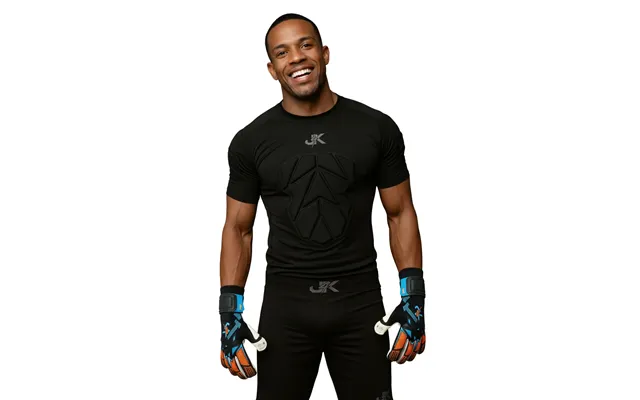
Midair collisions and hard tackles can bruise hips and tailbones, especially in congested penalty-box battles. Padded shorts and compression leggings with integrated foam or gel pads protect hips, thighs, and the tailbone. These are especially useful for midfielders who tackle often and for youth players learning how to fall safely. Look for breathable fabrics and pads that are thin enough to preserve mobility — most high-quality padded shorts add less than an inch of profile while absorbing impact.
Soccer might not be a full-contact sport by rules, but accidental elbows and head clashes happen. A fitted mouthguard protects teeth and can reduce the risk of jaw injuries, while soft headbands or padded skull caps reduce laceration and minor concussion risk for players prone to head contact. For youth leagues, a soft protective headband is an inexpensive way to add a layer of safety during scrimmages and tournaments.
Good soccer socks do more than look sharp — they keep shin guards in place and reduce friction between skin and boot. Consider socks with extra padding in the heel and toe if you play on harder turf. Cleats vary by surface: firm-ground studs for natural grass, turf shoes with many small nubs for artificial turf, and indoor flat-soled options for gym play. Accessories like lace protectors, boot traction inserts, and anti-blister socks all add small comfort gains that add up to better performance.
Position matters. A fullback often faces studs and tackles, so heavier shin guards and ankle braces make sense. Wingers prioritize speed and may opt for lighter slip-in guards and snug socks. Goalkeepers need gloves with excellent grip and palm cushioning, while defensive midfielders might prefer padded shorts and robust shin protection. Think of gear like a performance toolkit: choose the tools that suit your playing tasks.
Brand choice often comes down to fit, feel, and budget. Big names like Nike, Adidas, Puma, and Under Armour consistently produce quality shin guards and pads. Specialist brands such as Shock Doctor and G-Form focus on impact technology and padded protection, while Uhlsport and Reusch are known for goalkeeper gloves. If you’re after specific models, hunt for options labeled "Pro" or "Elite" for premium materials and "Core" or "Club" for solid budget choices. Comparison sites and product reviews can help you weigh durability versus price.
Wrong sizing undermines protection. For shin guards, measure from about 2 inches below your kneecap to your ankle to determine length — most adult guards fall between 9 and 11 inches. Ankle braces usually fit by ankle circumference; common adult ranges are 7 to 10 inches. For padded shorts, use waist measurements: small roughly 28–30 inches, medium 31–34 inches, large 35–38 inches. Boots are easier — stick with your regular shoe size, but try them on with the socks you’ll play in to ensure the right fit. A snug but comfortable fit beats anything too loose or restrictive.
Modern gear blends protection and breathability. Hard-shell shin guards use tough plastics like ABS to disperse force, while padded guards use layered foam or polymer gels for shock absorption. Compression fabrics often contain elastane for stretch and moisture-wicking fibers that pull sweat away from skin. In gloves, look for high-grip latex palms and reinforced stitching. For braces, lightweight carbon or nylon stays add support without bulk. The trick is finding items that protect yet let you move naturally.
Take care of your gear and it will take care of you. After each training session, air out cleats and gloves to prevent odor. Most fabric items can be hand-washed or put in a gentle machine cycle inside a mesh bag; avoid high heat when drying — sunlight or a shaded air-dry is best. Replace foam inserts and guards if they show cracking or permanent deformation; a shin guard that’s split or compressed no longer disperses force properly. Regularly check straps, elastic bands, and hook-and-loop closures for wear and replace when they lose grip.
How much should you invest? It depends on playing frequency and injury history. Casual players can find reliable shin guards and basic gloves for under $30, while serious weekend warriors and competitive players often invest $50 to $120 for premium gloves and well-built guards. Spend more on items that directly affect safety — shin guards and goalkeeper gloves — and save on accessories like socks or lace protectors. Think of it like shoes: quality matters where impact and fit are critical.
There are plenty of myths floating around — like "heavier guards mean better protection" or "gloves make you a better keeper instantly." In reality, heavier doesn’t always equate to safer if it compromises mobility. And gloves help, but technique, positioning, and practice make the real difference. Another myth: kids don’t need head protection. While full concussion prevention isn’t solved by headbands, soft headgear can reduce cuts and minor impacts, which is meaningful in youth leagues.
Shopping smart means comparing specs, prices, and reviews across multiple sites. Use product comparison platforms to quickly line up features like material, weight, and price. Read verified user reviews for fit and durability insights, and consult product videos for real-world performance. Try local stores if you can — feeling the fit in person helps — and then compare online prices for the best deal. Always check return and size-exchange policies before buying, especially for gloves and boots where fit is personal.
Here’s a quick pre-game checklist: shin guards properly seated and covered by socks, ankle braces or tape secure, gloves fit and wings tightened, padded shorts comfortable, and cleats laced and studs appropriate for the surface. Bring spares if you’re traveling — a torn strap or broken cleat can ruin a match. A little preparation is like insurance for confidence on the pitch.
Protection is only one half of staying on the field — prevention and recovery matter too. Warm up with dynamic stretches for 10–15 minutes, strengthen ankles with balance drills, and use foam rollers or compression wear to speed recovery after intense sessions. If you suffer a significant knock, don’t rush back; treat swelling and pain seriously and get professional assessment if needed. A season-long approach to health beats a flashy one-off purchase every time.
Choosing the right soccer protective gear is part science, part personal preference, and all about keeping you in the game. With a mix of smart purchases — the right shin guards, gloves, and supportive accessories — and good habits, you’ll play harder, safer, and with more joy. Think of your kit like a well-maintained vehicle: regular checks, the right tires, and good brakes make every journey smoother.
Now lace up, strap in, and go make the pitch your playground — smarter gear helps you play longer and better.

| £ 8,27 |
| Football Leg Guard For Adults Leg Guard For Children Sports Training Breathable Bee Socket Foot Guard | £ 8,40 |