



All categories
Business & Offices
Electronics & Media
Fashion & Accessories
Groceries & Essentials
Health & Personal Care
Home & Living
Kids & Family
Sports & Outdoors
Search in ZoneOffer
Loading...
If you sprint, your start is your secret weapon — and starting blocks are the trigger. Think of them like the launchpad on a rocket: tiny changes in angle, distance, and grip can shave tenths of a second off your time, and in sprinting that’s huge. Whether you race the 60-yard dash indoors or a 100-yard sprint outdoors, a good pair of starting blocks helps you convert reaction into raw forward speed faster and cleaner.
A great start isn’t just about power; it’s about consistency. Blocks give you a reproducible foot position so your front and back feet fire in sequence, producing maximum horizontal impulse. The right block delivers a balance of stability, grip, and adjustability — letting you find a stance that feels like home every time.
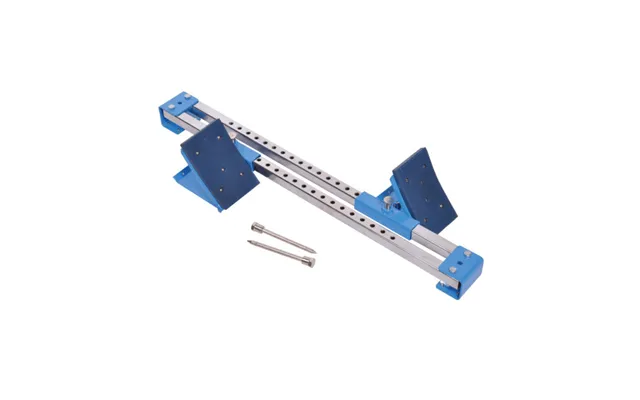
Starting blocks come in several flavors. Aluminum models are common for training and meets, offering a lightweight option that’s easy to carry. Heavy-duty models with extra base weight are aimed at elite athletes who want absolute stability. Then there are competition-grade blocks with micro-adjustable foot plates for fine-tuning angles and distances. Picking the right type depends on your level and how you train.
Aluminum blocks are light — often between 6 and 12 lb — and corrosion-resistant. They’re perfect for high-school programs and recreational sprinters who need portability without sacrificing function. They typically feature fixed or semi-adjustable foot plates and a sturdy rail that anchors into the track surface.
For serious racers, adjustable blocks let you change the foot plate angle and the distance from the starting line in small increments. These are the go-to choice for collegiate athletes and pros because they enable precise replication of your optimal setup across practice and competition.
If you’re worried about slippage — maybe you train on wet surfaces or very hard starts — consider blocks with a heavier base or extra anchoring features. These models trade a bit of portability for rock-solid stability, so your blocks won’t shift under an explosive push.
Don’t buy blocks because they look cool. Focus on adjustability, grip, durability, and weight. Those four features determine whether a block feels like an extension of your body or an awkward prop that slows you down.
Look for blocks that let you tweak the foot plate angle and move the plates forward or back by inches. Most sprinters end up using a rear plate somewhere between 6 and 10 in behind the front plate, but small changes in angle — for example from 30° to 45° — can drastically alter your comfort and power output.
Traction matters. Plates with aggressive textures, rubber pads, or replaceable spikes help your shoe dig in and avoid slippage. If you run in wet or rainy conditions, prioritize blocks with deep grip patterns or compatibility with extra traction accessories.
Aluminum, stainless steel, and high-grade polymer are common. Aluminum gives a lightweight mix of strength and rust resistance, while steel offers longevity but at the cost of extra weight. Check weld quality, bolt systems, and whether moving parts use corrosion-resistant hardware if you’ll use the blocks frequently outdoors.
If you travel to meets, a lightweight pair that fits in a padded bag can make life easier. Some high-end models come with a carrying case that doubles as a storage box, while others pack down flat to slide into your gear bag. Consider how far you’ll carry them and whether you want to transport them by hand or in checked luggage.
There’s no one-size-fits-all model. Below are general suggestions for what to look for at different stages of your sprinting journey.
If you’re starting out, choose lightweight aluminum blocks with simple adjustments and a non-slip surface. These typically cost less and still teach you how to load and fire from the blocks. The emphasis should be on getting comfortable with a consistent stance and learning proper drive mechanics.
For club runners and high-school competitors, go for blocks with finer adjustability and better grip. Models with multiple plate positions let you experiment with a slightly longer or shorter start while maintaining stability. A small investment at this stage pays off as you fine-tune technique.
Serious athletes want full adjustability, precision markings, and the most secure bases money can buy. Competition blocks often include micro-adjustment dials, replaceable anti-slip pads, and compatibility with starting pistols or timing gates. These blocks are typically heavier — around 10 to 14 lb — which is a plus for firmness during an explosive reaction.
Your event changes your start. Short sprints demand an aggressive block setup that maximizes acceleration, while longer sprints and hurdles require a compromise between acceleration and maintaining rhythm after the start.
In races like the 60-yard or 100-yard sprints, athletes usually set a more compact stance and steeper foot plate angle. That helps transfer force horizontally right off the line. Experiment with the rear plate placed about 6 to 8 in behind the front plate to find the sweet spot where you explode forward without rocking backward.
For 400-yard races and beyond, many sprinters favor a slightly more conservative setup: plates a bit farther apart and a lower angle to conserve energy while still getting a strong initial drive. The goal here is a start that gets you into your stride efficiently without burning valuable energy in the first few strides.
Buying great equipment is only half the battle. Use these training tips to turn better blocks into better starts.
Incorporate resisted sprints, plyometrics, and block starts into your routine. Short sets of 10 to 20-yard launches from the blocks, done at near-max effort with full recovery between reps, train the nervous system to fire fast and strong from a static position.
Work on replicating your setup each time. Mark your preferred plate positions in inches so you can return to the same setup at every training session and meet. Consistency builds confidence — and confidence beats raw power when you’re under pressure.
Like any sports gear, starting blocks need care. A little maintenance keeps them working and prevents surprises on race day.
Wipe your blocks dry after exposure to rain or wet track surfaces. Lightly oil moving parts to prevent rust on steel components, but avoid oily residues on the plates themselves — that defeats traction. Aluminum models are naturally more rust-resistant but still benefit from a wipe-down and inspection every few weeks.
Store blocks in a dry bag or padded case to prevent dings and to protect threaded parts. If your blocks have removable plates or spikes, carry those parts separately to avoid damage in transit. For frequent travel, consider a rugged hard case that doubles as a stand during meets.
Before you buy, check the rules that govern your level of competition. Most governing bodies require blocks to be fixed and non-mechanical with no external propulsion devices. Competition-approved models will usually state compliance with the relevant governing body’s regulations. If in doubt, consult your coach or meet officials.
It pays to compare. Use comparison sites to view multiple models, read specs side-by-side, and find the best deals from verified sellers. You can also check user reviews and photo galleries to see how a model performs in real-world conditions. Remember: cheapest isn’t always best — balance price with the features that matter to you.
Consider extras like padded carrying cases, replacement anti-slip pads, spike adapters, and portable anchoring plates. A good set of training shoes that pair with your blocks can also improve traction and feel — choose shoes with flat, aggressive soles rather than heavy-cushioned running trainers.
Before you click “buy,” run through this checklist: is the block adjustable in small increments, does it have reliable grip, is the weight acceptable for travel, is it durable enough for regular outdoor use, and does it meet competition regulations for your events? If you can answer yes to most of these, you’ve probably found a solid match.
Starting blocks are simple in concept but powerful in effect. The right pair can improve your initial acceleration, consistency, and confidence at the line. Think through your priorities — portability vs. stability, budget vs. precision — and use training to dial in your setup. Treat your blocks like a tuning tool; small changes lead to measurable gains.
Want to compare models quickly? Use reputable comparison sites to weigh specs and prices side-by-side, read athlete reviews, and spot seasonal discounts so you get the most value for your investment.
Make your start count: pick the right blocks, practice with intent, and watch your times drop.
Conclusion: Starting blocks are more than gear — they’re a performance multiplier. With the right choice and training approach, you can turn a good start into a great race. Try a few setups, measure consistently in inches, and commit to practice — the results will show up on the scoreboard.
| Track Starting Blocks | Price | |
|---|---|---|
| Mission Raised Steel Oche - With Floor Fittings | £ 15,95 | |
| Starting Blocks | £ 17,95 | |
| Mission Pro Raised Steel Oche - With Floor Fittings | £ 29,95 |


