







All categories
Business & Offices
Electronics & Media
Fashion & Accessories
Groceries & Essentials
Health & Personal Care
Home & Living
Kids & Family
Sports & Outdoors
Search in ZoneOffer

Loading...
Think a cap is just a way to keep your hair out of your face? Think again. Water polo caps are a vital piece of gear that protect your ears, help referees and teammates spot numbers, and mark team identity in the pool. Whether you’re a weekend warrior, a youth player, or a competitive goalkeeper, the right cap can reduce the risk of ear injuries, cut down on distractions, and even give you a psychological edge. This guide digs into what makes a great water polo cap, how to pick one in the UK market, and which accessories are worth adding to your kit bag.
Most water polo caps are made from heavy-duty nylon or a nylon blend designed to withstand frequent tugs and chlorine exposure. Some modern caps also incorporate neoprene or reinforced fabric around the ear cups for added durability. When you’re shopping, look for caps that feel robust but not stiff—breathability matters because a clammy, slow-drying cap can become a comfort problem after long training sessions.
Ear guards are the hallmark of a water polo cap. Competitive caps usually have hard or padded ear cups to shield the ears from slaps and jostles. The cups may be fixed or removable; removable cups can make washing easier, but fixed cups are often more secure. If you play at a high tempo, prioritize a cap with sturdy ear protection that won’t shift when you’re wrestling for position.
Fit makes the difference between a cap that feels like a glove and one that slips mid-game. Measure head circumference across the forehead and above the ears in inches—common sizes range from about 20 inches for kids up to 24+ inches for larger adult heads. A snug fit should feel secure without compressing your temples. Look for brands that list size ranges in inches so you can match the cap precisely to your head.
Caps are typically secured with a chin strap that ties or clips under the chin. Elastic straps with quick-release buckles are great for rapid changes, while traditional tie straps offer a custom, secure fit. Inspect the strap stitching and the fastening mechanism; a weak tie or a brittle buckle is a recipe for mid-match frustration. If you’ve ever had a cap fly off during a shot, you’ll appreciate the value of strong fastenings.
Water polo is visual—caps come in contrasting colors and printed numbers so referees can track players easily. Standard setups use white and dark caps for teams, with red or brightly colored caps reserved for goalkeepers. If you’re buying for a club, ensure your caps comply with the team’s color scheme and that the numbering size is legible from poolside.
Double-stitched seams, reinforced ear areas, and heavy-duty materials all extend a cap’s lifespan. Chlorinated water, repeated stretching, and aggressive play are tough on gear, so invest in caps with robust construction if you train multiple times a week. Think long-term value: a slightly pricier cap with better stitching often outlasts cheaper alternatives by seasons.
Competition caps are built for match play and meet official dimensions and protective standards. They usually have firm ear cups, bold numbers, and a snug fit to stay put during vigorous contests. If you’re playing league matches or tournament play in the UK, competition caps are the standard choice.
Training caps focus on comfort and durability for everyday practice. They might be slightly looser for quicker on-off transitions and constructed from robust fabrics to survive daily use. For clubs that host heavy training loads, buying several durable training caps can be more economical than repeatedly replacing competition caps.
Youth caps are sized smaller and often use softer ear protection to match developing skulls and ears. For children, prioritize fit and lightweight construction to keep young players comfortable and confident in the water. Many youth caps come in fun colors and patterns—perfect for kids getting excited about the sport.
Goalkeeper caps usually stand out with a unique color—often red—and may feature extra padding or reinforced ear areas. Visibility is key for goalies, so bright, contrasting colors and distinctive numbering help teammates and referees identify the keeper quickly during fast breaks.
Nylon remains the most popular cap material because it offers a blend of strength, flexibility, and fast drying. A good nylon cap flexes enough to conform to head shape while resisting tears from grips and pulls. Check for caps with reinforced nylon around the ear area and seams to handle the repeated rigors of matches.
Some caps include neoprene panels or reinforced padding around the ears for extra shock absorption. Neoprene adds weight but increases protection—this is often favored by goalkeepers and players who face frequent ear contact. If you’re prone to ear discomfort, consider a cap with reinforced padding.
Ear cups can be hard plastic, foam-padded, or hybrid designs. Hard cups offer excellent impact resistance, while padded cups deliver comfort and a reduced chance of chafing. High-quality cups also drain water quickly and resist mold, which helps maintain hygiene and longevity.
Use a soft tape measure and circle it around the widest part of your head—across the forehead and above the ears—to get your head circumference in inches. Typical adult sizes range from about 21 inches to 24 inches. If your measurement sits between sizes, go with the larger size for comfort, or choose a cap with adjustable straps to fine-tune the fit.
A properly fitted cap should sit flat on your head with the ear cups centered over your ears and the chin strap tightened so the cap doesn’t slide. If the cap creases excessively at the crown or pulls uncomfortably behind your ears, try a different size or model. Moving your head side to side should not displace the cap by more than a fraction of an inch.
Brands that focus on water polo and team sports are a common starting point. These companies often provide a range of competition and training caps with robust ear protection and clear numbering. When choosing, check product descriptions for head circumference in inches, materials, and replacement-part availability.
Several well-known swim brands offer water polo-specific lines or rugged caps that adapt well for the sport. These alternatives can be great value, especially when you need cohesive kits like matching caps for team orders or youth programs. Look for brands that list cap specs in inches and show close-up images of ear cups and straps.
Rinse your cap in cool, fresh water after each session to remove chlorine and salt. Hand wash gently with a mild soap and avoid wringing it out, which can distort ear cups. Dry caps flat on a towel away from direct heat or sunlight to prevent material degradation. Proper aftercare helps caps keep their shape and hygiene over many months.
Store caps flat or lightly rolled in a mesh bag—avoid heavy compression that can deform ear cups. Inspect straps and cups regularly for signs of wear; if ear cups crack or the stitching unravels, it’s time to replace the cap. As a rule of thumb, heavy players or those training more than three times a week may need to replace caps every season, while casual players might get a couple of seasons out of a single cap.
Mesh bags let caps and other gear air out between sessions, reducing odor and mildew. Cap organizers or labeled pouches are helpful for teams to keep numbered caps in order. These inexpensive accessories can extend cap lifespan and streamline poolside logistics.
Consider keeping spare chin straps and replacement ear cups in your kit bag. Straps take the most punishment and can snap, especially if exposed to UV and chlorine. Replacement parts mean you might not need to buy a whole new cap if one component fails.
Competitive water polo typically follows governing body rules that specify cap colors, visibility of numbers, and minimum ear protection standards. Goalkeepers normally wear a distinct cap color for identification. If you play in formal leagues or tournaments in the UK, check local regulations for cap specifications—numbers should be clearly readable and ear protection must meet safety expectations to be allowed in matches.
For youth players, emphasize correct fitting and regular inspection of caps. Teach kids to rinse caps and lay them flat to dry. Coaches should maintain a stock of spare caps and parts to avoid players competing with damaged gear, which elevates injury risk. Proper equipment management is a simple step that improves safety and keeps the focus on fun and performance.
Start by listing the must-have features: size in inches, ear protection type, and fastening method. Compare product specs and images across retailers and specialist sites, and read customer reviews that mention fit and durability. If you’re buying for a team, ask about bulk discounts and consistent color batches to ensure uniformity across all caps.
Whenever possible, try caps in person to test fit and comfort. If you can’t, use detailed size charts and check return policies—just remember to avoid damaging the cap so you can return it if needed. For club purchases, sampling one cap per size can help you pick the best model before committing to a larger order.
Water polo caps might look simple, but they’re a crucial piece of the puzzle. The right cap protects your ears, clarifies team identity, and stays comfortable during high-intensity play. Prioritize fit in inches, solid ear protection, and durable construction when choosing caps in the UK. Pair your cap with sensible maintenance and a few spare parts, and you’ll spend less time worrying about gear and more time enjoying the game.
Ready to upgrade your cap game? Measure your head, list your top features, and compare a few specialist options—your ears and teammates will thank you.
Conclusion: A well-chosen water polo cap is more than an accessory; it’s gear that protects, identifies, and performs. With the right fit, material, and maintenance, a good cap will support your playing career from training sessions to tournament finals.
| Water Polo Caps | Price | |
|---|---|---|
| Borg Signature Cap | £ 33,- | |
| Borg Washed Bold Logo Cap | £ 33,- | |
| Våga Club Cap S M Yellow Women | £ 35,- | |
| Våga Club Cap M L Yellow Women | £ 35,- | |
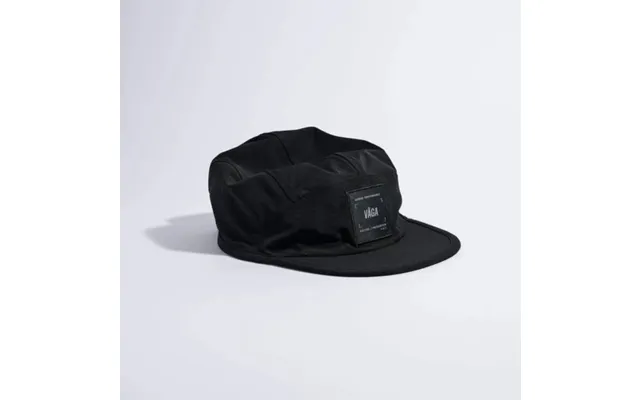
| Våga Transit Lite Cap S M Black Women | £ 35,- | |
| Våga Transit Lite Cap M L Black Women | £ 35,- | |
| Våga Transit Lite Cap M L Orange Women | £ 35,- | |
| Våga Transit Lite Cap S M Orange Women | £ 35,- | |
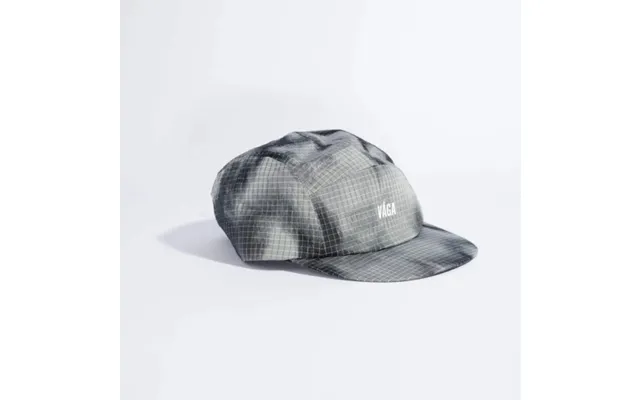
| Våga Night Club Cap 2.0 M L Gray Women | £ 42,- | |
| Våga Night Club Cap 2.0 S M Gray Women | £ 42,- |
