



All categories
Business & Offices
Electronics & Media
Fashion & Accessories
Groceries & Essentials
Health & Personal Care
Home & Living
Kids & Family
Sports & Outdoors
Search in ZoneOffer

Loading...
Ever tried playing water polo with a soft ball, a loose cap, or a swimsuit that rides up? It’s like trying to run a relay in flip-flops — awkward and slow. Quality gear makes the difference between a fun, competitive match and a frustrating trip to the pool. Right equipment improves comfort, performance, and safety, whether you’re practicing sprints, shooting at the goal, or defending in the center. This guide walks you through essential items, what to look for, and how to find great deals without sacrificing quality.
The ball is the heart of the game. Choosing the correct size and grip affects passing, shooting, and ball control. Adult men usually use size 5 balls, while women and youth use size 4 or 3 depending on age and league rules.
Water polo balls come in sizes based on circumference and weight. Size 5 balls are roughly 26.5–27.5 inches in circumference and typically weigh around 14–16 ounces. Size 4 balls are slightly smaller at about 25–26 inches. Look for textured rubber surfaces that offer a tacky grip when wet — your fingertips will thank you.
Match balls are built to tighter tolerances and often have a finer grip pattern, while training balls are more durable and budget-friendly. If you’re a club player or serious about competition, invest in a certified match ball. For practice and drills, a tough training ball will hold up to repeated hits and rough handling.
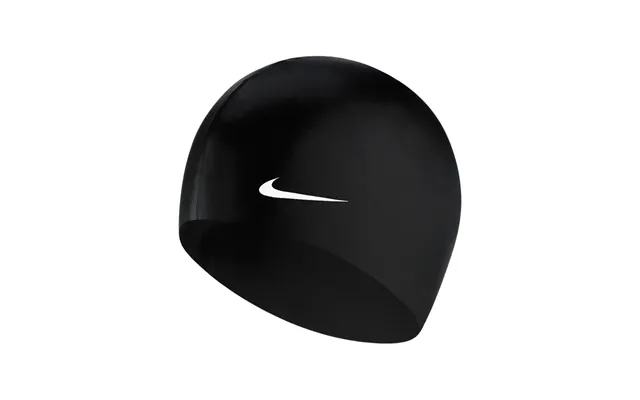
A good cap does more than show your number. It protects ears, keeps hair tucked away, and helps referees identify players. Caps are made from nylon or polyester blends and have protective ear cups to reduce the risk of ear injuries.
Pick caps with reinforced ear guards and sturdy chin straps. Sizes usually come in small, medium, and large — try them on if possible so the cap sits snugly without cutting into the head. For goalkeepers, look for caps in a distinctive color with a thicker material for extra protection.
Many clubs choose custom-printed caps to promote team identity. If you’re buying caps for a squad, consider ordering a set with your team’s colors and numbers — it looks sharp and helps with quick player identification during fast-paced play.
Water polo suits aren’t the same as casual swimwear. They’re designed to stay put during rough contact and to minimize grab points for opponents. Men usually wear jammers or briefs with a snug fit, while women wear one-piece suits with reinforced straps and higher coverage.
Look for chlorine-resistant fabrics with a high percentage of polyester or PBT to prevent fading and stretching. Reinforced seams and thicker straps reduce wardrobe malfunctions during scrums. Want something that lasts? Choose a suit labeled “competition” or “durable” rather than fashion swimwear.
Sizing varies by brand, so consult size charts and read reviews. If you’re between sizes, go up rather than down — a suit that’s too tight can restrict movement, while one slightly larger can often be adjusted by choosing the right style (e.g., jammers vs briefs).
If you’re setting up training sessions or running a local league, a reliable goal and net system is essential. Portable goals that float are popular for clubs that use shared pools, while fixed goals give a more permanent, game-like feel.
Official goals measure approximately 9 to 10 feet in width for many competitive setups, though backyard or practice goals can be smaller. Make sure your pool depth and lane setup will safely accommodate the goal’s frame and shooting angles.
Portable goals are great for venues without permanent fixtures — they often inflatable or framed with a floating base. Fixed goals are more durable and stable but require poolside mounting points. Choose based on frequency of use, budget, and available pool infrastructure.
Water polo is physical. A stray elbow or a forceful block can cause injuries if you’re not protected. Mouthguards and properly fitted ear guards reduce risks and allow you to play more confidently.
Custom mouthguards offer the best fit and protection but come at a higher cost. Boil-and-bite varieties are a good middle ground: they mold to your teeth after heating and provide solid protection. Stock mouthguards are inexpensive but often uncomfortable and less effective.
Ear guards built into caps offer significant protection. For players with a history of ear injuries or surgery, consider additional headgear specifically designed to shield the ear and temple areas. Always check league rules about headgear acceptance in competition.
Want to level up your game between matches? Training aids make practice smarter and more efficient. From pool fins to shot trainers, the right tools can help you improve shooting accuracy, speed, and endurance.
Short, stiff swim fins build leg strength and sprint speed in the water. Tethers and resistance cords help with stationary power training, allowing players to simulate sprint starts against resistance. These tools are staples for focused conditioning sessions.
Rebound nets simulate human passes and allow single players to work on ball control and quick release. They’re compact and ideal for limited-pool-time sessions. Combine them with shooting targets to sharpen accuracy.
Want gear that lasts? Treat it right. Rinse swimsuits, caps, and balls in fresh water after each session to remove chlorine and salt. Air-dry equipment out of direct sunlight to prevent fading and material breakdown. Store inflated balls at a moderate pressure — overinflating can damage seams and underinflating hurts performance.
Use a mild detergent for suits and caps when needed; avoid bleach and harsh chemicals. For mouthguards, brush with toothpaste and store in a ventilated case. Net and goal materials are tougher, but regular checks for wear and tear will catch problems early.
Rotate suits and caps if you train frequently to give materials time to recover between sessions. For balls, carry a small pressure gauge to make sure you’re practicing with consistent inflation — an underinflated ball behaves very differently than a match-ready ball.
Not every player needs pro-tier equipment, but there are smart ways to allocate your budget. Beginner players can start with durable training gear and upgrade selectively: prioritize a quality ball, a well-fitting suit, and a solid cap first.
Spend on items that directly affect gameplay and safety — balls, caps with ear protection, and mouthguards. Save on secondary items such as basic training aids or spare caps. Comparison shopping helps you find mid-range products that offer near-pro performance for less.
Used gear can be a steal, especially for bulky items like goals or nets. Inspect for structural damage, and avoid used mouthguards or any personal protective gear unless they’re professionally sanitized or designed for single-person use. Always balance cost savings against longevity and safety.
Hunting for discounts? Comparison sites can save time by showing prices across multiple retailers, letting you spot seasonal sales, clearance items, or bundle offers. Keep an eye on winter and back-to-school sales when clubs restock, and sign up for newsletters to catch flash deals.
Buy off-season for the best bargains. Retailers often discount last season’s colors or excess stock during quieter months, which is great if you don’t need the latest design. Also, shop end-of-season sales after big tournaments when clubs and stores refresh inventories.
Bundles that combine balls, caps, and training gear can be excellent value for teams. If you’re buying for a club, ask retailers about bulk discounts or sponsorship deals — suppliers often offer special rates for teams purchasing multiple items.
Several brands consistently deliver reliable water polo gear. Look for established names known for durability and performance. Read reviews from players in your league to get an idea of which items perform best under game conditions.
Choose brands that specialize in water sports and have specific water polo lines. They tend to understand the unique demands of the sport — things like grip patterns on balls, reinforced seams on suits, and durable ear guards on caps.
If possible, test gear in a pool before committing. Some local clubs and retailers let you demo balls or try suits for fit. Even a short in-pool test can reveal problems that pictures and specs can’t convey.
Treat equipment as part of training. Keep a checklist for team kit, schedule regular maintenance, and invest in storage solutions that keep gear dry and ventilated. Coaches should encourage players to care for personal protective items like mouthguards and caps to extend lifespan and maintain hygiene standards.
Label spare caps and suits to avoid mix-ups and consider color-coding by position or age group. A small kit with spare straps, an inflator, and patch supplies can keep practices running smoothly when something breaks.
Always prioritize safety gear over cosmetic upgrades. A snug-fitting cap and a properly molded mouthguard will reduce injuries and keep players in the game — and that’s worth every penny.
Water polo is a demanding, rewarding sport — and the right gear helps you play smarter, safer, and with more confidence. From choosing the correct ball size to investing in protective caps and mouthguards, a few wise purchases can elevate your game. Use comparison shopping to find deals, rotate and maintain gear for longevity, and focus spending on items that directly affect safety and performance. With the right setup, you’ll be ready to dominate the pool.
| Water Polo | Price | |
|---|---|---|
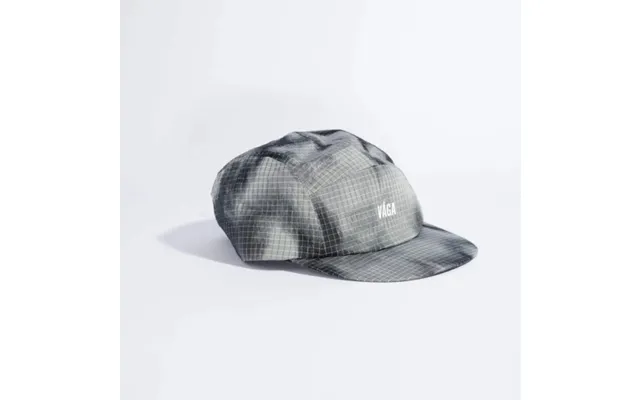
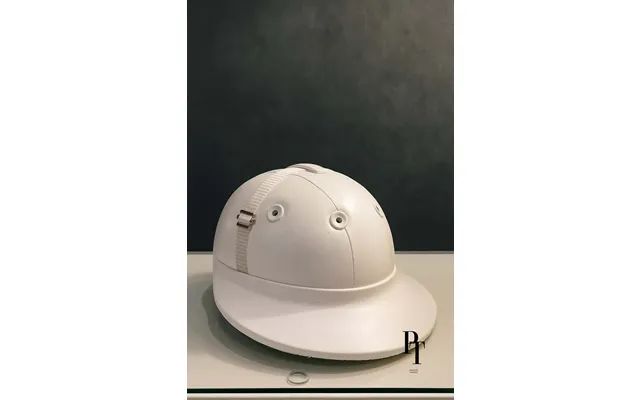
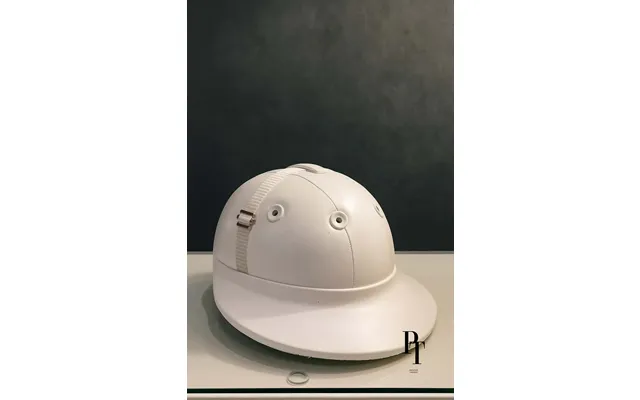
| Borg Signature Cap | £ 33,- | |
| Borg Washed Bold Logo Cap | £ 33,- | |
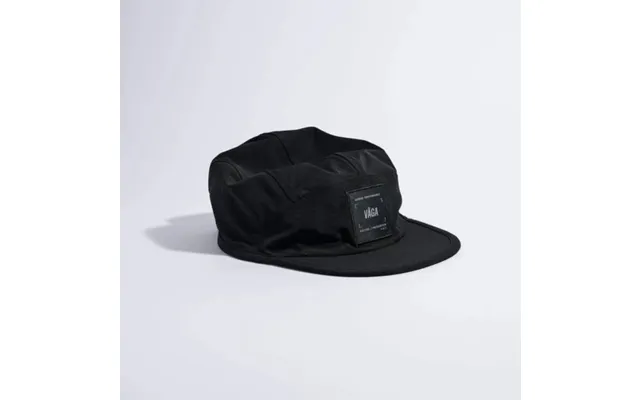
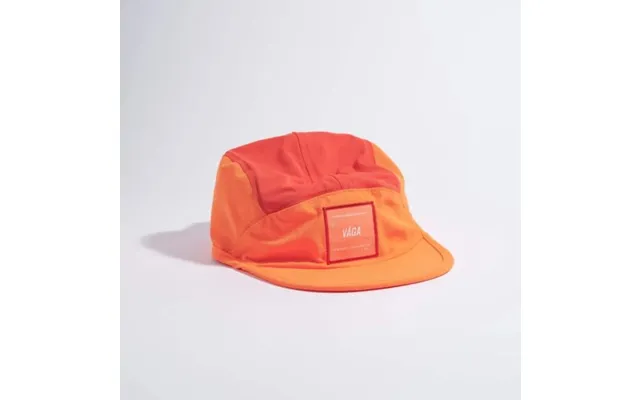
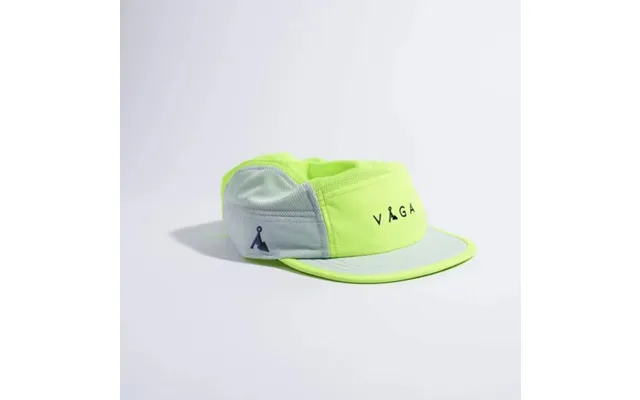
| Våga Club Cap S M Yellow Women | £ 35,- | |
| Våga Club Cap M L Yellow Women | £ 35,- |
