




All categories
Business & Offices
Electronics & Media
Fashion & Accessories
Groceries & Essentials
Health & Personal Care
Home & Living
Kids & Family
Sports & Outdoors
Search in ZoneOffer
Loading...
If you've ever watched a fast-paced water polo match, you know it's part chess match, part sprint, and part full-contact water ballet. The gear you choose matters as much as your training — a slippery ball, a torn cap, or a sagging goal can turn a great session into a frustrating one. The right equipment keeps you safe, sharp, and confident in the pool. Think of quality gear like a reliable engine under the hood of a sports car: when everything’s tuned, performance follows.
Caps are the little helmets of water polo — they protect ears, identify teams, and survive countless scrums. Look for caps with reinforced ear guards, a snug fit, and quick-dry fabric. Most adult caps are one-size-fits-most, but youth caps come in smaller fits. A worn-out cap can flip off in a scramble, so investing in a pair or two per player is a smart move.
Balls come in match-grade and training variants. Match balls have superior grip and consistent bounce, while training balls are more durable for endless drills. Men’s competition balls are roughly 27 inches in circumference and weigh around 14 to 16 ounces, while women’s balls are slightly smaller at about 25 inches. Brands like Mikasa and Kap7 dominate the market with options for indoor and outdoor pools — some even have textured surfaces that feel like sandpaper for better control.
Portable goals are a boon for clubs that reconfigure lanes or practice in different pools. A standard senior goal is about 10 feet wide and roughly 3 feet high, though check the exact dimensions for competitive use. Look for rigid frames that resist bending and nets that drain quickly to avoid heavy waterlogged material. If you’re buying for a school or community centre, consider goals with anchor kits and UV-resistant coatings for longer life.
Water polo-specific swimwear is built for contact: tough, minimal drag, and cut to reduce surface area opponents can grab. Men wear briefs or jammer-style suits and women wear one-piece suits with reinforced straps and high-cut legs to reduce handholds. Some goalkeepers prefer padded suits or compression shorts to soften impacts — think of them like shin pads for soccer, but streamlined for the water.
When shopping in the UK, you’ll see a handful of trusted names again and again. Mikasa and Kap7 are staples for balls, offering match-level models that feel predictable in your hand. Arena and Turbo make durable swimwear built for competitive wear and tear. For accessories like pumps, mesh bags, and coach gear, consider brands like Speedo, FINIS, and local British suppliers who understand UK pool conditions. Using a comparison site can help you quickly spot discounts across retailers without losing sight of specs.
Coaches need more than a whistle to run an efficient session. A coach’s kit should include a compact whiteboard for tactics, a stopwatch or waterproof watch, a set of training cones for land drills, and a reliable pump to keep balls game-ready. Don’t forget team essentials like mesh bags for wet kit and spare caps, and numbered pinnies for quick scrimmage setups. Good organization off the pool deck equals better focus in the water.
Small accessories can create big gains. Resistance bands and ankle cuffs add dryland strength, while training fins and hand paddles sharpen leg drive and stroke power. Weighted gloves and soft medicine balls are great for goalie reaction work and upper-body conditioning. A shot trainer or rebounder can turn a lone player’s practice into an effective drill. Think of these tools as crank-boosters: they don’t replace skill work, but they turbocharge it.
Choosing a ball comes down to feel, size, and durability. If you’re a club buying for mixed training, get both training balls and at least one match-grade ball for technique work. Feel the texture — newer match balls offer a tacky surface that improves hold in wet hands. Size matters: youth players thrive on smaller, lighter balls, while senior teams need standard-sized balls for realistic passing and shooting practice. Don’t forget a quality pump with a reliable needle; inflating to the proper firmness can change how the ball behaves during a match.
Hunting for gear doesn’t have to be a full-time job. Comparison sites help you scan multiple retailers for price drops, bundle deals, and seasonal discounts. Look for multipack options on caps and balls — teams often save more by buying in bulk. Off-season periods, like early autumn after summer leagues wrap, are prime times for snagging clearance sales. Also, check whether an item is EU or UK stock if you need it fast; shipping times can vary.
Longevity is all about aftercare. Rinse swimsuits and caps in fresh water after each use to remove chlorine and salt, then air-dry them flat out of direct sun. Balls last longer if dried and stored in a mesh bag away from heat; avoid leaving them in a hot car or near heaters. Metal frames and anchors on goals benefit from occasional inspection and lubrication to prevent rust. Think of your gear like a garden — a little regular tending keeps the harvest plentiful.
Goalkeepers need gear that balances mobility with protection. While traditional gloves aren’t used like in soccer, some keepers use thin padded sleeves or compression tops to guard shoulders and ribs. Quality goalkeepers practice with heavier balls or weighted drills to boost arm strength; just make sure the gear doesn’t restrict reach. A good pair of training goggles for dryland conditioning can be useful, but in the pool the focus is on clear vision and reaction speed.
Trying gear at a club session or demo day is invaluable. Many local clubs in the UK let prospective players test balls, caps, and even goals during a training night. Sports expos and university sports fairs often have vendor stands where you can compare grip and fit firsthand. If you can’t try before buying, choose retailers with clear size guides and flexible returns — and use comparison sites to spot stores with customer-friendly policies.
More manufacturers are thinking green, offering balls made from recycled materials and suits produced with eco-friendly dyes. Mesh bags that breathe and last longer reduce single-use plastic waste, and some brands use plant-based or recycled packaging. If sustainability matters to you, prioritize durability — a product that lasts several seasons is greener than a cheaper item that needs frequent replacing.
Custom caps and team suits boost identity and cohesion. Many suppliers offer embroidery or print services for caps, swimsuits, and team shirts. When ordering custom kit, plan well in advance: printing and shipping can add a few weeks to delivery times. For small clubs, consider ordering a basic kit set first and expanding with personalized pieces as your budget allows.
On a tight budget? Prioritise safety and essentials first: caps with intact ear guards, a solid training ball, and durable team swimsuits. Skip gimmicky gadgets that promise instant improvement; focus on core tools that will be used every session. Buying slightly older models from reputable brands can also save money without sacrificing performance — think of it like buying a last season’s running shoe that still has the same tech but a friendlier price tag.
Water polo gear doesn’t have to be confusing or costly if you shop smart. Start with the essentials — good caps, the right-size ball, durable swimwear, and a portable goal if you need one — then add accessories to boost training. Use comparison tools to identify the best UK offers and always prioritize fit and durability over flash. With the right setup, your weekly training will feel smoother, faster, and more fun — and your team will thank you at the final whistle.
| Water Polo - Other | Price | |
|---|---|---|
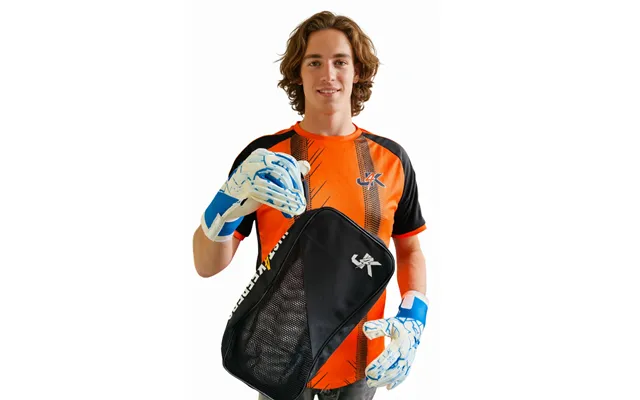
| Glove Bag With Bottle Holder | £ 13,99 | |
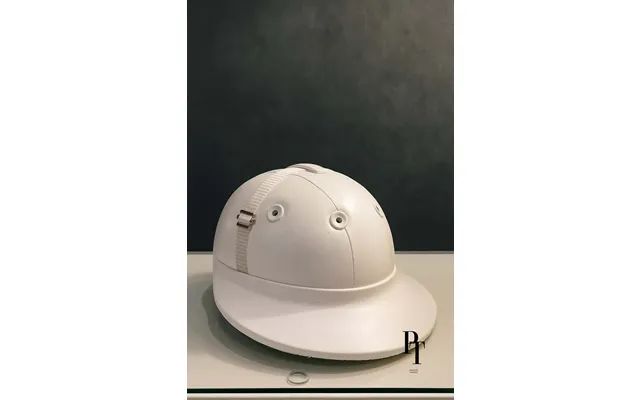
| White Leather Polo Helmet - White S | £ 166,- | |
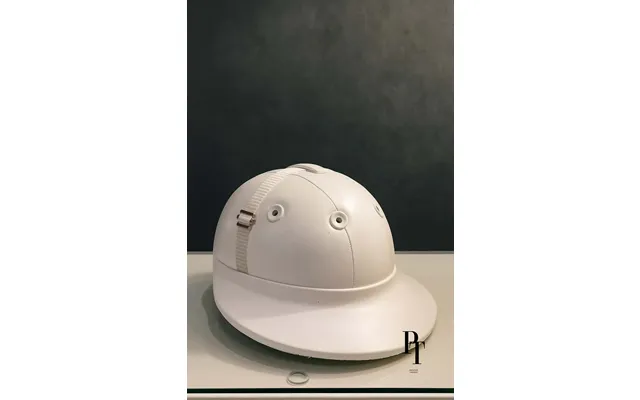
| White Leather Polo Helmet - White M | £ 166,- | |
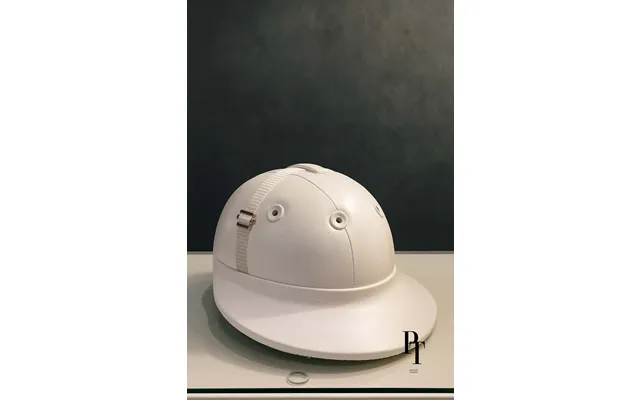
| White Leather Polo Helmet - White L | £ 166,- |

