All categories
Business & Offices
Electronics & Media
Fashion & Accessories
Groceries & Essentials
Health & Personal Care
Home & Living
Kids & Family
Sports & Outdoors
Search in ZoneOffer

Loading...
If you’ve ever wanted a single piece of equipment that delivers cardio, strength, balance, and coordination training, an aerobic step might be exactly what you need. Think of it as a small stage for your workout — it’s where you step up, step down, and push your fitness into new territory. Steps are low-cost, compact, and surprisingly versatile: they take up less space than a treadmill, and you can use one in a living room, garage, or tiny studio. Whether you’re burning fat, rehabbing an injury, or building explosive power, a step platform is one of the most efficient tools in your home gym arsenal.
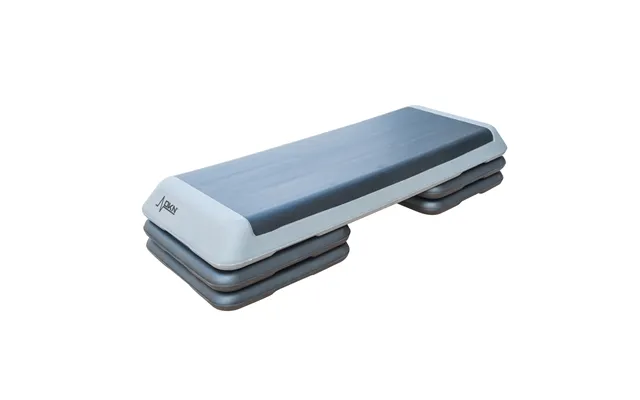
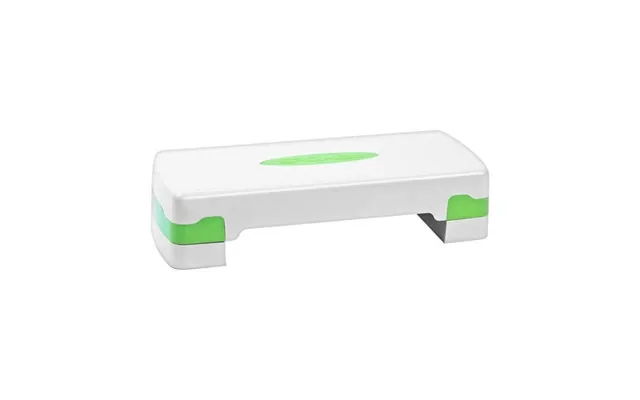
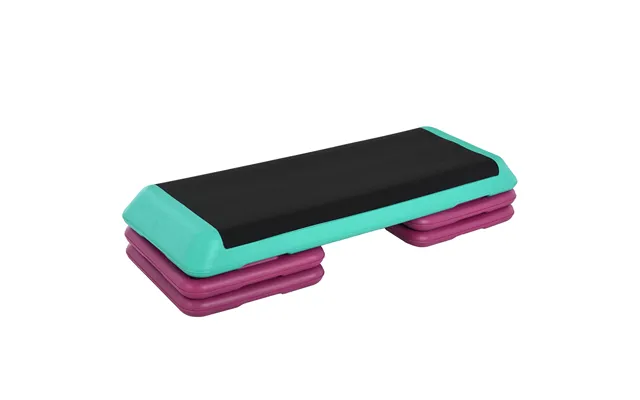
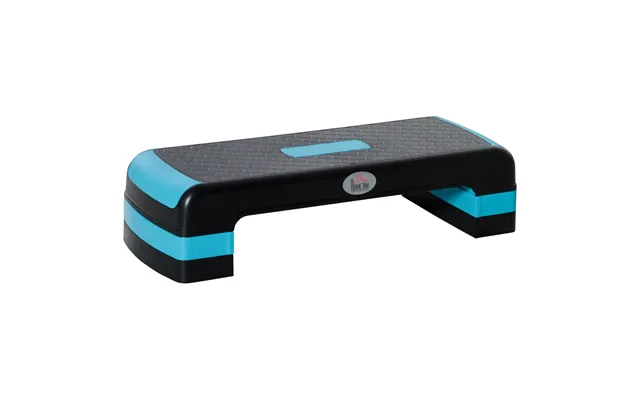
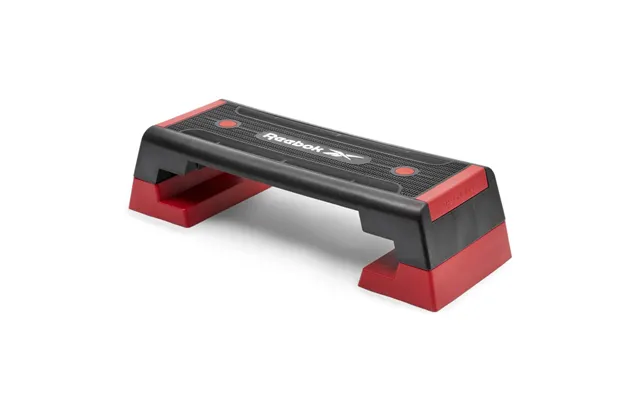
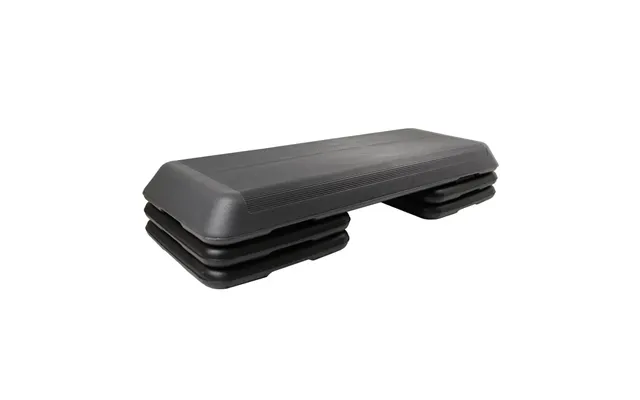
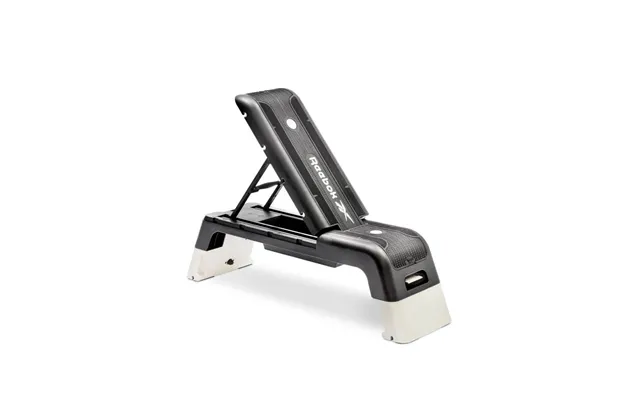
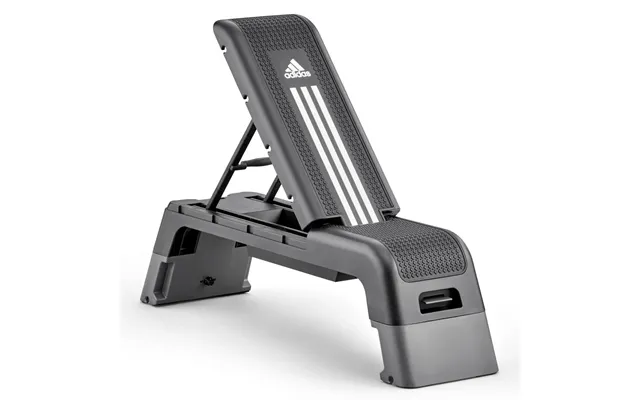
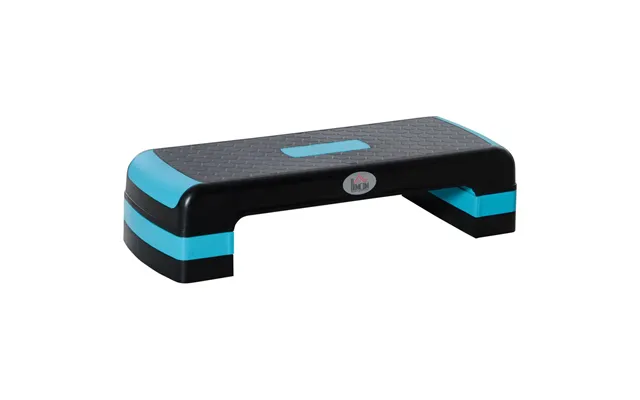
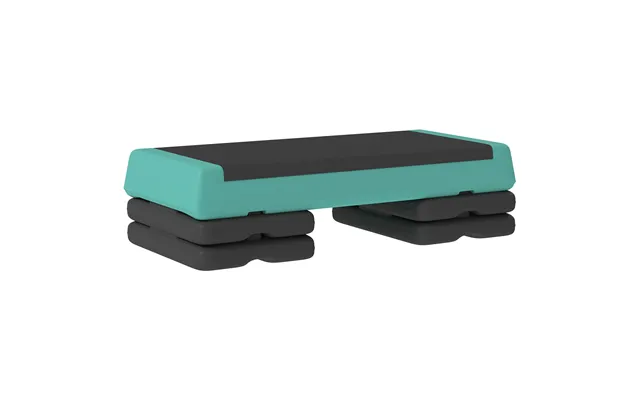
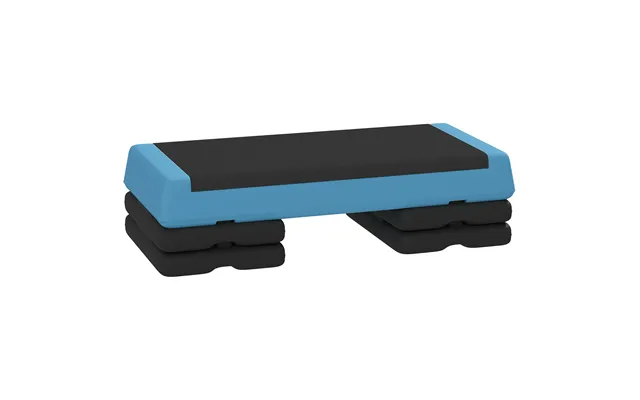
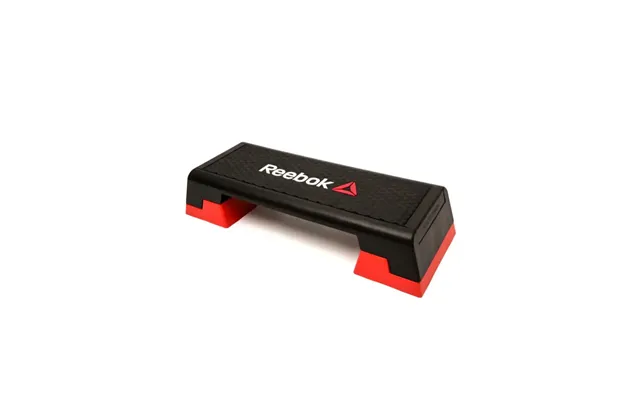
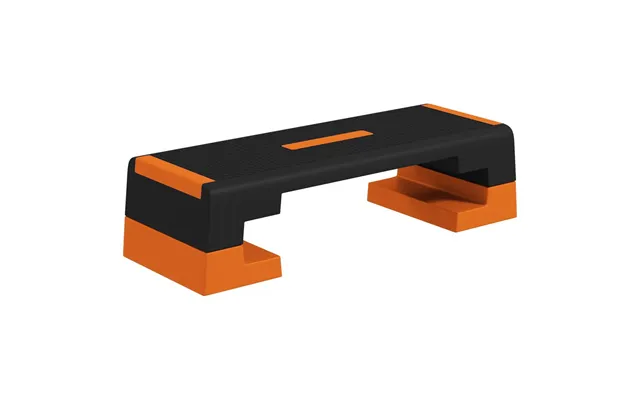
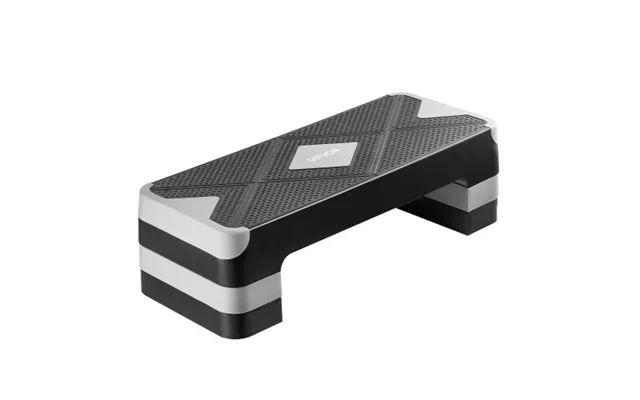
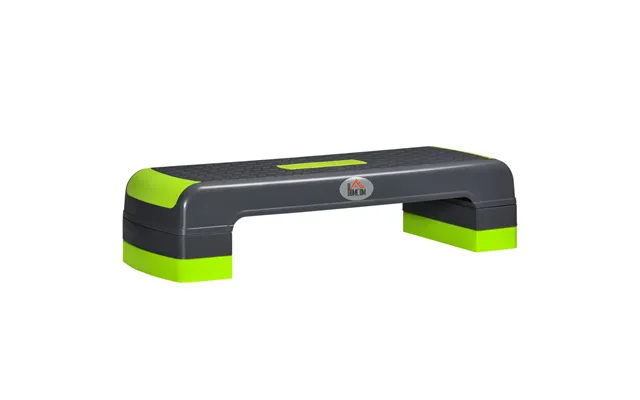
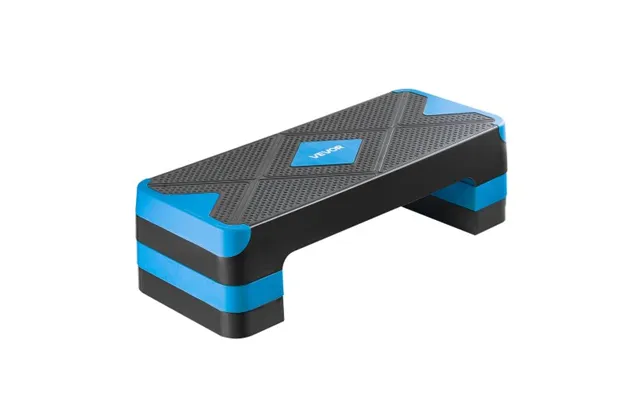
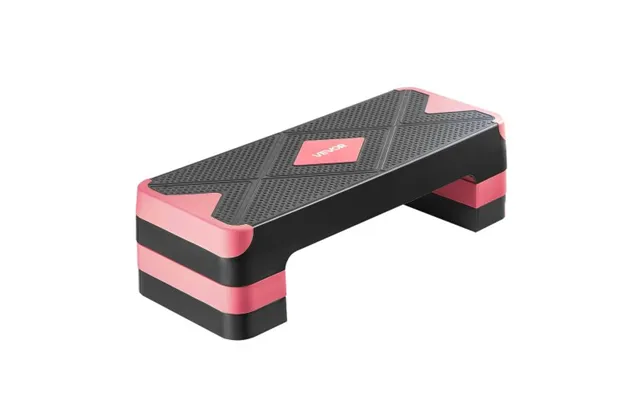
Adjustable steps are the Swiss Army knife of step platforms. With removable risers or stackable blocks, you can change the height from about 4 inches for beginners to 8 inches or more for advanced users. This flexibility lets you progress from low-impact routines to intense plyo sessions without buying another device.
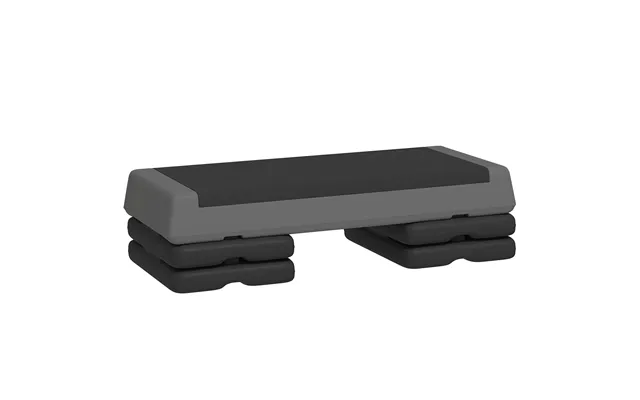
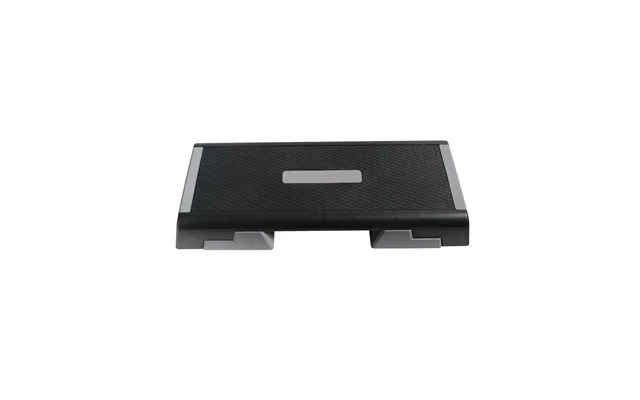
These are solid, non-adjustable steps that often prioritize stability and a larger platform area. They’re great for commercial classes or for anyone who prefers a single, rock-solid height — usually around 4 to 6 inches. Because they have fewer moving parts, they can be more durable and support higher weight capacities.
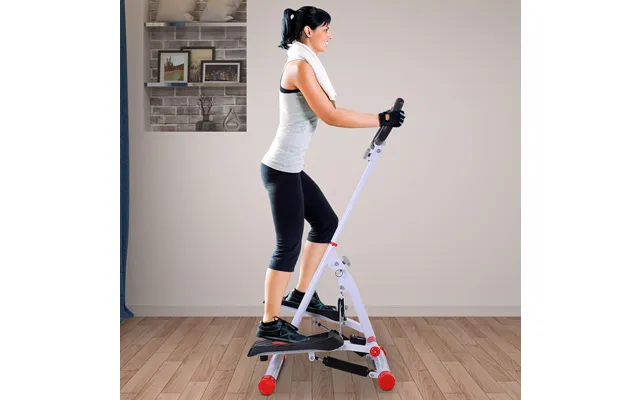
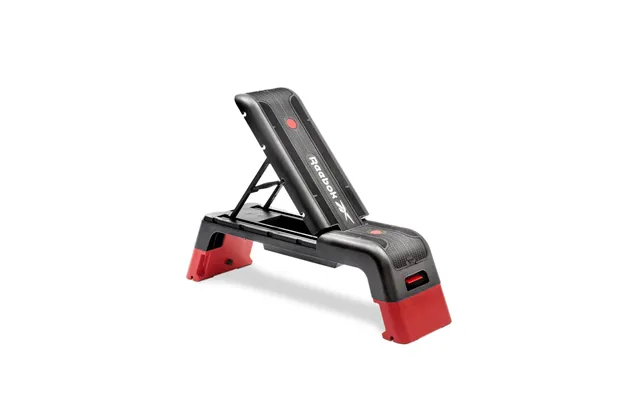
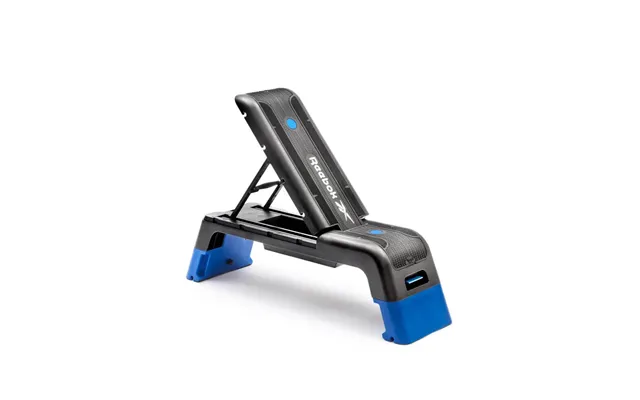
Need portability? Compact models fold or nest and weigh less, making them easy to toss in a car for outdoor workouts or to move between rooms. They usually max out at a lower height, but they’re perfect if you travel a lot or train in multiple spaces.
Platform dimensions matter. A roomy top — something like 24 inches long by 14 inches wide — gives you space for lateral moves and higher stepping patterns. Equally important is a textured, non-slip surface. You want traction whether you’re in shoes or doing lighter barefoot routines.
Look for risers that lock securely into place and are easy to snap on or remove. A 4-inch riser is common for beginners; adding a second or third riser can take you up to 8 inches or more. Smooth, stable engagement of risers reduces wobble and improves safety during fast movements.
Weight capacity is usually listed in pounds; choose a step that supports your body weight plus any extra load if you plan to use dumbbells or wear a weighted vest. Many quality steps support 300 to 400 pounds. Stability also depends on design — wider bases and anti-slip feet help prevent sliding on hardwood or tile floors.
High-density polypropylene and reinforced plastics are common because they balance weight and strength. Cheaper models may warp under repeated impact, so inspect the build and read reviews about long-term wear if you want a step that lasts years.
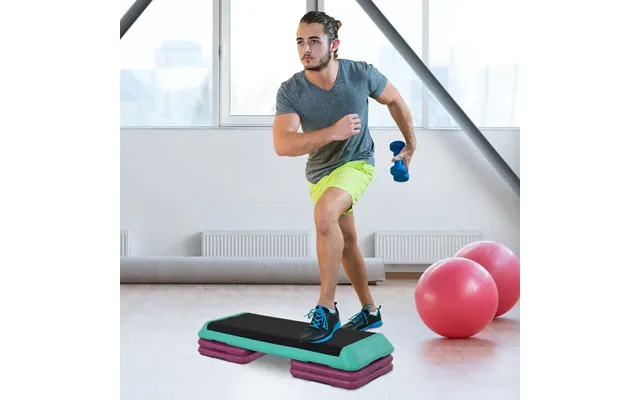
Use the step for HIIT-style intervals: 40 seconds on, 20 seconds rest. Alternate basic step-ups, lateral taps, and knee drives for a fat-burning, heart-rate-elevating session. The step boosts intensity because every move requires a small power output to climb the platform, turning simple patterns into serious cardio.
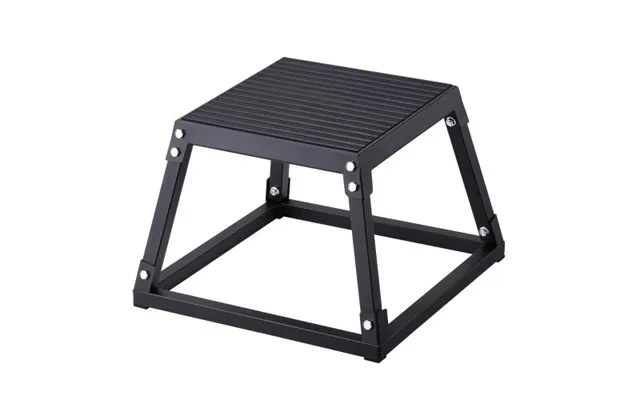
Want to build lower-body strength? Add weighted step-ups, Bulgarian split squats, or box jumps (if your step is rated and stable enough). Plyometric moves — like jump-overs or tuck jumps onto a low step — train speed and power. If you’re new to plyos, start with a lower height like 4 inches and progress slowly.
Steps aren’t just for high-energy sweat sessions. Slow, controlled step-downs can help with ankle mobility and knee stability. Rehabilitation-focused routines often use single-leg step-ups and controlled descents to re-teach movement patterns after injury.
Loop bands add extra resistance to lateral steps, glute bridges, and kickbacks. They’re an inexpensive way to intensify step routines without increasing height. Bands are lightweight, portable, and pair beautifully with a step for both upper- and lower-body work.
Holding a pair of dumbbells while doing walking lunges on and off the step engages your core and increases calorie burn. Lighter weights in the 2 to 15 pound range work well for high-rep cardio sequences, while heavier loads can turn the step into a strength-training station.
Grip socks or a well-placed non-slip mat under your step can prevent shifting and improve traction. This combination is especially useful on smooth floors and helps protect both the step and the surface beneath it.
Choosing step height is a mix of safety and challenge. Beginners should start at around 4 inches to build confidence and technique. Intermediate users often use 6 inches for a solid balance of intensity and safety. Advanced athletes may work at 8 inches or higher for explosive training, but only if stability and joint health permit. Think of height like gears on a bike: you don’t always sprint in top gear — you shift as terrain and fitness demand.
Always step with your full foot onto the platform rather than landing on your toes. Keep your knee tracking over the middle of your foot to avoid torque on the joint. If you notice your knee collapsing inward during lunges or step-ups, reduce height and focus on form.
Start every session with a dynamic warm-up: ankle circles, leg swings, and a few slow step-ups. Controlled movement is better than speed during technique practice; once your form is solid, you can increase pace. Rushing through step patterns often causes tripping or awkward landings.
Place the step on a flat, non-slippery surface and make sure risers are locked in. Inspect for cracks or worn treads before use. If you plan to use the step for plyometrics, ensure the model is rated for impact and has solid support.
Wipe the platform with a mild soap and water solution to remove sweat and dirt. Avoid harsh solvents that can degrade plastic. If the step sits on wood floors, consider a thin rubber mat to prevent scuffing and reduce noise during intense sessions.
Store your step indoors away from direct sunlight and extremes of temperature. UV exposure can make plastics brittle over time. For compact models, stacking risers under the platform saves space and protects components from getting lost.
If you notice significant warping, cracks in risers, or surface material peeling, it’s time to replace parts or the entire step. Don’t push through obvious damage — a compromised platform increases the risk of slips and injury.
There are several reputable brands that make durable, user-friendly step platforms suitable for home and class use. Look for models from established fitness manufacturers that offer adjustable risers, textured platforms, and solid weight capacities of 300 to 400 pounds. Compare specific features like platform dimensions, anti-slip feet, and warranty to match the product to your training style. Reading user reviews and watching short demo videos can help you decide whether a particular model suits heavy plyo use or light cardio sessions.
If you’re on a tight budget, entry-level steps offer decent quality for basic cardio and beginner strength work; expect simpler plastics and fewer riser options. Mid-range steps improve the feel with larger platforms, sturdier risers, and better traction. Premium models add reinforced construction, wider surfaces, and higher impact ratings suitable for small-group classes. Think about how often you’ll use the step and the types of workouts you want: a premium choice makes sense for daily high-intensity use, while a budget model is fine for occasional home sessions.
Alternate 1 minute of stepping with 1 minute of rest for 10 rounds. Use a 4-inch height, focus on controlled movements: right leg up, left leg up, step down, repeat. Finish with gentle stretching to cool down.
Set a timer for 30 seconds on and 15 seconds off. Rotate through basic step-ups, side taps, knee drives, and tricep dips on the edge of the platform. Use 6-inch height and add light hand weights for the final two circuits.
Perform 8 rounds of explosive moves: jump-overs, lateral bounds, and box jumps onto a 8-inch platform. Rest 60 seconds between rounds. Warm up thoroughly and prioritize soft landings to protect joints.
Mix step sessions with strength training and active recovery. For example, two cardio/step sessions per week, two full-body strength workouts, and one mobility session can provide balanced fitness gains. Use the step to add variety: replace treadmill sprints with step intervals or finish a strength workout with elevated step lunges for metabolic conditioning.
Adapt step workouts to your goals. If fat loss is the aim, prioritize interval-style training that keeps your heart rate elevated. For strength, add weights and lower rep ranges. For rehabilitation, slow the pace and focus on single-leg control. The beauty of a step is that it scales with you — like a workout chameleon that adapts to whatever fitness challenge you throw at it.
Before you buy, compare specifications: platform size, maximum height, weight capacity in pounds, and customer reviews. Look for comparison pages that list multiple models side-by-side so you can weigh features and prices quickly. Comparing products helps you find a step that fits your budget and training needs without overpaying for features you’ll never use.
Choosing the right aerobic step comes down to your current fitness level, the types of workouts you enjoy, and how much space you have. Start with a stable, well-built platform and add risers, bands, or light weights as you progress. The step is small in footprint but huge in functional value — it can turn short sessions into effective, full-body workouts that keep you motivated and moving.
Ready to step up? With the right platform and a few simple routines, you can transform your living room into a high-energy training zone that challenges your heart, legs, and coordination without taking up a lot of space or money.
Conclusion: An aerobic step is a versatile and cost-effective tool for anyone looking to improve cardiovascular fitness, strength, and mobility. By choosing the right height, prioritizing safety and traction, and combining your step with complementary equipment like resistance bands or dumbbells, you’ll unlock a wide range of workouts that keep training interesting and effective. Start small, progress steadily, and enjoy the gains — one step at a time.
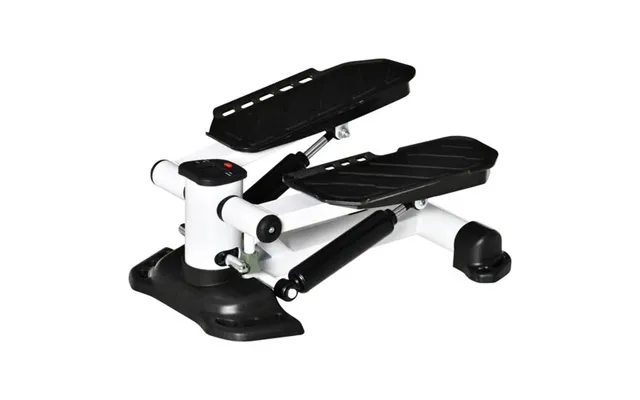
| Aerobic Steps | Price | |
|---|---|---|
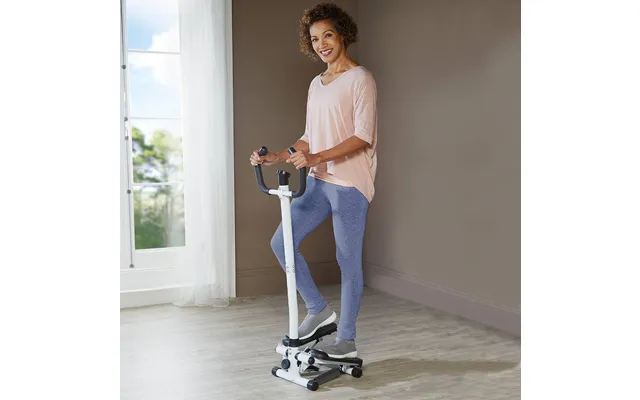
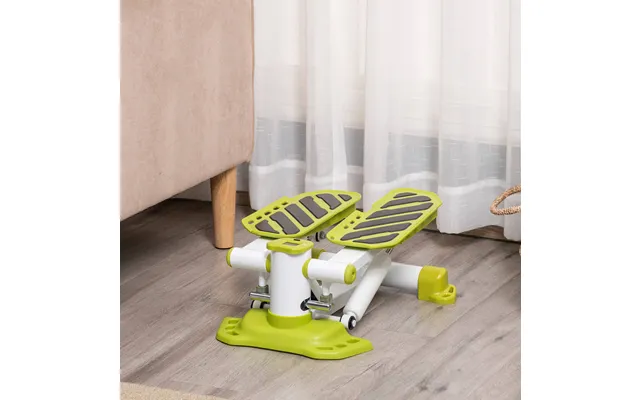
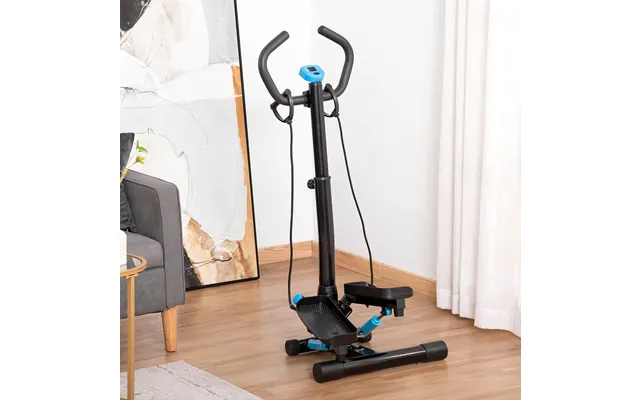
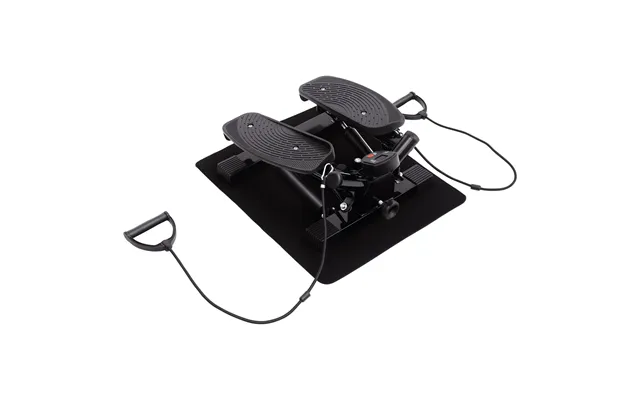
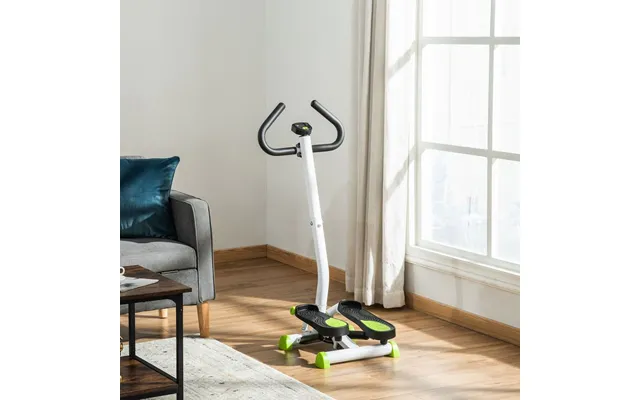
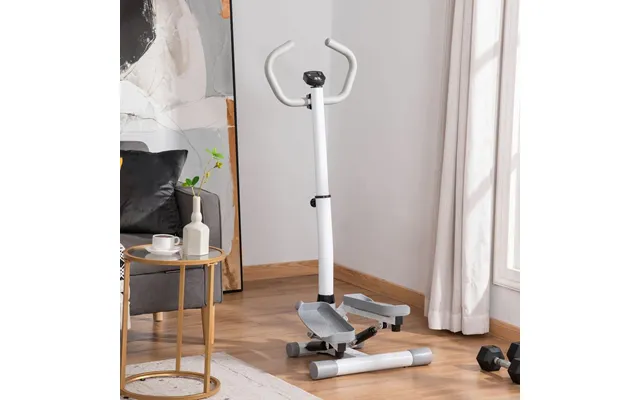
| Portable Mini Stepper W Lcd Display Black | £ 64,99 | |
| Mini Stepper | £ 69,99 |