All categories
Business & Offices
Electronics & Media
Fashion & Accessories
Groceries & Essentials
Health & Personal Care
Home & Living
Kids & Family
Sports & Outdoors
Search in ZoneOffer
Loading...
If you want a single piece of equipment that delivers strength, power, mobility, and cardio all at once, a medicine ball is hard to beat. Medicine balls bridge the gap between free weights and bodyweight training — they force your body to stabilize while you generate force, which means you train multiple muscle groups and your nervous system at the same time. Whether you’re squeezing in a 15-minute core blast or building explosive power for sports, a weighted ball gives you immediate, measurable progress. Plus, they’re compact and portable: you can stash a 6 lb or 10 lb ball in a closet, toss a 15 lb slamball in your trunk, or take a 4 lb soft ball to a park session.
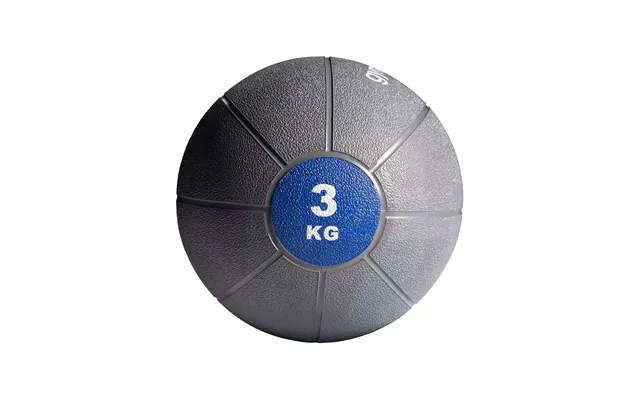
Not all medicine balls are created equal. The market can be split into a few clear styles — traditional leather-style balls, slamballs, wall balls, and soft/mesh balls — and each one behaves differently in your hands and on the floor. Knowing the differences helps you pick a ball that complements your goals instead of collecting dust in the corner.
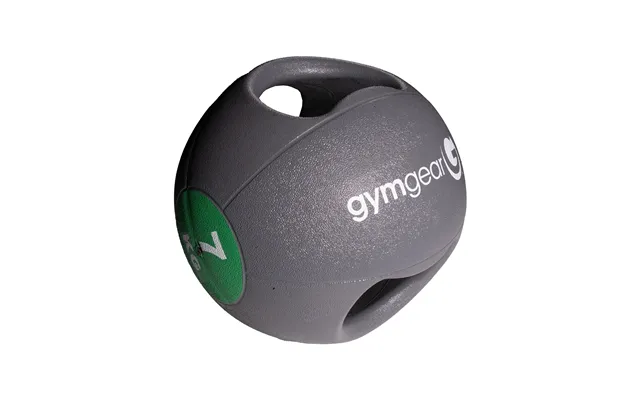
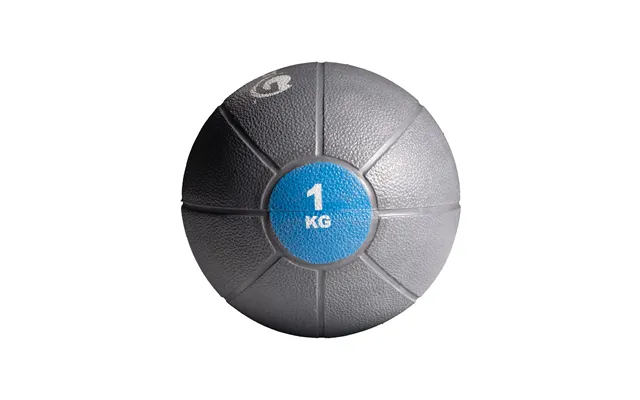
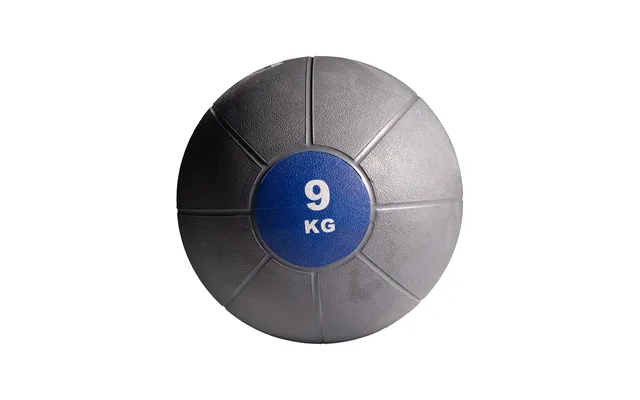
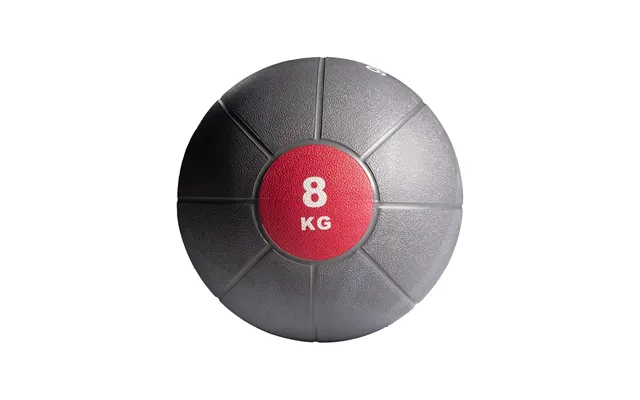
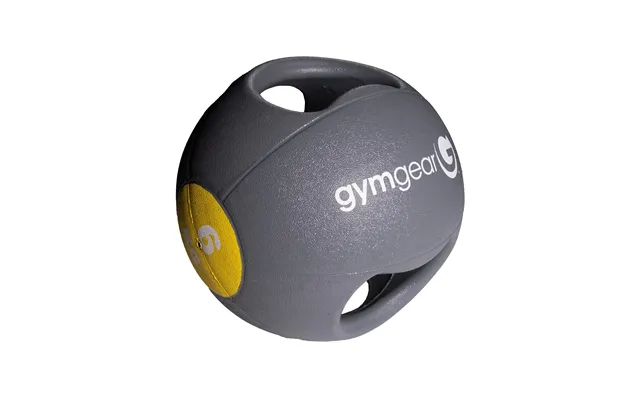
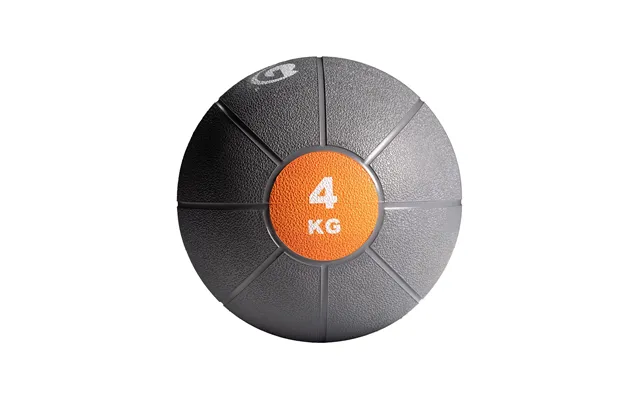
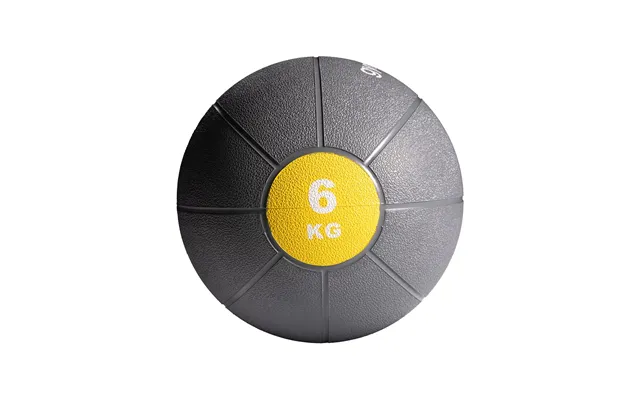
These are the classic weighted balls with a leather or synthetic stitched exterior and a solid filler. They usually bounce moderately and offer a familiar feel for throws and partner work. Typical weights range from 2 lb to 30 lb, with diameters between about 6 inches for light balls and 10 inches for heavier models. They’re versatile for rotations, chest passes, and slams when you need some rebound.
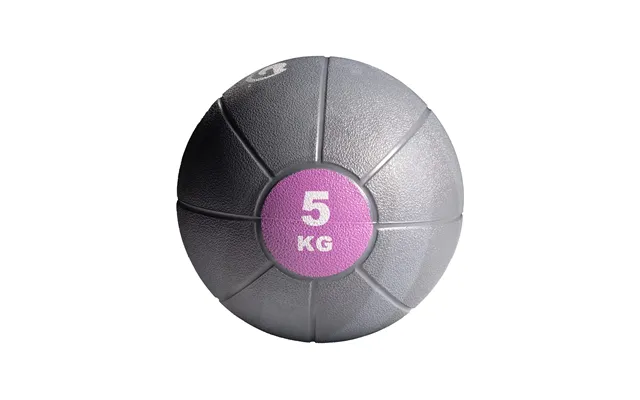
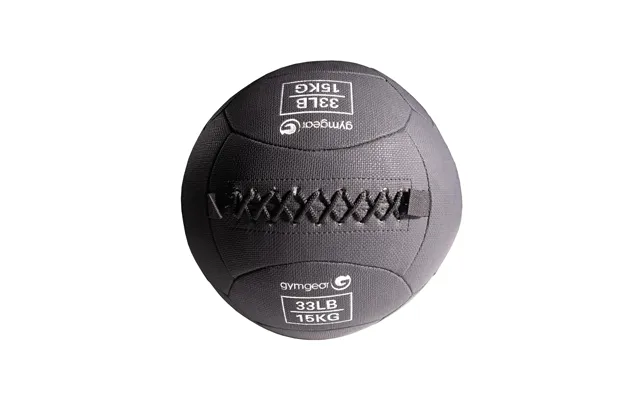
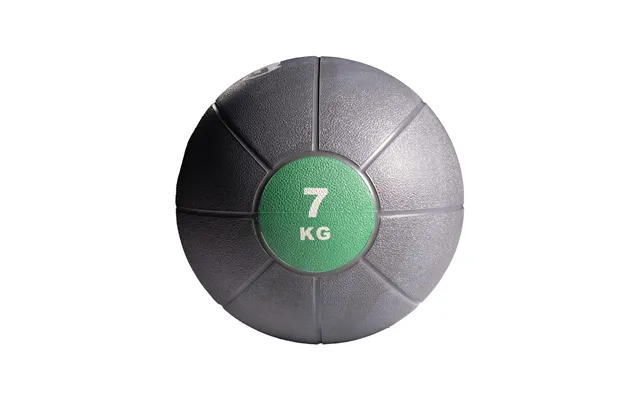
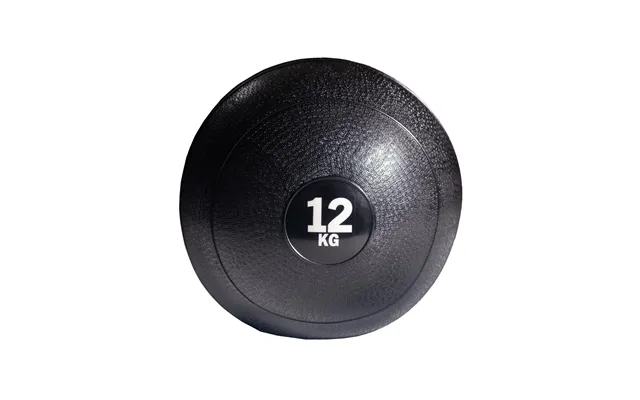
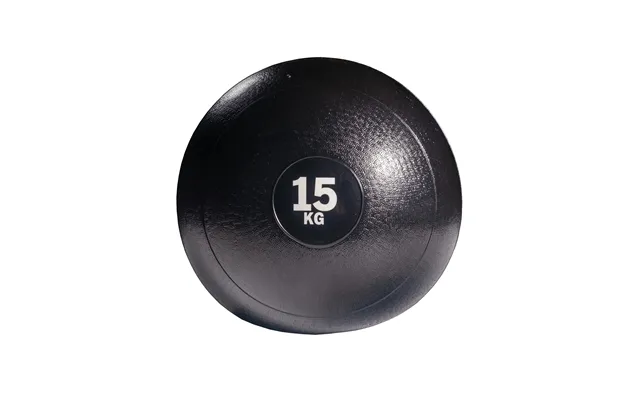
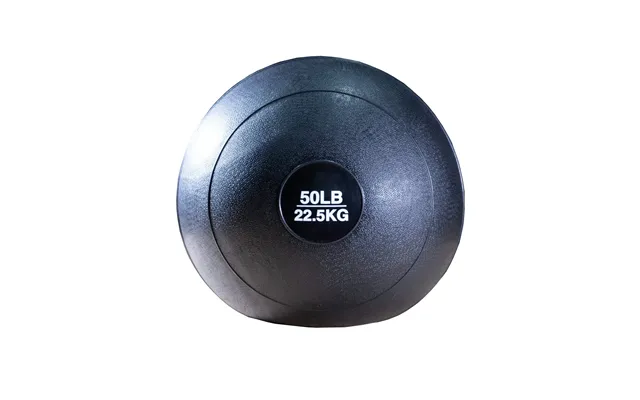
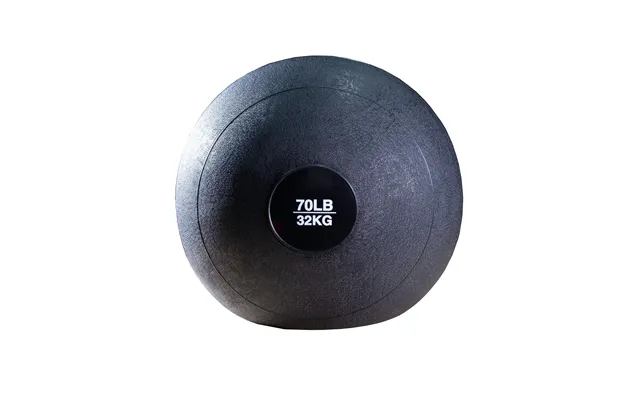
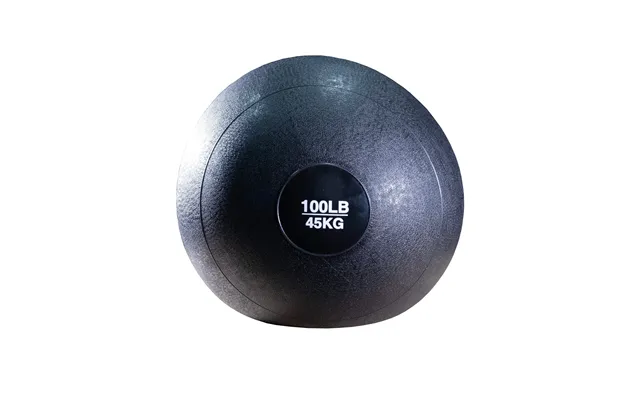
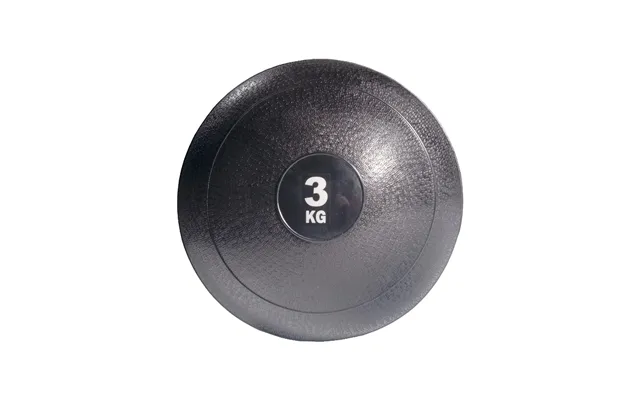
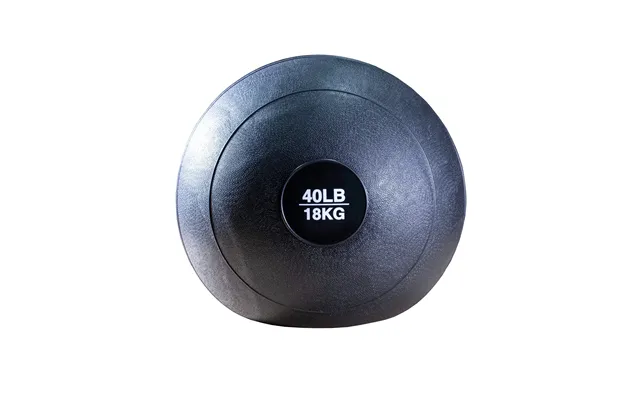
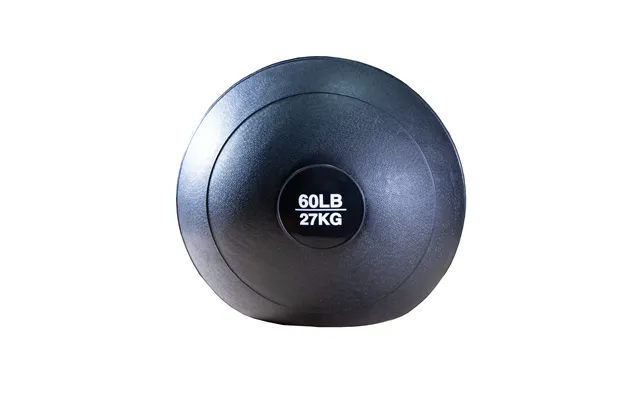
Slamballs are built to be slammed repeatedly onto the ground without bouncing back. They often have a rougher outer texture and are filled to withstand impact. Slamballs shine for high-intensity interval training and power development: you can do repeated overhead slams with a 10 lb to 30 lb ball and not worry about chasing rebounds. Expect diameters roughly in the 8 to 10 inch range for most slamballs.
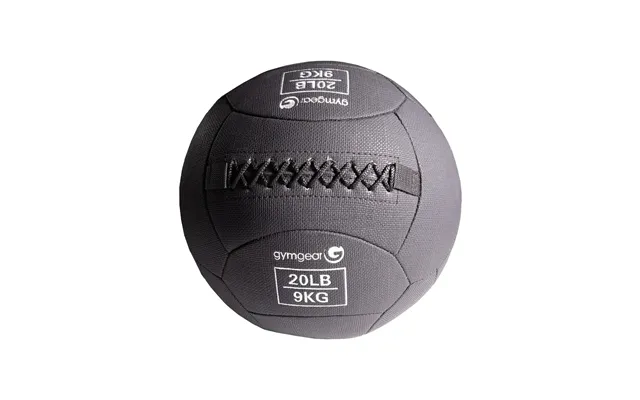
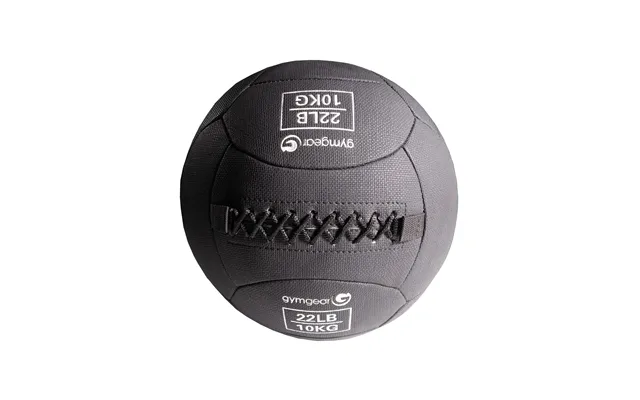
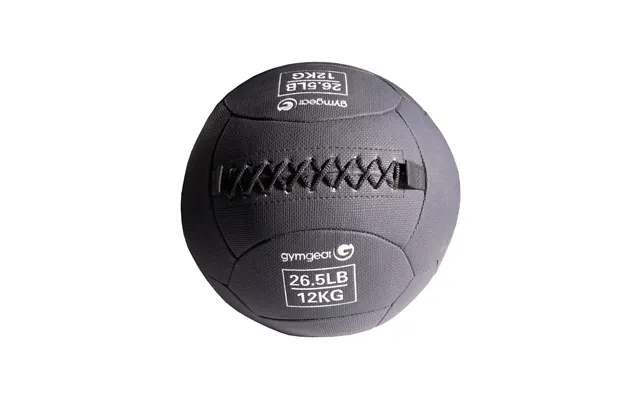
Wall balls are larger and usually softer, designed to be thrown against a wall and caught repeatedly. They feel chunkier in the hands even at moderate weights because diameters can be 10 inches or larger. Wall ball workouts often pair a 10 lb, 12 lb, or 14 lb ball with squats and throws for a metabolic, full-body move used in many functional training classes.
These lightweight options — sometimes 2 lb to 8 lb — are perfect for rehabilitation, senior fitness, or beginners who need a gentler grip. Some inflatable balls let you adjust firmness with air, which affects bounce and feel. They’re not made for heavy slamming, but they’re excellent for core control, balance work, and mobility drills.
Choosing medicine ball weight isn’t a one-size-fits-all formula. Your fitness level, the exercise you plan to do, and your training goals all matter. A ball that’s too light won’t challenge you; a ball that’s too heavy will wreck your form. A simple way to think about it: if you’re doing higher-rep cardio-style moves, go lighter; for low-rep power moves, go heavier.
If you’re new to weighted balls, start in the 4 lb to 8 lb range for core and rotational work, and 6 lb to 10 lb for overhead throws and wall ball drills. For absolute beginners or older adults, a 2 lb to 6 lb soft ball might be ideal to learn proper technique. You should be able to complete 8 to 12 quality reps without breaking form.
Once you’ve mastered technique, step up the weight. For power slams and strength-focused moves, many lifters use 10 lb to 30 lb balls depending on their ability. Athletes training sport-specific power may throw 8 lb to 12 lb for speed and 15 lb to 30 lb for maximal force. Remember: for explosive throws, prioritize speed with controlled technique rather than pure mass.
There are standout models that tend to appear on trainers’ wish lists. Think of them as tools in a toolbox: a lightweight mesh ball for mobility, a mid-range leather ball for general training, and a heavy slamball for power. Here are common choices and what they do best, so you know what to look for when you compare options online or at a local shop.
- Leather or synthetic stitched balls (brands like classic competition-style models): great for partner drills, rotational throws, and workouts that benefit from some bounce. Look for textured panels for grip and clear weight markings in pounds. - Slamballs (durable rubber construction): built for repeated ground impact; ideal for HIIT and building explosive hip and core power. They’re often available from 10 lb to 30 lb. - Wall balls (soft shell, larger diameter): perfect for metabolic conditioning where you combine squats with throws. Common weights include 10 lb, 12 lb, and 14 lb. - Inflatable or soft mesh balls: best for rehab, beginners, and mobility work; often come in smaller packs and lighter weights like 2 lb to 8 lb.
I like to break workouts into short circuits that target different energy systems. Here are a few go-to moves and mini-circuits that show how versatile medicine balls are — and you can do them in a park, garage, or small gym space.
Grab an 8 lb to 12 lb ball, sit on the floor with feet slightly elevated, and twist the ball side to side for 30 seconds. Rest 15 seconds and repeat for 6 rounds. This is a simple, brutal core stabilizer that targets the obliques and improves rotational control for daily movements and sports.
Stand tall with a 10 lb to 20 lb slamball, lift overhead, and slam to the floor with full hip extension. Retrieve and repeat for 8 to 12 reps. Do 3 to 5 sets with rest between sets for strength and anaerobic power. Keep your spine neutral and drive through the hips — don’t just use the arms.
Using a 10 lb to 14 lb wall ball, perform a squat and as you come up, throw the ball to a target on the wall about 8 to 10 feet high. Catch it on the rebound and repeat for 15 to 20 reps. This combines lower-body strength with explosive conditioning and will leave your breathing heavy in just a few minutes.
Partner training turns simple throws into reactive work. Stand about 6 to 8 feet apart and do chest passes with a 6 lb to 12 lb ball for speed and coordination. For rotational power, stand side-by-side and pass the ball in a 90-degree arc to build sport-specific torque.
Medicine ball training is highly effective, but it can be risky if done carelessly. Common mistakes include using a ball that’s too heavy, slamming without hip drive, and training in a cluttered area where you might trip. Also, certain balls bounce unpredictably — don’t use a slamball for partner catches, and don’t rely on a wall ball for heavy floor slams.
To stay safe: warm up dynamically for 5 to 10 minutes, pick a ball that lets you control 8 to 12 reps with good technique, focus on hip and knee extension for slams, and clear a 6 ft radius of objects. If you have a history of back or shoulder issues, consult a professional for movement modifications.
Proper maintenance extends the life of your ball and keeps each session feeling fresh. Most composite and rubber balls can be wiped down after use with a damp cloth and mild soap. Avoid harsh chemicals that could degrade the outer material. Let inflatable balls sit at room temperature; extreme heat or cold can change pressure and feel. For stitched or leather-style balls, keep them dry and store them off the floor when possible.
Check seams and surface texture periodically, especially after repeated slams. If you notice cracks, seam separation, or loss of weight, retire the ball to prevent injury and consider recycling or repurposing it for light mobility work.
Medicine balls pair well with a few simple accessories that amplify workouts or protect your space. A gym mat protects flooring and provides a soft landing for slams. A designated rack or wall mount helps organize multiple weights and keeps your training area tidy. Weighted vests and kettlebells add variety and challenge, while grip gloves or chalk can improve hold for sweaty sessions. If you do a lot of wall ball work, a wall target sticker or painted marker at the right height can save time and improve accuracy.
Since medicine balls are relatively straightforward, the best purchase is usually the one that balances durability, grip, and weight selection. Compare features rather than prices alone: look for clear weight markings in pounds, robust outer material, and positive user reviews about long-term use. Seasonal sales and clearance from sports stores often drop prices on popular models, and many gyms clear out equipment at deep discounts when they upgrade.
If you want to save money while building a set, start with three balls: a light ball (4 lb to 8 lb), a mid-weight for general training (8 lb to 14 lb), and a slamball for power (15 lb to 25 lb). That range will cover most workouts without overwhelming your budget or storage space.
People sometimes assume that heavier is always better or that medicine balls are only for athletes. Neither is true. Heavy balls can damage technique and increase injury risk if you’re not ready; light, fast throws often build better power and speed. And medicine balls are incredibly adaptable — they work for seniors improving balance, office workers building core resilience, and elite athletes refining explosive capacity. The secret is matching the tool to the task.
Expect to see more hybrid designs that blend the forgiving feel of soft-shell balls with the durability of slamballs. Inflatable adjustable-pressure balls are getting popular because you can dial firmness to your preference in pounds of resistance feel. Technology trends include balls with embedded sensors that track reps, velocity, and force to provide feedback for performance-focused athletes. These gadgets aren’t essential, but for data-minded lifters they’re a fun way to measure progress.
A medicine ball is one of the most cost-effective, space-efficient pieces of equipment you can add to your home gym. It’s versatile enough to serve as a daily tool for core conditioning, an explosive implement for power training, and a social object for partner drills. Choose a model based on your most common exercises: slamball for repeated impact, wall ball for metabolic work, and a stitched ball for partner throws. If you’re unsure, start with a light and a medium weight and expand as your strength and technique improve.
Want to compare models and snag the best deal? Use comparison sites, read user reviews, and prioritize durability and clear weight markings in pounds so you know exactly what you’re buying.
Conclusion: Medicine balls deliver huge training value for a small investment. Pick the right type and weight, learn a handful of quality movements, and you’ll have a full-body, functional training tool that keeps workouts fresh and effective.
| Medicine Balls | Price | |
|---|---|---|
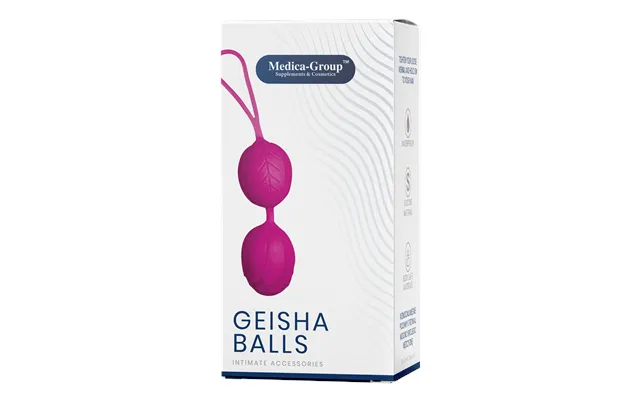
| Medica-group Geisha Balls - Geisha Balls | £ 16,10 |