All categories
Business & Offices
Electronics & Media
Fashion & Accessories
Groceries & Essentials
Health & Personal Care
Home & Living
Kids & Family
Sports & Outdoors
Search in ZoneOffer
Loading...
If you’ve been scrolling through fitness trends and devices lately, vibration exercise machines have probably popped up more than once. They’re those compact platforms that buzz and shake while you stand, squat, or planks on them — and they promise to squeeze more work out of less time. But do they actually help, which models are worth your money, and how do you pick the right one? This guide walks you through what vibration machines do, who they suit, the top models to consider, safe usage tips, and how to compare prices effectively using comparison sites rather than relying on a single retailer’s listing.
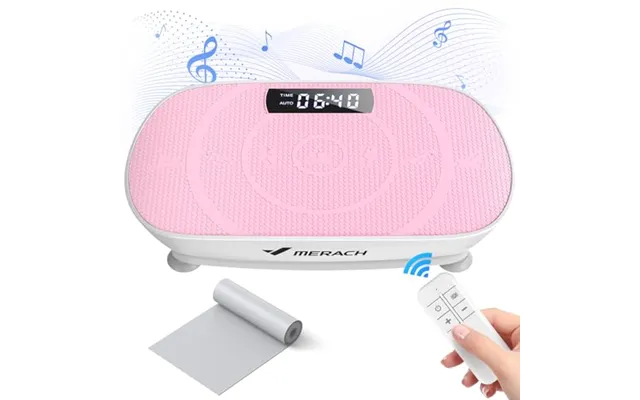
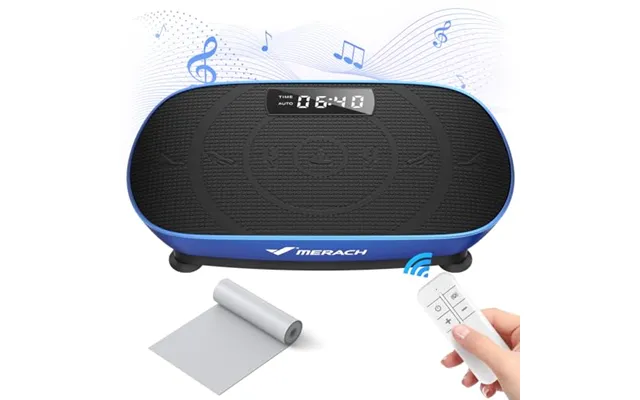
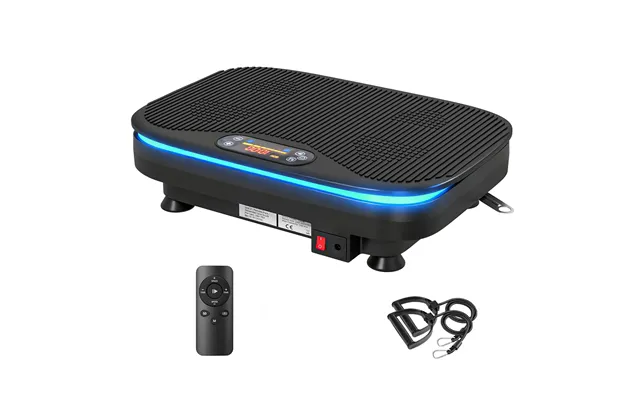
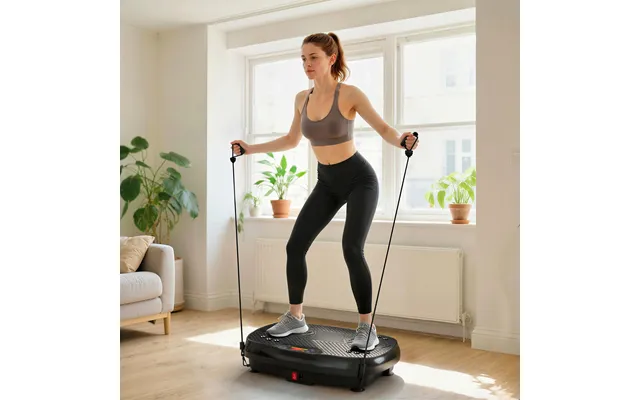
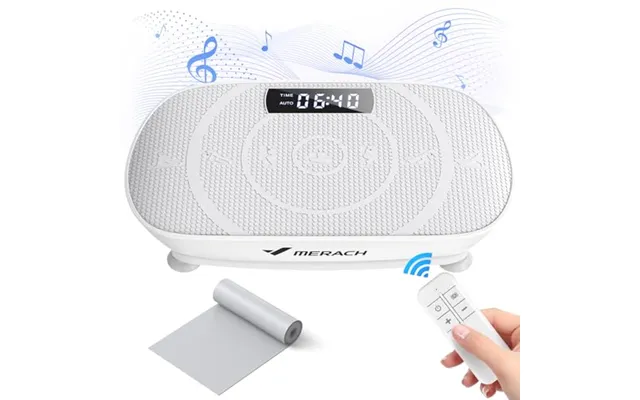
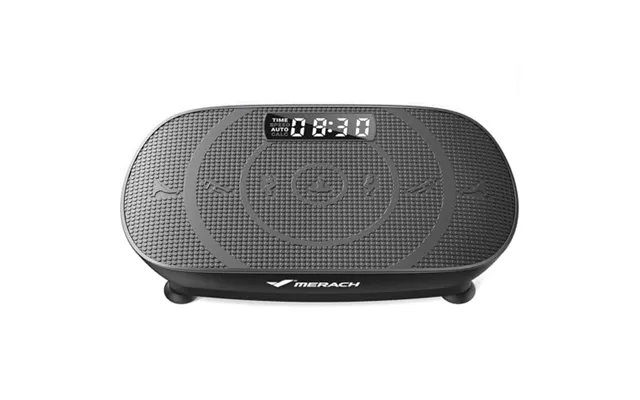
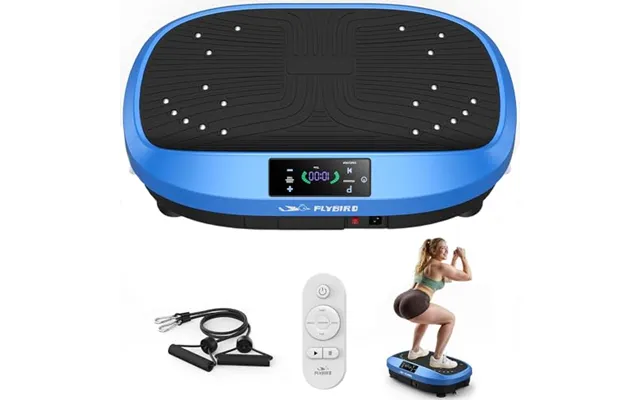
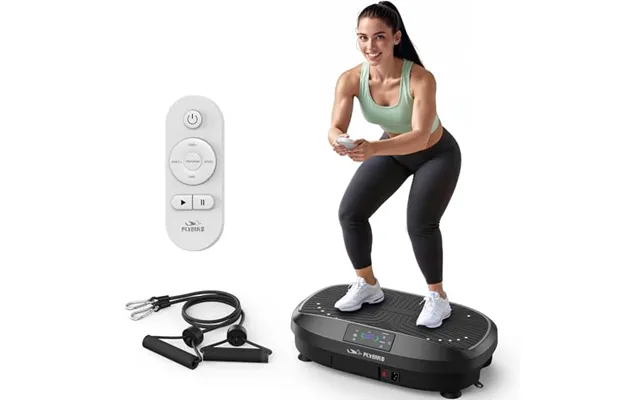
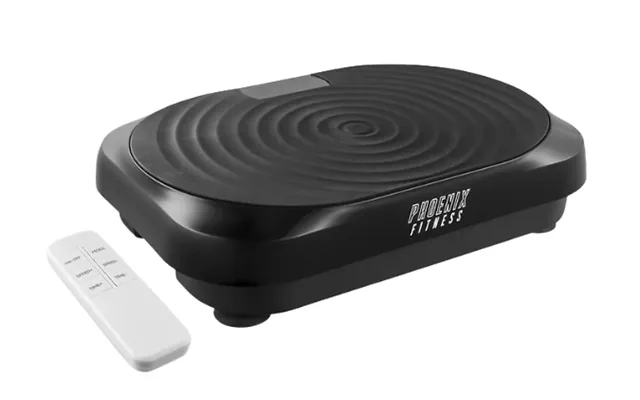
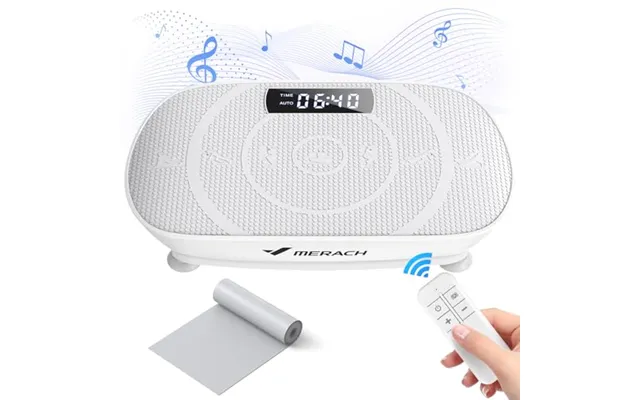
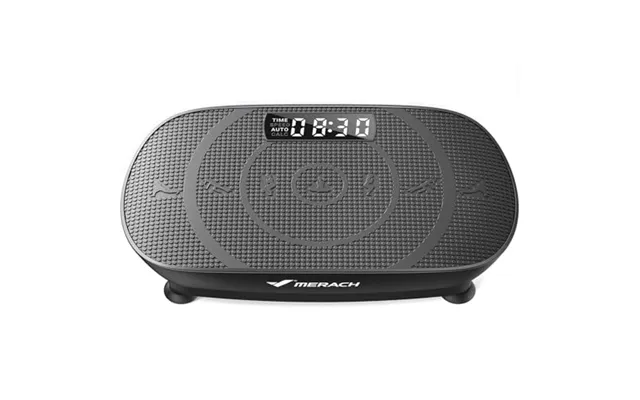
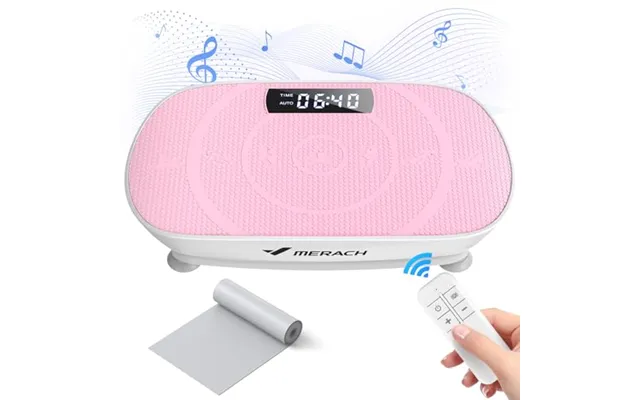
A vibration exercise machine, often called a vibration plate or whole-body vibration (WBV) platform, is a device that oscillates or vibrates at set speeds so the body responds by contracting muscles reflexively. Think of it like standing on a rumbling subway train — your muscles make tiny adjustments to keep you steady, which translates into added muscle stimulation during simple moves. Some people use them as a stand-in for part of a workout; others use them as a supplement to strength training, mobility work, or recovery.
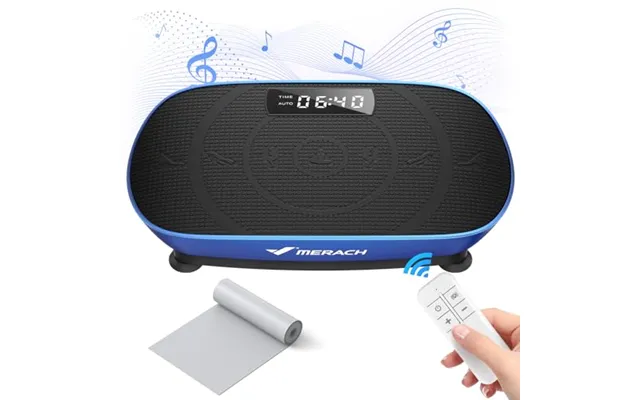
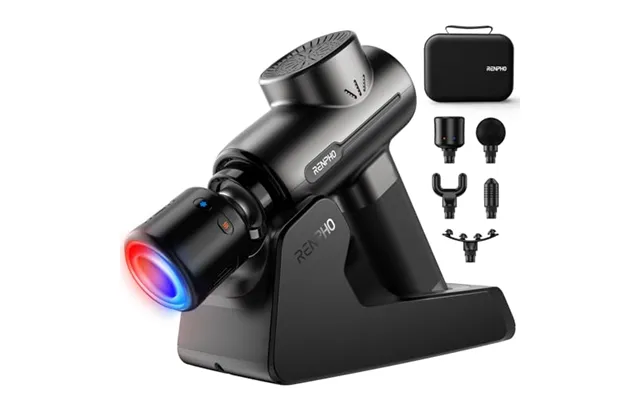
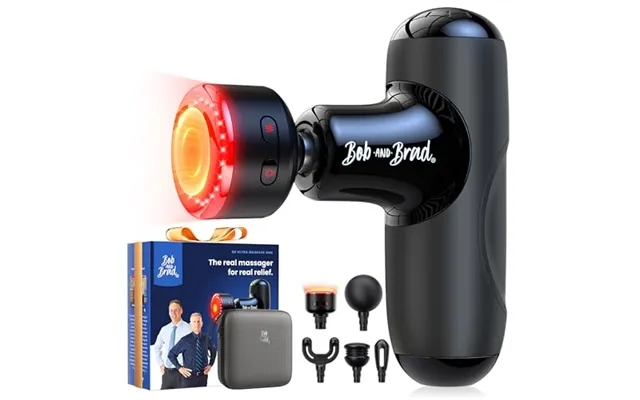
Most machines fall into two camps. Vertical or linear plates move up and down, delivering a uniform vibration across the surface. Oscillating or pivotal plates tilt from side to side, mimicking a teeter-totter motion that focuses on hip and core activation. Some brands combine both motions in a 3D or multi-directional platform for a broader stimulus. Which type you choose depends on your goals — vertical tends to deliver stronger overall power, while oscillating devices can feel gentler and more balanced.
At a basic level, vibration machines stimulate muscle spindles — tiny sensors inside your muscles — which trigger reflex contractions. These rapid contractions can increase muscle activation, local blood flow, and, in some cases, flexibility and balance. Imagine tapping a metronome against your muscles: the repeated taps force fast, tiny responses. Over time, those responses can complement regular strength work. That said, vibration machines are not magic; they are a tool that amplifies specific aspects of your training when used correctly.
Two numbers matter most: frequency (how many vibrations per second, measured in Hz) and amplitude (how far the platform moves, typically measured in inches). Lower frequencies (around 15–30 Hz) often feel gentler and are great for balance and circulation. Higher frequencies (up to 40–50 Hz on some machines) provide a more intense muscle stimulus. Amplitude can be low (tiny movements) or high (more pronounced motion), and together these settings determine the intensity and type of response your body gets. Many quality machines let you dial both to match your fitness level.
Why do people buy vibration plates? The appeal boils down to a few core benefits: added muscle activation in less time, potential improvements in balance and mobility, and a handy recovery tool that can increase blood flow to sore areas. For someone short on time, a 10–15 minute session on a vibration plate might be a useful add-on to a short resistance routine. Older adults sometimes use them for balance training, while athletes might include short sessions for warm-up or recovery.
Don’t expect a vibration plate to replace a full strength-training program or cardio sessions. It won’t magically torch fat without a calorie deficit, and results depend heavily on how you use the machine — body positions, resistance work added, and session frequency. Think of it as an amplifier, not a replacement: it can boost outcomes when paired with sensible exercise and nutrition, but it’s not a shortcut to overnight transformations.
There are a number of reputable brands and models on the market, ranging from budget-friendly platforms to premium performance systems. Below are some common categories and examples to help you narrow choices.
Premium brands like Power Plate build commercial-grade systems that are often used in studios and by trainers. These machines typically offer precise frequency control, robust motors, and a solid warranty. They can cost significantly more than basic models but appeal to users wanting high durability and clinical-level settings. If you want pro-level features and plan heavy, frequent use, a premium plate may be worth the investment.
Mid-range brands strike a balance between price and performance. Models from companies such as LifePro and Bluefin usually feature multiple preset programs, a range of frequencies, and remote controls. They often support a maximum user weight in the 250–300 lb range and fit nicely in a home gym without taking up much floor space. These machines are popular for general fitness, recovery, and light strength work.
If you’re new to vibration training and want to try it without a big outlay, budget models offer an affordable introduction. These plates typically have fewer programs and lower maximum frequencies but can still provide meaningful stimulation for beginners. Expect lighter build quality and smaller weight limits — they’re best for casual use and short sessions.
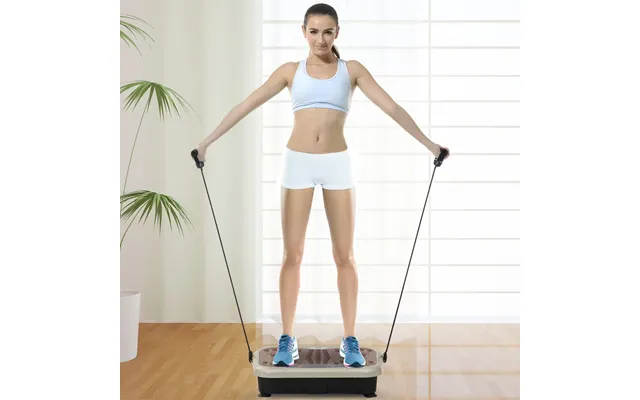
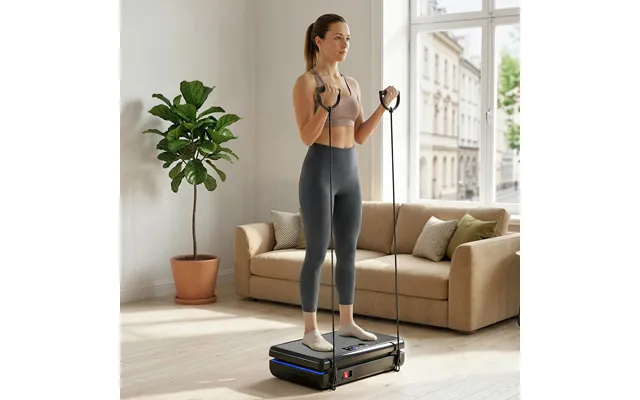
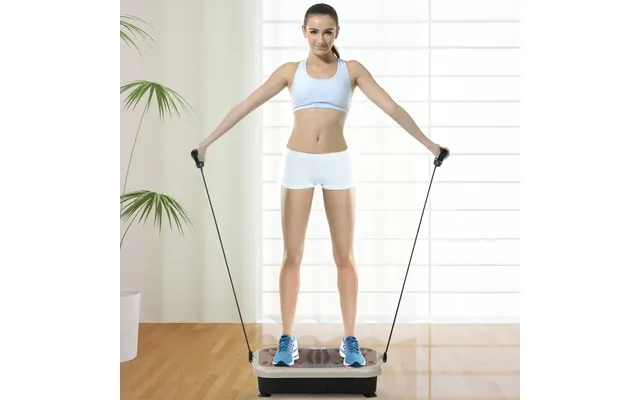
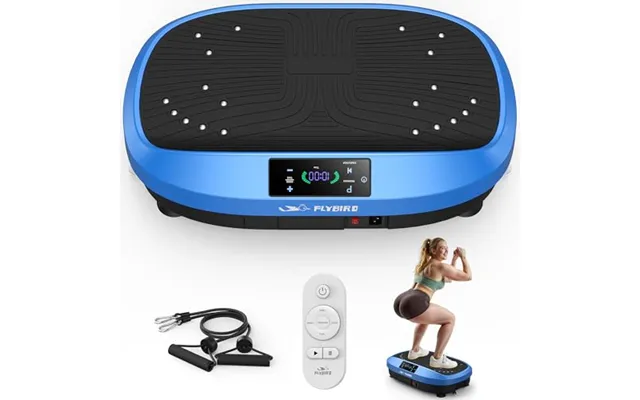
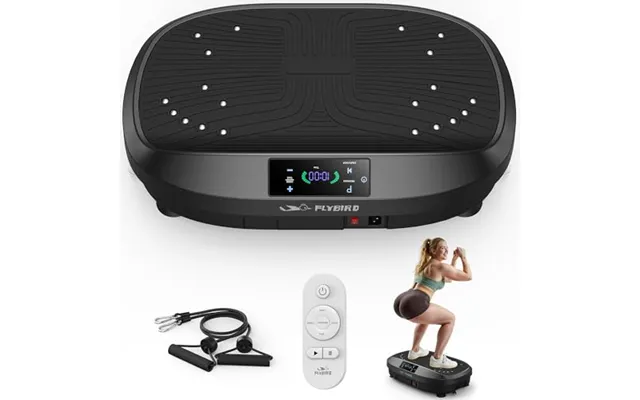
Some manufacturers produce compact plates designed specifically for targeted use — for example, mini platforms for foot and ankle work, or plates that pair with resistance bands for standing full-body routines. These are great if storage space is limited or if you want a lightweight, transportable option to use in small apartments.
Picking a machine comes down to matching the device to your goals, budget, and space. Here are the practical factors to weigh before buying.
Look for machines that cover a wide frequency range so you can experiment. If you want a stronger stimulus for short activities, higher frequencies will be useful; for gentle balance and circulation work, lower frequencies are better. Machines that let you tweak amplitude give you more control over intensity.
Check the maximum user weight (listed in pounds). A sturdier frame feels safer and lasts longer, especially if multiple people will use the device. If the weight capacity is close to your current weight, consider stepping up to the next model to preserve performance over time.
Most vibration plates have a small footprint, but measure the available space in your home in inches so the device fits comfortably. Also, consider whether you need a foldable or compact model for stashing under a bed or sofa between uses.
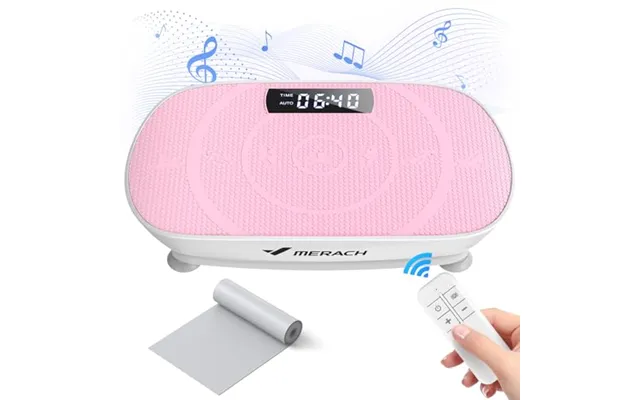
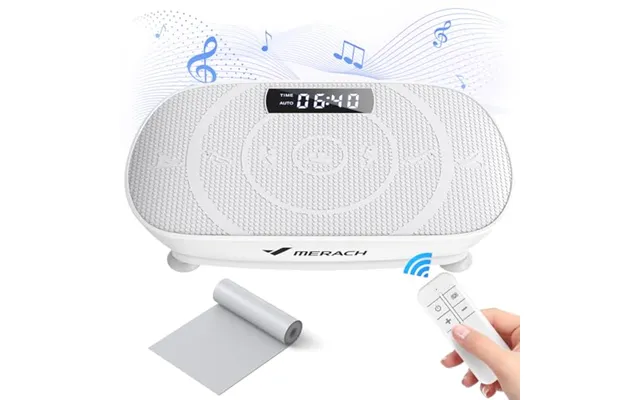
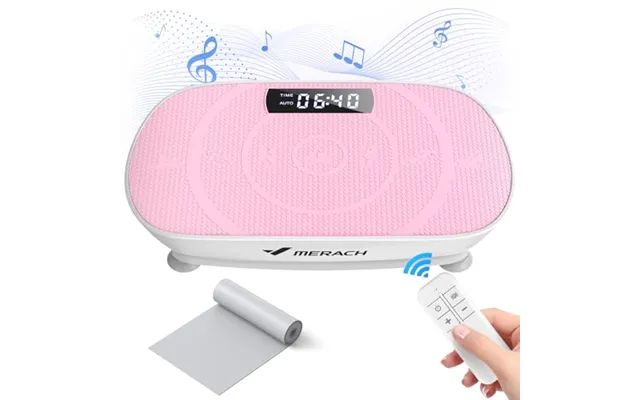
Preset programs, Bluetooth connectivity, app integration, and included accessories like resistance bands or mats can add value. Think about whether you'd actually use fancy features or prefer a simple, reliable machine without bells and whistles.
Using a vibration plate is straightforward, but safety and smart programming are key. Start gently and build up as your body adapts.
Begin with 5–10 minute sessions at a low frequency, standing or doing simple squats. Gradually increase time to 15–20 minutes as needed. For strength gains, add isometric holds — like a half-squat or plank — while on the plate. Avoid long continuous standing at high settings until you know how your body responds.
Some muscle soreness is normal, but sharp pain, dizziness, or prolonged discomfort are signs to stop and reassess. People with certain medical conditions or implants should consult a healthcare provider before using vibration therapy. Pregnant women should generally avoid whole-body vibration unless cleared by their clinician.
Here are simple routines you can try on most vibration machines. Always warm up for 3–5 minutes off the plate first.
1) 1-minute gentle stand at low frequency, 2) 1-minute half-squat, 3) 1-minute calf raises, 4) 1-minute standing hamstring stretch, 5) 1-minute seated glute squeeze. Repeat once more if comfortable. This routine is great for beginners who want to feel the effects without fatigue.
1) 1-minute dynamic squats at moderate frequency, 2) 1-minute push-up hold with hands on the plate, 3) 1-minute side plank with elbow on the plate per side, 4) 1-minute lunges with back foot on the plate, 5) 1-minute seated core twists holding a light weight. Repeat circuit if time allows.
1) 2-minute isometric deep squats with resistance bands, 2) 1-minute single-leg balance holds, 3) 1-minute explosive calf raises, 4) 1-minute plank with alternating knee tucks, 5) 2-minute core rollouts using sliders. Push intensity with higher frequency and shorter rest periods, but monitor form closely.
Keeping your vibration plate working well is mostly common sense. Place it on a flat, stable surface and give the motor breathing room. Use a rubber mat underneath to protect floors and reduce noise. Wipe down the surface after use to remove sweat, and keep the machine indoors away from extreme temperatures. Periodically check screws and connections, and follow the manufacturer’s recommendations for service.
Because vibration machines vary widely in features and price, using a comparison site can save time and money. Comparison tools let you scan different brands, read specs side-by-side, and spot seasonal discounts or bundle offers. Remember to compare total value — including warranty length, included accessories, and shipping — rather than focusing on the lowest price alone. A solid warranty and good customer support often justify paying a bit more for peace of mind.
There’s a lot of hype around vibration machines, so let’s clear up a few myths. Myth: vibration plates alone will melt fat without exercise — not true. Myth: they’re dangerous for everyone — not true if used sensibly and after medical clearance when needed. Myth: all plates are the same — far from it; motor quality, frequency range, and amplitude vary and affect outcomes. Being informed helps you pick a model that fits your needs rather than chasing marketing claims.
Vibration exercise machines can be a valuable addition to your fitness toolbox if you set realistic goals and use them wisely. They’re especially useful for busy people who want to enhance muscle activation, for older adults seeking balance work, and for athletes looking for an extra recovery tool. When choosing a model, prioritize build quality, useful frequency ranges, and a comfortable weight capacity. Try to test a machine in person when possible, and use comparison sites to make an informed purchase that balances price and performance.
Bottom line: a vibration plate isn’t a miracle device, but when paired with consistent exercise and sensible nutrition, it can accelerate certain results, add variety to your routine, and make training feel fresher. Ready to give it a try? Start small, focus on form, and compare options so you get the best fit for your home and goals.