All categories
Business & Offices
Electronics & Media
Fashion & Accessories
Groceries & Essentials
Health & Personal Care
Home & Living
Kids & Family
Sports & Outdoors
Search in ZoneOffer
Loading...
If you lift weights, you know the barbell and dumbbell are the stars of the show — but the supporting cast of accessories can make or break your progress. Free weight accessories add safety, comfort, and performance benefits that let you lift heavier, recover faster, and train more consistently. Think of them like tires on a high-performance car: you can have the best engine, but without the right grip and protection, you won't reach peak speed.
A lifting belt helps increase intra-abdominal pressure so your lower back stays more stable during heavy squats, deadlifts, and overhead presses. Beginners often underestimate how much a properly fitted belt can improve confidence and technique when they first move into working sets in the 150–300 pound range. Look for belts 4 inches wide in the back and made from leather or tough synthetic materials for the best balance of support and comfort.
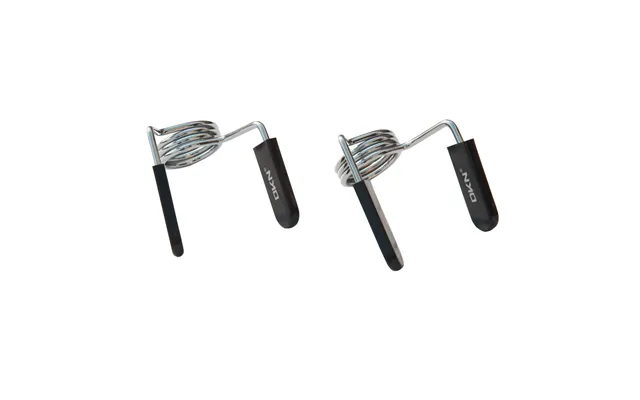
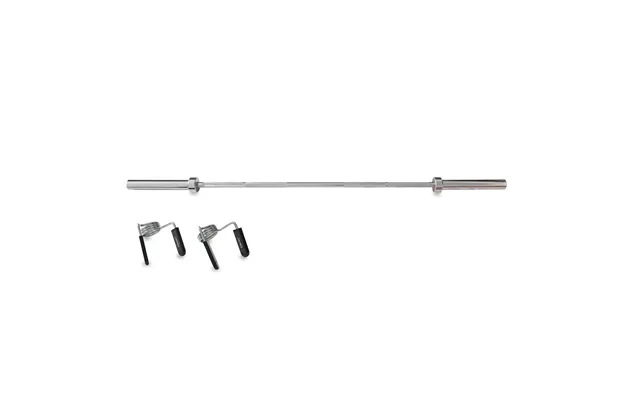
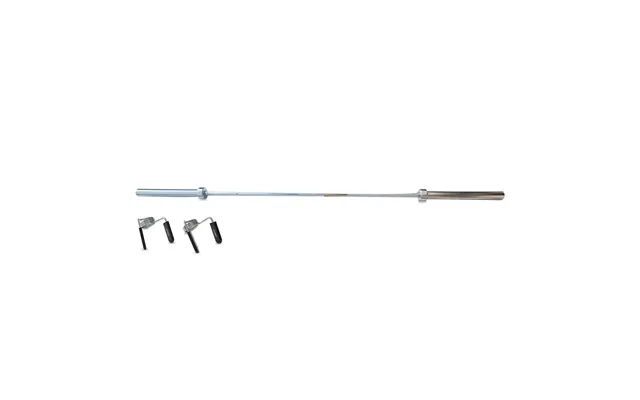
Barbell collars and dumbbell clips are tiny items that stop plates from sliding off mid-set — and they can be the difference between a focused session and a dangerous accident. Spring collars, clamp-style collars, and quick-release designs are common; if you frequently change weights for supersets or circuits, choose a quick-release collar to save time. For Olympic bars with 2-inch sleeves, pick collars rated for that size.
Grip is everything when you're trying to move heavy pounds. Gym chalk dries sweat and improves friction; it's ideal for deadlifts and pull-ups. If chalk isn’t allowed where you train, lifting gloves or grip pads provide an alternative, helping protect your hands and extend set length. But remember: gloves can reduce tactile feedback, so balance protection with the feel you need for technique work.
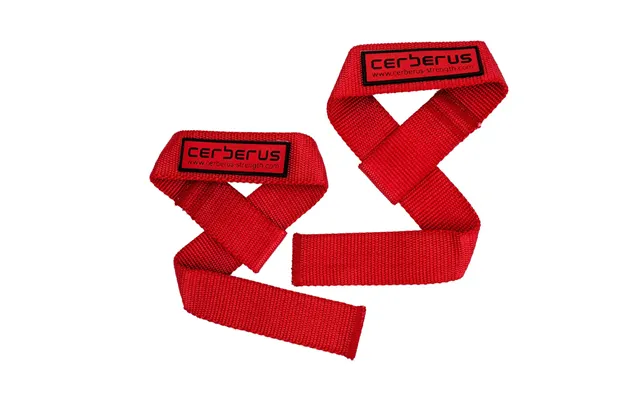
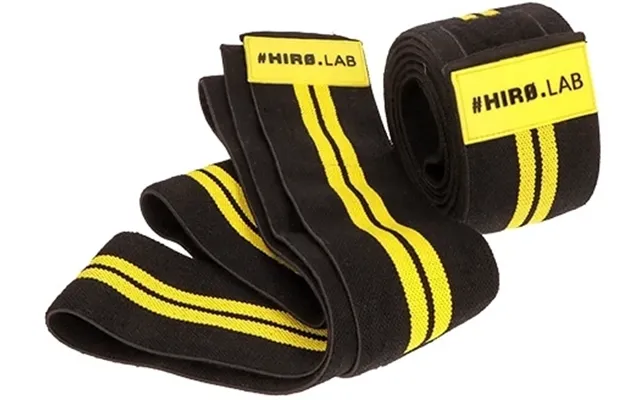
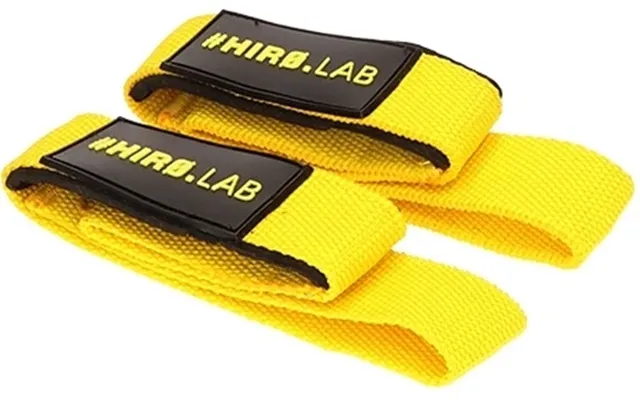
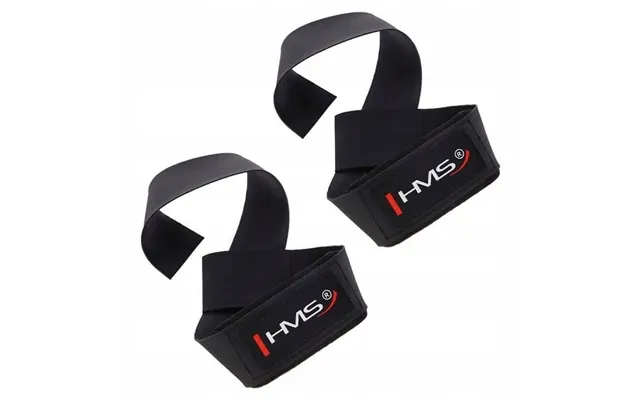
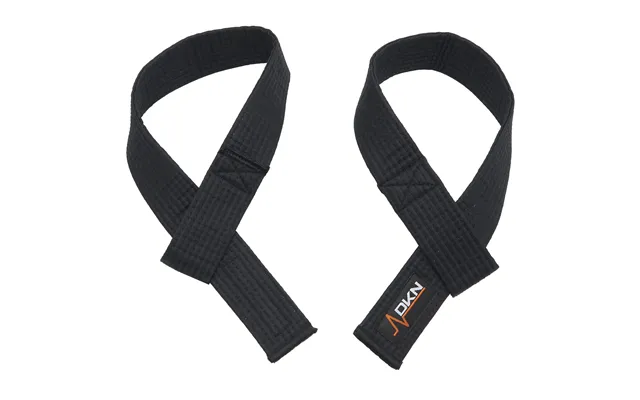
Wrist wraps stabilize the wrist joint for pressing and heavy front-loaded movements, while lifting straps help you hold on during maximal rows and deadlifts without your grip giving out first. Use wrist wraps for heavy bench presses in the 200–500 pound range and straps selectively — over-reliance on straps can stunt grip strength development, so reserve them for final sets or max attempts.
Knee and elbow sleeves provide compression, warmth, and mild support to reduce joint pain and improve proprioception. A pair of 7 mm neoprene knee sleeves can help keep knees happy during heavy squatting and rep work, while elbow sleeves are handy for presses and heavy pulls. They’re not braces, so they won’t fix serious injuries, but they’re great for comfort and small performance gains.
Shoes with a raised heel are excellent for squatting as they improve ankle mobility and keep you balanced; weightlifting shoes often have a 0.5–1 inch heel. For deadlifts and heavy pulls, flat-soled shoes or deadlift slippers give a more solid connection to the floor. Pick one pair for explosive Olympic-style lifts and another for stabilized powerlifting-style moves if you train both ways.
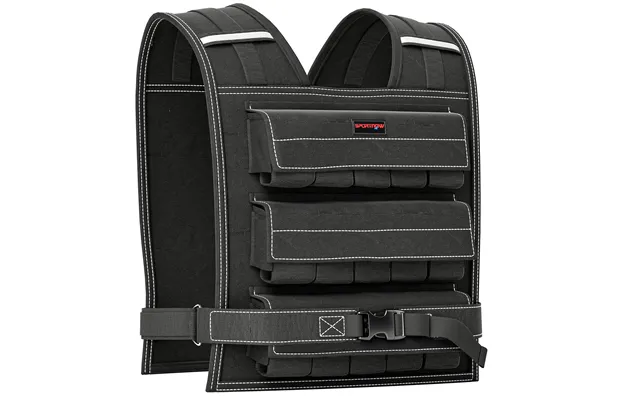
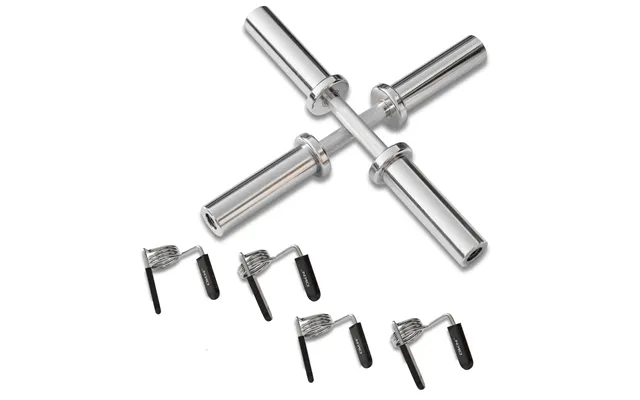
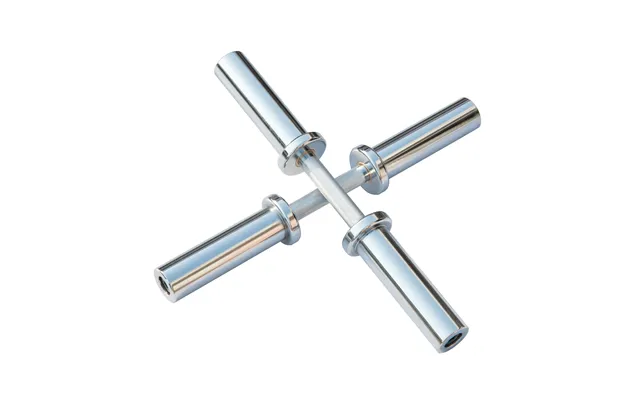
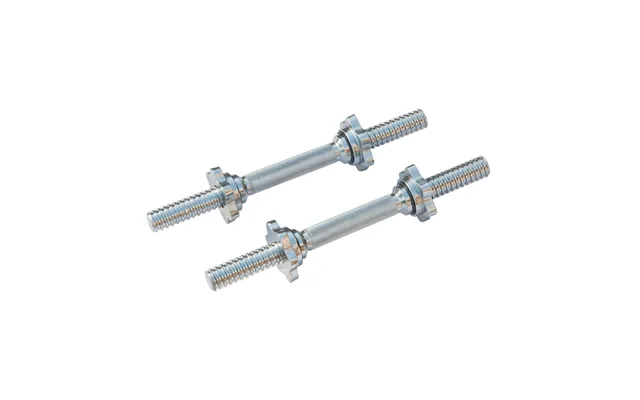
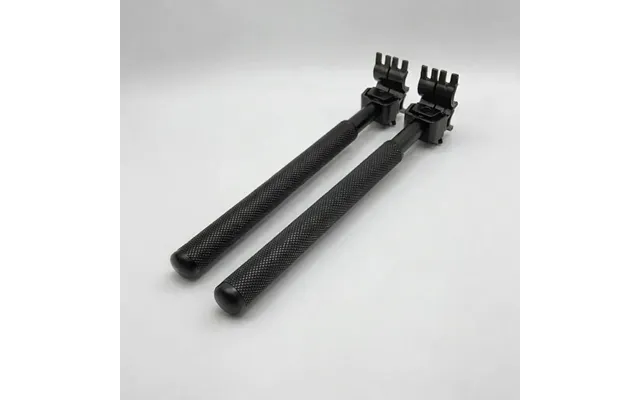
Loadable dumbbell handles let you convert plates into adjustable dumbbells, saving space while giving you progressive overload. If you have plates in 2.5, 5, and 10 pound increments, a pair of 12–15 inch handles will cover a wide range of workouts from light shoulder work to heavier goblet-style presses. For convenience, quick-adjust dumbbell systems are pricier but cut down swap time dramatically.
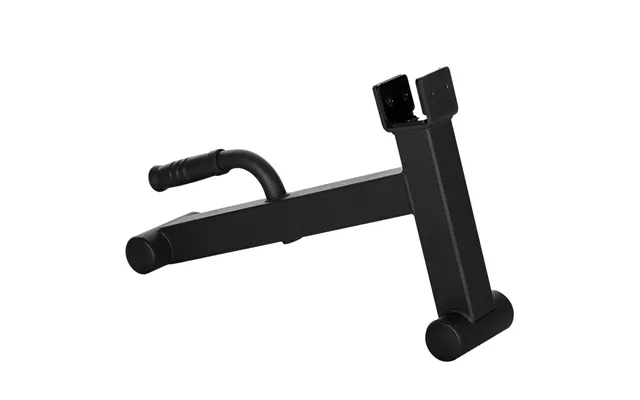
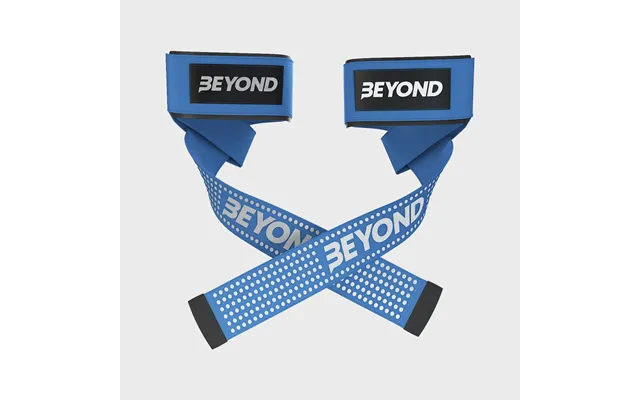
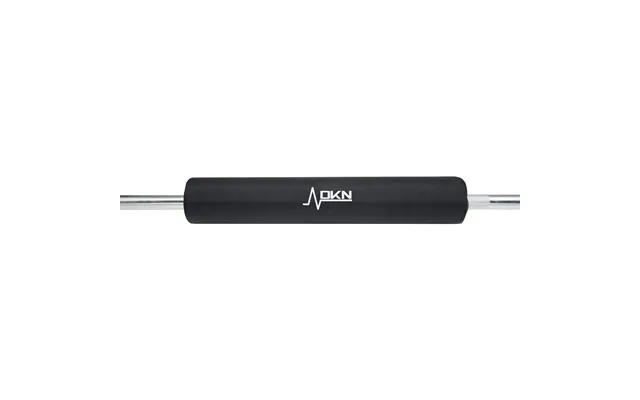
Barbell pads provide cushion during lunges and hip thrusts so you can focus on working the muscle instead of babysitting bruised hips or neck. A high-density foam pad that clamps onto the bar is simple and effective, especially if you’re moving to heavier sets or training frequently. They’re inexpensive and extend the comfort of complicated compound moves.
Protecting your floor and your equipment pays off. Rubber mats or interlocking tiles shield wood or concrete from dropped plates and offer a stable surface for lifting. Combine flooring with a compact storage rack or wall-mounted plate holder to keep your home gym organized and reduce tripping hazards — a tidy gym helps you focus and trains safer.
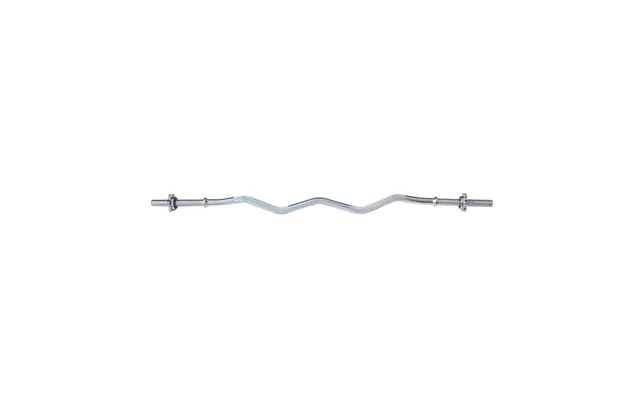
Landmine attachments turn a single barbell into a multi-directional lever, opening up rows, presses, and rotational core work that feel different from standard lifts. Multi-grip handles and cambered bars provide variety and reduce joint strain, which is useful if you’re rehabbing an old shoulder or chasing more muscle stimulus without extra volume.
If you're training for strength and moving big loads in the 300–600 pound range, prioritize rigid belts, sturdy collars, and solid knee sleeves. If your aims are general fitness and muscle building with sets in the 20–100 pound range, comfort items like pads, straps, and adjustable dumbbells will serve you better. Match your accessory choices to the lifts and weight ranges you do most.
Leather, heavy-duty nylon, and thick neoprene hold up best under daily use. Velcro can wear out, so look for stitched closures and reinforced seams on wraps and belts. For collars and clips, metal or high-quality polymer constructions last longer than thin plastic alternatives — that matters when you regularly slide plates on and off 45 pound plates.
Accessories that don’t fit are useless or harmful. Measure your waist for belts, your knee circumference for sleeves, and wrist size for wraps. Many suppliers list dimensions in inches; use them. For belts, choose a sizing system that gives 1–3 inches of tightening room so you can breathe and brace comfortably during heavy lifts.
Keep leather items conditioned, and air-dry neoprene sleeves after sweaty sessions to prevent odor and material breakdown. Wipe down metal bars and collars after use to stop rust; a light coat of machine oil on bare steel sleeves goes a long way. Store accessories flat or hung up so padding and seams don’t deform — thinking of them like shoes helps: treat them well and they’ll return the favor.
On a tight budget, go for basic collars, a sturdy pair of wrist wraps, and a mid-weight lifting belt. Many quality entry-level neoprene knee sleeves and basic leather belts are available under $50, and they provide excellent bang for your buck. Prioritize items you’ll use every session rather than flashy extras that gather dust.
If you train 3–6 times a week, mid-range products give better durability and comfort. Think split-leather belts, reinforced velcro wraps, and 7 mm neoprene sleeves. Adjustable dumbbell systems in the mid-price tier often come with improved locking mechanisms and higher plate compatibility — these upgrades are worthwhile when you’re training consistently.
For competitive lifters or those who won’t compromise, premium gear like single- or double-pronged leather belts, metal clamp collars, and branded lifting shoes with a precise 0.6–1 inch heel are ideal. Premium adjustable dumbbells with secure tray systems and all-metal construction can save space without sacrificing the feel of traditional iron plates.
Use accessories to complement, not replace, your technique. For example, put on a belt for your heaviest working sets but practice core bracing without it on lighter sets to develop natural stability. Rotate between straps and raw grip work to build hand strength. Treat sleeves and wraps as tools for volume and recovery — they should help you train more, not mask pain from poor form.
Accessories can make lifts safer, but they’re not magic. Always progress weights gradually — adding 5–10 pounds to a bar can feel small but change movement mechanics significantly. Use spotters for heavy bench and squat work, especially when you’re pushing near maximal loads. If an accessory causes pain or changes your movement pattern, stop using it and reassess your setup and technique.
Price and availability vary a lot between retailers and across regions; comparison tools and review sites can help you find the best balance between price and quality. Look for verified customer reviews, clear sizing charts in inches, and warranties on higher-ticket items. A quick comparison can save you money and time — and keep you lifting with confidence instead of buyer’s remorse.
Before you add accessories to your cart, run through a quick checklist: is the size listed in inches? Does the product match the bar diameter or plate size you own (for collars and landmine attachments)? Can you return or exchange it if it doesn’t fit? Do reviews mention durability for items like velcro and foam pads? Answering these few questions reduces surprises and keeps your gym time productive.
Accessories are the unsung heroes of strength training — they protect you, enhance performance, and make heavy days feel less intimidating. Whether you’re building a minimalist home gym with a pair of loadable dumbbells and a set of collars or assembling a serious setup with leather belts and premium lifting shoes, the right accessories help you train harder, safer, and smarter.
Start with the essentials that match your goals, maintain your gear, and upgrade selectively as your lifts and budget grow. With the right selection, you’ll unlock strength gains and workout consistency like a pro.
Conclusion: Accessories aren’t just add-ons — they’re part of the toolkit that lets you lift heavier, recover better, and stick with training longer. Choose wisely, use them strategically, and enjoy the progress.
| Free Weight Accessories | Price | |
|---|---|---|
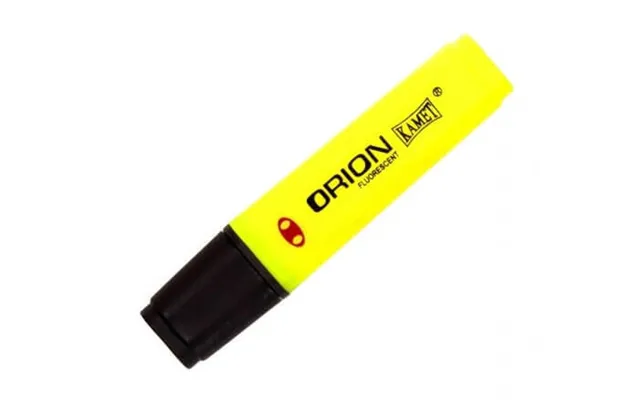
| Kamet - Orion Chalk | £ 0,70 | |
| Adult Sports And Shoulder Protectors Weightlifting Strength Training Strain Adjustable Compression Fixed Strap Male | £ 7,03 |