

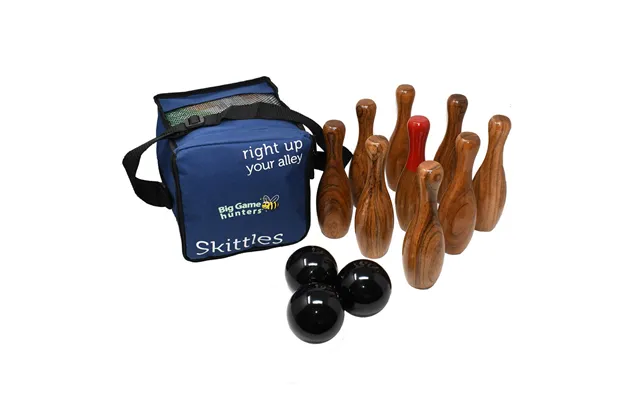
Bowling Pins price list
Last updated Wednesday, 18 Nov 2026
| Bowling Pins | Price |
|---|---|
| Premium Wooden Skittles | £15.00 |

View 1 Offers
Loading...
Last updated Wednesday, 18 Nov 2026
| Bowling Pins | Price |
|---|---|
| Premium Wooden Skittles | £15.00 |
Bowling pins are the heart of the sport—without the right set, your game, practice sessions, or family nights feel off. Whether you’re rolling a 10-pound ball down a 60-foot lane or setting up a mini backyard lane for kids, the type and quality of pins you use affect how the ball reacts, how strikes sound, and how long your equipment lasts. Think of pins as the final puzzle pieces of every frame: they turn a good roll into a great moment when they fall in a satisfying cascade.
Not all pins are created equal. There are several common varieties you'll come across: traditional tenpin, duckpin, candlepin, mini/party pins, and specialty glow or LED pins. Each type serves a different audience—competitive leagues stick to standardized tenpins, while family entertainment centers and home kits often use lighter, more durable plastic versions designed to withstand rough use.
Tenpin pins are the standard in most alleys and competitions. A regulation tenpin measures about 15 inches tall and roughly 4.75 inches at its widest point, and individual pins usually weigh around 3 pounds 6 ounces. These pins are built for heavier balls (typically 10–16 pounds) and long lane play, so they’re dense and designed to deliver consistent action when struck.
Duckpin and candlepin bowling use smaller pins and lighter balls. Duckpins are shorter than tenpins—around 9 to 10 inches tall—and candlepins are taller and thinner than duckpins but lighter than tenpins. These types are popular in specific regions and offer a different challenge: the smaller pins reduce the margin for strikes and encourage more strategic play.
Mini pins are perfect for home use, parties, or kids. They typically range from 6 to 12 inches in height and are often made of lightweight plastic. They’re inexpensive, portable, and usually come in sets with lightweight balls. If you want something fun for the backyard, garage, or living room, mini pins are a safe bet.
For entertainment venues or parties, glow-in-the-dark or LED pins add flair. These can be plastic pins with embedded LEDs or pins coated with blacklight-reactive paint. While they may not meet league standards, they dramatically enhance the social, visual aspect of bowling nights and family events.
Historically, bowling pins were made from hard rock maple. Today, many commercial and home pins are wooden with a protective coating or fully molded plastic. Solid wooden pins provide authentic feel and rebound for competitive play, while plastic or composite pins resist chipping, moisture, and rough handling—perfect for family centers and outdoor use.
Wooden pins—often rock maple or composite wood—offer traditional ball action and a rich, resonant sound when they’re struck. They’re typically used in league and tournament settings. To protect them, manufacturers apply multiple layers of lacquer and a durable finish that helps pins survive repeated impacts.
Plastic pins are molded from durable polymers and are ideal for heavy-use environments like amusement centers or home play where kids are involved. They won’t split like wood and are easier to clean, though they might lack the exact dynamics of a wooden pin in professional scenarios.
If you’re buying pins for a specific purpose, specs matter. Regulation tenpins measure about 15 inches in height and weigh roughly 3 pounds 6 ounces each, with a tolerance range of a few ounces. Lane length from foul line to headpin is 60 feet, so pin size and weight are calibrated to that distance and to the typical 10–16 pound bowling ball. For home sets, mini pins may be 6 to 12 inches tall and weigh under a pound per pin—easy to move and store.
Manufacturers often list height and weight in product descriptions. Use those numbers to match pins with your bowling balls and lane size. A heavier pin reacts differently to a 10-pound ball than a lighter party pin does, so choose the right combination for realistic play or family-friendly fun.
Deciding between home and commercial pins comes down to durability, budget, and realism. If you’re outfitting a basement lane and want authentic feel, invest in wooden or league-spec pins. If durability and cost are priorities—for example, for a kids’ playroom, outdoor BBQ games, or a youth club—go for injection-molded plastic pins that can shrug off rough handling.
Home setups generally prioritize portability and safety. Look for pins that are lighter, rounded at the edges, and clearly visible. Many home kits bundle pins with a ramp, small balls in sizes designed for kids, and carrying bags. These kits are affordable and perfect for casual use.
For alleys and league play, meeting standards is crucial. Choose pins that comply with regulatory dimensions and weight. Commercial pins may also be designed for automated pinsetters and have consistent balance and finish to support predictable play over thousands of frames.
Bowling pins and balls are partners in crime. Ball weight, coverstock material, and lane length all influence pin reaction. Heavier balls (12–16 pounds) create more carry-through and are commonly used with regulation tenpins. Lighter or plastic pins will behave differently—less carry and quieter hits—so always match the pin type to the ball and the experience you’re aiming for.
Ball weights in recreational play typically range from 6 to 12 pounds for youngsters and up to 16 pounds for adults. A heavier ball transfers more energy into the pin deck, increasing strike potential. If you install a lane in a home game room but plan to use lighter balls, consider slightly lighter pins to keep the game balanced.
Great pins deserve great accessories. Essentials include pin racks for storage, pin setters (manual for home, automatic for alleys), ball return ramps for kids, lane markers, and scoring apps that keep play moving. If you want to protect your investment, pick up a few extras like a pin carrying case and a set of replacement pins for heavy-use venues.
Pin racks keep your pins organized and safe. For mobile setups, a padded transport case will extend the life of plastic and wooden pins alike. Racks also make setup and teardown quick—handy for parties or community events where time is tight.
Automatic pinsetters are standard in alleys, but they’re expensive and impractical for home use. Manual pinsetters or simple placement guides are a cost-effective alternative for hobbyists. For children or casual players, a simple return ramp and hand-set pins are perfectly fine.
Maintenance varies by material. Wooden pins need occasional re-lacquering and should be stored dry and out of direct sunlight to prevent warping. Plastic pins are easier—clean with mild soap and check for cracks. For high-use environments, inspect pins regularly for dents and replace any with major damage to maintain consistent play.
Small surface chips can be sanded and recoated on wooden pins, but once a pin splits or loses structural integrity it’s time to replace it. For plastic pins, deep cracks or collapsed cores compromise safety and should be replaced right away. Keeping a few spare pins on hand saves downtime for commercial operators and keeps home games uninterrupted.
When shopping for pins, use comparison sites to quickly review specs, prices, and customer reviews. Comparison sites aggregate offers from multiple sellers so you can match specifications—like the 15-inch tenpin standard or a 6-inch party set—alongside shipping and warranty details. This saves time and helps you avoid mismatches that lead to returns.
Compare material (wood vs plastic), height, weight, kit inclusions (balls, rack, ramp), warranty, and user reviews. Also check whether pins are compatible with automated pinsetters if you’re outfitting a commercial venue. Armed with a solid checklist, you’ll make choices that deliver the playing experience you want without surprises.
Decide whether you want realism or durability, check measurements in inches and weights in pounds, and think about where you’ll play—indoors on a wooden lane or outdoors on concrete? If you’ve got kids or frequent parties, choose rugged plastic pins; if you’re serious about replicating alley conditions at home or for a club, invest in regulation wooden pins. Always keep spare pins and a basic maintenance kit nearby to keep the action smooth.
Ready to bring your lane to life? Pick the pin style that matches your goals—authenticity for league play or fun and durability for family nights—and compare offers to find the best value based on specs and customer experiences. With the right set, every frame feels like a celebration.
Conclusion: Bowling pins are more than just targets; they're a central part of the bowling experience. By understanding types, materials, specs, and accessories, you can pick the ideal set for your needs—whether that's a regulation tenpin set for serious practice or a playful mini kit for barbecues and birthday parties. Compare models, match them to your balls and lane, and maintain them properly to get the best play and the most fun out of every roll.