
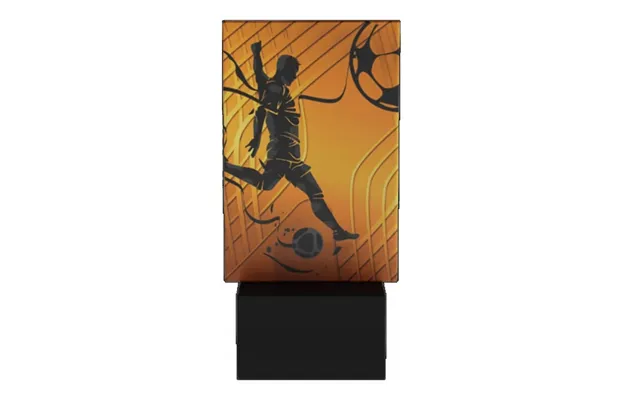
Foosball - Other price list
Last updated Friday, 18 Sept 2026
| Foosball - Other | Price |
|---|---|
| Min-line Amber, Glass Trophy - Football Shooter, Ag1-12 Soc1 | £5.70 |




Loading...
Last updated Friday, 18 Sept 2026
| Foosball - Other | Price |
|---|---|
| Min-line Amber, Glass Trophy - Football Shooter, Ag1-12 Soc1 | £5.70 |
Remember that snap of a perfectly timed pass and the satisfying clack of plastic players striking a ball? Foosball is more than a tabletop pastime — it’s a fast, social, and surprisingly skillful sport that fits into basements, office lounges, and corner game rooms. Whether you’re buying for family fun, competitive play, or to furnish a social hub, there’s a foosball setup that fits your budget and space.
When you see a category labeled "Foosball - Other," think of it as the catch-all drawer of the table soccer world. It contains everything that isn’t a standard full-size home table: conversion tops, mini and travel tables, replacement parts, coin-operated units, and niche accessories. These are the items that help you customize, repair, or adapt foosball to unusual spaces and budgets.
Expect to find conversion tops that turn a dining table into a foosball arena, wall-mounted mini tables that save floor space, portable fold-up tables, and coin-op machines for pubs and arcades. You’ll also see lots of replacement parts: goalie sets, replacement rods, bearings, and score counters. These are the smart buys when you can’t — or don’t want to — replace an entire table.
Picking a table is like picking a car: you want something that matches your lifestyle. Do you need a heavy-duty unit that stays put, or a lightweight, storable table that comes out for game night? Measure your space first — full-size tables often require a clearance of about 7 feet by 5 feet to allow player movement and comfortable play.
Full-size home tables typically measure around 56 inches in playing length (about 4 feet 8 inches) and stand roughly 36 inches tall. If you’re tight on breath or space, mini and foldable tables can be as small as 24 inches long and easily tucked away. Keep in mind the space needed behind each bench or couch — think in terms of feet and inches, not dreams.
Heavier tables — often in the range of 150 to 250 pounds — feel more stable during heated rallies. Lightweight tables under 75 pounds are portable but can wobble under aggressive play. If you want to play competitively, favor weight and a sturdy cabinet; if you move frequently or store your table, portability matters more.
Foosball tables use a variety of materials that affect performance and longevity. Solid hardwood and steel-reinforced cabinets offer a solid, damped feel. MDF or particleboard tables are budget-friendly but can warp with humidity or heavy use. Look for metal rods with anti-rust coatings and quality bearings for smooth motion.
Playfields vary from laminated composite to hardwood and even textured finishes designed to control ball roll. A flat, low-friction surface helps with precise passing and shooting. If you prefer speed, look for glossy laminate surfaces; for control, seek slightly textured finishes that slow the ball just enough to improve stick handling.
You’ll find a wide range of products across the "other" category. Here’s how to think about them without getting lost in brand names: full-size home tables, tournament-grade tables, mini and conversion tables, coin-operated units, and a huge spectrum of replacement parts and upgrades.
Mini tables, tabletop units, and travel versions are perfect when space is limited or when you want quick set-up. They’re lighter — often under 20 pounds — and great for kids and casual players. Expect a trade-off in durability and performance compared with full-size models, but the convenience is unbeatable.
Coin-op tables are built to survive heavy public use. They’re heavier, typically 200+ pounds, and have reinforced rods and durable playfields. These are intended for bars and arcades, but some serious collectors install them at home for an authentic experience.
Accessories often fall into the "other" category and can dramatically affect play quality. New balls, precision bearings, ergonomic handles, adjustable legs, and magnetic scoreboards are inexpensive upgrades that improve feel and control. A solid table cover protects investment and keeps dust and spills at bay.
Lost or broken player men and bent rods don’t mean you need to toss the whole table. Replacement players and rods are cheap lifesavers. Look for metal rods with chrome plating and rubber grips for comfort. Upgraded bearings and rod bushings reduce wobble and improve shot accuracy.
Mechanical or digital scoreboards and efficient ball return systems make games smoother and more enjoyable. A ball return that channels play to a central pocket keeps games fast and reduces interruptions. Scoreboards, even simple sliding counters, add polish and keep track of bragging rights.
Not every part of a foosball setup requires a premium budget. Spend money on the cabinet and rods if you play often — they affect every match. You can save on cosmetic elements like painted logos or flashy decals. Accessories and replacement parts are usually low-cost ways to enhance play without breaking the bank.
Invest in a sturdy frame, quality rods, and smooth bearings. These elements deliver feel and response. On the other hand, decorative player sets or LED lights are nice-to-haves rather than essentials. Think longevity: a 200-pound table that stays level and solid will outplay a flashy cheap table within a few months.
Treat your foosball table like a garden: regular, small efforts pay off. Clean the playing surface, lubricate rods, and check bolts and levelness monthly if you play frequently. A little maintenance prevents more expensive repairs later.
Wipe the playfield with a damp cloth and a mild, non-abrasive cleaner. Use silicone-based lubricant on the rods — not oil — to keep movement smooth without attracting dust. Avoid petroleum-based products that attract grime and degrade plastic parts.
Ensure the table is perfectly level; even a small tilt can bias ball roll. Adjustable legs are standard on most quality tables; use a simple bubble level to check and adjust. Also tighten loose bolts and replace stripped screws before they cause wobble or misalignment.
Want to win more often? Work on stance, wrist control, and passing. Keep your hands relaxed and use wrist flicks for speed. Practice controlled passes between your midfield and forwards — a steady rhythm beats random flailing. Watch pros and learn their positioning and defensive strategies; foosball is as much chess as it is reflexes.
Drills like one-timer shots, passing sequences, and defensive blocking teach muscle memory. Short, focused practice sessions of 10–15 minutes every day trump a single marathon. Think of it like sharpening a blade — frequent light polishing keeps edges keen.
If you’re hunting deals, comparison sites can save you time and money by aggregating offers and price lists across retailers. A dedicated comparison site provides price history, popular offers, and filters for the table type you want. Always check product specs like dimensions, weight in pounds, and warranty details before deciding.
Look for big savings during seasonal sales, around holidays, or when retailers clear older models to make room for new inventory. If you’re flexible, wait for those moments; a few weeks of patience can shave a notable chunk off the final price.
Comparing models is easier if you make a checklist. Include playing length in inches, cabinet material, rod type, bearing style, weight in pounds, and warranty length. Read user reviews for notes on wobble, noise, and assembly difficulty. A side-by-side comparison will quickly show which model fits your priorities.
Some tables arrive fully assembled and heavy — great if you have strong helpers and final placement in mind. Others require assembly and can be moved in pieces. Measure doorways and stairwells in feet and inches before delivery to avoid an awkward “it won’t fit” moment.
A few well-chosen accessories can make a big difference. Invest in extra balls (they wear out), a robust cover, and a quality tool kit for adjustments. For competitive players, seek out weighted balls and ergonomic handles — they change the feel and control significantly.
You can personalize your table with custom player colors, logos, or upgraded handles. These don’t usually change performance, but they make your table feel like “your” table and boost player pride. For public or commercial settings, consider coin-op conversions and heavier coin mechanisms to protect revenue.
Before you click buy, run through this quick checklist: measure your space in feet and inches, decide on portability vs. stability, check weight in pounds, confirm materials and rod quality, and compare warranty and replacement part availability. If all boxes look good, you’re ready to score.
Foosball lives at the intersection of casual fun and competitive sport. Whether you’re shopping for a first table, looking to upgrade a part, or hunting a bargain in the "other" category, a little research goes a long way. Use comparison tools to track price lists and popular offers, balance your budget against quality, and you’ll be enjoying faster shots and longer matches in no time.
Now go find that perfect table, sharpen those flicks, and prepare to dominate your next game night like a foosball general.