





All categories
Business & Offices
Electronics & Media
Fashion & Accessories
Groceries & Essentials
Health & Personal Care
Home & Living
Kids & Family
Sports & Outdoors
Search in ZoneOffer
Loading...
Remember those pub nights where everyone gathered around a table, laughing, and cheering the slow glide of a puck? Shuffleboard brings that warm, social energy right into your home. It’s the kind of game that welcomes everyone—from the teen who’s never sat still to the grandparent who remembers when the radio played the hits. The appeal is simple: low learning curve, high replay value, and a rhythm that’s oddly meditative. Think of it like curling for the living room, where strategy meets finesse and a little luck.
If you’re setting up a home bar or a dedicated game room, a shuffleboard table is a centerpiece that actually gets used. Unlike some trendy gadgets that collect dust, shuffleboard tables invite movement and conversation. They fill a room visually—with long, elegant lines—and functionally, providing entertainment for parties and quiet weekend afternoons alike. It’s a multipurpose investment: decoration, sport, and a reason to host more often.
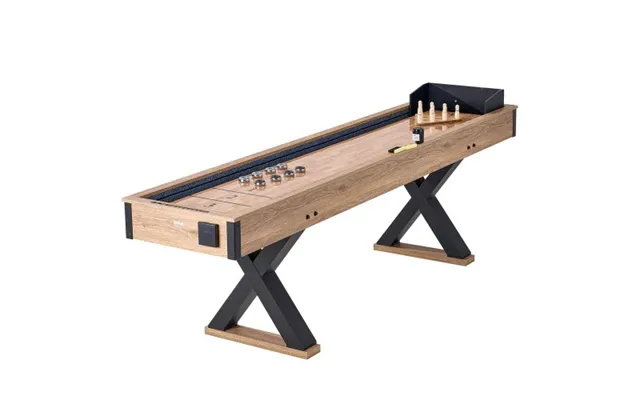
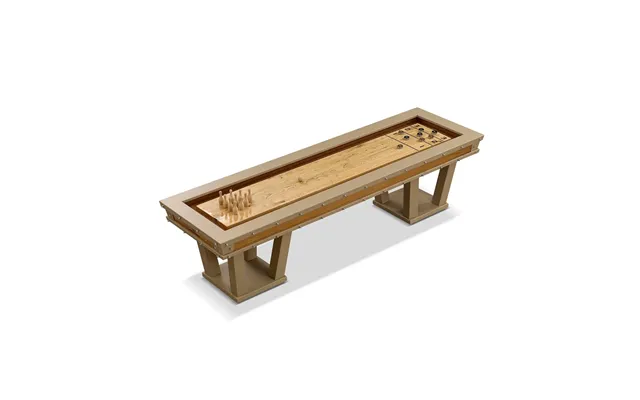
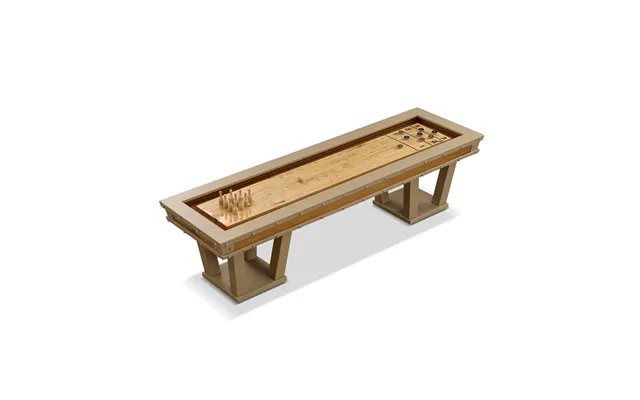
When shopping, you’ll encounter two main types: American shuffleboard tables and deck shuffleboard. American shuffleboard is the classic indoor table you see in rec rooms—typically ranging from 9 feet to 22 feet long. Deck shuffleboard is the outdoor cousin, played on a court with larger discs and longer lanes. For home use, you’ll almost always want an American shuffleboard table, which fits indoors and comes in sizes that work for most rooms.
If you like a retro arcade vibe or plan to host events, coin-operated and electronic shuffleboards add a nostalgic touch. Coin-op mechanisms let you simulate a bar or pub setup, while electronic scoring systems automatically record points and reduce disputes. These features can be a little pricier, but they make gameplay smoother—literally and figuratively—especially when you’re entertaining a crowd or running a small venue.
Shuffleboard tables come in several standard lengths: 9 ft, 12 ft, 14 ft, 16 ft, 18 ft, and 22 ft. Which size is “right” depends on space, budget, and how authentic you want the experience to feel. Shorter tables are great for compact homes or apartments and still offer plenty of fun. A 12 ft table is a solid all-rounder for most families. If you’ve got the room and crave an authentic competitive feel, aim for 18 ft or 22 ft—the longer the table, the more finesse required.
Don’t forget clearance. You’ll need space not just for the table itself but also for players to move. A good rule of thumb: allow at least 3 ft of space on either end for comfortable gameplay and about 2.5 ft on the sides for cues and movement. So a 16 ft table might need a room at least 22 ft long and 10 ft wide, depending on your layout. Measure your entryways, too—some premium shuffleboard tables can be heavy and awkward to maneuver through doorways and hallways.
The playing surface is the heart of the shuffleboard table. Traditional tables use solid hardwoods like maple, often with a laminated finish for durability. These offer a warm feel and authentic glide. Composite surfaces—engineered woods or synthetic laminates—can be easier to maintain and less susceptible to warping, which can be a plus in damp climates. If you want the truest feel, hardwood with a high-quality finish is hard to beat; if you want low maintenance, composites are worth considering.
Automatic or built-in scoring makes game management simple, especially during longer sessions. Manual scoring is fine for casual play, but automatic systems save time and reduce disputes. Levelers under the legs are essential—shuffleboard relies on a perfectly flat surface. Look for tables with adjustable leg levelers so you can fine-tune the playing surface when floors aren’t perfectly even. Some premium tables also include built-in storage for pucks and cues, which keeps your game area tidy.
Accessories can make or break the experience. The right pucks—usually plastic or metal—should be balanced and smooth. Shuffleboard wax, sometimes called speed powder, determines how quickly your puck travels; a light dusting can make the surface slick, while heavier powder slows play. Polishing kits and wax applicators keep the surface in optimal condition. Think of these as tuning the engine on your car: small adjustments can dramatically change performance.
A good protective cover shields the table from dust, spills, and sunlight, which can fade the finish over time. Cues (sometimes called pushers or sticks) come in different lengths; choose one that feels comfortable when you stand at the end of the table. If kids will be playing, opt for lighter cues with ergonomic grips. For serious players, specially balanced cues and high-quality pucks will improve control and consistency.
If your budget is tight, you can still get a decent entry-level table for under $1,000. These models are great for casual play and smaller spaces. Expect composite surfaces or thinner hardwood tops and simpler leg construction. For first-time buyers or those who want occasional use, these tables deliver strong value. They’re like the reliable hatchbacks of shuffleboard—functional, dependable, and easy to live with.
Mid-range tables—typically between $1,000 and $3,000—offer sturdier hardwood tops, better finishes, and more refined craftsmanship. Premium tables, which can run $4,000 and up, feature solid hardwood construction, integrated electronics, and boutique finishes. When you invest more, you’re paying for longevity, aesthetic appeal, and a superior playing experience. If the table is a long-term focal point of your home, spending a bit more often pays off in durability and enjoyment.
Maintenance is straightforward but important. Wipe the surface regularly with a dry cloth to remove dust. Use a manufacturer-recommended cleaner sparingly; excessive moisture can damage the playing surface. Wax the table according to usage—light play might only need waxing every few weeks, while heavy use could require weekly attention. Always apply wax in thin, even layers and buff between applications to ensure a consistent glide.
Wood reacts to humidity and temperature, so controlling your room’s environment helps prevent warping. Keep the table away from direct sunlight, radiators, and damp exterior walls. If you live in a region with wide seasonal swings in humidity, consider a dehumidifier or climate control to stabilize conditions. Move the table carefully during relocation—disassemble when possible and store components flat to maintain structural integrity.
Want to try before you buy? Visit local showrooms, sports bars, or recreation centers that offer tables for public play. Test different lengths and surfaces to find what feels best. Playing on multiple models helps you understand how surface material and table length influence speed and puck control. It’s a bit like test-driving cars: the specifications matter, but the real experience tells the full story.
Online comparison tools and review sites help you quickly compare specs, prices, and customer feedback. Look for detailed reviews that discuss surface material, build quality, and durability. Pay attention to long-term customer comments about warping and finish wear—those insights are gold. Also compare warranty options and assembly support; some sellers include delivery and full assembly, while others ship flat-packed for DIY setup.
Several brands have a strong reputation for shuffleboard tables. Look for manufacturers known for solid hardwood tops, precise machining, and robust customer support. Some focus on classic designs with handcrafted finishes, while others emphasize modern materials and space-saving designs. Research brand reputation through independent reviews and community forums to understand how models perform over time.
Not all accessories are created equal. Trusted brands produce durable pucks, consistent wax, and well-built cues. If you want reliable performance, don’t skimp on accessories—cheap pucks can be uneven and skimp on durability. Think of accessories as the tires on a car: the vehicle may be great, but poor tires will limit performance and enjoyment.
Shuffleboard is flexible—play variations keep it fresh and encourage friendly competition. Try “Knock Off” where players eliminate opponent pucks, or set up point multipliers for landing in specific zones. Family-friendly versions can include handicaps for younger players, while league-style play follows stricter rules. Experiment and create house rules that fit your group; after all, you’re trying to maximize fun, not enforce a tournament standard every night.
Hosting a small tournament is easier than it sounds. Use simple brackets, timed rounds, and a scoreboard to add stakes. Offer small prizes or rotating roles like “scorekeeper” and “referee” to involve everyone. Tournaments are a great way to get neighbors and friends into the game and turn a casual evening into an event people actually mark on their calendars.
Shuffleboard tables are more than furniture—they’re conversation starters, stress relievers, and a home entertainment staple that ages gracefully. Whether you go compact for a snug living room or invest in a grand 18 ft table, the right choice depends on space, budget, and how you plan to play. Take your time, test different surfaces and sizes, and don’t forget the little extras: wax, pucks, and a good cover will keep the fun rolling for years.
Ready to pick the perfect table? Measure your space, try models in person if you can, and compare features and warranties before committing. With the right table and a little care, you’ll be creating memories—and a few friendly rivalries—that last a lifetime.
| Shuffleboard Tables | Price | |
|---|---|---|
| Vevor 274.3 Cm Shuffleboard Table 2 In 1 Shuffleboard And Bowling Combo Game Set | £ 429,90 |

