



All categories
Business & Offices
Electronics & Media
Fashion & Accessories
Groceries & Essentials
Health & Personal Care
Home & Living
Kids & Family
Sports & Outdoors
Search in ZoneOffer
Loading...
If you've ever watched friends lining up to take "one more shot" and felt the room fill with laughs, you know why table shuffleboard is a classic. This low-maintenance, high-fun indoor game fits basements, rec rooms, and even larger living rooms, creating a social focal point that lasts for years. In this guide I'll walk you through table types, sizes, must-have accessories, care tips, and how to choose the best shuffleboard table for your space and budget.
Table shuffleboard is a simple concept: players slide weighted discs, called pucks, down a long, smooth playing surface to score points. It’s equal parts skill, touch, and strategy—think of it as billiards meets curling, played on a table. The fast laugh factor and low learning curve make it ideal for parties, casual competition, and family game nights.
Not all shuffleboard tables are created equal. Understanding the main categories helps you pick the right one for your lifestyle and room.
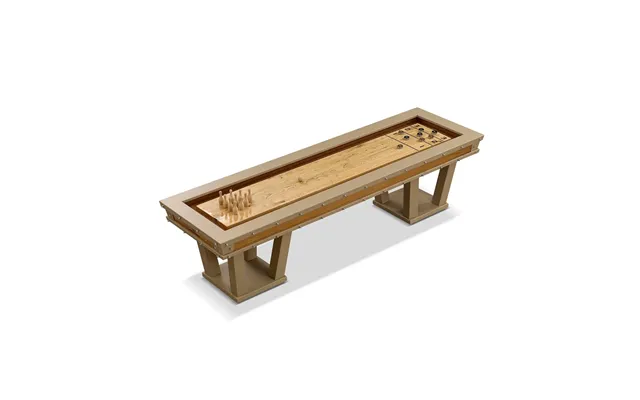
Home models are built for comfort and style, often featuring attractive veneers, modest weights, and playing surfaces designed for wax or silicone. These tables typically range from compact 7 ft sizes to full 12 ft tournament-style tables and focus on a balance of playability and aesthetics.
Commercial-grade tables are heavy, robust, and built for frequent use in bars or game rooms. Coin-operated versions add an arcade feel and secure operation for public venues. If you want a table to withstand lots of play, look for thicker wood, reinforced rails, and industrial hardware.
Short on space or want something storable? Portable tables and roll-up lanes are a great compromise. While they won’t match the glide of a solid wood table, modern portable sets can be surprisingly playable and are perfect for renters or multi-use rooms.
Size is the most important decision. Shuffleboard tables come in a range of lengths—common options are 7 ft, 9 ft, 12 ft, and even 14 ft models. Your choice will influence play style, cost, and where the table can live in your home.
Shorter tables, like 7 ft or 8 ft models, are ideal for smaller rooms or apartments. They still deliver the core shuffleboard experience but require less room to place and move around. Expect faster play with less finesse needed on each shot.
For most homes, a 9 ft or 12 ft table offers the best balance between authentic play and spatial practicality. A 12 ft table gives a near-tournament feel without the full footprint of commercial lanes, while 9 ft works well in medium-sized rooms.
If you have a dedicated game room and want the genuine tournament experience, look for 14 ft tables. These deliver maximum glide and strategic depth, but remember to measure doorways and hallways—the table might be too long to move through narrow spaces.
When comparing models, some features matter more than aesthetics. Focus on these to ensure long-term satisfaction and great playability.
The smoothness of the playing surface determines how well pucks glide. Hard, dense woods like maple often perform best, and many manufacturers apply specialized finishes to manage speed. Look for a surface thickness and finish designed for wax or silicone, depending on your preference.
Sturdy rails keep pucks on the board and provide rebound behavior. Bumpers and cushioned rails are helpful for casual play, while professional-grade rails are tighter and more consistent for serious players.
A table that wobbles ruins the experience. Adjustable leg levelers are a must so you can fine-tune the table’s grading. Commercial models often include robust leg frames and cross-bracing for extra stability.
If you’ll move or assemble the table more than once, look for modular designs with removable legs or split-frame construction. Some full-length tables come in two halves to ease transportation through doorways and narrow hallways.
Accessories enhance play and protect your investment. Here are the essentials every shuffleboard owner should consider.
Most games use four pucks per player, and having spare sets is handy for backyard parties or replacements. Pucks vary by material and finish; heavier pucks can add control while lighter pucks speed up play.
To tune the glide, players use wax, silicone spray, or powdered beads. Wax provides a slower, tackier feel while silicone and beads produce faster, slicker surfaces. Always use products recommended for your table’s finish to avoid damage.
Dust and spills shorten a table’s life. A fitted cover protects the playing surface when not in use, and protective corner pads can prevent dents during transport or storage.
Manual scoring units and built-in scorers keep games moving smoothly. Some players also use cue sticks or pushers to make precise shots without bending over the table—especially helpful for taller tables or extended play sessions.
With a bit of routine care, a shuffleboard table can play beautifully for decades. Here’s how to keep it in top shape.
Wipe down the surface regularly with a soft, dry cloth to remove wax buildup and dust. Avoid harsh chemical cleaners; a slightly damp microfiber cloth followed by an immediate dry works best for spot cleaning.
How often you wax depends on play frequency. For home use, refreshing wax every few weeks or when glide slows usually does the trick. If you prefer a faster table, switch to silicone spray or speed powder—but reapply cautiously and test after each application.
Wood is sensitive to humidity and temperature swings. Try to keep the table in a climate-stable room—extreme dampness or dryness can warp wood. If you live in a variable climate, consider a dehumidifier or gentle humidification to protect the table’s integrity.
Proper placement improves playability and prevents damage. Think of your table as a piece of furniture that needs breathing space and access from both ends.
A good rule of thumb is to allow at least 3 ft of clearance on both sides for players to move freely, and 4 ft behind each shooter's end for cueing or standing. Measure doorways, staircases, and tight turns before ordering a full-length table.
Use a spirit level and adjust the leg levelers until the playing surface is true. Some players prefer a slight lengthwise grade to influence the game; install levelers to fine-tune for consistent play.
While I won’t name every model, some manufacturers consistently deliver quality across price ranges. Look for brands with clear warranties, positive customer feedback on build quality, and a range of sizes so you can match the table to your space.
Budget models often prioritize compact design and affordability, using lighter materials and simpler finishes. Mid-range tables strike a balance between materials and playability, while premium tables use dense hardwoods, thick playing surfaces, and decorative cabinetry. Choose based on how often you’ll play and how authentic you want the experience to be.
Comparison sites and trusted retailers can help locate current offers and price lists. When you compare, check shipping, installation options, and return terms—as these can affect the final cost. Also verify whether the price includes accessories like pucks and wax, or if those are sold separately.
Look for seasonal discounts around holidays or when retailers clear floor models. Bundles that include covers, wax, and extra pucks often provide better value than buying each item separately.
Buyers often overlook transport logistics, underestimate room size, or skip accessories that improve longevity. Here’s how to avoid buyer’s remorse.
A full-length table is impressive—but if it won’t fit through your front door, you’ll face costly transport headaches. Always measure your home’s access points before committing.
Many new owners assume finishes will last forever. Covers and routine cleaning are inexpensive ways to avoid warping, scratches, and finish wear over time.
If you enjoy shuffleboard, you’ll likely appreciate other tabletop games that suit similar social settings. Consider foosball tables, air hockey units, or a compact pool table for variety. These games can create a layered game room experience where everyone finds something they love.
Before you buy, run through this checklist: measure your room and access points, decide on table length, select a construction level (residential vs. commercial), choose compatible accessories (wax, pucks, cover), and verify warranty and transport options. Taking these steps reduces surprises and ensures the table you choose matches your lifestyle.
Table shuffleboard brings people together with simple rules and hours of replay value. Whether you choose a compact 7 ft model for a cozy apartment or a full 14 ft tournament table for a dedicated game room, the right choice balances space, budget, and how seriously you want to play. Prioritize a smooth playing surface, sturdy construction, and the right accessories to protect your investment—and you’ll be enjoying perfect glides and friendly rivalries for years to come.
| Table Shuffleboard | Price | |
|---|---|---|
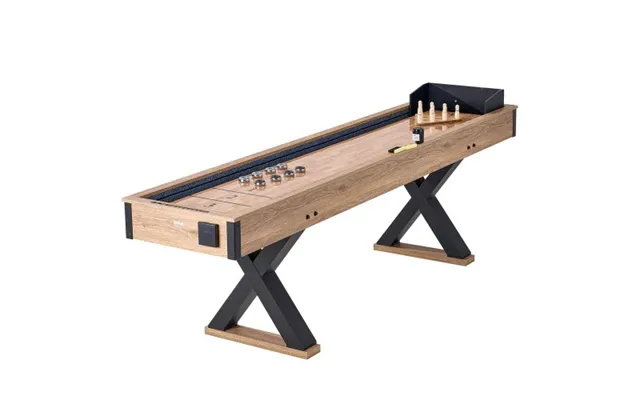
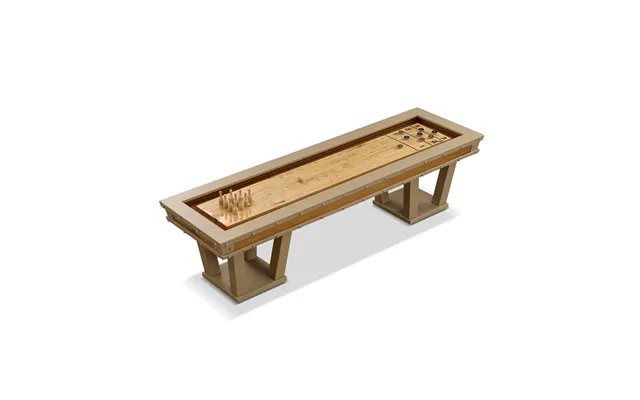
| Vevor 274.3 Cm Shuffleboard Table 2 In 1 Shuffleboard And Bowling Combo Game Set | £ 429,90 |

