

Chemical Hand Warmers price list
Last updated Monday, 19 Oct 2026





View 15 Offers


Loading...
Last updated Monday, 19 Oct 2026
When the wind bites and temperatures dip, there's something almost magical about slipping your hands into instant warmth. Chemical hand warmers are the lightweight, pocket-sized answer to cold fingers whether you're hiking up a trail, sitting on the sidelines at a game, or commuting on a frosty morning. They’re cheap, simple, and often last long enough to get you through the coldest part of the day. But with so many options out there, how do you choose the right kind? Let’s walk through what matters, in plain language, and help you pick the warmest solution for your adventures.
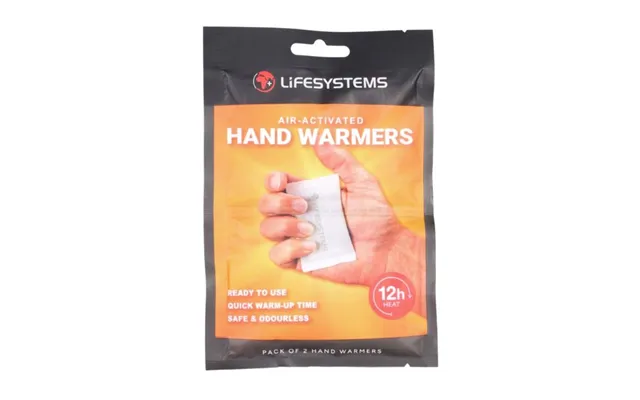
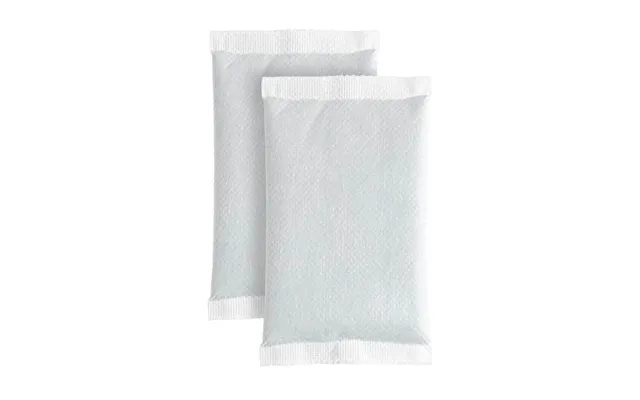
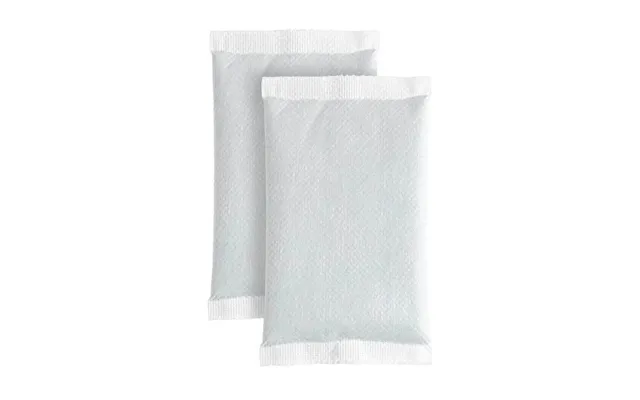
Most disposable chemical hand warmers use an iron-oxidation reaction: a mix of iron powder, salt, water, activated carbon, and sometimes vermiculite sits inside a breathable pouch. When you expose that pouch to air, the iron slowly rusts and releases heat — usually peaking around 120°F to 130°F. Think of it as a tiny, controlled campfire that fits in your palm and won’t spark. Typical single-use warmers give you continuous heat for 5 to 12 hours depending on size and brand.
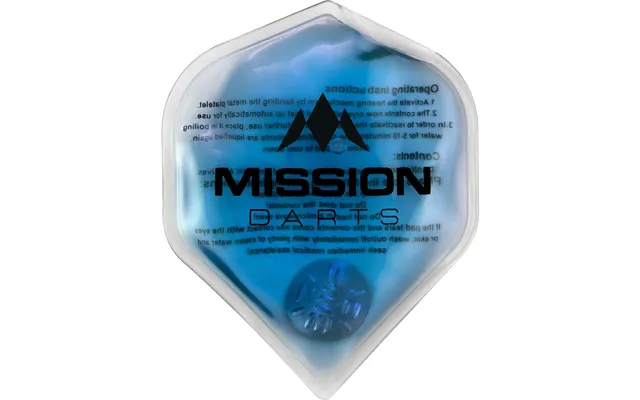
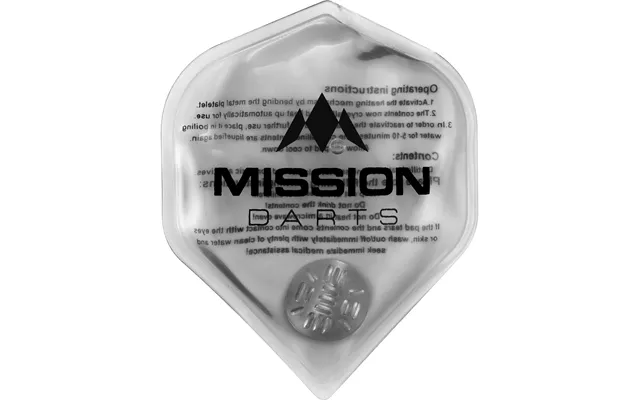
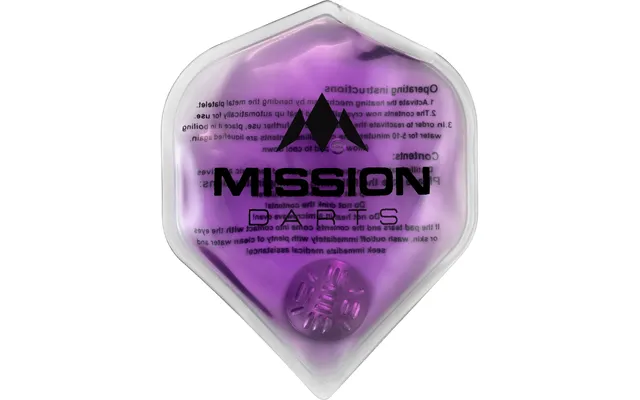
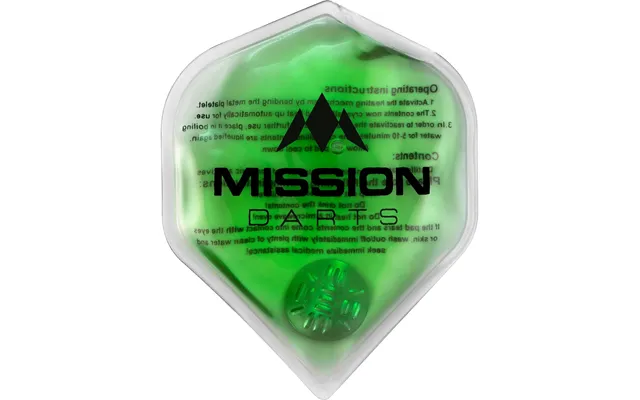
Reusable warmers rely on different tech: sodium acetate gel packets that crystallize when you snap a metal disk, or battery-powered units with rechargeable cells. The gel warmers give you quick heat for about 30 minutes to an hour before you boil them to reset, while rechargeable units can provide controlled temperatures for several hours on a charge. Each approach has trade-offs in convenience, cost, and environmental impact.
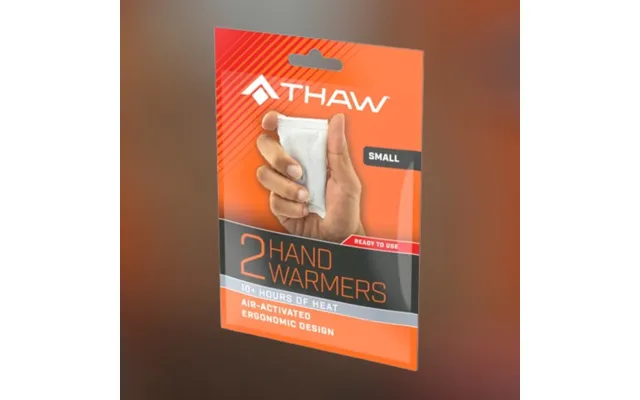
Disposable warmers are the go-to for many. They’re cheap, light, and easy to stash with gloves, in boots, or in pockets. Common sizes include 2.5-inch packets for fingertips or larger 4.5-inch pads for palms. They’re perfect for one-off outings like day hikes or single-day events where you don’t want to worry about recharging or resetting gear.
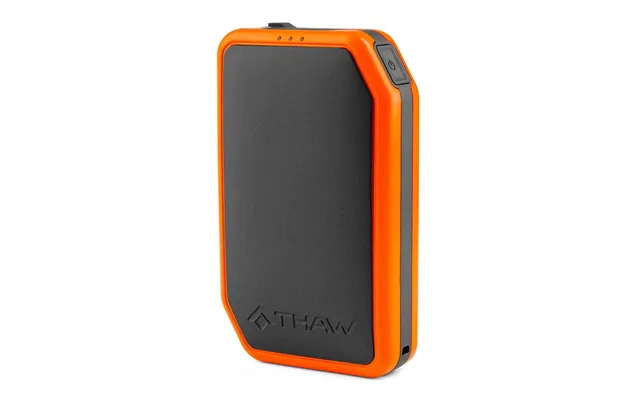
If you’re after consistency, rechargeable hand warmers are worth a look. These units often double as power banks and let you set precise heat levels — low, medium, high — which can be a lifesaver when you’re trying to avoid overheating. Expect run times of 4 to 10 hours depending on the heat setting and the battery size. Sizes range from pocket-friendly units around 4 inches by 2 inches to larger models that can warm both hands at once.
The snap-and-reuse gel warmers are a neat trick: click the metal disk, and the packet crystallizes, producing warmth. They’re often used for short bursts of heat, like warming cold feet before bed or easing a sore muscle after a hike. Each activation lasts a short time, but the ability to reset by boiling makes them inexpensive over the long run.
Ask yourself how long you need warmth. Do you want a reliable 8 to 12 hours for a full day outside, or do you need short, intense heat for a quick warm-up? Disposable chemical packs commonly promise 6 to 10 hours, with peak temperatures around 120°F. Rechargeable units might go up to 140°F on high, but that burns battery faster — expect the trade-off of hotter heat for shorter runtime.
Size matters for comfort. Slim packets that are 3 to 4 inches long slip easily into glove liners, while larger 5-inch options are better for warming both hands or placing in boots. Weight is usually measured in ounces for portability — most disposable warmers are under 1 ounce each, keeping your pack light.
Look for easy-open pouches and clear storage instructions. Some warmers come in resealable multi-packs that are handy if you use them sporadically; others are single-use and should be disposed of after the heat wanes. If you plan to carry extras during a long day, opt for lightweight, thin packaging that won’t crush in your pocket.
In a campsite, chemical hand warmers are tiny morale boosters. Slide one into a sleeping bag pouch to warm your hands before you slide in, or tuck warmers into gloves during night-time shifts. For multi-day treks, bring a mix: a few disposable packs for emergencies and a rechargeable unit for base camp comfort.
City dwellers love hand warmers for quick commutes. If your commute is 30 to 60 minutes, a small disposable packet or a rechargeable pocket warmer will keep you comfortable without bulking up your bag. At outdoor sports events, give them to kids — a warm hand is a happy spectator.
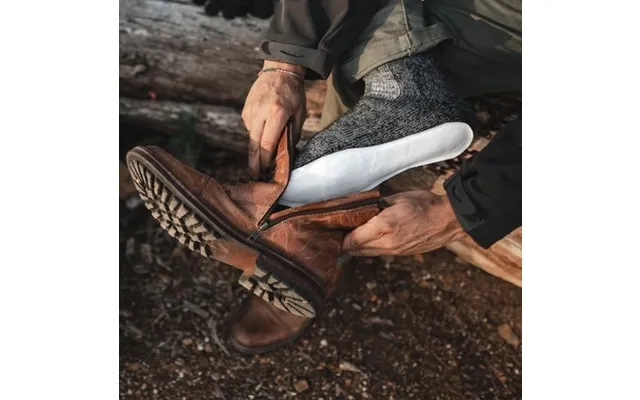
If you work outdoors — think photographers, construction crews, or anglers — hand warmers can extend your tolerance for cold tasks. Place warmers inside gloves or boots to prevent numbness and maintain dexterity. Rechargeable models with adjustable heat settings are particularly useful for long shifts where you want consistent warmth without waste.
While warmers are safe when used as directed, they can reach temperatures that feel hot against bare skin. Avoid direct contact for prolonged periods, especially with thin skin. Slide a pack into a pocket, wrap it in a cloth, or use it inside gloves rather than pressing it directly to your skin. If you feel heat like a hot frying pan, remove it — that’s a sign it’s too hot for direct contact.
Store unused disposables in a cool, dry place away from moisture to prevent premature activation. After use, dispose of the packet in regular trash unless the manufacturer specifies recycling. For the eco-conscious, consider rechargeable or reusable sodium acetate options to reduce single-use waste.
Disposables excel in simplicity: no charging, no reset, and predictable heat for an extended single use. Electric models shine for control and reusability; if you’re out for a full weekend and can recharge at base, they save money and waste. Imagine disposables like paper matches — great for one-time fires — and electrics like a rechargeable lantern that keeps going.
Upfront, disposables cost less, often just a few dollars for a multi-pack. Over a season, however, those costs add up if you use them daily. A rechargeable warmer might cost more initially but can pay for itself after a few trips. Do the math: if a disposable pack costs about a few dollars and you use one a day for a month, that could equal the price of a decent rechargeable unit that lasts years.
These 2.5- to 3-inch warmers are ideal for jogging, quick commutes, or when you need to warm only your fingertips. They’re lightweight and almost invisible in a glove. Expect 4 to 8 hours of heat — enough for most short outings.
Packs around 4 to 5 inches give more surface area and longer run times, often 6 to 12 hours. These are the go-to for full-day hikes, cold-weather fishing trips, or long stadium stays. Their larger size distributes heat across your palm and back of the hand for a cozier feel.
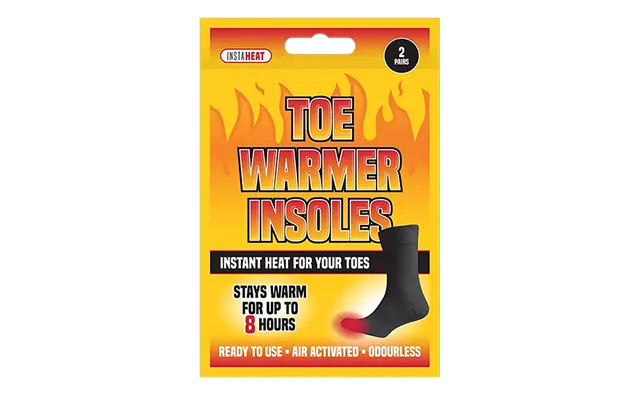
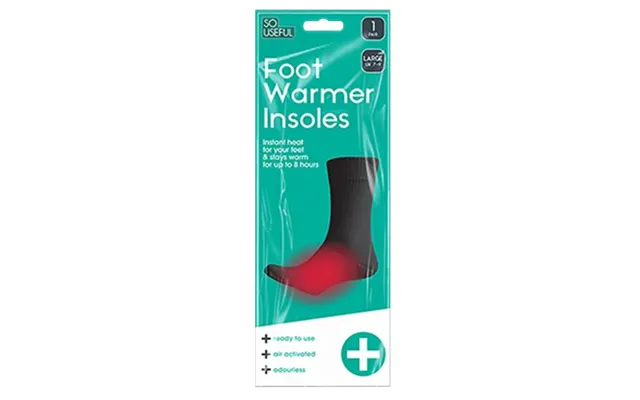
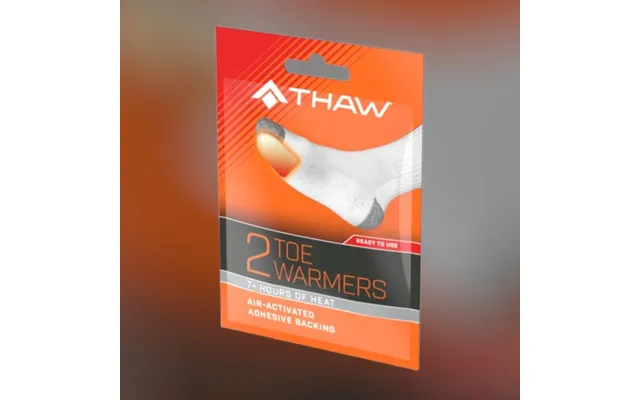
Specialized shapes for toes or larger body areas are useful in boots or for warming pockets. Toe warmers tend to be thin and long to fit smoothly at the toe box; body warmers are larger and can be placed in jackets near the torso for extra core warmth during extended exposure.
These multi-purpose devices are perfect if you want heat and the ability to charge a phone. They often offer multiple heat settings and run times ranging from 4 hours on high to 10 hours on low. For urban commuters and tech-savvy outdoors people, they’re a compact, high-value pick.
Manufacturers may list an average or peak heating time — check whether that figure refers to sustained warmth or just peak heat. A pack that promises 10 hours of heat might be 10 hours of mild warmth, not continuous high heat. Look for user reviews that mention real-world performance in temperatures like the 20s or 30s °F.
Check what’s inside the packet and whether the product meets safety standards. Some warmers are marketed as “unscented” or “low-odor,” which matters if you’re sensitive to smells. Certifications or third-party tests can give you confidence about safety and performance.
Comparison sites are useful for spotting price trends and side-by-side specs. Couple that with user reviews that mention real conditions — wind, wetness, and cold — and you’ll get the clearest picture. Don’t just chase the cheapest packet; balance cost with reliability.
Disposable warmers create waste that can add up quickly. If you’re out there every weekend, consider reusable warmers or rechargeable options. Reusable sodium acetate packs can be reset hundreds of times, and rechargeable units last years if cared for properly.
After using a disposable warmer, let it cool fully before throwing it away. Check manufacturer guidance — some components may be safe for landfill, while others might need special disposal. When in doubt, treat them as non-hazardous solid waste and pack them out until you find an appropriate bin.
Before you hit “buy,” ask yourself these quick questions: How long do I need heat? Do I prefer one-time convenience or long-term savings? Will I be near a power source? How important is waste reduction to me? Once you answer those, match the product type — disposable, gel, or rechargeable — to your lifestyle. Pack an extra pair for emergencies and remember that a warm hand can change a cold day into a comfortable memory.
Chemical hand warmers are a small tool with a big impact. Whether you opt for disposable iron-oxidation packs, snap-and-reuse gel warmers, or a rechargeable electric unit, there’s a solution tailored to your needs. Think about runtime, temperature, size, and environmental footprint before buying. With the right choice, cold fingers become a minor inconvenience rather than a trip-ender. So next time you're gearing up for a frosty morning, toss a warmer in your pocket and walk into the cold like you own it.