

Compression Sacks price list
Last updated Saturday, 10 Oct 2026




View 11 Offers


Loading...
Last updated Saturday, 10 Oct 2026
If you hike, backpack, or camp, you know how precious every inch of pack space and every ounce of weight is. Compression sacks are the unsung heroes that let you squeeze down bulky items—like sleeping bags and jackets—so they fit neatly into your pack. Think of them as vacuum cleaners for volume, minus the electricity. In this guide you'll learn how compression sacks work, what to look for, and how to pick one that matches your adventures, whether that's a weekend car-camping trip or a multi-day thru-hike.
A compression sack is a lightweight bag with straps or a valve system designed to reduce the volume of soft gear. You put your sleeping bag, puffy jacket, or clothes inside, then tighten straps or remove air so the sack collapses to a fraction of its original size. The result: more room in your pack and a more organized kit. It's not just space-saving—it's common sense gear management for anyone who wants to carry less and go farther.
Stuff sacks are simple storage bags—you stuff gear in and cinch the top. They don't compress much. Dry bags prioritize waterproofing and are often roll-top, used for boogie-board trips or kayaking. Compression sacks combine some of both: they compress volume and sometimes offer water resistance. Choose based on whether your priority is volume, dryness, or both.
Most compression sacks are made from nylon or ripstop fabrics with coatings to resist water and abrasion. Ultralight models use thin silicone- or polyurethane-coated nylon to save ounces, while heavy-duty sacks use thicker ripstop for rougher use. Stitching, welded seams, and the quality of compression straps all affect durability. Expect ultralight sacks to weigh a few ounces and heavy-duty ones to weigh a half pound or more.
Compression sacks come in a range of sizes, commonly described as small, medium, large, and extra-large. Instead of liters, think in terms of what gear you want to fit. A small sack is perfect for a jacket or puffy vest, a medium handles a 3-season sleeping bag for a smaller person, and large or extra-large can take full-size adult sleeping bags and bulky clothing for car camping.
Take your sleeping bag or jacket, stuff it into any sack and look at the length and diameter. For sleeping bags, check the bag length—many adult sleeping bags are about 72 inches long, while mummy bags for taller people can be 78 to 80 inches. Make sure the sack length matches or slightly exceeds your bag length. For diameter, think in terms of how much you want to compress—if you need it to go under a rain cover or inside a torso of your pack, aim for a compressed diameter under 8 to 10 inches for bulky items.
Imagine an ultralight 20-degree down mummy bag. Compressed inside a good compression sack, you might reduce it to a cylinder roughly 10 inches in diameter and 18 inches long. A bulky 0-degree synthetic bag might compress to 12 to 16 inches across. Jackets usually compress even smaller—often under 8 inches across—so choose a small or medium sack for clothing and a medium to large for sleeping bags.
If you hike in rainy climates or river-cross country, waterproof or highly water-resistant sacks matter. A roll-top dry bag will keep water out but isn't designed to compress well. Look for sacks with coated fabrics, taped seams, or welded construction if you want both compression and dryness. Remember: coated fabric slows water entry but isn't a substitute for a true dry bag when you're head-deep in river water.
There are a few styles to consider: ultralight roll-top compression sacks, strap-based compression sacks, vacuum-style bags for travel, and hybrid dry-compression sacks. Each has pros and cons depending on your activity and the gear you're protecting.
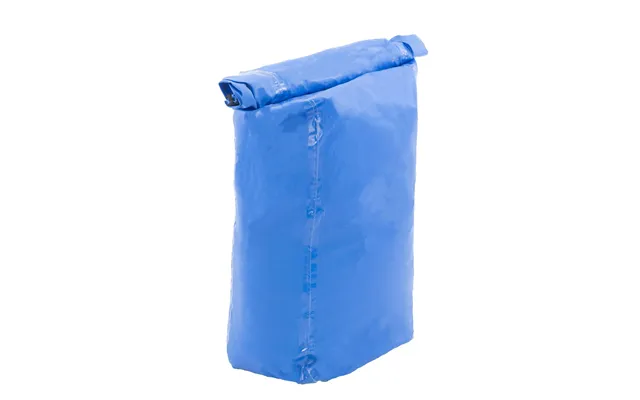
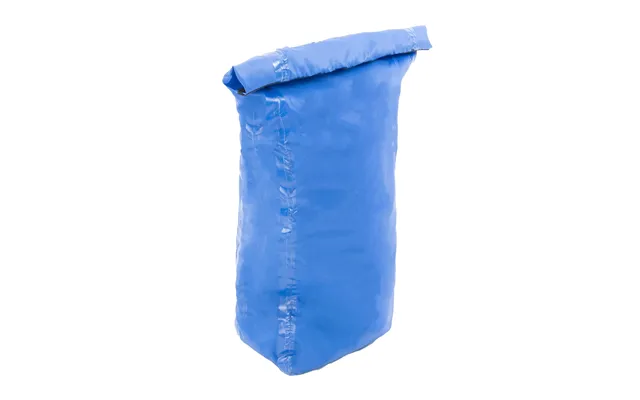
These are great for backpackers who count ounces. They use thin, coated nylon and a roll-top closure that you clip to compress the load. They're not the most durable but are perfect when weight matters most. Expect weights in the range of 1 to 6 ounces depending on size and materials.
These have external straps that you tighten to reduce volume. They tend to be more durable and let you fine-tune compression levels. They're common on sleeping bag-specific sacks that need a balance of protection and compressibility.
Not specifically for backpacking, these bags use a pump or vacuum to expel air—great for packing big items for car travel or checked luggage. They're heavier and less practical for backcountry trips, but invaluable if you're trying to shave space in a suitcase for long trips.
When comparison shopping, check a handful of features that matter most: compression ratio, weight, durability, closure type, and any waterproofing. Think of each feature as a gear spec that must match your goals—lightweight for speed, heavy-duty for longevity, or waterproof for wet weather.
Good straps make compression easy and secure. Look for wide, webbed straps with solid buckles that resist slipping. Metal buckles add durability but weigh more; plastic buckles are lighter but can fail in extreme cold. Some sacks use multiple straps for even pressure; others have concentric straps to preserve shape.
Closure options include roll-top, drawcord with a lid, and zippered valves on vacuum bags. Roll-top closures are light and reliable. Drawcord lids are fast. If you want a quick one-hand operation, look for sacks with a large top opening and a simple clip closure—handy when your fingers are cold.
Ultralight hikers often choose sacks that weigh less than 3 ounces for small or medium sizes. If you prioritize durability, expect heavier sacks that still save you tons of space. A rule of thumb: save about a pound of carry weight in space and organization trade-offs if you pick a heavy-duty sack versus an ultralight one—but you may gain peace of mind and longer life.
For long backpacking trips, aim for sacks that add no more than 2 to 6 ounces each. For car camping or family trips, it's fine to pick sacks that weigh 6 to 12 ounces if they’re more rugged or more waterproof. Think of the pounds saved in space rather than weight; less bulk often means you can carry other essentials more comfortably.
How you pack into a compression sack often matters as much as the sack design. Stuffing, rolling, and layering can affect how small your gear becomes. Here are practical tips I use on the trail, because nothing beats real-world tricks.
Stuffing a sleeping bag into a sack minimizes air pockets and often compresses better than rolling. Roll your bag into a tight cylinder only if the sack has a long shape intended for that. Stuffing tends to be quicker and creates fewer dead-air spaces. For puffy down jackets, stuff them in loosely then compress straps to avoid crushing down clusters too much.
If you have multiple items—sleeping bag plus liner plus puffy jacket—compress the bulkiest item first, then add smaller items. Pre-compressing with a strap or your knees before clipping the final strap can help you get an extra inch or two of savings. For cold-weather trips, don't compress down too tight if you're using a down bag right away—excessive long-term compression can reduce loft and insulation performance.
Take care of your sack and it will return the favor trip after trip. Clean off grit, avoid sharp rocks, and don't leave gear compressed for long storage periods if you care about down loft. For coated fabrics, rinse and air-dry; avoid machine washing unless the manufacturer says it’s okay.
Dry sacks and compression sacks should be dried completely before storage to avoid mildew. Store your sleeping bags uncompressed in a large storage sack or hung in a closet when not in use; compress them only for travel. If your sack has welded seams, inspect them each season—small leaks can be repaired with seam tape or a seam-sealing product designed for coated fabrics.
Different compression sacks shine in different roles. Here are practical pairings so you can match the sack to the job.
Choose ultralight roll-top compression sacks made from thin, silicone- or PU-coated nylon. They save ounces and compress down small—ideal for down sleeping bags and puffy jackets. Look for reinforced stitching at strap points and minimal hardware to cut weight. A small 1-2 ounce sack is perfect for a jacket; a 3-6 ounce medium-sized sack handles most 3-season bags.
Durable strap-based compression sacks with heavier fabric are best here. You’ll compress big bags and clothes, toss them in the trunk, and not worry much about every ounce. These sacks can handle rougher handling and are easier to use for kids or less experienced campers.
If you need to stay dry—paddling, rafting, or wet trails—go for hybrid dry-compression sacks or use a dedicated dry bag for absolute water protection and keep a separate compression sack for space control inside your dry bag. This double-layer strategy gives you both compression and protection in extreme conditions.
When comparing compression sacks on a comparison site, filter by size, weight, material, and customer ratings related to durability and ease of use. Look for real-user photos and comments about how well a particular sack compresses a specific brand of sleeping bag or jacket—practical feedback beats marketing speak every time.
Compression sacks are simple tools that deliver big benefits: less bulk, better organization, and more efficient packing. Choose based on your activity—ultralight models for long hikes, durable strap-based sacks for car trips, and waterproof hybrids when moisture is a real risk. Pay attention to size, material, and hardware so your sack matches your gear and your goals. With the right sack and a few clever packing techniques, you'll survive tighter spaces, lighter loads, and more comfortable travels.