

Sleeping Bag Liners price list
Last updated Wednesday, 14 Oct 2026




View 12 Offers
Loading...
Last updated Wednesday, 14 Oct 2026
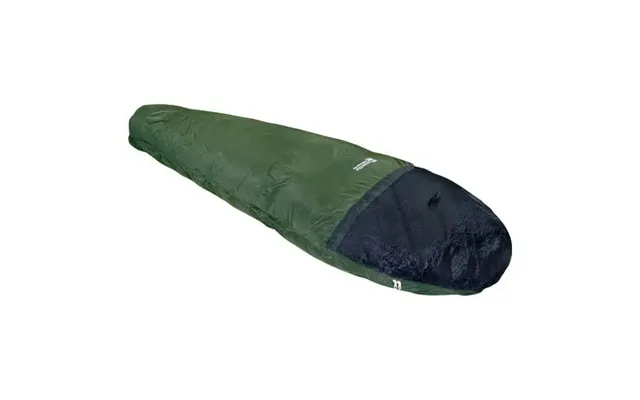
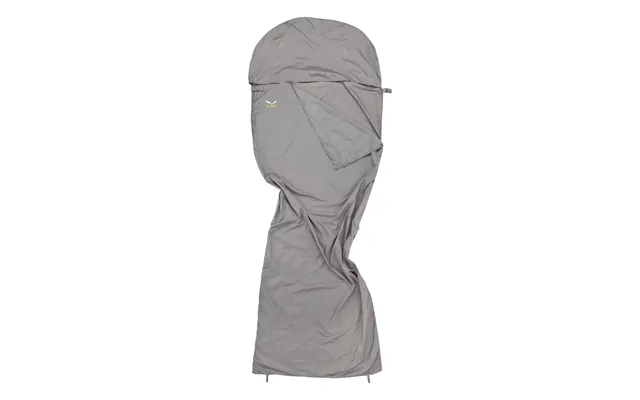
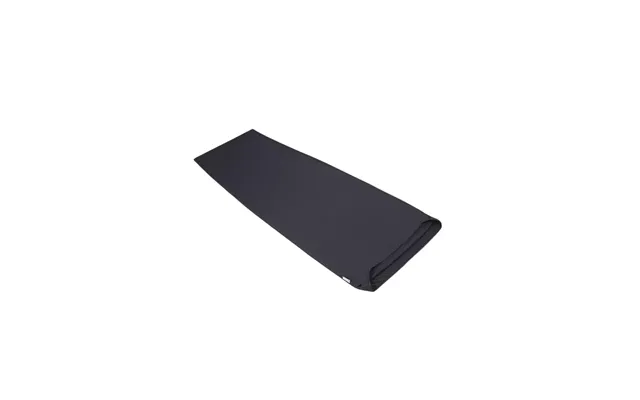
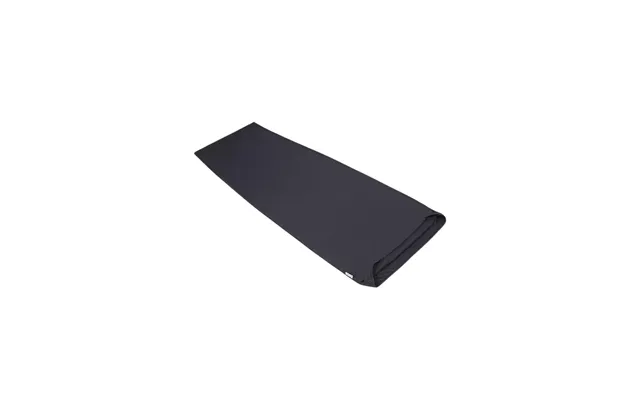
A sleeping bag liner is a lightweight, thin layer that you slip inside your sleeping bag or use on its own as a travel sheet. Think of it as your sleeping bag’s wardrobe — it adds comfort, hygiene, and a bit of thermal magic without weighing you down. Liners come in many materials and styles, and they’re one of those inexpensive upgrades that make the difference between tossing and turning and waking up refreshed.
Linings keep your sleeping bag cleaner (so you wash the liner instead of the whole bag), add a few degrees of warmth, and can serve as an emergency quilt if temperatures unexpectedly drop. For travelers, they’re compact and double as a lightweight sheet in hostels or as an extra layer inside a bulky sleeping bag. Picture a liner as the Swiss Army knife for your sleep system — small, versatile, and surprisingly essential.
Material choice affects weight, warmth, feel, and cost. Here’s the quick rundown so you can match a liner to your adventure style, whether you’re summit-hopping or road-tripping to a lakeside campsite.
Silk is the go-to if you want a soft, skin-friendly liner that packs down tiny. Most silk liners weigh between 3 and 6 ounces and compress to the size of a grapefruit. They don’t add a ton of warmth — usually around 5 to 10 degrees Fahrenheit — but they’re excellent for travel, summer camping, and for people who sleep hot. Silk also feels sleek against the skin, so slipping into your sleeping bag feels like stepping into a silk pillowcase.
Fleece liners are the plush choice. Heavier than silk, typical fleece liners weigh from 11 to 18 ounces and can add 10 to 20 degrees Fahrenheit of warmth depending on thickness. They’re bulkier in your pack, but they’re fantastic for car camping or three-season trips where warmth and comfort beat ultralight metrics. If you love the feel of a sweatshirt in bed, fleece is your friend.
Cotton liners feel familiar and breathable, but they’re heavier and slower to dry than synthetic or silk options. Expect weights in the 10 to 16 ounce range. Cotton is comfy for summer camping and hostel use, but not ideal for damp, cold conditions. Linen blends are lighter and have the natural wicking properties of linen, making them a decent travel sheet alternative.
Synthetic liners (often polyester or microfiber) strike a balance between silk and fleece. They’re lightweight — usually 4 to 8 ounces — dry fast, and can provide moderate warmth gains. They’re tough, easy to wash, and budget-friendly, making them popular for backpacking and general outdoor use where you want a no-fuss option.
One of the most common questions is how much warmth a liner will actually add. The short answer: expect an increase of about 5 to 20 degrees Fahrenheit depending on material and thickness. Silk and thin synthetics sit near the low end (around 5–10°F), while thick fleece liners can add up to 20°F. Remember, liners are not a substitute for a properly rated sleeping bag in extreme cold — they’re an efficiency booster that extends comfort in borderline conditions.
Imagine you have a sleeping bag rated for 30°F but you’re expecting a chilly night around 25°F. Adding a midweight synthetic liner that adds 8°F could make that sleep system feel like the 38°F zone — letting you stay comfortable without upgrading to a heavier sleeping bag. It’s a cost-effective way to tweak your gear for shoulder-season trips.
Your choice depends on where you’re going and how you travel. Are you ultralight backpacking with a 20-mile day ahead? Or are you car-camping with room to spare? The liner that’s perfect for one trip might be a poor fit for another.
For minimalists, silk or ultralight synthetic liners are the clear winners. They weigh only a few ounces, compress to a tiny volume, and provide hygiene plus a small warmth boost. You’ll sacrifice plushness, but you’ll save shoulder pain and pack weight.
Choose a durable synthetic or a midweight fleece if weight allows. These liners add meaningful warmth, dry quickly if damp, and stand up to repeated use. They’re perfect for mixed weather trips where nights can swing cool.
Comfort rules here. Fleece liners or thicker cotton-blend options are ideal because you’re not constrained by tight pack space. You’ll get a cozy sleep and a liner that doubles as a travel blanket or extra cover at the campsite.
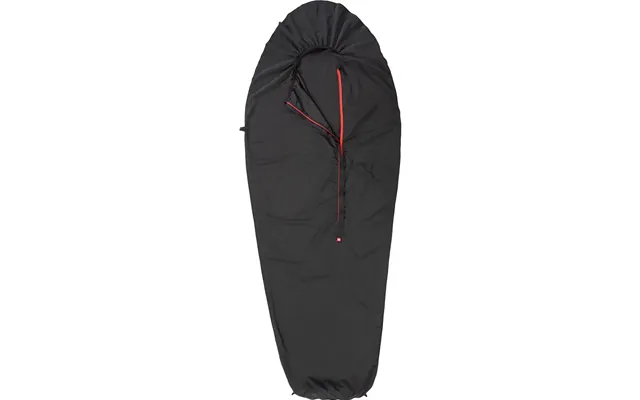
Linings come in various shapes: mummy, rectangular, and even hooded designs. Picking the right size keeps seams from bunching and ensures full coverage.
Most liners are labeled by standard sleeping bag sizes, but always check length in feet and inches. A regular liner often fits up to about 6 feet 3 inches, while long versions can fit campers 6 feet 6 inches and taller. If you’re tall or like extra wiggle room, choose the long size so your feet don’t poke out at 2 a.m.
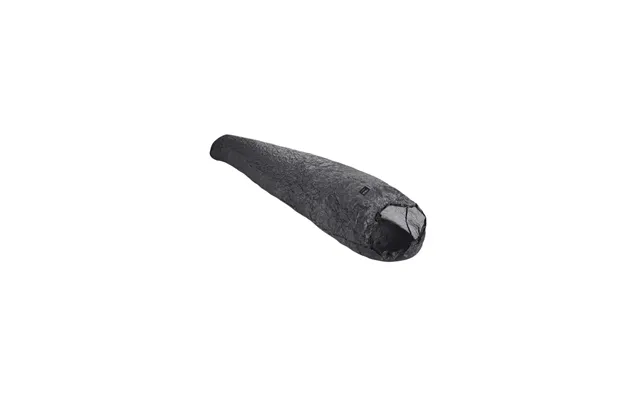
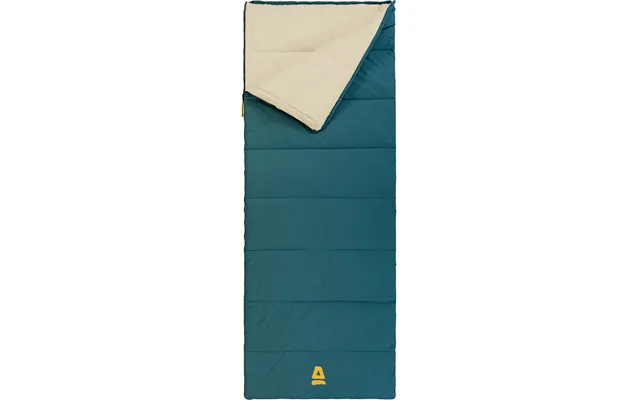
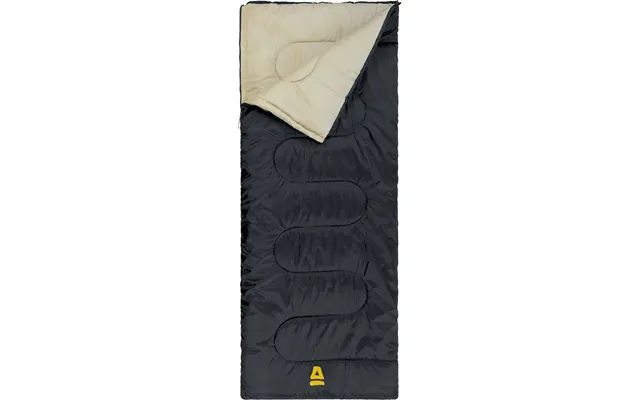
Mummy-shaped liners match mummy sleeping bags, preserving the thermal efficiency and snug fit. Rectangular liners give more room and work great for rectangular bags or for people who toss and turn. Hooded liners add warmth at the head and can double as a pillowcase-like wrap if the weather turns.
Taking care of your liner extends its life and keeps your sleep system hygienic. The good news? Most liners are low-maintenance compared to full sleeping bags.
Follow the material-specific advice: silk liners typically require gentle washing with a mild detergent and line drying, while synthetic liners tolerate machine washing on a gentle cycle and low-heat drying. Avoid harsh detergents and fabric softeners on technical fabrics. If space allows, air-dry to preserve the loft and fabric integrity — think of it like giving your liner a spa day.
Small tears can be patched with gear tape or a sewing kit. Store liners loosely in a dry, breathable bag rather than compressed in a stuff sack long-term. This protects the fabric and helps the liner keep its shape season to season.
A liner is part of a sleep system that includes a sleeping bag, pad, pillow, and sometimes a bivy. Here’s how a liner plays well with other gear.
Linings improve warmth and hygiene, but they work best when matched to a sleeping bag’s shape and temperature rating. A mummy liner in a mummy bag preserves that close thermal fit, while a rectangular liner keeps a roomy rectangular bag feeling homey. Also consider the bag’s temperature rating: a liner can extend seasonality but won’t replace a bag designed for deep cold.
Good insulation happens both above and below. A liner won’t compensate for heat loss through the ground, so pair it with an appropriate sleeping pad with the right R-value (for the metric-minded, R-values translate roughly to warmth; in imperial terms, think of the pad as the mattress that keeps heat from leaking into the ground). If you sleep cold, prioritize a warmer pad first, then add a liner for extra comfort.
Shopping for a liner can be a joy because you can get solid options across budget levels. Price varies by material, brand, and added features like hooded designs or treated fabrics for antimicrobial properties.
Basic synthetic liners may start in the low price range and weigh a bit more, offering good value for casual campers. Mid-range liners — quality silk or treated synthetic models — strike the best balance of weight, feel, and durability. Premium liners made from high-grade silk or performance synthetics with anti-odor treatment and specialty cuts can cost more, but they offer luxury, ultralight weight, and technical performance. Comparison sites and price lists help you spot seasonal deals and bundle discounts without the legwork.
With so many options, how do you pick the right liner? Use a few simple filters: weight, warmth gain, pack size, material, and price. Don’t buy the lightest thing unless you truly need ultralight performance. Comfort and durability matter too.
Consider these quick checks: How many ounces will this liner add to my pack? How much warmth does it actually give in Fahrenheit? Is the material easy to wash and quick to dry? Does the shape match my bag? Is there a long version if I’m tall? Answering these helps you avoid buyer’s remorse and guarantees the liner will fit your sleep style.
Materials and manufacturing choices matter. Some liners use sustainably sourced silk or recycled polyester. If ethical production and environmental impact are priorities, look for transparency in materials and certifications that indicate responsible sourcing. A small purchase like a liner can reflect larger values without breaking the bank.
Choosing a durable liner often means better long-term value and less waste. A well-made liner can last many seasons, while cheaper, disposable-feeling options may need replacing far sooner. Think like a gear minimalist: invest in what lasts if you camp regularly.
Linings are packable wonders. Here are a few practical tips to get the most from yours on the trail or at your next overnight trip.
Use a small, lightweight stuff sack to compress your liner into a pocket-sized bundle. For silk, a tiny dry sack keeps it crease-free and easy to locate at the bottom of your pack. For fleece, a slightly larger sack prevents crushing the pile and keeps it fluffy. If you’re traveling, pack the liner in your daypack for quick use as a picnic blanket or emergency cover.
Linings double as pillowcases, light blankets, or emergency insulation under a jacket. A silk liner can be used as a dust sheet in hostels, and fleece can function as a lap blanket at camp. Versatility stretches the value of your liner beyond night-time comfort.
Before you zip up your bag and hit the trail, run through this quick checklist: material suited to expected temps, correct size, weight acceptable for your trip, washable, and fits your sleeping bag shape. If you checked all the boxes, you’re ready for better sleep in the wild.
Investing in a sleeping bag liner is one of the smartest, simplest upgrades for outdoor sleep. They’re light, affordable, and improve both comfort and hygiene. Whether you choose silk for summer travel, fleece for cozy car camping, or a technical synthetic for variable trails, the right liner changes how you rest under the stars.
Sleeping bag liners are a small addition that pays back big in comfort, warmth, and cleanliness. From silk to fleece to durable synthetics, there’s a liner for every trip profile and budget. Think about your typical nights outdoors — the weight you’ll carry, the temperatures you’ll face, and how much coziness you crave. Match those needs to a liner’s material, shape, and size, and you’ll sleep better and travel smarter without a heavy investment. If you’re comparison shopping, look at price lists and offers on trusted comparison sites to spot deals and make an informed choice.