

Fishing Hook Removal Tools price list
Last updated Saturday, 10 Oct 2026





View 5 Offers
Loading...
Last updated Saturday, 10 Oct 2026
If you're serious about fishing, there's one tiny piece of gear you shouldn't skimp on: a reliable hook removal tool. It’s the difference between a quick, humane release and a long, stressful struggle for both you and the fish. A quality tool keeps you safe from punctures, speeds up the release process, and reduces damage to the fish’s mouth so it can swim away healthy.
Pliers are the workhorses of hook removal. They come in short 6–8 inch models for compact tackle boxes and longer 10–12 inch versions for reaching deep into a fish’s mouth. Pliers with needle-nose tips are especially useful for getting a good grip on small or stubborn hooks. Look for spring-loaded designs that open easily with one hand when you’re dealing with a wriggling catch.
Forceps are like surgical tools for fishing—slim, long, and precise. Typically 7–9 inches long, they are ideal for small hooks and delicate removals in freshwater or fly fishing. Their locking mechanisms allow you to clamp down without constant pressure, making them great when you need to hold the hook while you untwist or cut the line.
Dehookers are the go-to for larger fish and deeply swallowed hooks. These tools can be 12–18 inches long, giving you reach to remove hooks without putting your hands in the fish’s mouth. Some dehookers have a curved tip to hook the bait and slide it out, which minimizes damage to the throat and gills.
Boga grips are multifunction tools: they clip the lip, allow you to weigh the fish, and often include a release mechanism. While heavier and bulkier than pliers, they’re fantastic for anglers who need a secure hold for photos or quick measurement. If you fish for trophy species, a boga-style tool is worth a look.
Saltwater will eat away at cheap metal like a time bomb, so choose stainless steel or marine-grade aluminum if you plan to fish in salt. Stainless parts that are coated with nickel or anodized finishes last longer. Also check for sealed joints or replaceable springs—these small features pay off in longevity.
Match the tool length to your fishing style. For fly fishing and small streams, 6–8 inch forceps or needle-nose pliers are perfect. For boat and surf fishing, 12–18 inch dehookers give you the safety of distance. Remember: longer isn’t always better if it compromises control or makes the tool too heavy to handle comfortably.
Comfortable handles with non-slip rubber or molded grips are essential when your hands are wet. Ergonomics matter because you’ll be using the tool in awkward positions—one-handed operation is a huge plus. Look for tools with textured grips that still allow for quick release from a belt clip or tackle box.
Rounded jaws that close evenly reduce the chance of crushing the hook or the fish’s tissue. Some pliers include built-in cutters to slice through braided or monofilament line—handy when the hook is tangled. Magnetic jaw holders and locking mechanisms also speed up single-handed work, letting you hold the fish steady while you remove the hook.
Using a hook removal tool correctly is more about technique than brute force. First, secure the fish gently but firmly—if you're using a net, keep the fish in the water as much as possible. If you must lift it out, wet your hands or a cloth to protect the slime coat. With pliers or forceps, clamp near the bend of the hook and back it out the way it went in. For deeply swallowed hooks, use a dehooker to push the hook forward so the barb clears tissue, or cut the line and leave deeply embedded hooks in place if removal would cause more harm.
In ponds and rivers, smaller pliers or forceps between 6 and 8 inches do the job. Light, compact, and rust-resistant options are ideal for catching bass, trout, or panfish. You want tools that fit well in a vest or tackle box and are quick to access when a trout jumps in your lap.
Saltwater anglers should aim for longer, heavier-duty tools in the 10–18 inch range with top-notch corrosion resistance. Dehookers or Boga-style grippers work well for surf-caught species where reaching deep into a fish's mouth while keeping your balance on unstable ground matters.
When you're in a small boat or kayak, reach and safety are key. A 10–14 inch dehooker or pliers with a lanyard is a smart choice so you can retrieve the tool if it falls overboard. Magnetic holders that attach to your kayak’s deck can also prevent unnecessary dives for lost gear.
Fly anglers usually prefer slim forceps or needle-nose pliers around 6–8 inches long that allow for delicate work with tiny hooks. A good pair is light enough to carry on a vest and precise enough to free a hook without damaging a trout’s delicate mouth.
Cleaning and storing your hook removal tools properly will extend their life dramatically. After saltwater outings, rinse tools with fresh water and open and close them several times to flush out salt. Dry completely and apply a light coat of oil to moving parts or hinges. For long-term storage, keep them in a dry place and periodically check springs and screws for wear. Replace the spring on a plier before it fails rather than after—it’s cheaper and prevents surprises on the water.
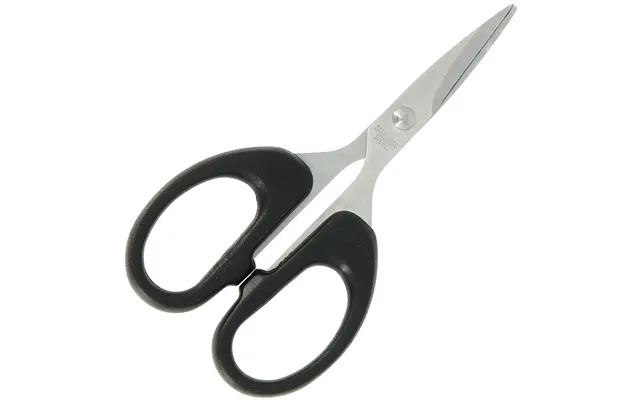
Think beyond the tool itself. A good lip gripper, fish-friendly net, dehooking mat, or a pair of long jaw pliers can change the game. A dehooking mat protects fish from hard surfaces while you work, and a magnetized holder or sheath keeps your tool within reach and secures it while you reel in the next bite. Consider carrying a small pair of scissors or side cutters for line, and a set of spare springs or replacement tips if the model allows swapping parts.
There’s a big jump between bargain-basement pliers and high-end marine-grade tools. Cheap models might last a season or two in freshwater, but they often fail quickly in salt spray. Mid-range tools offer a good balance—stainless steel with comfortable grips, decent cutters, and replaceable parts. Premium models include advanced coatings, lifetime warranties, and precision manufacturing for anglers who rely on their gear weekly. Think about how often you fish and where—if it's weekly in saltwater, upgrade sooner than later.
Never rush when removing a hook. Keep your hands clear of the fish’s teeth or spines—many species have sharp points that can injure you if you fumble. If a hook is deeply embedded, consider cutting the line and releasing the fish rather than causing extensive damage trying to pry it out. Always use eye protection when dealing with live fish and hooks to prevent accidental slings from snapping into your face.
Comparison sites dedicated to fishing gear can be helpful when you're weighing features, prices, and user reviews across multiple brands. These comparison platforms let you filter by length, material, and price so you can quickly see which tools match your needs. Read user reviews for long-term reliability insights—people often report how a tool held up after months of real-world use, which is often more telling than specs alone.
Removing hooks quickly and safely is part of responsible angling. Use barbless hooks when possible or flatten the barb to make removal easier and less traumatic. If you practice catch-and-release, minimize air exposure to under 10–15 seconds when photographing or measuring fish. Keep in mind that some hooks are designed to dissolve if left in a fish, but prevention through proper tools and technique is still the best policy.
Before you buy, run through a short checklist: What species are you targeting? Saltwater or freshwater? Do you need one-handed operation or a locking spring? What length will keep you safe and in control? Prioritize corrosion resistance and build quality over bells and whistles. And don’t forget the little things—sheath, lanyard, or clip-on options can save you from losing a favorite tool in a tide pool or current.
Transport tools in a protective sheath to avoid accidental punctures and to prevent rust from trapped moisture. A tool clipped to your vest or inside a tackle box with silica gel packets will stay dry and ready. If you fish from a boat, secure tools to prevent them from sliding into compartments or overboard; a short tether or coiled lanyard is a smart addition.
A reliable hook removal tool is more than a convenience—it’s a stewardship tool that helps preserve fish populations and keeps you safer. Investing in the right tool will save time, reduce stress for the fish, and improve your overall fishing experience. Whether you pick up a compact forceps for trout streams or a heavy-duty dehooker for surf and boat trips, choose quality, know how to use it, and maintain it. You’ll notice the difference the next time you free a flopping catch quickly and send it on its way unharmed.
Conclusion: The right hook removal tool is a small investment with big returns. It makes releases faster, reduces harm, and keeps you fishing longer with fewer mishaps. Choose the type and features that match your fishing style, take good care of your tool, and you’ll have a dependable companion on every trip.