
Fishing Nets price list
Last updated Sunday, 27 Sept 2026





View 15 Offers







Loading...
Last updated Sunday, 27 Sept 2026
Think of a fishing net as the handshake between you and the fish — clumsy or slick, it sets the tone. A bad net can injure a prize catch or ruin a delicate fish’s slime coat; a good one makes landing, unhooking, and releasing smooth and stress-free. Whether you’re bank fishing for trout with a 2-pound average or boat fishing for bass and pike pushing 15 pounds, the right net changes your success rate and the health of the fish.
There are nets for almost every fishing situation: landing nets, keepnets, cast nets, dip nets, seine nets, and specialty crab or shrimp nets. Each has a unique design and purpose. Before you buy, ask: am I catching fish to release, to weigh and show, or to harvest? Your answer steers you toward a knotless rubber net for safe releases or a heavy-duty cast net for bait capture.
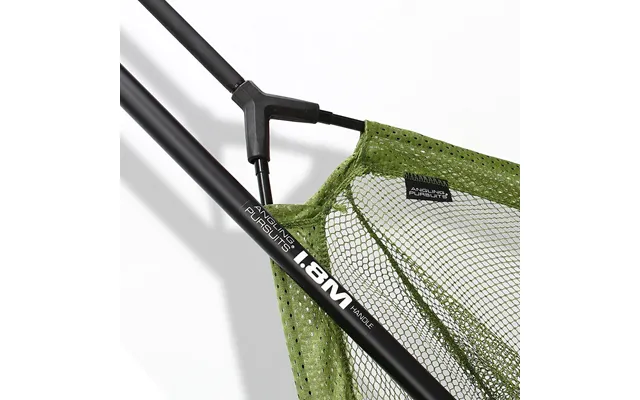
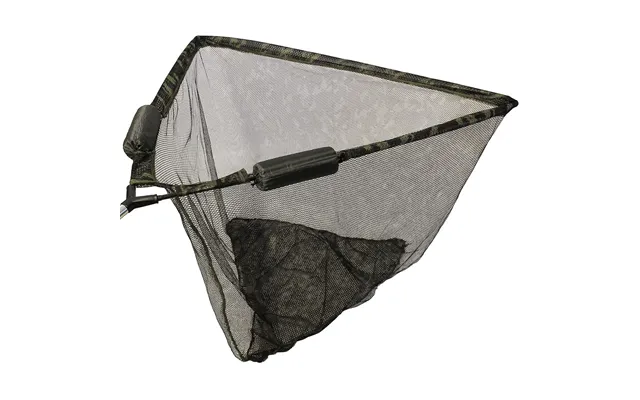
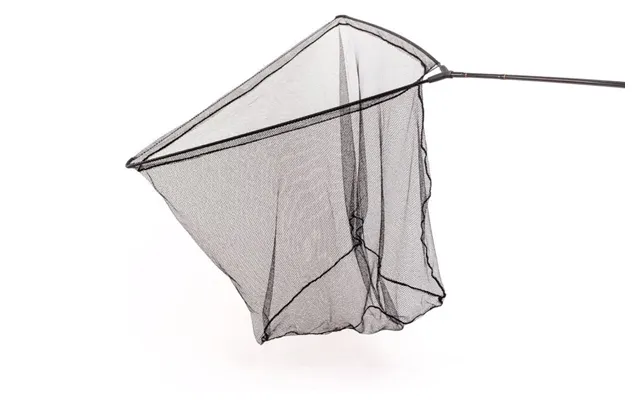
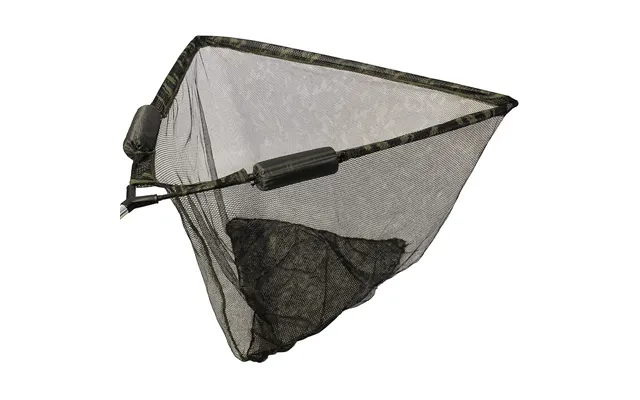
Landing nets are the go-to for anglers targeting individual fish from bank, boat, or kayak. They typically feature a hoop — often 18 inches to 36 inches across — attached to a handle that’s anywhere from 2 feet to 8 feet or more. A shallow, rubber-coated mesh is ideal for protecting fish scales and hooks, while deeper nets are better for bulky species like carp.
Keepnets let you hold fish alive in the water, usually made from mesh bags attached to a frame or rope. They’re popular with competitive anglers and coarse fishers who plan to weigh multiple catches. Sizes vary: small keepnets for 1 to 3 fish, large ones for a haul of carp weighing tens of pounds. Remember to choose a mesh that allows water flow but won’t tangle fins.
Cast nets are the tool of choice for live-bait enthusiasts. Thrown in a circular pattern, they sink and trap baitfish beneath the surface. Diameters range from 4 feet for small users up to 12 feet or more for serious bait harvesters. Mesh size is critical here — small mesh for minnows, larger mesh for sizable baitfish. Technique matters, but so does quality: a well-balanced lead line and smooth throw are golden.
Dip nets are simple, often small and lightweight, perfect for quick catches near shore, for scooping fish out of tanks, or for harvesting crab traps. They’re handy when you need a portable tool that won’t take up much room in a backpack or kayak. Look for folding handles or telescopic designs for easy storage when space is tight.
Seine nets — long nets deployed between two people or anchored points — are common for sampling pools or catching schooling fish close to shore. Specialty nets include crab and shrimp nets, often with fine mesh and reinforced frames, and throw nets for specific bait or small species. These are less about landing a trophy and more about gathering multiple fish efficiently.
Size matters: hoop diameter, bag depth, and handle length should match your fishing style and target species. For trout and small panfish, a 16-inch to 20-inch hoop with a 2-foot handle often does the job. For shore or boat fishing targeting larger bass, pike, or carp, aim for a 24-inch to 36-inch hoop and a handle that extends to 6 feet or longer. If you kayak fish, balance compactness with reach: a 3-foot to 4-foot telescopic handle can save space without sacrificing functionality.
Mesh size dictates what you’ll catch and how safely you’ll handle fish. Fine mesh (around 1/8-inch) works for bait and small species but can be heavy and slow to drain. Larger mesh (1/2-inch or more) drains faster and is lighter but can snag smaller fish. For catch-and-release, knotless rubber mesh is best: gentle on fins and easy to remove hooks from.
Net material affects durability, fish safety, and maintenance. Nylon nets are cheap, lightweight, and common, but they can hold water and tangle, stressing fish. Rubberized nets — either fully rubber or rubber-coated — are gentler, repel hooks and slime, and are easier to clean. Knotless mesh avoids sharp knots that can injure fish fins; it’s a favorite for conservation-minded anglers. If you fish in saltwater, prioritize corrosion-resistant frames and quick-drying mesh to reduce rot.
Frames come in aluminum, composite, and carbon fiber. Aluminum is durable and affordable; composites and carbon fiber are lighter and less likely to dent. For a kayak angler, a lightweight carbon or composite frame with a rubber net might be worth the premium to lower fatigue and avoid spooking fish with heavy gear.
Handle choice is about reach, strength, and storage. Fixed handles are simple and reliable; telescopic handles collapse down for transport and are a favorite for bank and backpack anglers. Telescopic options commonly collapse to 18 inches or 2 feet and extend to 5 or 6 feet. Carbon fiber handles are light and stiff but carry a higher price tag. If you routinely land heavy fish near the boat’s edge, a sturdy fixed handle with a reinforced grip may be the smarter choice.
Also consider attachment points and mounting systems. Quick-release mounts for boats and compact holsters for kayaks make nets more accessible when time is critical. A net on a lanyard or carabiner can prevent accidental loss over the side, especially when you’re balancing on slippery banks.
A few key features will make a net far more useful: a rubberized, knotless bag for fish health; a hoop size that matches target species; a handle length that suits your boat or bank position; and corrosion-resistant hardware for saltwater use. Extra conveniences like a built-in ruler on the handle, floatation foam, or a tethered release system add value without much weight. Think about how you fish: do you need a net that folds, one that floats, or one with an integrated fish ruler?
There’s no universal “best” net — just the best for your situation. For catch-and-release trout and panfish, a 16-inch knotless rubber landing net with a 3-foot telescopic handle is a handy all-rounder. If you chase bigger freshwater species, step up to a 24-inch to 36-inch hoop with a deep bag and a 6-foot handle. For bait gathering, look at 6-foot to 10-foot cast nets with 6-foot to 10-foot diameters depending on the bait size. Brands like Frabill, Fishpond, Shakespeare, and Berkley have well-regarded models across these categories, but always compare features and read recent user feedback before buying.
If you prefer lightweight gear, composite or carbon frames paired with rubberized mesh are worth the investment. Kayak anglers should favor retractable or telescopic nets under 4 feet collapsed length. Boat anglers may prioritize a sturdy, fixed-handle net with reinforced hoop and quick-access mounting from the deck.
Keep your net in top shape: rinse freshwater nets after use and saltwater nets every time with fresh water to remove salt and grime. Hang nets to dry in a shaded spot — sunlight can degrade some materials — and avoid storing them wet in a closed hatch. Check the mesh regularly for frays, repair small holes promptly with a repair kit, and treat wooden handles with oil or varnish to prevent swelling or cracking.
For rubber nets, a gentle rinse and occasional scrub will prevent slime buildup. Avoid harsh chemicals; warm water and mild soap are usually enough. Replace worn-out parts like straps and clips before they fail on a big catch. Regular maintenance saves money and keeps fish healthy for release or live-keep situations.
Match your net to where and how you fish. Standing on a narrow bank? A 3-foot to 4-foot telescopic handle and a 16-inch hoop minimizes fumbles and keeps you nimble. Fishing off a boat or kayak in open water? A longer handle and larger hoop let you reach without leaning over. Targeting heavy freshwater species like carp or pike? Go big on hoop diameter and choose a deep, reinforced bag. Catching bait or small schooling fish? A cast net with the right mesh size will save you time and bait costs.
Also think about conservation. If you practice catch-and-release, prioritize knotless, rubber-coated nets and a shallow bag that lets you cradle fish quickly and get them back safely. If you keep fish for the table, durability and ease of cleaning may take precedence over gentle mesh.
Shop smart: compare specs — hoop size, bag depth, handle length, mesh type — rather than just price. Look for seasonal sales, bundle deals that include repair kits or mounts, and reliable warranty coverage. Comparison sites can help you scan options quickly and spot current offers across retailers without bias; they’re a good starting point when you want to weigh features and prices side-by-side.
Try to test a net in person if possible: feel the handle balance, check the hoop rigidity, and see how the bag drains. If you buy online, read recent user reviews and check return policies in case the net doesn’t suit your style. Remember, the cheapest net might save cash now but replace it sooner, costing you more in the long run.
A few small add-ons extend the usefulness of your net. Net holsters and deck mounts keep a net accessible and out of the way. A floating foam insert added to the handle prevents loss if it goes overboard. Replacement rubber nets, repair kits, and carabiners for quick lanyard attachment are inexpensive insurance. Some anglers add a telescopic measuring tape or a built-in ruler to the handle for quick size checks.
Before you click “buy,” run through a quick checklist: what species are you targeting, where will you fish (bank, boat, kayak), do you practice catch-and-release, how important is weight and packability, and do you need saltwater corrosion resistance? Once you’ve answered these, the decision gets a lot easier. Choose a net that feels like an extension of your arm rather than an awkward tool you tolerate.
Fishing nets are deceptively simple tools that hugely impact your angling experience. From small dip nets for quick scoops to large, tournament-grade landing nets and efficient cast nets for live bait, the right choice depends on species, location, and your priorities. Prioritize mesh material for fish safety, frame and handle for strength and balance, and features that match your routine. With the right net, you’ll land more fish, handle them cleaner, and spend less time fighting gear and more time enjoying the water.