




All categories
Business & Offices
Electronics & Media
Fashion & Accessories
Groceries & Essentials
Health & Personal Care
Home & Living
Kids & Family
Sports & Outdoors
Search in ZoneOffer

Loading...
If you’re the kind of angler who loves a snug reel and a smooth rod, you might be surprised how much the “other” gear changes your day on the water. Think of rods and reels as the engine and transmission of a car — accessories are the tires, headlights, and cup holders that make the trip comfortable, safe, and successful. From a reliable landing net to a spot-on fish finder, investing in the right extras can turn a frustrating afternoon into a trophy moment.
"Fishing - Other" covers everything that’s not strictly a rod or reel: tackle boxes, landing nets, fish finders, waders, pliers, scales, rod rests, baitboats, and more. These items are often low-cost upgrades with high impact. They reduce time spent fumbling, increase hook-up rates, and protect your gear — and your catch. If you want a simple rule: upgrade one accessory at a time and you’ll notice the difference right away.
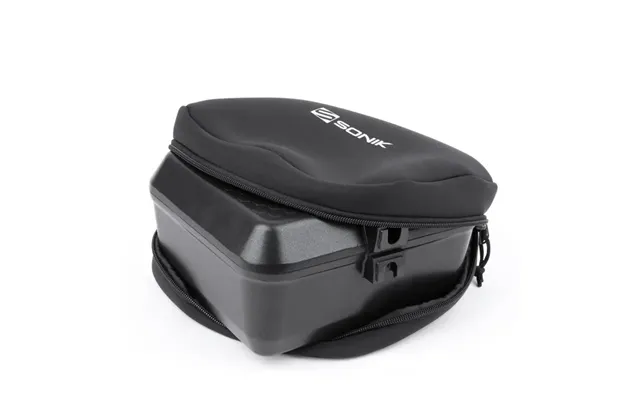
A tidy tackle system saves minutes and prevents lost lures. Hard tackle boxes are great for structured storage and stackable trays, while soft tackle bags offer pockets and room for bigger items. Look for boxes with watertight seals, rust-proof latches, and compartments that accept standard insert trays. For shore and boat anglers, a compact box measuring about 12 inches by 9 inches is a solid everyday size; for match or carp anglers, a large system with trays about 20 inches long gives you room for big terminal tackle.
Choose clear lids so you can find contents without opening each box, adjustable dividers for custom storage, and a sturdy handle. Soft bags should have reinforced bottoms and padded straps — if you’re carrying gear more than a few hundred yards, comfort matters. If you fish in saltwater, look for corrosion-resistant liners and drain holes to keep salt from damaging metal lures.
Landing the fish is where the story gets real — and a flimsy net can turn a fight into heartbreak. A good landing net with a rubberized, knotless mesh and a hoop diameter of 24 to 36 inches helps you bring fish aboard without tearing scales or tangling hooks. For bigger species, telescopic handles that extend to 6 or 8 feet add reach when sea or bank conditions make the grab tricky.
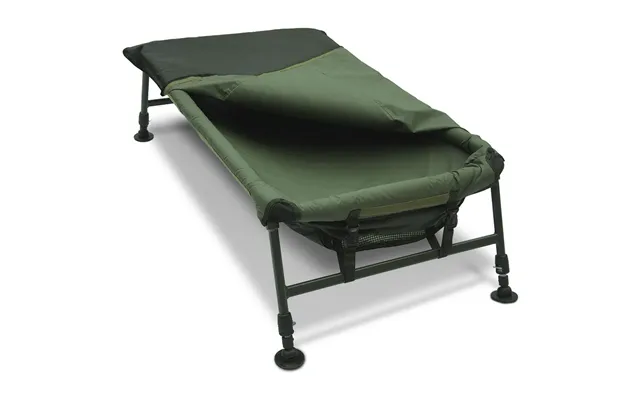
Fish grips that lock securely and read in pounds make safe catch-and-release simple; aim for grips rated well above the species you target — a 30 lb rated grip for average freshwater use is sensible, while saltwater anglers should look at higher ratings. Unhooking mats or padded cradles protect fish and give you a clean space to work, especially for carp and other larger catches.
Modern fish finders are not just a luxury — they’re a navigation and productivity tool. Even a compact unit with a 5-inch display and CHIRP sonar that reads down to 200 feet dramatically increases your odds. For bank anglers, a portable unit with wireless transducer and a battery that lasts several hours is ideal. Boat anglers might prefer combo units that pair GPS charts with side-scan and down-scan sonar for precise structure reading.
Look for CHIRP sonar, side-scan for locating fish-holding structure, and GPS with waypoint marking. A readable screen on sunny days and waterproofing are must-haves. If you fish in freshwater lakes that are under 200 feet deep, a mid-range unit will do; for deep saltwater work, prioritize depth capability and transducer power.
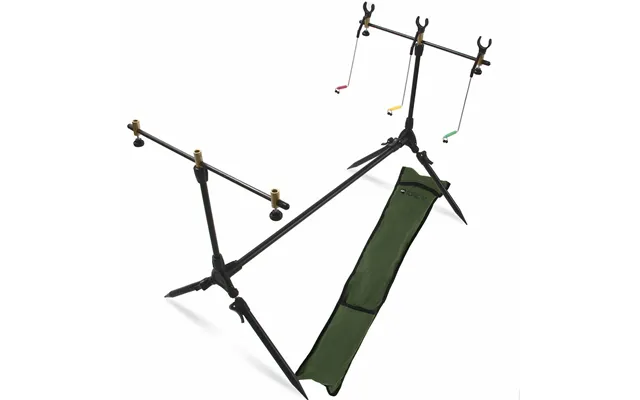
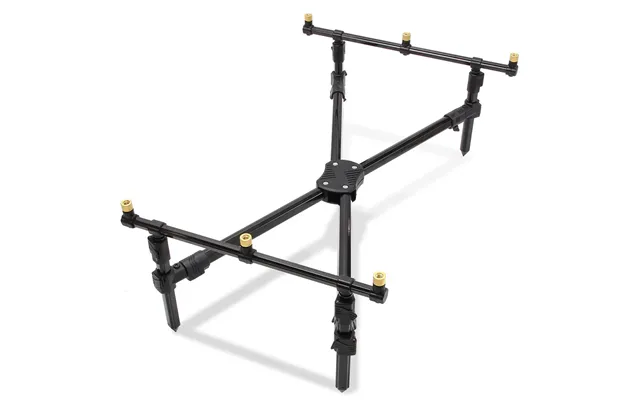
Rod holders and pods turn passive sessions into efficient setups. A bank pod with adjustable legs holds multiple rods and keeps your tips visible, while a rod holder on a boat can free your hands during trolling or drift fishing. For shore-based carp anglers, a bite alarm paired with a rod pod is the classic setup — you’ll get a visual and audible signal when a fish moves on your line.
Pick rod holders that mount solidly to your platform. For boats, clamp-style holders with stainless fittings resist corrosion. If you prefer bank fishing, lightweight aluminum pods that collapse down to about 2 feet are convenient to carry and quick to set up.
How often does a chilly, wet day cut your session short? Waders and waterproof boots keep you comfortable so you fish longer. Breathable chest waders in sizes with reinforced knees and adjustable suspenders are versatile, especially when paired with neoprene booties or studded soles for slippery banks. Insulated jackets and layers rated for temperatures in the 30s and 40s (Fahrenheit) can make early spring or late fall trips enjoyable rather than miserable.
Always try waders for fit: room for base layers matters, and a snug but not restrictive chest seal prevents water from pooling. Synthetic insulation dries faster than down if you get wet, and rubber or felt soles offer different traction — rubber is better for boat decks, felt grips are superior on mossy rocks, but be aware of local regulations about felt usage in some areas.
Small tools are huge in impact. A corrosion-resistant plier set with split-ring pliers, wire cutters, and a crimper solves 80% of terminal tackle problems on the water. A dehooker or hook-removal tool reduces handling and stress on fish, improving survival rates for released fish. Look for tools with comfortable grips and secure sheathes to avoid losing them in the grass or overboard.
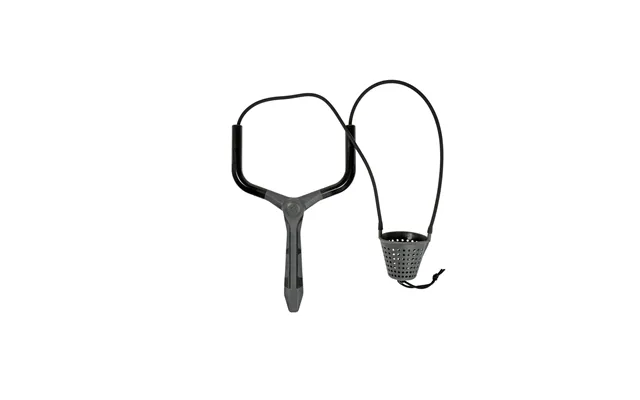
If you fish carp or long-range species, bait delivery systems become essential. Baitboats let you place bait precisely at distances unreachable by casting — think 100 to 300 yards in many cases — while spod rods and spods are a great mechanical alternative for putting out a tight baited area. Catapults and pokers work for short-range pre-baiting and are budget-friendly options for small lakes and ponds.
Choose a baitboat when accuracy and distance matter and you need to deliver larger amounts of bait. A spod rod is perfect for straightforward particles and boilies to a few hundred yards, and it’s much lighter on your wallet. Both systems benefit from a systematic baiting plan: start light and increase as you refine your spots.
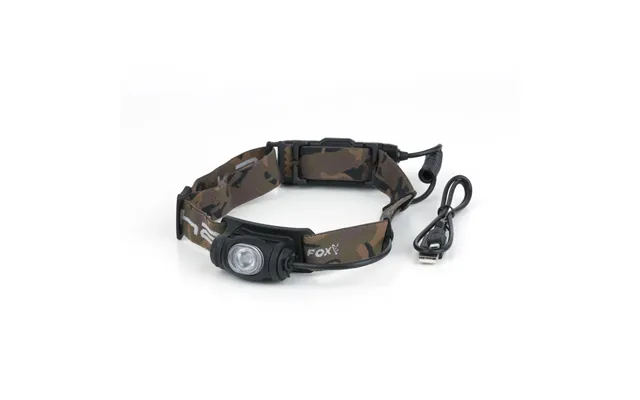
Small items like polarized sunglasses, headlamps, waterproof phone pouches, and compact first-aid kits are underrated heroes. Polarized lenses cut glare and make fish easier to spot, while a headlamp with both white and red modes keeps your hands free on dawn or night sessions. For night anglers or those fishing low light: an LED headlamp that outputs 200 to 800 lumens is usually plenty.
Shopping for "fishing - other" items is about comparing like-for-like features, durability, and warranty. Check if a tackle box has rust-proof latches, if a fish finder includes a transducer, or if a wader comes with reinforced knees. Comparison sites aggregate offers, letting you filter by features and price. Read reviews that emphasize real-world use — a single negative review about build quality can tell you more than a perfect spec sheet.
You don’t have to buy premium everything. Spend more on items that directly affect catch rates or safety: quality landing nets, good pliers, and a dependable fish finder. Save on less performance-critical kit like some soft luggage or basic tackle boxes, where mid-range products function perfectly well. A simple rule: spend more where failure costs you fish or safety, save where replacement is cheap and convenient.
Routine care will double or triple the life of your gear. Rinse saltwater gear in fresh water after each use, dry waders before storage, and oil metal fittings lightly to prevent corrosion. For electronics, store batteries separately when not used for long periods, and keep screens protected. A little maintenance goes a long way — like brushing teeth after a meal, it keeps the bad stuff from sticking around.
For a practical starter kit, pair a 28-inch rubberized landing net, a 5-inch fish finder with CHIRP sonar, a corrosion-resistant plier set with sheath, and a 12-inch x 9-inch tackle box with adjustable dividers. If you want to go heavy duty, add a telescopic net handle to 8 feet, a baitboat for long-range baiting, and lightweight breathable chest waders. These items cover most middle-of-the-road angling styles and give you flexibility across seasons.
Always match gear to your fishing style and target species. If you mostly fish ponds and lakes for bass or trout, prioritize a compact fish finder and a lightweight net. If you’re a bank carp angler, focus on waders, a robust rod pod, and bait delivery systems. Check weight ratings and measurements in imperial units, especially for nets and grips, to avoid surprises when handling larger fish.
Conclusion: The "other" gear is where performance and comfort meet. Upgrading thoughtfully, comparing features, and maintaining your kit will give you more successful, comfortable, and enjoyable days on the water.
| Fishing - Other | Price | |
|---|---|---|
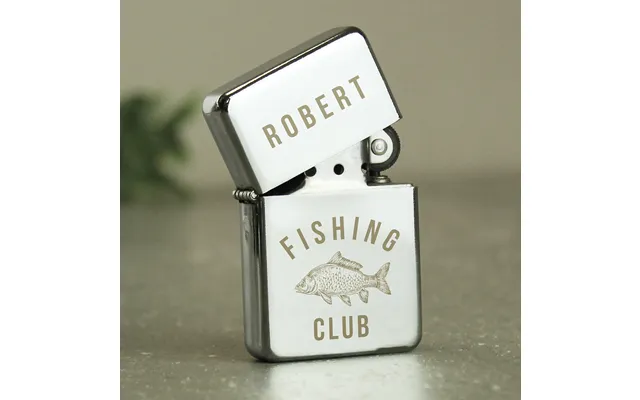
| Personalised Fishing Lighter | £ 12,49 |
