






Fishing Traps
Loading...
Loading...
If you love coastal fishing or want a low-effort way to catch crabs, lobsters, or bait fish, fishing traps are a brilliant tool to add to your kit. Traps let you work smarter — set them, leave them for a while, and check back later — rather than spending hours casting. They’re especially good for families, weekend adventures, and those who want a steady supply of bait or dinner without constant rod time. Plus, traps come in many shapes and price points, so whether you’re on a tight budget or chasing commercial-quality gear, there’s something that fits your needs.
Not all traps are created equal. Different designs target different species and environments, so choosing the right one is key. Below I break down the most common trap types and when to use them.
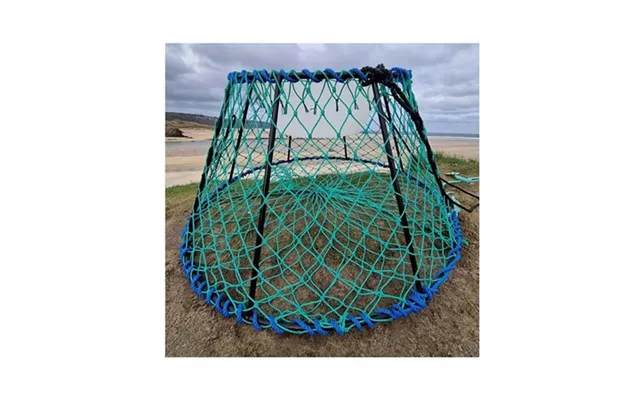
Crab pots are a go-to for catching shore and rock crabs. They’re typically rigid with funnel-shaped openings that let crabs enter but make escaping difficult. Look for models with durable frames and a bait bag or bait cage to keep the scent working without losing the bait too quickly.
Lobster pots are larger and heavier-duty than crab pots, often made from thicker wire or reinforced frames. If you’re after larger crustaceans, these are built to withstand the force of a big catch. They usually have multiple chambers and escape vents to meet local regulations and protect undersized animals.
Fyke nets are long, funnel-shaped nets that guide fish into a holding area. They’re excellent for trapping eels and certain migratory species in estuaries and rivers. Hoop nets are similar but smaller, great for bait fish or smaller species in calm waters.
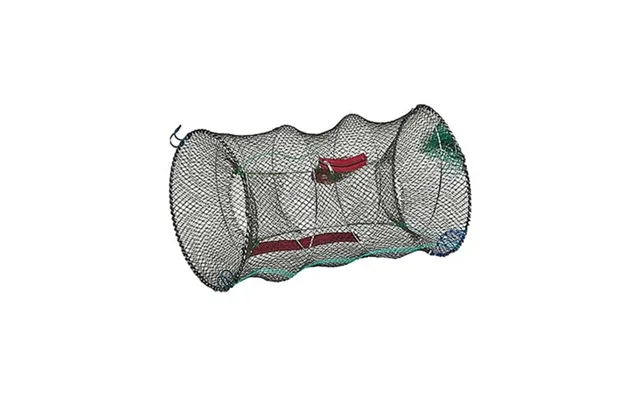
Small, collapsible minnow traps are designed for catching bait fish like minnows and small wrasse. They’re lightweight, easy to carry, and usually inexpensive — perfect for topping up your live bait supply before a day of angling.
Shrimp traps are compact and often made of mesh with small entrance funnels to keep tiny prawns in. These are ideal for estuary work or shallow coastal spots where shrimp congregate, and they’re usually baited with fish scraps.
Eel traps and eel fyke nets have narrow funnels and are designed to catch slippery, nocturnal creatures. They work best in tidal channels, muddy flats, and the edges of rivers where eels move at night.
Build quality matters. A trap’s material affects durability, weight, and how long it lasts in saltwater. Here’s how to judge what’s best for your needs and budget.
Galvanized steel is tough and lasts a long time, but it can corrode over the years if not rinsed after use. PVC-coated frames add an extra layer of protection against salt and abrasion and are gentler on rocky bottoms. If you’re often fishing in rough conditions, a PVC-coated frame is a good investment.
Mesh size determines what you’ll catch and what can escape. Larger mesh lets smaller creatures slip out, which helps you comply with size limits and reduces bycatch. Entrance funnels should be smooth and tapered — a well-designed funnel improves catch rate and reduces escape attempts. Always check mesh and funnel sizes before you buy to match your target species.
Size isn’t just about how many crabs you can catch; it affects handling, portability, and where you can set the trap. Smaller pots are easy to carry and ideal for rock pools and shoreline work, while larger pots are worth the extra heft if you’re targeting lobster or running multiple traps. Think about how you’ll transport and store your traps — if you’ll be carrying them long distances, prioritize collapsible or lightweight models.
Fishing laws and conservation rules vary across the UK, and using traps responsibly means following local regulations. Some areas restrict the number of traps, require escape gaps, or ban certain gear during breeding seasons. Before you set anything, check with local fisheries authorities or government websites for up-to-date rules. It’s not just about avoiding fines — sensible practice helps keep stocks healthy so future trips stay productive.
There’s a bit of craft to getting good results with traps. Small tweaks in bait, placement, and retrieval times can massively improve performance. Let’s walk through the basics so your first trip doesn’t end in disappointment.
Strong, oily baits like mackerel heads, pilchards, or fish scraps are classic favorites because they release scent quickly. For crabs and lobsters, chunky bait that won’t wash out of the bait bag is ideal. For shrimp or minnows, smaller bits or whole small fish work better. Rotate baits if a trap sits for a while — freshness matters.
Location matters more than fancy gear. Place traps near structure — rocks, weed lines, and drop-offs — where crustaceans and bait fish like to feed. Tidal flow helps; set traps to let the current carry scent past potential catches. Depth varies by species: shore crabs hang close to rocks, while lobsters prefer deeper channels. Check traps during changing tides for the best results.
Taking care of your traps extends their life and keeps them working correctly. After each use, rinse traps in freshwater to remove salt and debris, and let them dry before storing to prevent mildew and corrosion. Repair small holes in netting promptly and replace frayed lines. For wire traps, inspect welds and hinges, and touch up any exposed metal with a protective coating if needed.
When you shop, don’t just compare price — compare features. A few thoughtful choices up front save time and frustration later.
Collapsible traps fold flat for storage and make life easier if you travel to fishing spots by foot or public transport. They tend to be less heavy but still effective for many species.
Built-in escape rings and biodegradable panels meet many legal requirements and protect juvenile animals. If you’re buying for use in regulated waters, prioritize traps with these features already fitted.
Sturdy buoy attachments and a clear ID tag or marker make retrieving traps safer and help you avoid conflicts with other users. Use a visible buoy and record your trap location to prevent lost gear.
Prices vary widely depending on type, materials, and brand. For a quick guide: small collapsible minnow traps and bait cages might be in the budget-friendly range, while high-end lobster pots or commercial-grade steel crab pots cost more. Comparison sites and seasonal sales are great for spotting bargains — they let you compare specs and prices across multiple retailers so you can find the best value without endless searching. Remember to factor in shipping and any legal tags or buoy costs you’ll need to buy separately.
If you’re starting out, pick a small, lightweight pot that’s easy to handle and won’t break the bank. Collapsible crab pots and minnow traps are perfect learning tools. For experienced users or those aiming for bigger hauls, invest in a heavier-duty lobster pot or a set of wire crab pots with reinforced frames. You’ll trade a little portability for durability and better catch retention.
Sustainable trapping keeps stocks healthy and ensures future seasons stay productive. Use escape vents or rings to allow undersized animals to leave, check traps regularly to avoid prolonged stress on caught animals, and release non-target species carefully. Always remove lost or broken traps if possible; ghost gear can harm wildlife. Following simple rules is like tending a garden — you protect the soil so the plants come back bigger next season.
Comparison shopping is the smart angler’s secret weapon. List the must-have features you need — species target, size, materials, and legal compliance — then scan product pages and user reviews. Filter by features like collapsible design or PVC coating, and watch for seasonal discounts. A little homework up front means more time catching and less time fixing gear that isn’t fit for purpose.
Handling traps requires attention to safety. Always wear gloves when pulling pots from rough or sharp surfaces to avoid cuts from wire or barnacles. Use proper knotting techniques on your lines and test your buoy rope strength to prevent losing expensive gear. And if you’re setting traps from a small boat or dinghy, ensure you have the right lines and a secure attachment point so you don’t jeopardize the vessel or your crew.
The best way to get better is to go out and try things. Attend local workshops, join fishing clubs, or ask experienced anglers for tips on bait, placement, and maintenance. Online forums and comparison sites can help you spot the best models and deals, so you’re always getting the most for your money. Fishing is a mix of knowledge, gear, and patience — improve one and the others follow.
In short, choosing the right fishing trap comes down to species, location, and how you want to fish. With the right trap and a few smart practices, you’ll see better catches, spend less time worrying about gear, and enjoy more successful days by the water.
Conclusion: Fishing traps are a versatile, efficient way to catch a range of species from crabs to bait fish. By picking the right type, paying attention to build quality and legal rules, and practicing ethical trapping, you’ll get more from every trip. Use comparison tools to find the best deal, maintain your gear, and keep learning — that combination makes every outing more rewarding.