All categories
Business & Offices
Electronics & Media
Fashion & Accessories
Groceries & Essentials
Health & Personal Care
Home & Living
Kids & Family
Sports & Outdoors
Search in ZoneOffer
Loading...
If you want your flies to fool trout, grayling, sea trout or any wary fish, the materials you use matter more than you might think. High-quality feathers lay right, thread ties strong without bulk, dubbing fluffs into natural profiles, and beads seat correctly — every tiny detail adds up to a fly that behaves and looks like the real thing. Think of tying as cooking: premium ingredients make a better dish even if the recipe is the same.
Swap a cheap feather for a premium hackle and you may notice the fly rides differently, floats longer, or pulses more invitingly in the current. Those subtle differences are the reason many anglers invest in top-grade fly tying supplies — because a better fly often means more takes and fewer missed opportunities.
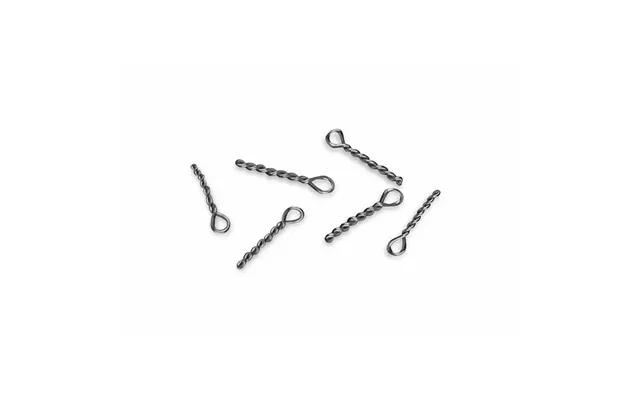
Every fly tier, from beginner to expert, should have a core collection of materials. Start with a reliable selection of hooks, thread, feathers, dubbing, and a little flash. These basics let you tie a wide range of dry flies, nymphs, wet flies and streamers without running to the shop for missing parts.
At minimum, pick up: a variety of hooks (dry, nymph, streamer sizes), 6/0 and 8/0 tying thread, natural and synthetic dubbing, hackle feathers in both rooster and hen, marabou or CDC for motion, thin wire for ribbing, and a few yards of tinsel and flash. Add bead heads and small brass or tungsten beads (1/16-inch to 1/8-inch) for weighted patterns.
Hooks are the backbone of every fly. Choosing the right style — dry fly, nymph, wet fly or streamer — and the right size will influence how your fly sits in the water, how it matches natural prey, and how well it hooks fish. Dry fly hooks are usually lighter and feature a turned-up eye; nymph hooks have more gape and often a straight eye for jigging.
Hook size numbers can be confusing at first: higher numbers (like 16, 18) are smaller, lower numbers (like 6, 4) are larger, and streamer hooks are often labeled by length such as a 1/0 or 2/0. For trout rivers, keep a selection from size 18 up to size 4, and include a couple of 1/0 streamer hooks if you plan to tie baitfish patterns. If you’re using bead heads, match bead diameter to hook gap — a 3/32-inch bead often pairs well with sizes 12–16.
Thread holds everything together and subtly affects the fly’s profile. Fine threads like 8/0 or 70-denier are perfect for delicate dry flies, while 6/0 or heavier nylon threads are better for larger flies. Tinsel and wire add flash and durability — rib your nymphs with thin copper or silver wire, or wrap a shiny tinsel for an attractor effect.
A spool with 50–200 yards is common; heavier tying often uses spools around 100 yards. For wire, keep a spool of medium wire in 0.015–0.020-inch diameter for most ribbing tasks, and a finer 0.010–0.012-inch for tiny nymphs. Use imperial measurements like inches when matching bead sizes or ribbing lengths to the hook length.
Feathers are arguably the most characterful materials in fly tying. Rooster necks provide long, firm hackles perfect for dry flies and palmered bodies, while hen saddles give softer, shorter fibers useful on emergers and wet flies. CDC and marabou each bring unique motion — CDC for buoyant, wicking properties, marabou for irresistible movement in the water.
For classic dry flies go for high-quality rooster hackle with even barbs and a tight barb spacing. If you tie emergers, pick hen or CDC with softer fibers. For streamers, shoulder feathers or saddle patches with long, flowing barbs are ideal — think 2–3-inch barbs for a nice streamer wing.
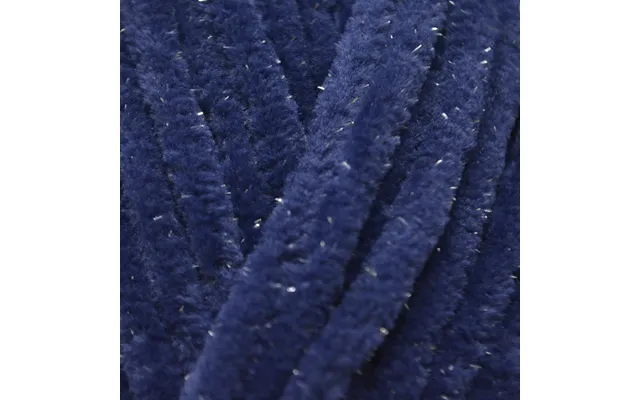
Dubbing builds bodies, creates segmentation, and adds bulk. Natural dubbings such as hare’s ear or fox blend well for lifelike nymphs; synthetics like ice dubbing and small fibers create buggy or flashy bodies. Chenille gives a plush, rounded body for streamers and woolly buggers, while materials like EP fibers and flashabou are perfect for adding sparkle or a baitfish shimmer.
Don’t be shy about combining natural and synthetic dubbing — a base of natural fur with a strand of flash woven through can mimic a shrimp or nymph with subtle glints. Use chenille in 1/16-inch to 1/8-inch thickness for most trout streamers and larger nymphs.
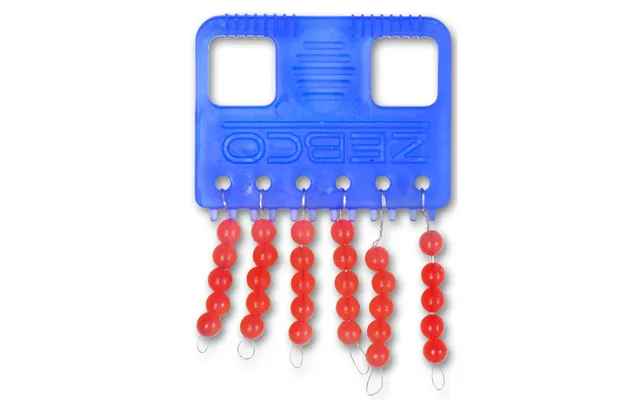
Beads and eyes not only add realism but also change fly behavior. Brass and tungsten beads let you control sink rate — tungsten sinks faster and is great for deep nymphs, while brass is lighter and good for shallow runs. Add bead chain eyes or molded plastic eyes to streamers for a three-dimensional baitfish look.
Choose bead sizes by the fly length and hook size: 1/16-inch beads suit tiny nymphs and size 18–20 hooks, 3/32-inch is common for general trout sizes (12–16), and 1/8-inch beads work well on larger nymphs and small streamers. Make sure the bead hole fits the hook shank snugly so the bead seats properly during casting.
Good tools speed up tying and improve consistency. A solid vice that grips a range of hook sizes, a smooth bobbin to hold thread, sharp curved scissors, and a whip finisher for neat knots are the basic toolkit. As you progress, a hair stacker, dubbing spinner, and rotary vise become highly useful for complex patterns.
If you’re starting out, a fixed or simple rotary vice with jaws that open from tiny dry fly hooks up to larger streamer hooks is a smart choice. Look for vices that hold hooks securely without crushing them and offer a bit of rotation to make tying bodies and wings easier. Consider the base style — bench-mounted for stability or clamp-mounted if you need portability.
Don’t want to build a material stash from scratch? Starter kits are a fun way to begin. Many kits include a vise, basic tools, and a curated selection of hooks, threads, hackles and dubbings — enough to tie a dozen or more patterns. Kits are great for learning pattern construction and sampling materials without committing to large packs.
Choose kits that clearly list hook sizes, thread types, and feather sources. Avoid kits loaded with low-quality feathers that break easily; instead look for kits with a mix of natural and synthetic materials and a reliable vise. A kit with refillable components (extra hooks, thread spools) offers the best long-term value.
Keeping feathers dry, dubbing fresh, and hooks rust-free matters. Use plastic or metal storage boxes with adjustable compartments for hooks and beads, and dedicated sealed containers for feathers and dubbing to keep dust and humidity out. Labeling by pattern or color saves time — nothing slows a tying session like rummaging for the right feather.
Small hook boxes often measure about 6–8 inches long by 3–4 inches wide, with 10–20 compartments. Larger general-purpose tackle boxes in the range of 9–12 inches are handy for storing spools, tools and bulk materials. Use foam strips for keeping needles and small tools from rolling around.
Both natural and synthetic materials have roles. Natural fur and feathers offer unmatched buoyancy, texture and life-like micro-structure. Synthetics are durable, wash well, and can mimic or exaggerate features like flash and translucence. Many tiers use a hybrid approach: natural dubbing for body texture with a touch of synthetic flash for attraction.
In clear, pressured water lean on subtle, natural materials. In stained or windy conditions, boost visibility with synthetic flash, brighter tinsel, or larger profile streamers. If you need flies that last through multiple fish, synthetics often outlast delicate natural fibers.
With hundreds of suppliers and seasonal sales, price comparison is a smart move. Use comparison sites and deal aggregators to scan offers across shops and catch limited-time discounts on vices, complete kits, and bulk materials. Keep an eye on bundle deals — mixed packs of hooks, beads and dubbing can save both money and shopping time.
Buy bulk materials and tools in the off-season when retailers often clear stock. Spring and early summer can bring new arrivals and promotional prices, but late-season sales may include last-season colors and leftover inventory at a discount. Always compare shipping costs and delivery times before committing.
Treat your materials right and they’ll serve you for years. Store feathers away from direct sunlight to avoid fading, keep beads in sealed bags to prevent tarnish, and use desiccant packs in containers to control humidity. Clean and sharpen scissors and other tools regularly to maintain crisp cuts.
Woolly bear and fur can attract pests, so keep natural materials in sealed containers and consider cedar blocks or sachets to deter moths. If a feather gets bent, steam it gently and realign the barbs — a little care can bring many feathers back to life.
Once you’ve mastered basics, explore specialty items: CDC blends, micro fibers for tiny nymphs, freeze-dried shrimp bodies, and specialty eyes for big streamers. Micro-threads, ultra-fine wires, and 3D holographic films open creative possibilities. These materials help you replicate specific prey items or create patterns that stand out in difficult fishing conditions.
If a pattern isn’t producing, try a subtle material swap: different dubbing, a tiny bead size change, or synthetic flash added to the wing. Tying is as much experimentation as craft — small tweaks often lead to big on-water improvements.
Conclusion: Building a thoughtful, well-organised collection of fly tying materials is one of the best investments you can make as an angler. Whether you’re tying your first dry fly or developing a streamer arsenal, the right hooks, feathers, threads and tools let you match the hatch and respond to what the fish want. Start with quality basics, grow your kit intentionally, and use comparison tools to find the best deals across suppliers. With practice and the right materials, you’ll tie flies that look and fish better — and that’s where the real fun begins.
| Fly Tying Materials | Price | |
|---|---|---|
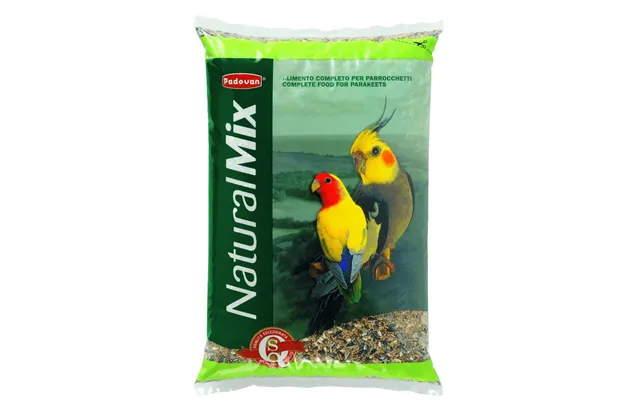
| Natural Mix Nymph - 850 G | £ 3,70 |