

Kite Buggying price list
Last updated Friday, 9 Oct 2026




View 3 Offers

Loading...
Last updated Friday, 9 Oct 2026
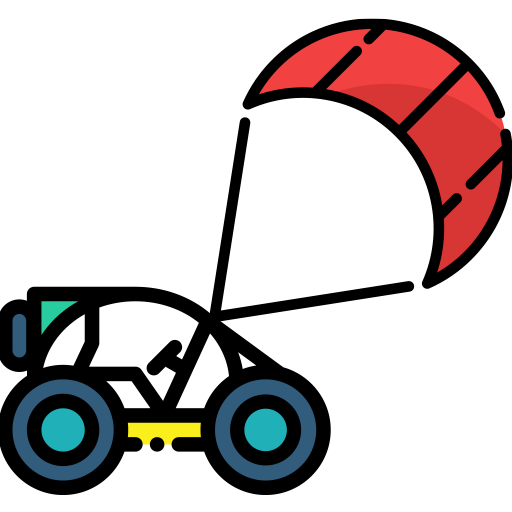
Kite buggying is a high-adrenaline outdoor sport where you sit in a three-wheeled or four-wheeled buggy and use a traction kite to harness wind power and zoom across flat surfaces like beaches, dry lake beds, or open fields. Think of it as a cross between sailing and go-karting—only the engine is a kite and the horizon is your racetrack. It’s accessible, social, and addictive: once you feel that first surge of wind pulling the buggy forward, you’ll understand why people chase the next breeze like surfers chase the next swell.
Part of kite buggying’s appeal is its low barrier to entry in terms of equipment setup and maintenance compared with water-based kite sports. You don’t need a boat, a launch ramp, or perfect waves—just the right wind on a long, flat stretch. It’s also a great way to build kite-handling skills that transfer to kitesurfing or landboarding. Plus, it’s surprisingly forgiving: the seated position and three-wheel stability mean you can learn to steer and edge with less stress on your joints, making it popular across ages and fitness levels.
Your kite is the heart of the system. Traction kites come in two main flavors: foil kites and leading-edge inflatable (LEI) kites, each with pros and cons. Foil kites are light, pack small, and generate smooth power—great for light winds and long runs. LEI kites are more robust, relaunch easily from water or sand, and often feel more direct for aggressive flying. When you shop, think about expected wind ranges and the kite’s power curve; a forgiving kite is better for beginners, while intermediate riders may prefer a kite that responds faster for carving and jumps.
Foil kites are like parachutes with cells—great low-end power and lightweight. C-kites and hybrid-shaped LEI kites offer steeper pull and quicker turns but can be more demanding to fly. Two-line versus four-line setups matter: two-line kites are simpler and often used for classic buggying, while four-line systems give you more depower control and safer relaunch options. Choose the type that matches your appetite for performance versus stability.
Kite size is measured in square feet in this sport, and picking the right one depends on rider weight, buggy setup, beach size, and usual wind speeds. As a rough guide, lighter riders in steady 12–18 mph winds might favor a 120–150 sq ft kite, while heavier riders or lighter winds push you toward 160–220 sq ft. Conversely, if gusts often punch beyond 25 mph, you want a smaller 60–100 sq ft kite for control. Many toolkit-savvy riders own a small quiver of kites—one big, one medium, one small—to cover a wide wind window.
The buggy you choose affects comfort, speed, and safety. Buggy frames come in aluminum or chromoly steel; aluminum is lighter, chromoly is tougher. Seats can be rigid or fully reclining; full recline lowers your center of gravity, offering better stability at speed but reducing visibility. Wheel size matters: larger wheels—think 12 to 20 inches—roll more smoothly over soft sand and small bumps, while smaller wheels keep weight down and responsiveness high for hard-packed beaches.
Three-wheel buggies (one front wheel, two rear wheels) are the classic choice, offering nimble steering and lighter weight. Four-wheel buggies add stability, especially in crosswinds, but they can be slightly heavier and more complex to transport. For most beginners, a three-wheel model with a reliable front steering mechanism and good braking system is an excellent starting point. Advanced riders who want aggressive carving and higher speeds may choose a four-wheel design to maintain composure during big gusts.
Look for a low center-of-gravity frame to reduce the chance of tipping, adjustable seats to dial in comfort, and a quick-release mounting system for easy transport. Padded seats reduce fatigue on long sessions, and a secure harness attachment point allows you to add a body harness later if you transition toward more dynamic tricks. Think of your buggy like a race car shell—you want something strong, responsive, and suited to the terrain you ride most.
Control systems are the connection between you and the kite. Two-line setups are simple and excellent for learning steering input, while four-line bars let you depower and brake the kite quickly. Lines should be durable but light—look for 200–300 lb test lines for most buggying scenarios. Add a reliable quick-release on your control bar and keep a spare set of lines in your kit; snapped lines are the most common on-the-fly repairs. Good line rigging and tidy wraps keep launch and landing smooth—think of it as the cabling in a high-performance bicycle: small things, big impact.
Safety should be non-negotiable. A certified multi-impact helmet, gloves to protect from line burns, and elbow and knee pads reduce the chance of injury if you tip or meet an unexpected patch of soft sand. Some riders prefer a full-body impact vest for high-speed or advanced tricks. Always carry a kite leash system or wrist leash and a kill switch or emergency tether on the buggy so you can depower quickly. Remember: protective gear gives you the confidence to progress faster, like training wheels for daring maneuvers.
Choose a full-coverage helmet with a secure chin strap and good ventilation—sand and wind can be brutal on a hot day. Gloves should be palm-protected with reinforced fingertips; leather or synthetic palms offer the best mix of grip and durability. Breathable layers help with temperature swings: mornings on the beach can be cool, midday can be hot—dress like an onion and peel as you warm up.
Invest in a reliable quick-release system for your harness and a visible, easy-to-reach kill switch on the buggy. A wrist or harness leash keeps the kite from flying away if you lose the bar, but it should never replace the ability to instantly release the kite in an emergency. Practice the release routine at low speed so it becomes muscle memory.
When shopping, established brands tend to offer better support, replacement parts, and safety features. Peter Lynn and HQ Kites are long-standing names in traction kites, offering a wide range of foil and LEI designs. Ozone and Flysurfer are known for high-performance foil and LEI kites used by intermediate and advanced riders. For buggies, companies like Tristar, Evo, and Flexifoil produce solid frames and modular kits. Rather than buying the flashiest model, prioritize components that match your skill level: a forgiving kite, a stable buggy, and a robust control system will make learning faster and safer.
Reputation matters because the right vendor stands behind warranties, spare parts, and community knowledge. Some brands also design accessories—line sets, spares, and protective gear—that fit perfectly with their kites and buggies. That compatibility reduces frustration and keeps you riding instead of fixing. Think of brand reputation like the difference between generic parts and OEM parts in a car—one keeps you on the road longer.
A common beginner setup is a medium-sized foil kite around 160–200 sq ft paired with a three-wheel buggy with 12–16 inch wheels. For more advanced riders chasing speed and jumps, a smaller 80–120 sq ft high-performance LEI or C-kite with a low-profile four-wheel buggy and larger wheels (15–20 inches) works well. These combinations balance power, control, and safety for different wind windows and riding styles.
Start slow: practice kite control on land before climbing into the buggy. Learn ground-handling—launching, steering, and landing the kite on your knees or standing—so your hands develop the instinctive inputs that keep the kite where you want it. When you first sit in the buggy, have someone hold the kite while you get comfortable with steering and braking. Gradually progress to short straight runs, then practice turns, edge control, and stopping at low speeds before attempting longer passes or jumps.
Always launch into the wind with a helper. Keep your lines tidy and use flags or marker cones to identify safe downwind zones. When landing, depower the kite and guide it gently to the handler—avoid hard dives that can snap lines or flip the kite. A controlled, calm launch and a practiced landing sequence are worth more than raw power.
Turning is a balance of steering input and weight shift. Steer the front wheel in the direction you want to go and counteract the pull by adjusting kite position; use the wingtip of the kite to feather the power. To brake, edge into the wind and depower the kite—don’t slam the brakes or you risk flipping the buggy. In gusty conditions, shorten your lines slightly or switch to a smaller kite to maintain control. Think of gusts as rogue waves: respect them, read them, and ride them carefully.
The UK has an abundance of coastal and inland spots ideal for buggying. Wide, hard-packed beaches like Camber Sands and Camber’s long shoreline are legendary for steady winds and long runs. West Wittering and Perranporth also draw riders looking for reliable breezes and ample space. Northern spots like Formby offer quieter stretches with firm sand at low tide. Always check local bylaws and access rules before riding—many beaches have seasonal restrictions to protect wildlife or swimmers—and arrive early at spring low tides to get the best, firm tracks.
Maintain your gear like you would a bike: rinse salt and sand from kites and buggy after sessions, lubricate bearings in the wheels, and inspect lines for chafe. Store kites dry and folded or rolled in a kite bag to prevent mildew, and keep metal frames away from salt air when not in use. Transport is easier with collapsible frames and soft bags—many buggies break down to fit in a large car or roof rack. Regular checks prolong gear life and prevent surprises on the beach.
Because kite buggying gear ranges from budget-friendly to premium, comparing offers across retailers and specialist shops is smart. Comparison sites help you spot price differences, stock availability, and customer reviews quickly. Look for sellers that provide clear specifications in square feet and inches, and check community forums for honest feedback on seller support and spare parts availability. Buying from reputable outlets reduces the risk of receiving mismatched parts or incompatible fittings.
Conclusion: Kite buggying is a joyful mix of speed, strategy, and simple mechanics—wind, kite, and buggy working together to create a playground on sand or flat ground. With the right gear, some basic safety practices, and a little patience, you can progress from tentative first runs to carving and catching air. Choose supportive brands, practice launches and releases, and always respect the wind and local rules. Ready to feel the pull of the wind and the grin it brings? There’s a beach with your name on it.