


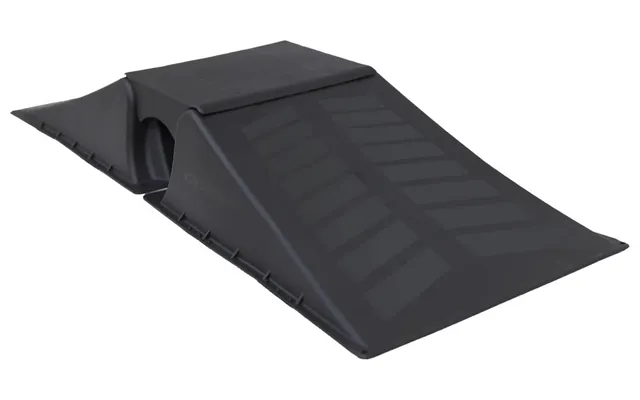
Skate Ramps price list
Last updated Saturday, 10 Oct 2026
| Skate Ramps | Price |
|---|---|
| Cross Multi Skate Ramp Kids Outdoor Sports Training | £35.00 |
| Speed Ramp Yellow Ramp Section 362102 | £115.59 |




Loading...
Last updated Saturday, 10 Oct 2026
| Skate Ramps | Price |
|---|---|
| Cross Multi Skate Ramp Kids Outdoor Sports Training | £35.00 |
| Speed Ramp Yellow Ramp Section 362102 | £115.59 |
Want to take your skating from the driveway to the next level? A good skate ramp is the single best investment for building confidence and learning tricks faster. Whether you’re 12 or 42, ramps let you rehearse airs, grinds, and transitions in a controlled space. Think of a ramp as a practice stage: the cleaner the surface and the more consistent the transition, the quicker you’ll progress. Plus, ramps are social magnets—invite friends, set up a session, and watch progression happen in real time.
Mini ramps are low, forgiving, and perfect for learning basics. Usually between 1.5 and 4 feet tall, mini ramps give you a mellow transition that’s ideal for ollies, rock-to-fakies, and early grinds. They don’t need a huge footprint—most backyard mini ramps sit comfortably in a space about 8 to 20 feet long depending on your ambitions.
Quarter pipes are curved ramps that let you turn vertical momentum into tricks. A quarter pipe ranges from around 2 to 8 feet in height, with taller models letting you get more air and longer coping for grinds. They’re great for linking tricks into a line and are often used as start or end pieces in a backyard course.
Half pipes and bowls mimic skatepark features and require more space and experience. Half pipes commonly start at 6 feet tall and extend much higher for more advanced riders. Bowls come in many shapes—deep, flow, or kidney-shaped—and are ideal if you want to practice carving and continuous runs.
Kicker ramps and launch ramps are smaller takeoff ramps designed to give you pop. Heights are usually measured in inches to a couple feet, so you can dial in the height and curvature for different tricks. They’re perfect for learning grabs, flips, and air tricks without the commitment of a big ramp.
Portable ramps are made for skaters who need flexibility. They fold, stack, or disassemble for storage and typically weigh between 25 and 200 pounds depending on size. These are excellent for renters, travelling skaters, or anyone with limited outdoor space who still wants a consistent feature to ride.
Not all ramps are created equal. Plywood decks with a weatherproof surface and steel frames are the industry standard for durability. Some ramps use high-density polyethylene (HDPE) top sheets or special skate surfaces that resist water and wear. If you ride in an area with damp weather, prioritize water-resistant materials and galvanized steel to avoid rust. Look at the method of fastening—quality ramps use carriage bolts and not just screws, because bolts tolerate repeated impact better.
Before buying, measure the area where the ramp will live. A typical backyard mini ramp might need a clear area of 10 to 25 feet long and 6 to 12 feet wide. Quarter pipes require less depth but more clearance for run-in and run-out—plan on at least 10 to 20 feet of straight approach. Always leave extra clearance: a skater launching off a ramp needs room to land and bail safely. If you’re limited on space, portable kicker ramps or modular park pieces can provide satisfying sessions in a compact footprint.
Beginners should start with low transitions and wide flat areas—think mini ramps and small quarter pipes. Intermediate riders often move to taller quarter pipes or longer mini ramps to link tricks. Advanced skaters will use half pipes, large bowls, or professionally built park features. If you’re unsure, opt for a ramp that scales: many modular ramps allow you to add height or extend length over time so your ramp grows with your skill.
When comparing ramp options, focus on a few critical features that impact performance and value. Weight capacity, surface material, portability, frame material, weather resistance, and warranty are essential. Also consider extras like coping size for grinding, modular add-ons, and whether the ramp is compatible with other park features. These details influence both the riding feel and long-term durability.
The ramp surface determines grip and speed. Smooth skate-top sheets give a fast, predictable ride while textured surfaces can add grip. Some manufacturers offer replaceable surface panels, making maintenance easier. For rainy climates, a slightly textured, water-shedding surface is a smart choice to avoid slippery conditions.
Check the listed weight capacity—most mid-size ramps handle between 200 and 700 pounds, depending on build. If multiple riders will use the ramp at once or heavier riders plan to jump, err on the higher capacity. A steel frame typically outlasts wooden framing under heavy use, though treated timber can still be a durable, quieter option.
If you need to move your ramp, pick lightweight models with quick-release fasteners or folding legs. Portable ramps often include handles or wheels. Remember, a ramp that’s easier to store gets used more often than one that’s a permanent fixture you avoid because it takes up space.
Skate ramps vary widely in price. Small portable kickers can cost under £60, while custom half pipes and park modules run into the thousands. Since this article aims to help you find value, comparison sites are a great first step: they aggregate prices from multiple retailers so you can spot discounts, seasonal sales, and clearance deals. For budget-friendly options, watch for end-of-season sales or pre-owned ramps in good condition—used ramps can be a steal if you inspect them carefully for rot or damage.
Installing a ramp correctly is as important as choosing the right model. Place ramps on a flat, stable surface—concrete or compacted gravel is ideal. Use wooden sleepers or pavers under legs to prevent sinking if you’re on soft ground. Anchor larger ramps to prevent tipping in gusts or when multiple riders use them.
Follow the manufacturer’s instructions and torque bolts to spec. If your ramp uses wooden panels, pre-treat cut edges with a water sealant. For ramps with metal frames, check welds and fasteners monthly during heavy use seasons. Proper anchoring and level placement reduce stress on joints and extend lifespan.
Always wear a helmet, wrist guards, knee pads, and elbow pads—serious injuries can happen even on low ramps. Skate with a buddy when possible and clear the landing zone between runs. Practice falling techniques and never attempt tricks beyond your current skill level without supervision or spotters.
If your ramp stays outdoors, cover it with a tarp during long wet spells, or disassemble portable pieces for storage. Inspect surfaces for cracks and loose bolts every month. Small repairs now save major replacements later. In freezing temperatures, avoid skating on wet ramps that can freeze and become dangerously slick.
Many skaters dream of building their own ramp. DIY gives full control over dimensions, materials, and budget, and there are countless plans available for mini ramps and quarter pipes. But DIY comes with responsibilities: it requires tools, time, and building know-how. A poorly built ramp can be unsafe and wear out quickly.
DIY benefits include lower costs and customization. You can tailor a ramp to your exact space and style preference. Downsides include time investment, potential mistakes, and lack of warranty. If you’re handy and follow trusted plans, a DIY ramp can be a rewarding project. If not, consider a professionally built option.
Buying a prebuilt ramp offers convenience, tested design, and support from the manufacturer. Many ready-made ramps come with installation guides, replacement parts, and warranties. For skaters who want reliable performance out of the box, ready-made ramps often provide the best balance of safety and convenience.
Think about wind direction, sun exposure, and run-in space. Place a ramp where the approach is smooth and unobstructed—driveways, level patios, or reinforced sections of lawn are common. Avoid placing ramps under overhangs where water runoff can drench the surface. If noise is a concern for neighbors, choose a location with some buffer like fencing or shrubbery.
Accessories can improve sessions and ramp longevity. Consider spare surface panels, extra coping, anchor kits, transition guards, and weather covers. Grip tape for run-in zones, launch lips for kicker ramps, and rail attachments expand trick possibilities. When budgeting, plan for these extras because they can significantly expand how you use the ramp.
Before clicking buy, run through this checklist: measure your space in feet and inches, confirm weight capacity, verify weather resistance, check portability needs, compare warranty terms, and read customer reviews for real-world durability. Use comparison sites to scan prices across multiple sellers and set up alerts for price drops or refurb deals. If possible, test-ride a similar ramp at a skate park or demo day to make sure the feel matches your expectations.
If you want to find competitive pricing and see multiple offers at once, comparison sites help you scan the market quickly. These platforms often list current discounts, popular models, and links to retailers so you can evaluate value versus features without visiting dozens of pages. Always verify seller credibility and read recent reviews to avoid surprises.
Buying a skate ramp is part equipment choice and part lifestyle upgrade. Choose something that matches your current skill but has room to grow—modular ramps and add-ons are great for that. Prioritize safety, durable materials, and a realistic budget. With the right ramp in place, you’ll see progress, have more fun, and create a spot that friends will want to come back to session after session.
Now lace up, pick a feature that suits your space, and get ready to spend more time skating and less time searching for where to practice. A well-chosen ramp makes every session count.