

Skateboard Parts price list
Last updated Monday, 19 Oct 2026





View 12 Offers
Loading...
Last updated Monday, 19 Oct 2026
Upgrading skateboard parts isn’t just about bling — it directly changes how your board rides, flips, grinds, and survives the daily grind. Think of your skateboard as a car: the deck is the chassis, the trucks are the steering, the wheels are the tires, and the bearings are the engine bearings. Swap one component and you can go from twitchy to stable, from slow to surprisingly snappy. Whether you’re a complete beginner or a seasoned park rat, choosing the right parts can make tricks easier, reduce maintenance time, and even help prevent injuries.
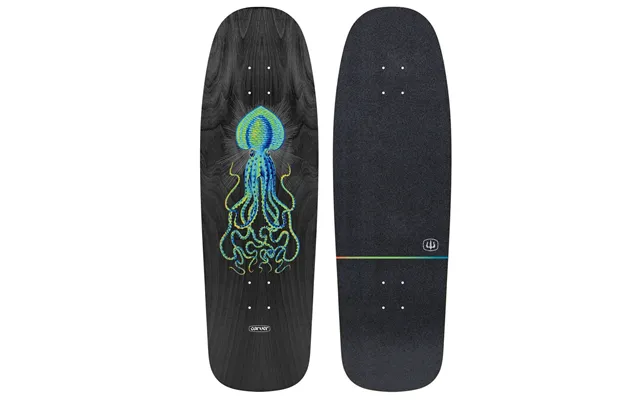
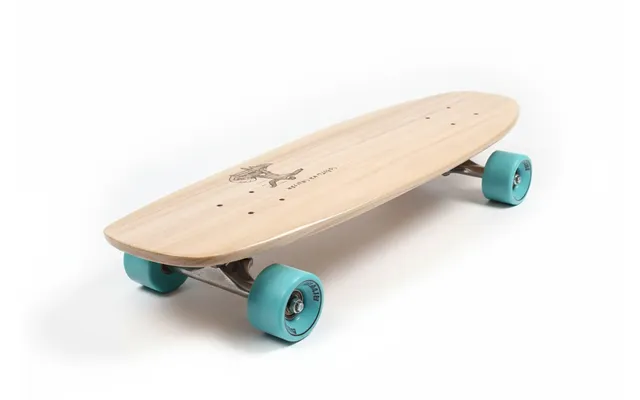
Deck width is the single biggest factor in how the board feels under your feet. Most street and park decks sit between about 7.5 inches and 8.5 inches wide, and lengths commonly range from roughly 28 inches to 33 inches. Narrower decks are lighter and quicker for flip tricks, while wider decks give more stability for ramps, long-distance cruising, and heavier riders. Pick a width that matches your shoe size and riding style — if you wear size 10 shoes, an 8.0-8.25 inch deck often feels balanced; if you have size 8 shoes or smaller, a 7.5-7.75 inch deck tends to be nimble.
The classic 7-ply maple deck is the industry staple because it delivers a consistent pop and a balanced flex. Some decks use hybrid constructions — maple mixed with bamboo or composite layers — to reduce weight while maintaining strength. Expect a typical deck to weigh between about 2 pounds and 3 pounds depending on size and construction. If you like a lively feel with lots of pop, stick with traditional maple; if you want vibration damping for rough streets, look for decks with composite or foam cores.
Pick trucks with an axle width that closely matches the deck width. If your deck is 8.0 inches wide, aim for a truck axle that’s about the same width — this keeps wheel bite in check and gives predictable turning. Trucks are measured in inches for axle and hanger sizes, and small differences can noticeably alter turning radius and stability. If you prefer faster spins and snappier ollies, slightly narrower trucks can help; for stability on ramps or cruising, go a tad wider.
Trucks come in low, medium, and high heights. Low trucks sit closer to the deck and are great for technical street skating because they lower the center of gravity, making flip tricks easier. High trucks give more clearance for bigger wheels, which reduces wheel bite when you’re rolling on rougher surfaces. Most trucks are aluminum alloy with steel axles, and specialty models use hollow kingpins or titanium to shave ounces — a key detail if you’re chasing a featherlight setup.
Wheel diameter dramatically affects speed, pop, and control. Skate wheels are commonly between about 1.97 inches and 2.36 inches in diameter. Smaller wheels in the lower end of that range are lighter and accelerate quickly, perfect for street tricks; larger wheels near 2.36 inches roll over cracks and rough pavement with less effort and are favored for cruising, long-distance sessions, or vert riding. Think of wheel size like tire size — bigger wheels smooth out bumps, smaller wheels make the setup more nimble.
Wheel hardness, measured on the durometer scale, tells you how the wheel grips and slides. Softer wheels offer more grip and absorb vibrations, while harder wheels slide easier and last longer on smooth surfaces like skateparks. Wheel shape matters too: a wider contact patch gives more traction, while a narrow shape reduces weight and makes slides faster. Most street skaters prefer a balance — durable yet responsive wheels that still let them lock into slides when needed.
Bearings are what let your wheels spin freely, and many people use ABEC ratings as a shorthand for precision. Higher ABEC numbers suggest tighter tolerances, but in skateboarding real-world factors like lubrication, seal quality, and material performance often matter more than the rating alone. A well-maintained mid-range bearing will often outperform a high-rated bearing that’s dirty and dry. Bearings are small but crucial — swap in quality sealed bearings and you’ll notice smoother roll and longer life.
Take a few minutes to clean bearings now and then and keep them lubricated. Use a quality bearing cleaner and speed lube to prevent grit from grinding the races. If you skate in wet or gritty conditions, sealed bearings can be a lifesaver — they aren’t maintenance-free, but they do resist contaminants better. Think of bearing care like dental hygiene: a little regular attention prevents big problems later.
Grip tape gives you the traction you need to control the board; standard sheets come around 9 inches by 33 inches, which fits most decks and leaves room to trim. The coarseness varies — coarse grit for maximum hold, medium grit for a balance between comfort and grip. Some riders prefer custom cuts or perforated sheets to reduce air bubbles during application. Don’t underestimate grip tape: a fresh sheet can dramatically change confidence on technical tricks.
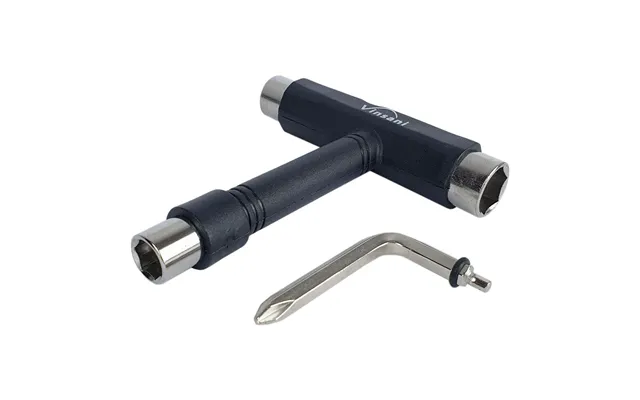
Hardware refers to the bolts and nuts that attach trucks to your deck. Standard kits typically include the right length bolts for deck thickness and optional riser pads. A skate T-tool covers all the standard sizes and is the easiest way to swap parts on the fly. Keep a small spare hardware set in your backpack — stripped bolt threads or a lost nut can end a session early, and having spares gets you back riding fast.
Riser pads sit between the truck and deck and push the truck away slightly from the board, usually in thicknesses like 1/8 inch or 1/4 inch. You’ll want risers if you’re running larger wheels and need extra clearance to prevent wheel bite, or if you want to add a little shock absorption when rolling over rough surfaces. Just be mindful: taller setups change the leverage on your trucks and can affect turning characteristics.
Bushings are the urethane cushions around the kingpin that control how your trucks turn. Softer bushings let trucks pivot easily for quick carving and tight turns; harder bushings resist turning and give more stability at speed. Swapping bushings is an inexpensive way to dial in your board’s feel — think of it like changing the suspension on a bike to suit your terrain.
A basic maintenance kit usually includes a T-tool, spare hardware, a multi-size Allen key, and sometimes a bearing press. A quality skate tool will let you tighten kingpins, adjust axle nuts, and swap wheels without hunting for random wrenches. If you travel with your board or skate several spots in a day, a lightweight travel kit that fits in a pocket is a game changer. Regular maintenance keeps parts performing and saves money long term.
When hunting deals, know what each brand is known for. Independent and Thunder are go-to names for durable trucks; Bones and Bronson make great bearings; Spitfire and OJ are household names for wheels; Mob is trusted for grip tape. But don’t just chase brand names — compare product specs like weight, materials, and intended use. Comparison sites that list prices, specs, and customer reviews can save time and money when you’re building or upgrading a complete setup.
Ready to build a setup from scratch? Here’s a simple checklist: pick a deck size that suits your shoe size and style, match trucks to deck width, choose wheel size based on where you skate, fit standard bearings (and maintain them), apply grip tape, and install hardware with optional risers if needed. Finish by tuning bushings and tightening everything with a T-tool. Test the board with small adjustments — sometimes a 1/8 inch riser or firmer bushing makes a big difference.
Parts range from budget-friendly to premium, and knowing where to invest matters. Splurge on high-quality trucks and bearings if you skate every day — these directly affect performance and longevity. You can save on grip tape and hardware without sacrificing much, but avoid the cheapest wheels if you rely on smooth rolling and durability. Using a price-compare approach helps you find deals and avoid overpaying for near-identical products.
Upgrading parts goes hand in hand with upgrading protection. A well-fitted helmet and wrist guards don’t affect the board’s specs, but they help you skate harder and longer with less worry. Skate shoes with a grippy sole and reinforced toe add control and durability; many riders prefer vulcanized soles for board feel. Treat protective gear as equally important to your parts — one fall with the right kit is less costly than an injury and a ruined session.
Comparison sites that aggregate prices, user reviews, and specs are excellent tools when you want the best bang for your buck. They let you sort by price, brand, and features, and often link to multiple sellers so you can snag a deal quickly. Read user reviews for real-world feedback; what looks great on paper may feel different underfoot, and fellow skaters’ notes on durability or fit are invaluable.
When buying parts online, double-check compatibility: match truck width to deck width, verify wheel clearance, and confirm bearing compatibility with your wheel cores. Look for photos from other buyers, and if available, videos showing the part in use. Compare shipping times and read product descriptions carefully — subtle differences in dimensions or materials can change the ride. And remember: incremental upgrades often beat changing everything at once — adjust one component at a time to learn how it affects your style.
Conclusion: Upgrading skateboard parts is one of the most rewarding ways to grow as a rider. With some knowledge and a few smart purchases, you can transform how your board responds, how long its parts last, and how much enjoyment you get from every session. Use compatibility checks, prioritize the parts that affect your riding most, and lean on reviews and comparison tools to find the best deals. Ride safe, tweak often, and enjoy the constant learning curve that makes skateboarding addictive.