All categories
Business & Offices
Electronics & Media
Fashion & Accessories
Groceries & Essentials
Health & Personal Care
Home & Living
Kids & Family
Sports & Outdoors
Search in ZoneOffer

Loading...
Have you ever wanted a winter hobby that feels like hiking with a superpower? Snowshoeing turns ordinary walking into floating over powder, opening up quiet trails and frozen landscapes that skis and boards often miss. It’s low-impact, easy to learn, and great for families or solo explorers. Best of all, you don’t need a mountainside or expensive lessons to get started — just the right gear and a sense of curiosity.
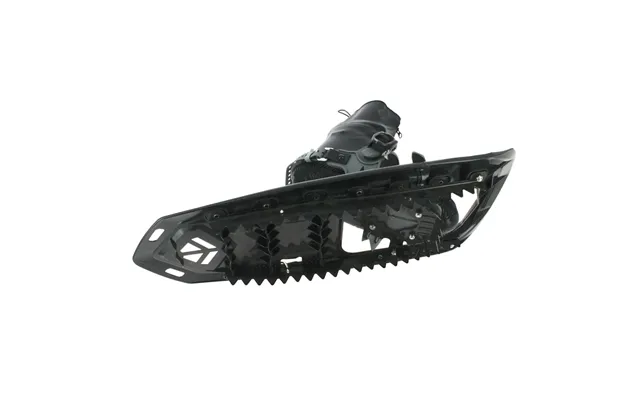
Not all snowshoes are created equal. Think of them like shoes for different terrains: some are built for easy park trails, others for steep, icy slopes, and a few are light enough for fast trail running. Picking the right type keeps you comfortable, safe, and efficient on the snow.
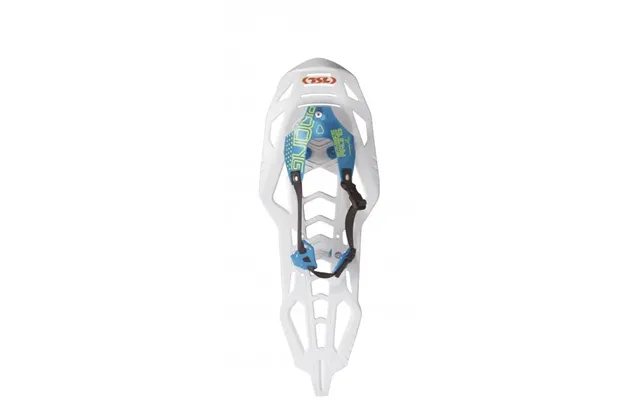
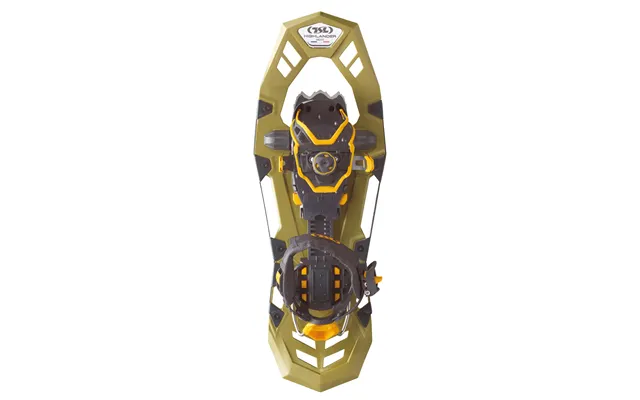
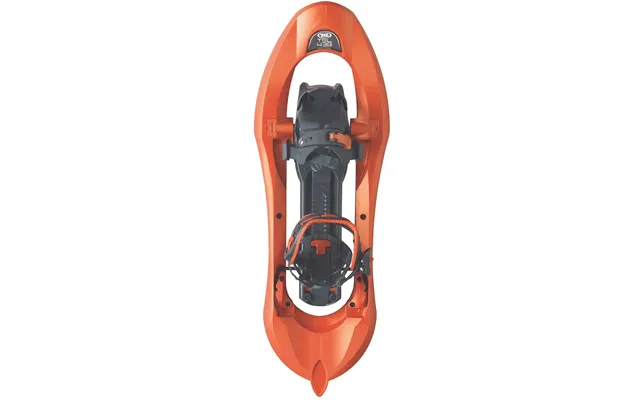
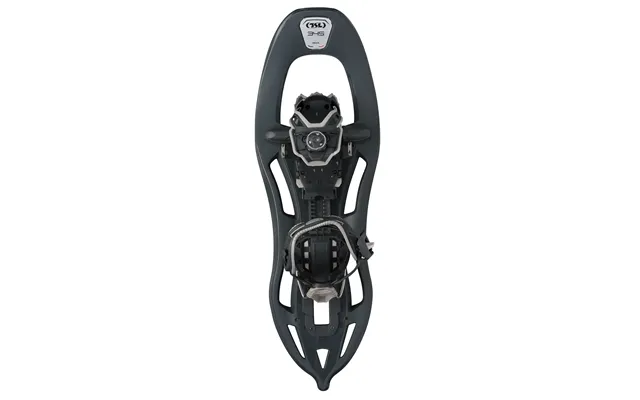
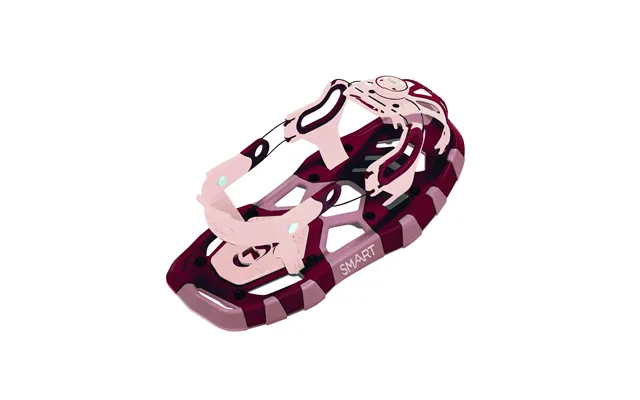
Recreational snowshoes are the all-rounders — wide decks for floatation, forgiving bindings, and modest traction. They’re perfect for groomed trails or rolling hills and usually measure between 22 and 28 inches in length. If you’re out to stroll on packed snow or family routes, these are the most forgiving and often the most budget-friendly.
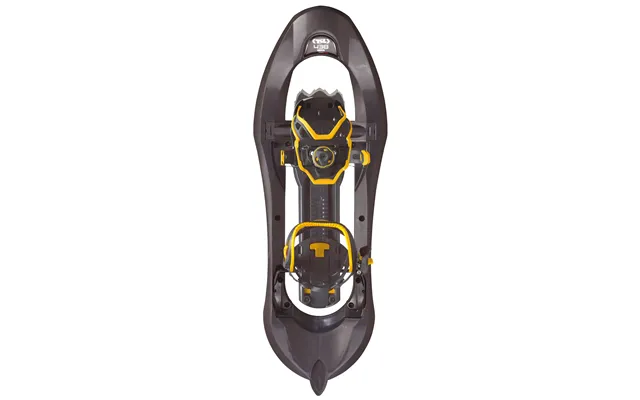
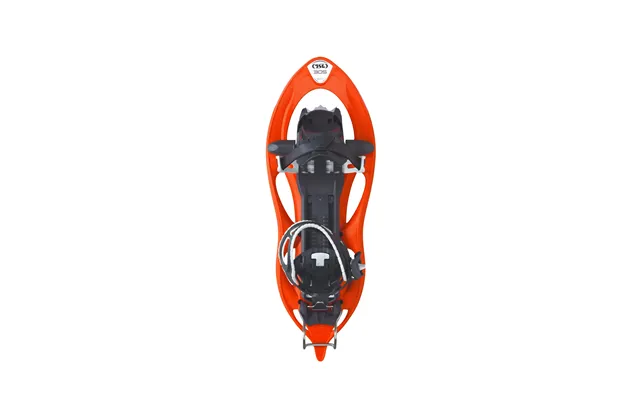
If you crave off-trail exploration or steeper slopes, backcountry snowshoes provide aggressive crampons, heel lifts, and longer, tapered shapes for better flotation and directional control. These typically range from 25 to 36 inches, depending on the user’s total weight and snow conditions. They’re heavier than recreational models but designed for technical terrain.
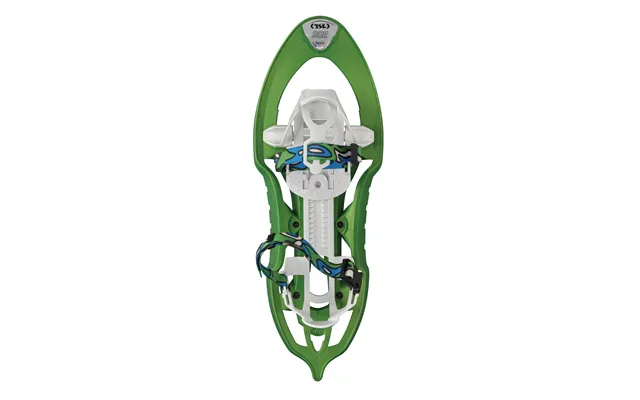
Runners want minimal weight and quick bindings. Running snowshoes are shorter — often 18 to 24 inches — with a narrow profile to keep stride natural. If you like moving fast and logging mileage, these will feel almost like a running shoe with studs.
Choosing the right size comes down to total weight (you plus gear) and the snow you expect to encounter. Too small, and you posthole; too big, and you slog through every step. Let’s break it down into simple rules you can actually use on the trail.
Manufacturers list deck size in square inches. For soft, deep snow you want more square inches for flotation. As a quick guide: aim for 220–300 square inches for light hikers under 160 pounds, 300–400 square inches for 160–220 pounds, and 400+ square inches if you’re heavier or carrying a big pack. Think of it like a footprint — bigger footprint means less sinking.
Length matters for direction and glide; width affects snow shedding and stability. For most people, 22–28 inches fits casual hiking and mixed terrain. If you’re carrying a backpack of 15–30 pounds or expect deep powder, add 2–6 inches. For tight tree runs or fast moving, choose shorter snowshoes to keep turns snappy.
The connection between your boot and the snowshoe is where confidence is made or lost. Comfortable, secure bindings keep your foot centered and reduce hot spots, while traction systems keep you from sliding off an icy slope like a cartoon character.
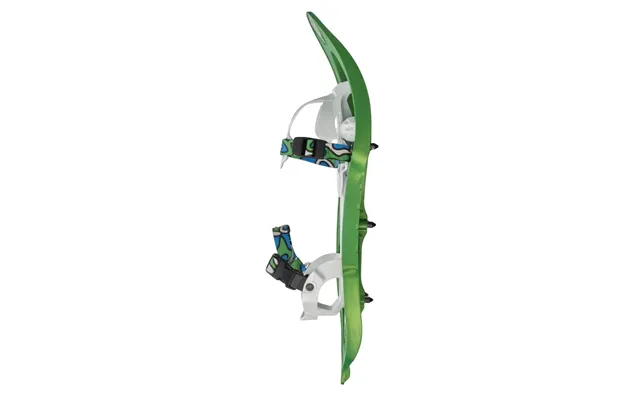
Strap bindings are simple and adjustable, ideal for most users. Ratchet and quick-click systems are faster and friendlier with gloves on — a big win when your fingers are numb. Make sure the binding fits your boot size and that you can adjust it while standing in snow. If you wear thick winter boots, try the binding with those boots before you buy.
Heel lifts — small metal or plastic bars under the heel — reduce calf strain on steep ascents. Crampons or aggressive stainless steel cleats under the toe and midfoot bite into icy surfaces and hard-packed snow. If you plan to climb mixed slopes or frozen trails, choose models with full crampon systems rather than minimal rivets.
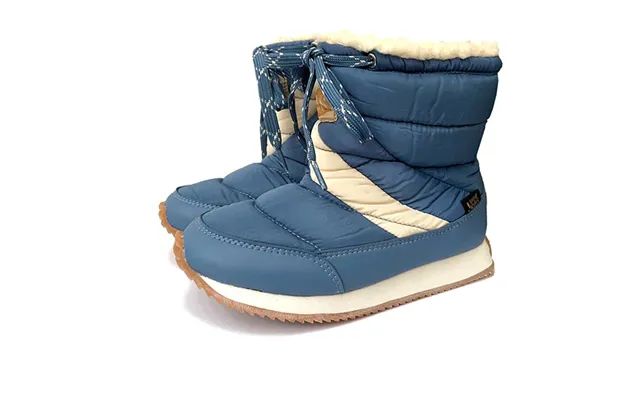
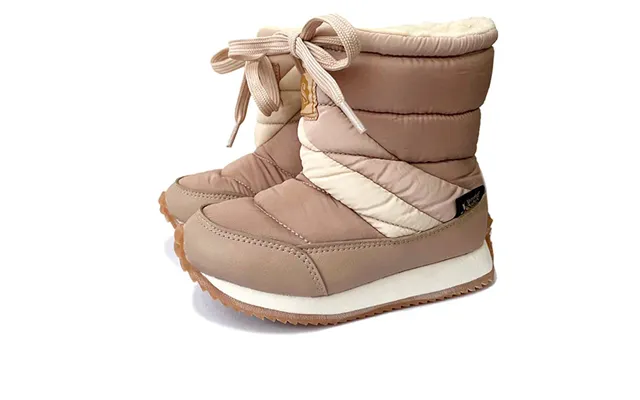
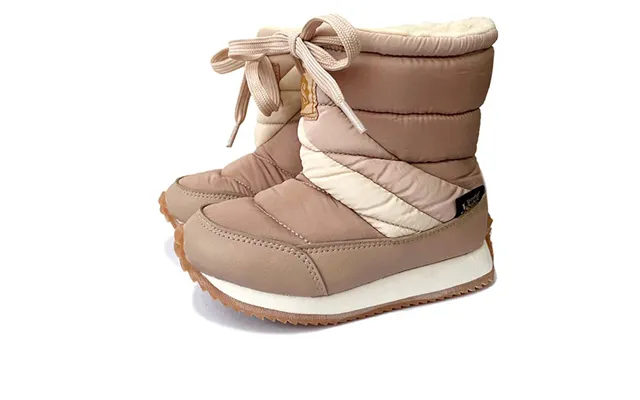
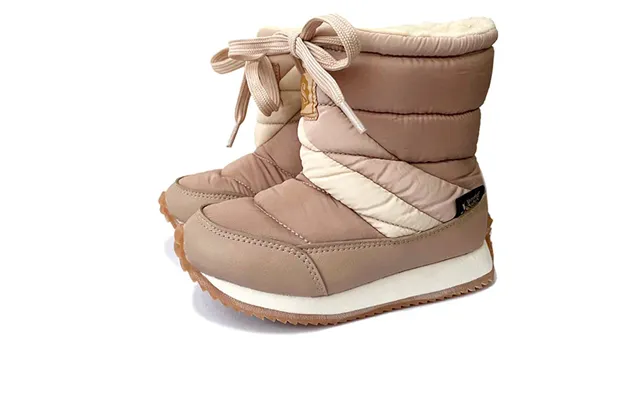
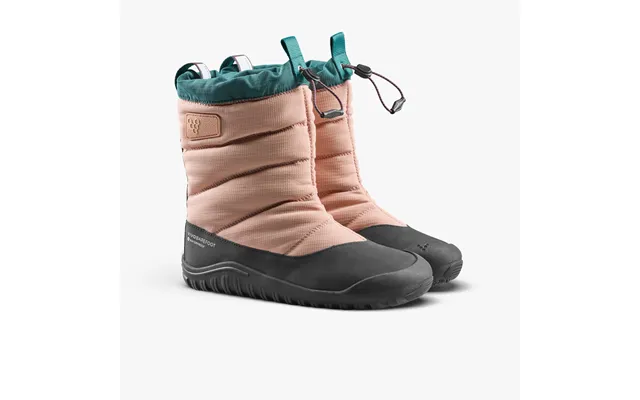
Snowshoes don’t make boots, and cheap boots will limit how far you go. A warm, stiff-sole winter boot paired with proper layers keeps your feet dry and your mood sunny even in bitter winds. A good boot also locks into bindings better, reducing blisters and improving control.
Pick insulated, waterproof boots with a bit of sole stiffness. Hiking boots with a winter rating are fine for low temps, while insulated mountaineering boots are recommended for subzero conditions. For sizing, allow about a half-inch to one inch of space in front of your toes when wearing the socks you’ll hike in — enough room for foot swelling on long walks but not so much that your foot slides.
Layering is your best defense against cold and sweat. Start with a moisture-wicking base layer, add an insulating mid layer, and a waterproof, breathable shell on top. When temperatures drop below 20°F, add a heavier mid layer and warmer gloves. If it’s windy and below 0°F, consider an insulated jacket and face protection. Remember: it’s easier to remove a layer than to add warmth when your hands are numb.
A few well-chosen accessories change comfort and capability dramatically. Poles give rhythm and balance, gaiters keep snow out of your boots, and a small snow-appropriate backpack carries food, water, and safety gear without throwing your center of gravity off.
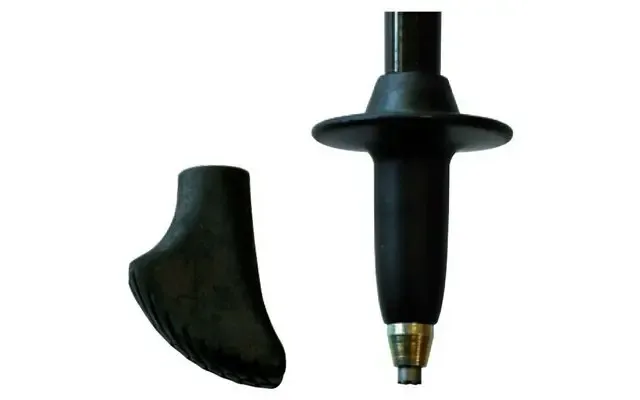
Adjustable poles are the most versatile; typical lengths range from 42 to 54 inches and they collapse small for travel. Set them so your elbow is roughly at a 90-degree angle on flat terrain. Cork grips are comfy and shed sweat; foam stays warm in freezing weather. Aluminum poles are durable and cost-effective, while carbon poles are lighter but pricier and more brittle on rocky trails.
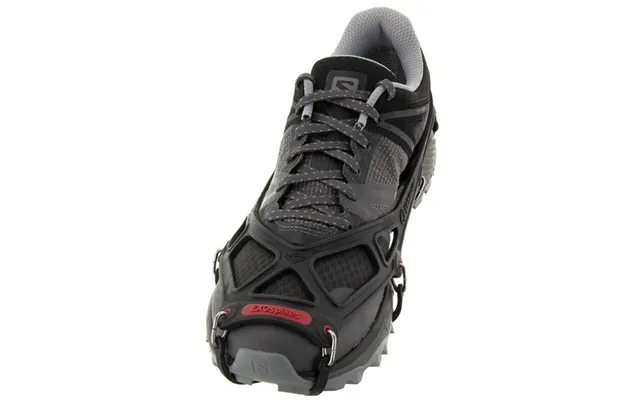
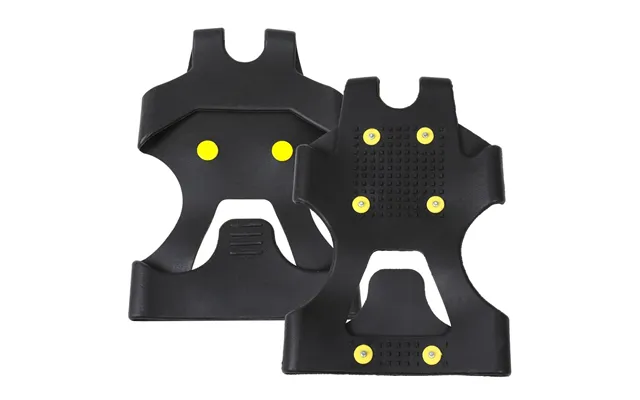
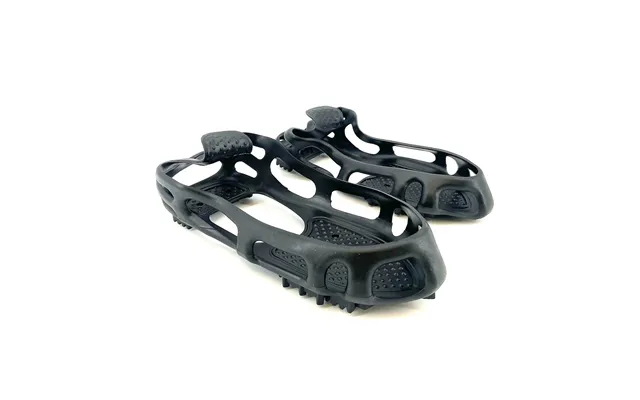
Gaiters stop snow from pouring into boots, especially in deep powder. Microspikes can be slipped on over boots for icy trails if your snowshoes lack aggressive crampons. For backpacks, choose a compact pack with a padded hip belt and enough room for an extra layer, snacks, water in an insulated sleeve (so it doesn’t freeze), and safety items like a map, compass, or GPS device.
Not sure whether to rent or buy? Think about how often you’ll head out. If it’s a one-off day trip or an occasional weekend, renting saves money and storage space. If you plan multiple outings a season, buying pays off and gives you gear tuned to your preferences.
Snowshoes can range from around $60 for basic recreational pairs to $300 or more for high-end backcountry models. Poles run from $30 to $150. Good winter boots usually start near $100 and can climb to $300 for technical options. Rentals often cost $15–$40 per day depending on location and gear quality. A mid-range kit for someone serious about regular outings — snowshoes, poles, and dedicated winter boots — typically runs between $250 and $500.
Like any outdoor gear, snowshoes and accessories need care. Rinse salt and dirt off metal parts, dry everything before storage to prevent rust, and check bolts and straps for wear. Store in a cool, dry place away from direct heat or sunlight to avoid warped frames.
Before you go, check weather and trail reports, pack layers, bring a headlamp if you might be out after dark, and carry extra food and water. For backcountry trips, always have avalanche training and carry rescue tools like a beacon, probe, and shovel. Tell someone your route and expected return time; it’s the oldest trick in the book, but it works.
Snowshoeing doesn’t require European Alps-level snow to shine. Gentle hills, forest routes, and high moors turn magical under a dusting of snow. In the UK, look for higher elevations and national parks where snow lingers — but always check local conditions and access rules. In other regions, national forests, state parks, and groomed winter trails offer excellent opportunities.
Guided trips are a smart way to learn route selection and safety skills. Many outdoor outfitters and alpine centers run half-day or full-day snowshoe excursions, which often include gear and instruction. If you prefer to go solo, stick to groomed or well-marked trails until you gain experience navigating winter terrain.
Want to score a deal without sacrificing safety? Timing and comparison are everything. End-of-season sales, demo events, and last year’s models offer big savings. Rental-to-buy programs let you apply rental fees toward a purchase. Also, comparison sites and local outdoor retailers often list seasonal promos that move high-quality gear at a fraction of peak-season cost.
Comparison platforms can show price drops across retailers, highlight coupon codes, and list limited-time offers. If you wait until late winter or early spring, many shops clear out inventory to make room for summer stock. Join email lists for alerts and consider demo days where you can test different models before committing.
When you’re ready to buy, keep a checklist handy. Prioritize a good fit in bindings and boots, durable traction for your typical terrain, and a deck size that matches your weight and snow conditions. Don’t skimp on poles and gaiters — small investments there pay huge dividends in comfort and safety.
If you’re new, pick a recreational or all-mountain model that’s forgiving and versatile. If you already know you’ll pursue backcountry routes, invest in a robust pair with heel lifts and aggressive crampons. And remember: user reviews, in-person try-ons, and demo days are your friends when selecting the ideal setup.
Snowshoeing is one of those rare activities that’s easy to pick up, deeply rewarding, and surprisingly affordable when you shop smart. Whether you’re renting for the season or building a kit that will last years, focus on fit, traction, and comfort. Use comparison tools to hunt deals on snowshoes, poles, boots, and accessories, and always prepare for changing winter conditions. With the right gear and a little planning, you’ll be exploring silent, snowy trails and finding winter’s quiet magic in no time.
| Snowshoeing | Price | |
|---|---|---|
| Lindy 1m Usb 2.0 Type C To C Cable Anthra Line | £ 11,64 | |
| Lindy 1m Usb 2.0 Type C To C Cable Anthra Line | £ 11,64 | |
| Lindy 0.5m Usb 2.0 Type C To C Cable. Anthra Line | £ 15,97 | |
| Lindy 0.5m Usb 2.0 Type C To C Cable. Anthra Line | £ 15,97 | |
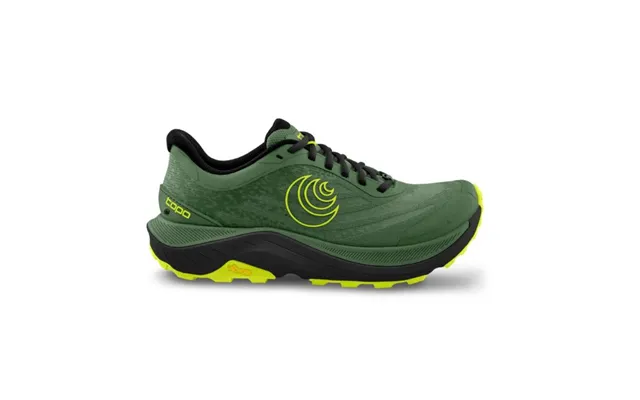
| Topo Athletic Ultraventure 4 44 Green Men | £ 130,- | |
| Topo Athletic Ultraventure 4 47 Green Men | £ 130,- | |
| Topo Athletic Ultraventure 4 42 Green Men | £ 130,- | |
| Topo Athletic Ultraventure 4 43 Green Men | £ 130,- |