All categories
Business & Offices
Electronics & Media
Fashion & Accessories
Groceries & Essentials
Health & Personal Care
Home & Living
Kids & Family
Sports & Outdoors
Search in ZoneOffer

Loading...
Are you itching to hit the slopes without breaking the bank? Smart shoppers know that timing is everything. Whether you’re shopping pre-season for the latest tech or picking up last winter’s models at steep discounts, the right moment can save you a small fortune. Think of gear shopping like catching a wave — wait for the swell of end-of-season clear-outs or ride the steady rise of pre-winter promotions and you’ll be cruising with top-notch equipment for a fraction of the ticket price.
When your budget has limits, know where to spend and where to save. Prioritize safety and fit first: a well-fitting helmet, proper boots, and reliable bindings matter more than a flashy jacket. After that, target items that directly affect performance and comfort, like skis or a snowboard, base layers, and a weatherproof shell. Accessories—goggles, gloves, and thermal socks—are the icing on the cake and can be upgraded incrementally as deals appear.
Choosing between skis and a snowboard comes down to style, terrain, and how you want to ride. Skis excel for speed and precision on groomed runs and variable snow, while snowboards shine in powder, parks, and playful carving. For skis, lengths commonly fall between about 5'0" and 6'0" depending on ability and preferred riding; a general rule is between chin and forehead in height. For snowboards, pick a board roughly 3 to 6 inches shorter than your height for all-mountain use. Try renting both first if you’re undecided—it's like test-driving a car before buying.
Bindings and boots are the link between you and the snow. Boots should fit snugly without painful pressure, and flex ratings (lower numbers are softer) should match your style—stiff for aggressive carving, softer for park and freestyle. Bindings need to suit your boot sole and your weight; adjust DIN settings based on your weight in pounds and experience level to ensure reliable release in a fall. Cheap bindings may save cash up front, but mismatched or poorly adjusted gear can compromise both comfort and safety.
Protection isn’t optional—it’s essential. Helmets, wrist guards (for snowboarders), and padded shorts for beginners reduce injury risk dramatically. Think of protective gear as the safety net that lets you push your limits without paying the full price in aches and emergency room bills.
A helmet should sit level on your head and rest about an inch above your eyebrows, with straps snug enough to keep it stable without pinching. Look for helmets with MIPS or multi-directional impact protection if you plan to charge fast or ride off-piste. Sizes are typically based on head circumference in inches—measure with a tape and pick the closest size. A properly fitted helmet can mean the difference between walking away and a serious injury.
Goggles are your window to the world and a small upgrade can drastically improve visibility. Look for anti-fog treated lenses, UV protection, and interchangeable lens systems for variable light. Lens VLT (visible light transmission) percentages tell you how much light gets through—lower VLT for bright sun, higher for flat light or snowstorms. Polarized and photochromic lenses are luxuries that make a real difference on long days.
Layering is a simple formula: base + mid + shell. Base layers wick moisture away in temperatures that can dip below freezing—think 14°F to 32°F on mild days or down into single digits on serious winter outings. Mid layers trap warmth, and your shell keeps wind and wet out. Spend on fit and material where it matters: a breathable, waterproof shell and a moisture-wicking base layer are worth the investment.
Merino wool is soft, odor-resistant, and insulates even when damp, while synthetic layers dry faster and are often cheaper. If you’re someone who skis multiple days in a row without laundry access, merino can be a game-changer—think natural warmth and smell control. Synthetics are ideal for high-output activities where quick-dry performance is crucial.
Down jackets offer the best warmth-to-weight ratio, measured by fill power (higher is warmer for the same weight), but they can lose insulation when wet. Synthetic insulation performs better in damp conditions. Many riders prefer a lightweight insulated jacket for cold mornings and a hard-shell over it for wind and heavy snow. Look for jackets with a snow skirt, adjustable cuffs, and a helmet-compatible hood for real-world usability on the mountain.
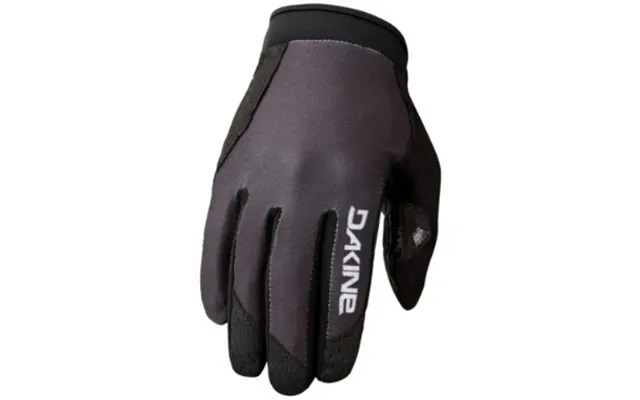
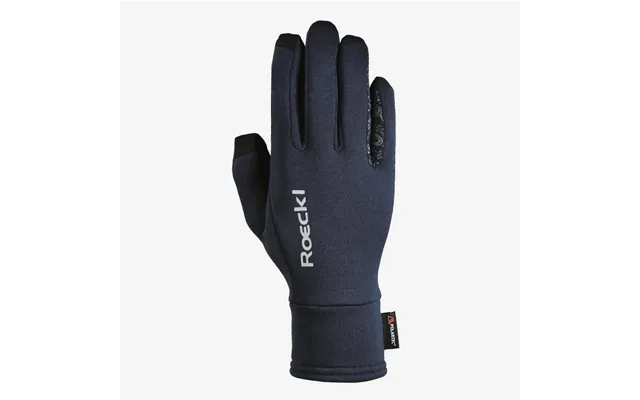
Cold hands ruin a day faster than a bad lift line. Mittens keep digits warmer than gloves by sharing heat, but gloves offer better dexterity. Heated gloves and liners, powered by small batteries, are a fantastic option for people who suffer from cold hands—expect runtimes between 3 and 8 hours depending on battery size and heat setting. Waterproofing and insulation matter; Gore-Tex liners and Primaloft fill are two reputable technologies to look for.
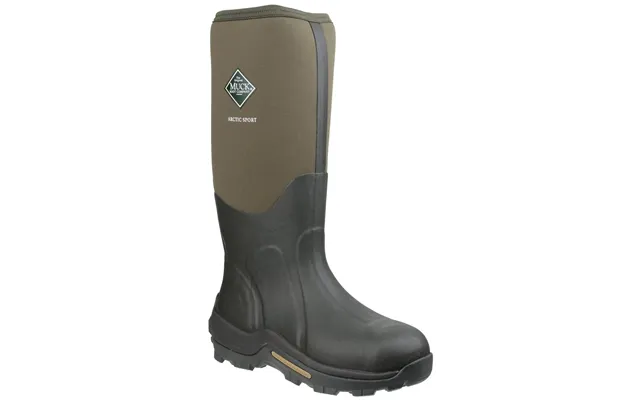
Your feet carry you through every run—invest accordingly. Snowboard boots should match your board’s flex and fit snugly, while ski boots require precise fitting, often with heat-moldable liners. For backcountry travel, lightweight touring boots with compatible bindings are a different beast and are measured by walk mode and weight in pounds per boot. If your winter plans include frozen lakes or urban ice rinks, shop for ice skates designed for recreational or figure use rather than hockey blades.
If you’re heading beyond groomed runs, avalanche safety gear is non-negotiable. A beacon (transceiver), probe, and shovel form the core kit. Beacons should be user-friendly and multi-antenna; probes commonly extend to around 6 to 8 feet when assembled, and shovels are typically compact yet durable. Pair equipment with training—gear without knowledge is like a parachute you’ve never packed.
Not every piece of gear needs to be top-tier. Save on outerwear graphic jackets or last season’s boards and skis, but splurge on items that affect fit and safety: boots, bindings, and helmets. Premium gear pays off in comfort and longevity, so if you ski frequently, think of high-quality purchases as investments that reduce replacement frequency and increase enjoyment.
Comparison sites and price trackers are your friend—use them to spot price drops, compare retailers, and view historic pricing. Shop clearance windows after the main season, and check pre-season sales when new stock arrives and retailers offer incentives to move older models. Sign up for newsletters and set alerts for specific items; a well-timed notification can net you serious savings on skis, boards, or tech accessories.
End-of-season sales in late winter and early spring are goldmines for clearance gear, while late summer and early autumn often hold pre-season discounts on clothing and electronics as retailers shake up stock. Black Friday and mid-winter flash sales can also be surprisingly strong for accessories and electronics like heated gloves or goggles.
Don’t rely solely on specs—real user reviews reveal how gear performs in the mud, rain, and real slope conditions. Look for reviews that mention conditions similar to what you’ll face in the UK: wet snow, icy groomers, or coastal winds. Video reviews can show flex and real-world behavior better than photos and bullet points.
Certain brands consistently deliver across categories. Salomon, Atomic, Rossignol, and K2 make reliable skis; Burton, Lib Tech, and Jones excel with snowboards. For apparel and eyewear, The North Face, Arc’teryx, Patagonia, Oakley, and Smith are frequent go-to picks. Heated glove makers like Volt and Therm-ic offer excellent battery solutions. Track these brands for seasonal models and last-year closeouts—sometimes the best deals are on still-top-tier gear from the previous season.
Fit makes or breaks your day on the mountain. For skis, use your height as a guide: beginner skis are often closer to chin height, while advanced skiers may choose skis up to forehead or taller depending on speed and stability needs—think in feet and inches for quick mental checks. Snowboard length should be several inches shorter than your height for all-mountain performance. For boots, prioritize a snug, comfortable fit; poor boot fit leads to blisters and poor control. When in doubt, visit a specialist shop for a professional boot fitting.
Waxing and edge maintenance keep skis and boards fast and responsive. Regular waxing—every few days of heavy riding or weekly for casual users—preserves bases and improves glide. Edge tuning removes burrs and rust, keeping turns clean. Store gear dry and at room temperature to avoid damage to plastics and adhesives. Think of maintenance as routine care that keeps performance sharp and resale value high.
Buying used gear is a great way to save and reduce waste—just inspect for serious damage like delamination, cracked bases, or broken bindings. Many shops offer professionally serviced second-hand gear with warranties. Sustainable brands are also investing in recycled materials and repair programs, letting you support eco-friendly practices while staying warm and fast on the slopes.
Before you click buy, ask yourself: Does this gear fit well? Is it appropriate for the type of riding I do? Are the specs right for my weight in pounds and skill level? Have I compared prices and read recent user reviews? If the answers check out, you’re ready to land a deal that’ll keep you smiling through powder days and long lift lines alike.
Scoring great winter sports gear in the UK is a mix of timing, priorities, and smart comparison. Focus on safety, fit, and the items that most affect performance, and don’t be afraid to hunt for end-of-season sales or pre-season bargains. With careful planning and a little patience, you can kit yourself out for an epic winter without blowing your budget—so gear up, get out there, and enjoy the rush.
| Winter Sports & Activities - Other | Price | |
|---|---|---|
| Motorcycle Off Road Windshield Outdoor Riding Dust Protection Goggles Ski Glasses | £ 14,93 | |
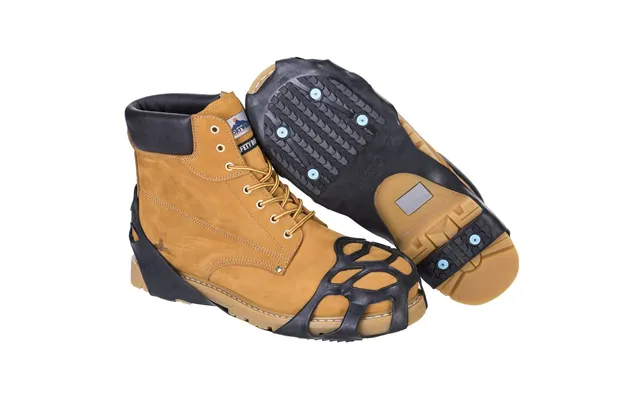
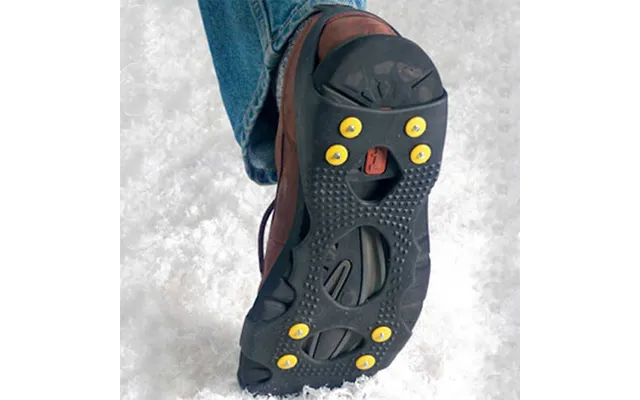
| Portwest All Purpose Oversized Traction Aid - Black | £ 28,88 | |
| Kahtoola Exospikes L 43-45 Black Unisex | £ 49,- | |
| Kahtoola Exospikes Xs 36-38 Black Unisex | £ 49,- | |
| Kahtoola Exospikes S 38-40 Black Unisex | £ 49,- | |
| Kahtoola Microspikes Ghost L 44-46 Black Unisex | £ 77,96 | |
| Kahtoola Microspikes Ghost M 41-44 Black Unisex | £ 77,96 | |
| Kahtoola Microspikes Ghost S 38-41 Black Unisex | £ 77,96 | |
| Kahtoola Microspikes Ghost Xl 46-49 Black Unisex | £ 77,96 |