


Sports Toy Accessories price list
Last updated Friday, 9 Oct 2026
| Sports Toy Accessories | Price |
|---|---|
| Saints Row Gold Edition | £5.26 |
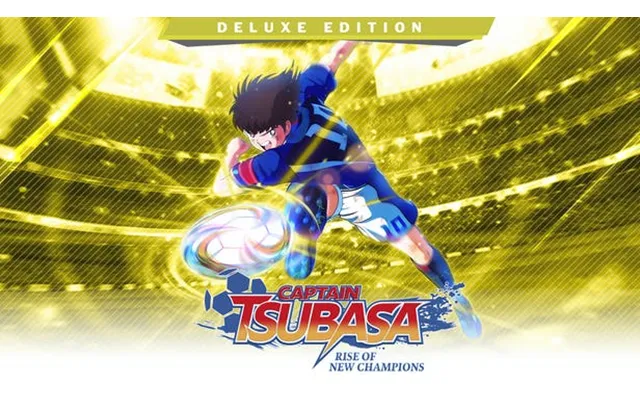
| Captain Tsubasa Rise Of New Champions - Deluxe Edition | £6.18 |



Loading...
Last updated Friday, 9 Oct 2026
| Sports Toy Accessories | Price |
|---|---|
| Saints Row Gold Edition | £5.26 |
| Captain Tsubasa Rise Of New Champions - Deluxe Edition | £6.18 |
Picking the right sports toy accessory is like choosing the right spice for a recipe — a small change can turn ordinary play into something memorable. Whether you're helping a kid learn coordination with a soft soccer ball or setting up a backyard mini-goal for weekend scrimmages, the accessories you choose affect safety, learning, and long-term fun. I’ll walk you through what matters most so your kiddo, or even you, can get the most out of every kick, throw, and swing.
There’s a dizzying range of accessories out there, but most fall into handy categories that make shopping simpler. From balls to training aids, each category serves a specific purpose: some are purely for play, others for skill-building, and some marry both. Below, I break down the most useful categories so you can quickly find what matches your needs and space.
Balls are the heart of many sports toys. Look for sets that include different sizes — for example, a small 5-inch soft foam ball for toddlers and a regulation-size 9-inch soccer ball for older kids. Materials matter: foam and soft-touch rubber keep low-impact play safe, while premium vinyl balls hold air longer. If you’re buying for an outdoor yard, pick a ball that resists scuffs and water exposure.
A reliable hand pump can save the day when a ball loses air mid-game. Look for pumps with a gauge so you can reach the recommended psi without guesswork — many kid-sized balls require less than 8 psi, while adult-size balls might need closer to 12 psi. Repair kits for inflatable goals, rafts, and bounce toys usually include patches and glue; keep one in your sports bin so a small tear doesn’t sideline play for weeks.
Portable goals and hoops turn any patch of grass into a playing field. For backyard soccer, pop-up goals around 6 feet wide by 4 feet high are great for practice and compact enough to store. Foldable basketball hoops with adjustable poles can go from 6 feet up to 10 feet in height; choose an option with a sturdy base you can weigh down to 50–100 pounds for stability. Nets for badminton and volleyball often extend to 20 feet or more — a quick set-up and your patio becomes a match court.
Training gear — cones, agility ladders, hurdles — helps players build footwork and speed. Small cones 6 inches high work well for dribbling drills, while adjustable hurdles with a 12–18 inch clearance help kids develop jumping mechanics safely. Agility ladders are usually 10–15 feet long and fold up to fit in a bag, making them ideal for park practice. These simple tools often deliver the biggest improvements in coordination.
For paddle sports like pickleball or backyard tennis, lightweight paddles with a good grip reduce fatigue and improve control. Kids’ paddles are typically shorter — around 12–15 inches in length — while adult paddles run 15–17 inches. Wooden bats for tee-ball are often 26–28 inches long and light enough for young hitters. Rackets for youth tennis come in 19–25 inch lengths; match racket size to the player’s height for comfort and technique development.
Helmets, pads, and protective eyewear turn rough play into safer fun. Bike and skate helmets for children often fit head circumferences in inches — be sure to measure before buying. Knee and elbow pads that cushion falls make scooters and rollerplay less scary. For ball sports, lightweight faceguards and mouthguards are inexpensive insurance against dents and tears. Never skip protection when speed and impact are part of the game.
Choosing the right accessory comes down to matching size, weight, and complexity with the player’s age and skill level. For toddlers, soft, small items like a 3–5 inch foam ball or a low 12-inch plastic hoop encourage safe exploration. Older kids and teens can graduate to full-size gear — think 9–10 inch soccer balls and adjustable hoops up to 10 feet. Consider skill too: a beginner benefits from lighter paddles and low-resistance nets, while an advanced player needs regulation-size equipment to train effectively.
Durability is the unsung hero of good accessories. PVC and reinforced vinyl hold up well for inflatables, while thermoplastic rubber resists tears in outdoor balls. Look for double-stitched seams on nets and reinforced bases on portable goals. For accessories that sit in the sun, UV-resistant materials prevent fading and brittle cracking. A modest upfront investment in durable gear usually saves money over time because replacements won’t be as frequent.
Want a bargain without sacrificing quality? Time your purchases around seasonal sales — late summer and holiday windows often bring discounts. Buying bundled sets (like a goal plus ball and pump) can also lower the per-item cost. Read reviews closely: shoppers often share insights about durability, size accuracy, and how well the kit holds up in wet conditions. Comparison shopping tools and price trackers are your friend — they spotlight offers you might otherwise miss.
This year, a few accessories are stealing the spotlight. Inflatable mini-goals with integrated ball return make solo practice easier, while smart sensors that attach to balls or paddles track spin, speed, and strike position using Bluetooth. Compact foldable trampolines for targeted plyometric training are popular for agility and balance. If you love tech, sensor-equipped gear turns practice into a game by providing instant feedback.
Not every purchase needs to be top-tier. For beginners and younger kids, budget-friendly options that prioritize safety and simple fun are ideal — think foam balls, plastic bats, and lightweight paddles. Save premium dollars for items that benefit most from quality, like adjustable hoops, regulation balls, and durable nets that see heavy use. A balanced approach is smart: spend on the essentials and economize on accessories that won’t face constant wear.
Simple maintenance keeps toys and accessories working longer. Rinse off sandy or salty residues after beach play, and let inflatables dry fully before storage to prevent mildew. Keep pumps and repair patches in a small kit so you can fix leaks quickly. Tighten screws and check net seams occasionally, and store gear in a cool, dry place — a shed or garage shelf works well. Proper care often doubles the useful life of your investment.
Short on space? You can still enjoy sports toys with the right accessories. Look for foldable pop-up goals that collapse flat, or compact rebounder nets that measure about 3 feet by 3 feet and fit into a closet. Soft indoor balls under 6 inches prevent damage inside, and suction-cup hoops mounted to doors offer a quick play option. Agility ladders and cones pack down small and can be used in a hallway or small park.
Planning a backyard party? Go for multi-player accessories like relay sets with multiple cones, large inflatable obstacle courses that span a few yards, and foam javelins or toss rings for safe competition. Team-colored pinnies make dividing up easier, and a scorekeeping board keeps the friendly rivalry organized. These items keep a crowd engaged without needing a formal field or court.
If you care about the environment, there are sustainable choices available. Look for gear made from recycled plastics, natural rubber, or vegetable-based inks for printed items. Some companies offer trade-in programs for worn equipment, which is perfect if you replace items frequently. Choosing longer-lasting materials also reduces waste — a durable ball that lasts three seasons outperforms two disposable ones from a sustainability perspective.
Invest in accessories with adjustable features so they adapt as the player develops. Height-adjustable hoops, extendable paddle handles, and modular goals that add panels as players advance give you more value per dollar. These "grow-with-me" items reduce the need to buy completely new gear every season and keep skill progression seamless.
Imagine a small backyard where a foldable 6-foot-by-4-foot pop-up goal sits one side, an agility ladder is laid out for dribble drills, and a set of 6-inch cones marks shooting spots. A smart sensor clipped to a soccer ball gives instant feedback on kick speed, and a pump with a pressure gauge keeps balls at the right firmness for practice. That combo covers skill work, fitness, and fun without needing a formal pitch.
Here’s a quick checklist to guide your purchase: 1) Measure available space in feet and inches. 2) Match accessory size to age/height. 3) Prioritize safety gear before high-performance upgrades. 4) Look for durable, weather-resistant materials. 5) Consider bundles or adjustable items to maximize value. Use this checklist to simplify choices and avoid impulse buys.
Accessories are the secret sauce that makes sports toys more playable, safer, and more rewarding. Think about how the gear will be used — solo practice, group play, or skill training — and match the accessory to that need. With the right choices, you’ll extend playtime, reduce frustration, and help players of all ages enjoy active play for years.
Conclusion: Choosing the right sports toy accessories doesn’t have to be overwhelming. Focus on safety, durability, and fit for age and space, and you’ll turn any corner of your yard or living room into a mini athletic arena. A few smart purchases — a reliable pump, a couple of durable balls, and a set of adjustable training aids — go a long way toward creating endless play value.