


Meross Smarthome price list
Last updated Sunday, 27 Sept 2026




View 13 Offers
Loading...
Last updated Sunday, 27 Sept 2026
Smart home technology no longer belongs only in futuristic houses with expensive installation bills. Today, you can make everyday life easier with a few compact devices, a reliable Wi-Fi connection, and an app on your phone. Meross Smarthome UK is one brand helping homeowners, renters, and families take that first step without making the process feel complicated.
From smart plugs and lighting to garage door openers, thermostats, sensors, and power strips, Meross offers practical products for real homes. You do not need to replace every switch or rebuild your wiring. Instead, you can start with one room, solve one small problem, and expand at your own pace. That is part of the appeal. Smart living should feel useful, not like another chore.
Whether you want to control a lamp from bed, check your front door while away, or create a calmer morning routine, Meross smart home products can help. This guide explores what makes the brand interesting in the UK, how its devices work, which products may suit your needs, and what to consider before placing an order.
Meross is a smart home technology brand that creates connected devices for household automation. Its product range focuses on simple controls, remote access, voice commands, and compatibility with popular smart home platforms. The aim is clear: give people affordable ways to control ordinary household items from an app or through voice assistants.
Think of Meross as a bridge between traditional home equipment and modern digital control. A standard lamp still provides light, but a Meross smart plug can let you switch it on remotely, schedule it to turn off, or include it in a wider routine. A conventional garage door opener can become easier to monitor. A basic light bulb can respond to voice commands or change according to your daily schedule.
The Meross Smarthome UK range is designed for customers who want flexibility. Some people want a complete connected home. Others simply want one smart plug for a difficult-to-reach socket. Both approaches make sense. You choose the level of technology that fits your lifestyle, budget, and comfort level.
Many smart home systems seem intimidating because they involve hubs, subscriptions, wiring, and several different apps. Meross often keeps the starting point simpler. Several products connect directly to your home Wi-Fi, while others may work with a compatible hub or platform depending on the model.
This direct approach can save space and reduce setup costs. You do not always need a separate control box hidden beside your router. You also gain the freedom to add devices gradually. Start with a smart plug in the living room, then add outdoor lighting, a power strip, or a sensor when you see a genuine need.
The UK smart home market is full of options, so why should Meross appear on your shortlist? The answer usually comes down to value, choice, and everyday usability. Meross products tend to focus on familiar household tasks rather than novelty features that look impressive but rarely help.
A smart plug can manage a heater, lamp, fan, coffee machine, or festive lights. A smart switch can make a wall light easier to control. A garage door opener can provide useful status information when you are away from home. These are small upgrades, but they can remove repeated annoyances from your day.
Meross also supports a range of smart home ecosystems across selected products. Depending on the device, you may find compatibility with Apple Home, Amazon Alexa, Google Home, or Samsung SmartThings. Compatibility can vary, so always check the product listing before buying. Still, this broad support gives UK shoppers more freedom to use the platform they already know.
Price matters. Not everyone wants to spend hundreds of pounds creating a connected home. Meross offers entry-level products that can make automation accessible to more households. You can test the experience without making a major investment.
Value does not mean you should ignore quality. Look at build materials, electrical ratings, safety information, app reviews, warranty details, and user feedback. A cheap product that disconnects constantly is not good value. Fortunately, the best Meross devices balance a reasonable price with features that make a real difference.
The Meross catalogue includes a variety of products for different rooms and routines. Some devices are small enough to disappear behind furniture. Others replace existing controls or help you manage larger parts of your home. Understanding the main categories makes it easier to choose the right option.
Smart plugs are often the easiest way to begin. Plug one into a wall socket, connect a lamp or another suitable appliance, and use the Meross app to control it. You can switch the device on and off from your phone, set a schedule, or create a timer.
Smart plugs work well for lamps, fans, seasonal lights, chargers, and other appliances that restart safely after receiving power. They can also help you create a morning routine. For example, a hallway lamp could switch on shortly before you wake up, while a living room light turns off automatically when you leave for work.
Always check the maximum load and product guidance before connecting high-power equipment. A smart plug is not suitable for every appliance. Items that draw substantial current, generate heat, or require special controls need extra care and may need a different Meross product.
A smart power strip can bring automation to an office, entertainment unit, or workbench. Instead of controlling one connected item, you may be able to manage several sockets individually or as a group, depending on the model.
This can help reduce wasted energy. You could turn off selected desk equipment at night or shut down entertainment devices when nobody is using them. It also makes shared spaces easier to manage. Rather than reaching behind a cabinet, you can use your phone or voice assistant.
Lighting affects the mood of a room, your evening routine, and even how welcoming your home feels. Meross smart bulbs and lighting accessories can add remote control, scheduling, dimming, and colour options where supported.
You might create a warm evening scene, brighten a workspace during the day, or set outside lights to follow a schedule. Voice control is useful when your hands are full. “Turn off the kitchen lights” is much easier than walking downstairs after settling into bed.
Before buying a smart bulb, check its fitting type and brightness. UK homes use different lamp fittings, and not every bulb provides the same colour range or dimming performance. Choosing the correct specification at the beginning prevents frustration later.
Smart switches can offer a more permanent upgrade than smart plugs. They replace or supplement existing wall switches, allowing you to control built-in lighting through an app, schedule, or voice assistant.
Installation may involve electrical wiring, so this is where you should slow down. Some products require a neutral wire, while others may have different installation requirements. If you are uncertain, use a qualified electrician. A polished smart home is not worth taking risks with mains electricity.
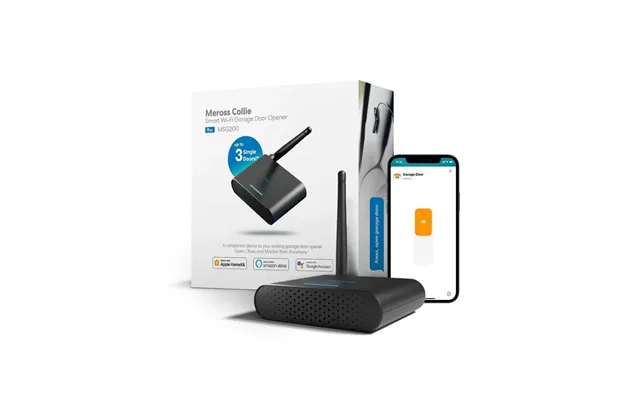
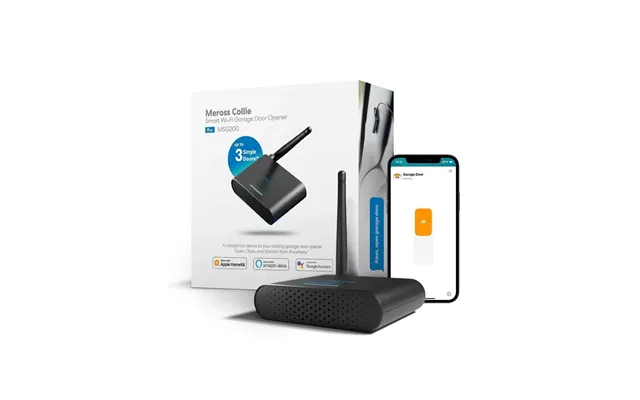
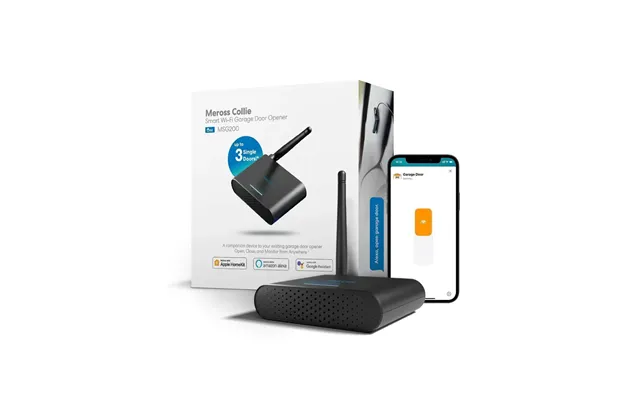
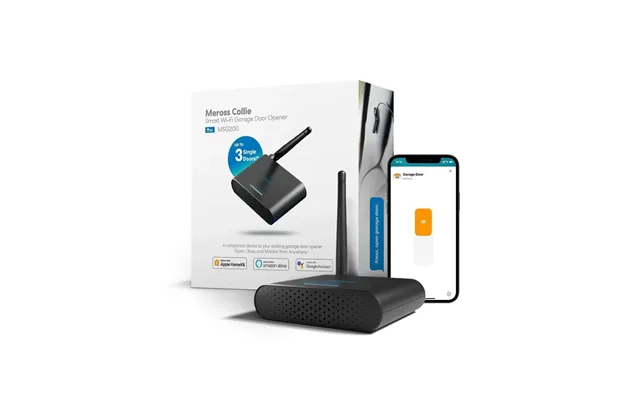
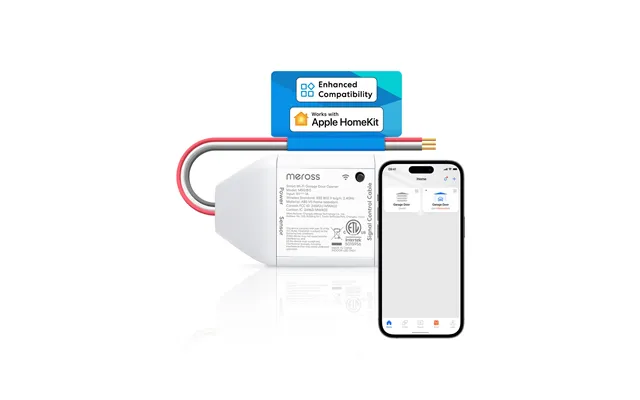
A connected garage door opener can add convenience and peace of mind. You may be able to check whether the door is open, receive alerts, or control it remotely. This can be especially useful when you leave home and suddenly wonder, “Did I close the garage?”
Compatibility is important here. Garage systems vary widely, and the opener must work with your existing equipment. Read the compatibility information carefully and check the installation process before ordering. When correctly fitted, this type of product can turn a forgotten worry into a quick glance at your phone.
The Meross app acts as the central dashboard for many of the brand’s devices. You can add products, name them, organise them by room, create schedules, and build scenes. Clear naming makes a bigger difference than people expect. “Living room lamp” is far more useful than “Smart Plug 2”.
Schedules are one of the strongest reasons to use smart home products. Instead of reacting to every task, you set a routine once and let the system repeat it. Lights can switch on at dusk. A fan can run during warm afternoons. A plug can turn off after a fixed period.
Scenes combine several actions. A “Movie Time” scene might dim the lights and switch on selected equipment. A “Goodnight” scene could turn off downstairs lamps and selected sockets. You are not simply adding gadgets; you are designing small moments that make the home feel smoother.
When supported by the device and connection, remote control lets you manage products while away from home. You might switch on a light before arriving, check a device’s status, or receive an alert when something changes.
Notifications should help rather than overwhelm you. Create alerts for events that matter, such as a garage door opening or a sensor detecting activity. If every minor change produces a notification, you will soon ignore them all.
Voice control can make smart products feel natural. Meross devices that support Amazon Alexa, Google Home, or Apple Home may respond to spoken commands once you link the relevant accounts. You can then control compatible lights, plugs, and scenes without opening the app.
This is useful for people with limited mobility, busy parents, or anyone carrying shopping bags through the front door. It also helps when a switch is hidden behind furniture. A short voice command can replace several steps.
Voice assistants are not essential, however. The Meross app remains useful for schedules, settings, and device management. If you prefer not to use voice technology, you can still enjoy the main benefits of a connected home.
Apple users often look for smart home products that work with Apple Home. Selected Meross devices support this platform, allowing them to appear alongside other compatible accessories. You may control them from the Home app, use Siri, and include them in Apple-based automations.
Check the exact product version before purchasing. Compatibility can differ between models, and a product that works with one platform may not support another. Product pages should clearly state the supported systems, but reading the technical details remains wise.
Meross also offers devices that work with Amazon Alexa and Google Home. These platforms are popular in UK households, and integration can make it easier to group products by room or control several items together.
For the smoothest experience, use consistent room names and device names across your systems. If you call one device “main lamp” in the app and “living room light” in your voice assistant, commands may become confusing. A little organisation saves a lot of repetition.
Most first-time setup follows a familiar pattern. Download the Meross app, create or sign into an account, plug in the device, and follow the pairing instructions. You may need to connect your phone to a suitable Wi-Fi network during setup.
Many smart home products rely on a 2.4 gigahertz Wi-Fi connection because it offers better range through walls. Some modern routers combine network bands under one name, which can occasionally make pairing less straightforward. If setup fails, check the router settings, move closer to the device, and follow the troubleshooting guidance.
Place the device where it can maintain a stable signal. A smart plug hidden behind thick furniture or installed far from the router may disconnect more often. Reliable placement is like laying a good road: the system works better when the path is clear.
Start with one product rather than trying to connect six devices at once. Give each item a clear name and assign it to the correct room. Update the firmware if the app recommends it, then test the device manually before creating complex routines.
Keep the packaging and product information until you are satisfied with the installation. If you need to return an item or check a specification later, those details can save time. Also, confirm whether your chosen product needs a hub, a particular Wi-Fi band, or a neutral wire.
Smart home technology cannot magically reduce every energy bill, but it can make better habits easier. Schedules and timers may stop lights or devices running when nobody needs them. Remote control can help you switch off equipment that you accidentally left on.
Energy monitoring features, where available, can also provide a clearer picture of household use. Numbers do not change behaviour by themselves, but they can reveal patterns. Perhaps a workspace consumes more power overnight than you expected, or a device remains active long after you finish using it.
Use smart controls as reminders and tools, not as a replacement for common sense. Turn off equipment safely, follow manufacturer guidance, and never overload sockets. Smart technology works best when it supports sensible habits.
Before buying from a UK smart home store or marketplace, check the product description carefully. Look for UK plug compatibility, electrical ratings, installation instructions, warranty information, and customer support details. A product made for another region may not suit British sockets or voltage requirements.
Privacy deserves attention too. Connected devices exchange information through apps, cloud services, and your home network. Use a strong, unique password, install updates, and secure your Wi-Fi router. Only enable features you genuinely plan to use.
For in-wall products, seek professional installation when needed. Do not guess with household wiring. A qualified electrician can confirm compatibility and install the product safely, especially in older UK properties where wiring layouts may differ.
Ask yourself a few simple questions. What problem will this product solve? Does it work with your preferred platform? Is the socket, fitting, or appliance compatible? Will the Wi-Fi signal reach the installation point? Can you return the product if it does not meet your needs?
These questions may sound basic, but they prevent most buying mistakes. The best smart home purchase is not always the product with the longest feature list. It is the one that works reliably and removes a real irritation from your routine.
You do not need a complete plan before you begin. Start with a task you repeat every day. A smart plug for a bedside lamp can give you remote control and a useful bedtime schedule. Once that feels reliable, add another device in a nearby room.
Next, consider routines. What happens every morning, evening, or time you leave the house? Perhaps several lights need to switch off together. Maybe a hallway light should turn on for a few minutes after sunset. These small automations often deliver more satisfaction than complicated experiments.
As your system grows, keep it organised. Use room labels, sensible names, and a short list of active scenes. Remove old routines that no longer serve a purpose. A smart home should reduce mental clutter, not create a new digital cupboard full of forgotten settings.
The strongest feature of Meross is its practical character. The products are aimed at everyday control rather than technology for its own sake. They can suit busy families, tenants who need removable solutions, older users seeking easier controls, and enthusiasts building a more connected property.
Meross also gives you room to choose. You can use the brand’s own app, connect selected devices to a wider smart home platform, or combine products with other compatible accessories. That flexibility matters because every UK home is different. A flat in London, a terraced house in Manchester, and a rural cottage in Wales may have very different layouts and Wi-Fi challenges.
When selected carefully, Meross devices become quiet helpers. They switch things on, turn things off, follow schedules, and wait for your command. The best automation is almost invisible. You notice the benefit, not the machinery behind it.
A smarter home does not need to be filled with screens and sensors. It needs to work for you. Meross Smarthome UK offers a straightforward path to that goal, with accessible products for lighting, power, access, and daily routines. Start small, check compatibility, prioritise safety, and build around genuine needs. With the right devices in the right places, ordinary tasks become simpler, your routines become smoother, and your home starts to feel less like a collection of appliances and more like a helpful partner.