


Meross Smarthome price list
Last updated Monday, 19 Oct 2026






| Store | Status | today | distance |
|---|
Loading...
Loading...
Last updated Monday, 19 Oct 2026
Smart home technology has moved from science fiction into ordinary British homes. A decade ago, controlling a lamp from a phone felt futuristic. Today, many people expect their lights, plugs, heating and security devices to work together. Meross Smarthome has become part of that change, offering connected products for customers who want useful automation without paying luxury prices.
Meross is a technology brand founded in 2016 by a team with experience in networking, hardware and consumer electronics. The company began in China and built its reputation around affordable smart home products that connect through familiar wireless systems. Over time, the brand expanded beyond its domestic market and became available to customers across Europe, including the United Kingdom.
In the UK, shoppers can find Meross products through online marketplaces, specialist technology retailers and the brand’s official online channels. The business is not best understood as a traditional high-street shop with a large chain of physical stores. Instead, Meross Smarthome operates mainly as a digital-first brand. That model helps it keep prices competitive while reaching customers in different countries.
Why has Meross attracted attention? The answer is simple. It focuses on everyday problems. People want to switch off appliances remotely, schedule garden lights, check a garage door or create a morning routine. Meross products aim to make those tasks easier, often with a relatively small upfront cost.
Meross entered the market during a period when smart speakers and voice assistants were becoming popular. Amazon Alexa, Google Assistant and Apple HomeKit were changing how people interacted with technology. A customer no longer needed to open a separate app for every task. They could speak a command, tap a phone or let an automated routine take care of the job.
This created a clear opportunity for Meross. Instead of building only one type of product, the company developed a range of connected accessories. Its catalogue has included smart plugs, light switches, bulbs, power strips, garage door openers, thermostats, sensors and outdoor devices. The exact range can vary by region, but the wider strategy remains consistent: offer small, practical products that fit into an existing home.
The company also gained attention through support for several major smart home platforms. Compatibility is important in this market because buyers do not want to be trapped in a single system. A household may already use an iPhone, an Amazon Echo or a Google Nest speaker. If a new device works with the systems already in the home, installation feels less risky.
UK customers have become more demanding as smart home products have matured. They now look beyond flashy features. They ask whether a device is safe, reliable, easy to install and suitable for British homes. They also care about electrical standards, plug design, data privacy and after-sales support.
Meross has responded by offering products designed for different regional markets. UK versions commonly use the British three-pin plug format, while other products are made for local wiring and electrical requirements. That distinction matters. Buying a cheaper imported device with the wrong plug or unsuitable electrical rating can create inconvenience and, in some cases, a safety concern.
The brand’s growth also reflects a broader shift in shopping habits. Customers often research a device through reviews, watch installation videos and compare prices before placing an order online. Meross fits naturally into that process. Its products are usually easy to discover through search engines and large online retail platforms, where customers can compare specifications and feedback in one place.
Smart plugs remain one of Meross’s most recognisable product categories. They can turn ordinary appliances into connected devices. Plug in a lamp, fan, coffee machine or seasonal decoration, and you can often control it from a mobile application or voice assistant.
The appeal is immediate. You can schedule a bedside lamp to switch on in the evening, turn off a heater after a set period or check whether a device is still running while you are away. Some models include energy monitoring, allowing users to see how much electricity an appliance consumes. That feature can be useful when households are trying to understand rising energy bills.
Meross also sells smart power strips in some markets. These products provide several independently controlled sockets, which can be helpful for entertainment systems, home offices and workstations. Instead of controlling one large group of devices at once, users may be able to manage individual outlets.
Meross smart bulbs and switches target customers who want more flexible lighting. A bulb may offer dimming, colour adjustment or warm and cool white settings. A switch can replace a conventional wall control and provide app-based operation or timed routines.
Smart switches can create a cleaner experience than using several plug-in adapters. For example, a hallway light might switch on automatically at sunset, while a bedroom lamp gradually brightens in the morning. These small changes can make a home feel more responsive without turning it into a complicated laboratory.
However, installation requirements differ. Some wall switches need a neutral wire, while older UK properties may not have one at the switch box. Anyone unsure about domestic electrical work should use a qualified electrician. The product price is only one part of the total cost; safe installation matters more.
Meross has also built a reputation for smart garage door controllers. These devices can let homeowners check the status of a garage door and operate it remotely, depending on the model and installation setup. For a family that regularly wonders whether the garage was left open, that reassurance can be valuable.
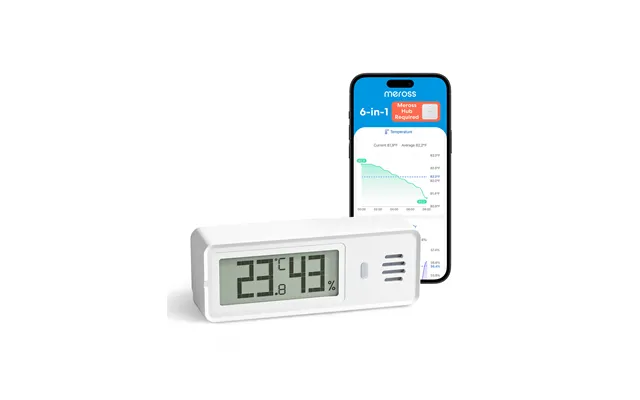
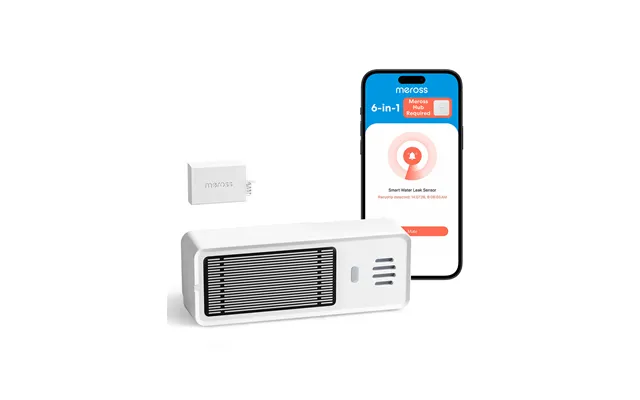
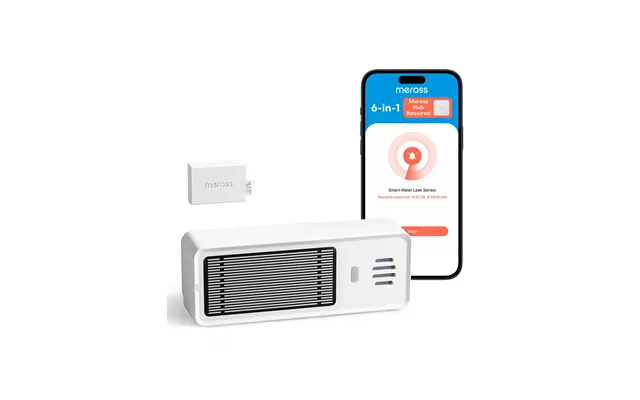
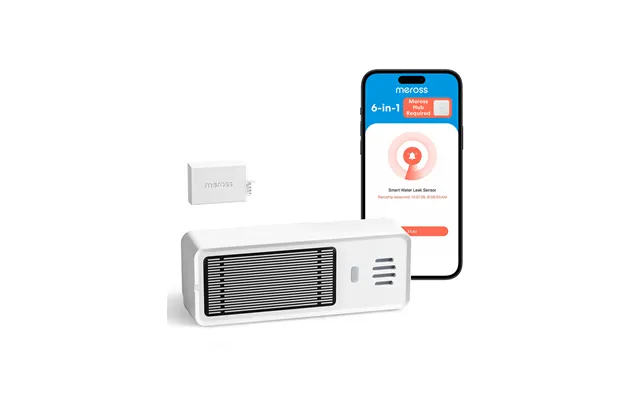
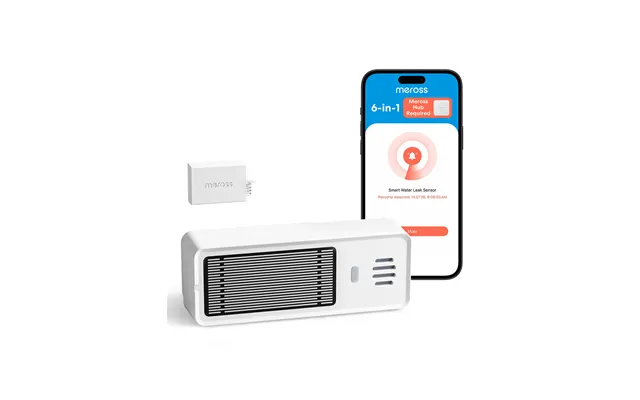
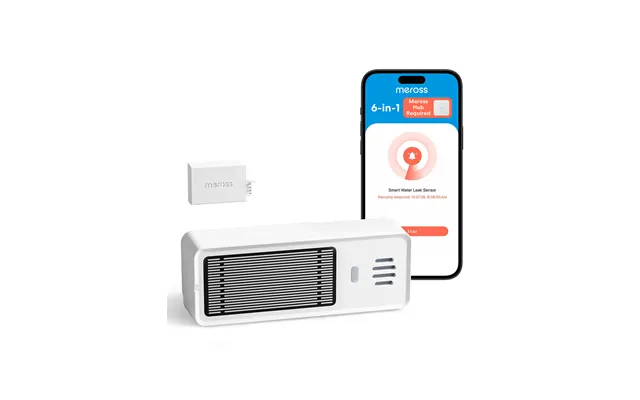
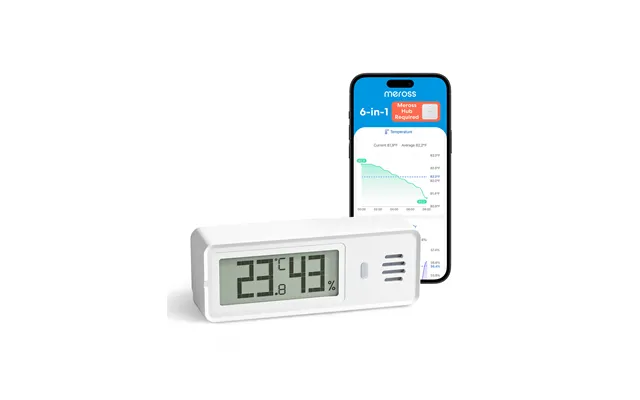
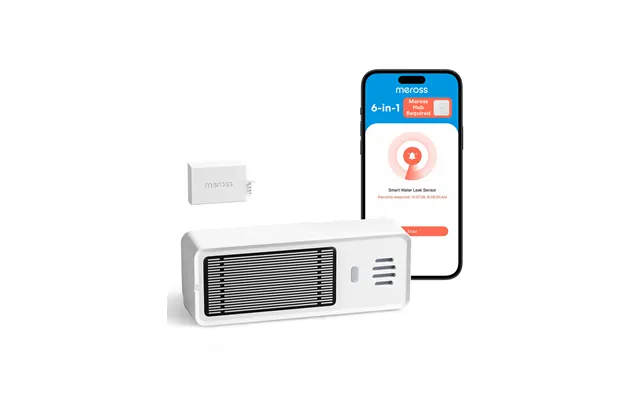
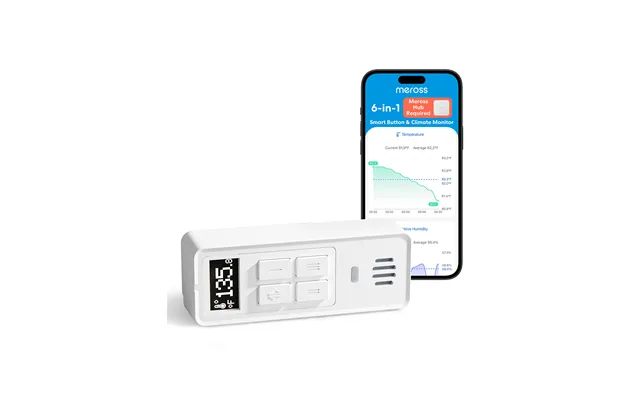
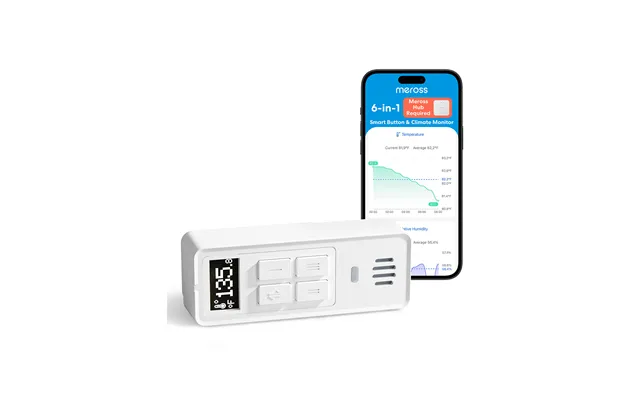
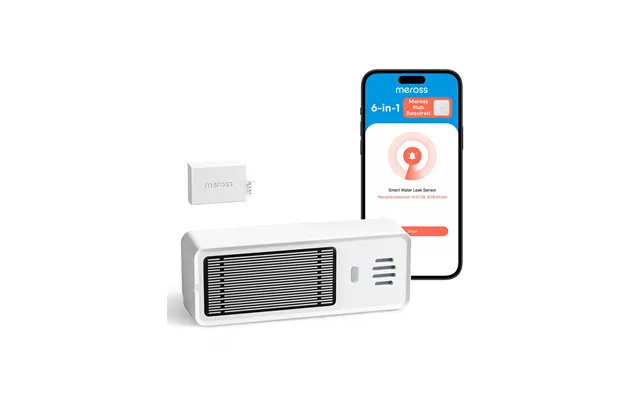
Other products may include door and window sensors, motion sensors or environmental accessories. These devices support basic automation. A sensor could trigger a light, send a notification or help a user understand activity around the home.
Meross is not a complete replacement for a professionally installed security system. It is better viewed as a flexible collection of connected accessories. Buyers should check product limitations, local compatibility and security features before using any smart device for critical protection.
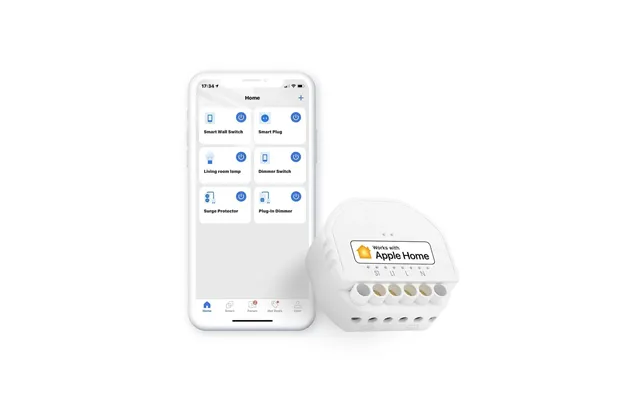
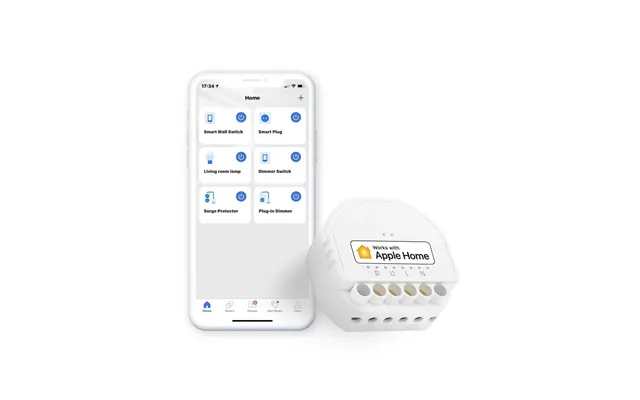
One of Meross’s strongest selling points is platform support. Depending on the product, a Meross device may work with Apple Home, Amazon Alexa, Google Home or the company’s own application. Some newer products may also support Matter, the industry standard designed to improve compatibility across smart home ecosystems.
Support is not identical across every product. One smart plug may support Apple Home, while another may offer only Alexa, Google Assistant and app control. Buyers should always read the product listing rather than assume that every Meross device has the same features.
Apple users often look closely at HomeKit compatibility. A suitable Meross product can become part of scenes such as “Good Morning” or “Leaving Home”. Android users may prefer Google Home or Alexa routines. The best option depends on the devices already installed in the household.
There is also a practical lesson here: compatibility is more than a logo on a box. Users should check whether remote control requires a separate hub, whether the device supports a particular wireless frequency and whether advanced features work inside third-party platforms. A little research before purchase can prevent a frustrating setup later.
Amazon UK is one of Meross’s most visible competitors as a retail destination. It sells a huge range of smart home brands, including Amazon’s own devices, TP-Link Tapo, Philips Hue, Ring and many lesser-known labels. Amazon offers convenience, fast delivery in many areas and a familiar returns process.
Meross can compete well on focused product pricing and platform support. A customer looking for a low-cost smart plug or garage controller may find Meross attractive. Amazon, by contrast, offers a much broader selection and strong integration with Echo speakers and Alexa routines.
The drawback of buying through a large marketplace is choice overload. Similar products can have very different quality levels. Customers need to check the seller, warranty terms, electrical certification and recent reviews. When purchasing directly through an official Meross channel, shoppers may find it easier to understand the brand’s intended support route.
TP-Link Tapo is one of the closest competitors in the UK smart home market. Tapo offers plugs, bulbs, cameras, sensors and other connected products, usually at accessible prices. Its wider networking heritage gives the brand strong visibility and a large support structure.
Tapo may appeal to shoppers who want a broad family of products from one established manufacturer. Its cameras and security range can be particularly important for customers building a larger system. Meross, however, remains competitive for simple control products and for buyers who prioritise Apple Home compatibility on selected models.
The decision often comes down to ecosystem and product detail. Compare the exact device, not just the brand. Check whether it needs a hub, supports energy monitoring, works with the preferred assistant and includes the right UK plug. A cheaper product is not necessarily better if it lacks a feature you will use every day.
Philips Hue is a major name in smart lighting. It is known for polished bulbs, strong colour quality, reliable scenes and a mature lighting ecosystem. Hue products are often positioned at a higher price point, especially when customers add a bridge, switches and multiple bulbs.
Meross generally appeals to buyers who want smart lighting at a lower entry cost. It can be a sensible choice for a single room, a rental property or a household testing smart lighting for the first time. Philips Hue may be better for enthusiasts who want a deep lighting system with a large range of accessories and refined effects.
In other words, Meross is like buying useful tools for specific jobs, while Hue is closer to building a complete lighting workshop. Both approaches can work. The right choice depends on budget, ambition and how important lighting quality is to you.
Heating is a major area of interest in the UK, and Hive and Drayton Wiser are well-known names. These brands focus heavily on thermostats, heating schedules and connected temperature control. They may be more suitable for households that want a planned heating system rather than a collection of separate smart accessories.
Meross can still play a role in heating-related automation through smart plugs or compatible accessories, but a plug should not be treated as a universal substitute for a professionally installed heating controller. Central heating systems involve safety, wiring and boiler compatibility. A dedicated system from Hive, Wiser or another specialist may offer a more complete solution.
Samsung SmartThings provides a broader automation platform that can connect devices from many manufacturers. It appeals to users who enjoy building advanced routines across sensors, lights, appliances and security products. The experience can be powerful, although it may feel more complex than a simple Meross setup.
Meross is often easier for a small project. Add a plug, connect it to the app and create a schedule. SmartThings is more like a control centre for a whole connected home. Neither approach is automatically superior. Beginners may value simplicity, while experienced users may want deeper automation and wider device support.
Price is one of Meross’s clearest advantages. Smart home technology can become expensive when every room needs several devices. Meross gives shoppers a way to begin with one plug or bulb and expand gradually. That lowers the barrier for families, renters and curious first-time users.
Compatibility is another strength. Selected Meross products support major voice assistants and Apple’s smart home platform. This flexibility helps customers avoid replacing their existing speakers and phones. The brand also offers products for tasks that are often overlooked, such as garage access and outdoor control.
The product range is broad enough for practical home automation, yet it does not always demand a complete brand commitment. You can use a Meross plug in one room and another compatible brand elsewhere. That freedom can be useful in a mixed smart home.
Meross also benefits from a straightforward concept. Its products are designed around familiar actions: switch, schedule, monitor and automate. You do not need to be a software engineer to understand the main purpose.
No smart home brand is perfect. Meross users may experience occasional setup problems, wireless connection issues or differences between product generations. Features can also vary sharply between models. A product that works without a hub may sit next to another that requires extra hardware, so reading the details is essential.
Some customers may prefer a retailer with a strong UK-based telephone support team or a physical store where they can return products in person. Meross’s online-focused model may feel less personal than buying from a major high-street technology chain. Support and warranty arrangements can also depend on where the product was purchased.
Privacy deserves attention too. Connected devices collect information needed to operate, such as account details, network data and usage events. Customers should use strong passwords, update firmware and review application permissions. A smart plug may appear harmless, but every internet-connected device should be treated as part of the home network.
Finally, smart devices rely on infrastructure. If the wireless network fails, the router is switched off or a cloud service has an outage, remote features may stop working. Good products often retain manual control, but buyers should not depend on smart automation for essential safety tasks.
Start with the job you want the device to perform. Do you want to control a lamp, measure energy use, automate lighting or manage a garage door? A clear goal makes comparison easier and prevents you from buying features you will never use.
Next, check the electrical specification and UK compatibility. Look for the correct plug type, voltage information, load rating and installation requirements. For switches and wired products, confirm whether a neutral wire is needed and whether professional installation is recommended.
Then check the smart home platform. If your household uses Apple Home, choose a model that explicitly supports it. If you rely on Alexa or Google Home, confirm the same before ordering. Do not assume that a newer product automatically has every feature found in an older one.
Read recent customer reviews with care. Look for repeated comments about connection stability, app quality, setup instructions and long-term reliability. One negative review may reflect an isolated issue, but a repeated pattern deserves attention.
Finally, buy from a reputable seller and keep your receipt. Check return rules, warranty details and delivery terms. A low headline price loses its appeal if the product is difficult to return or lacks suitable support.
The UK smart home market is likely to keep growing, but the next stage will focus less on novelty and more on cooperation. Customers want devices from different brands to work together. Standards such as Matter may help reduce confusion, although product support and real-world performance will remain important.
Energy management will also shape demand. With household budgets under pressure, smart plugs, monitoring tools and automated heating can help people understand and manage consumption. However, these products should provide accurate information and clear controls rather than promising unrealistic savings.
Meross is well placed for this practical direction. Its strength lies in affordable accessories that solve specific problems. If the brand continues to improve software, security, support and compatibility, it can remain a strong option for UK households that want useful automation without a premium price tag.
Meross Smarthome has grown from a connected-device start-up into an internationally recognised smart home brand. In the UK, it competes with powerful retailers and specialist names such as Amazon, TP-Link Tapo, Philips Hue, Hive and Drayton Wiser. Its main appeal is clear: accessible products, useful automation and support for popular smart home platforms.
It may not be the perfect choice for every project. Buyers who want professional heating control, advanced security or a premium lighting system may prefer a specialist competitor. For everyday tasks, though, Meross offers a practical entry point. Think of it as a flexible toolbox: begin with one useful device, learn how it fits your routine, and expand only when it genuinely makes life easier.