All categories
Business & Offices
Electronics & Media
Fashion & Accessories
Groceries & Essentials
Health & Personal Care
Home & Living
Kids & Family
Sports & Outdoors
Search in ZoneOffer

Loading...
If you’ve ever cranked the volume and felt the music fall flat, you know the stock speakers in many cars can be underwhelming. Upgrading motor vehicle speakers is one of the fastest ways to turn a noisy commute into a concert-on-wheels. Better speakers improve clarity, punch, and staging — so vocals sit front and center and bass doesn’t sound like a muffled thump. Think of it like swapping from cheap headphones to a decent pair of studio cans; suddenly details you didn’t know were there jump out.
Upgrades also let you tailor sound to your tastes. Want tight bass for electronic tracks, warm mids for singer-songwriter playlists, or crisp highs for classical? The right combination of coaxial drivers, component kits, and a dedicated subwoofer makes that possible. And yes, you’ll notice the difference even at moderate volume levels — less distortion, more headroom, and a more dynamic ride.
Not all car speakers are created equal. There are several main categories you’ll encounter when shopping: coaxial (full-range) speakers, component speaker systems, subwoofers for low-end punch, and individual tweeters or midrange drivers. Each has a role, and pairing them well gives you a balanced, powerful system that fits your vehicle and budget.
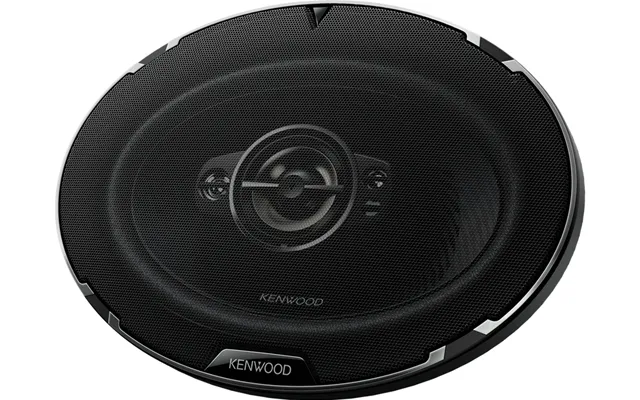
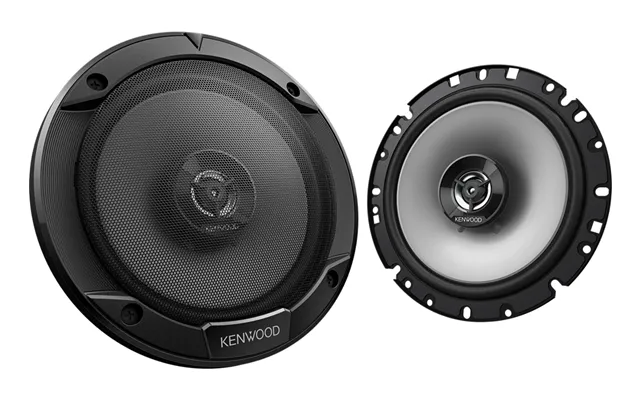
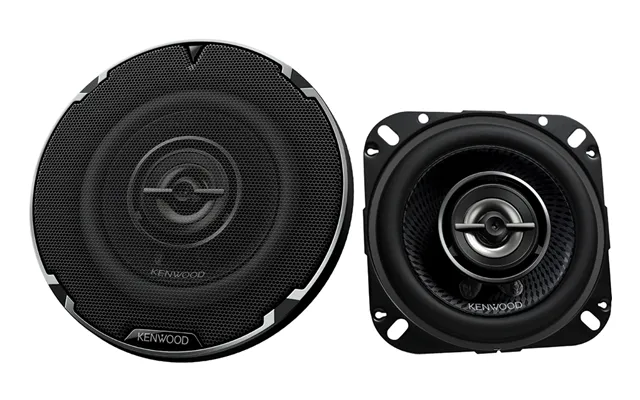
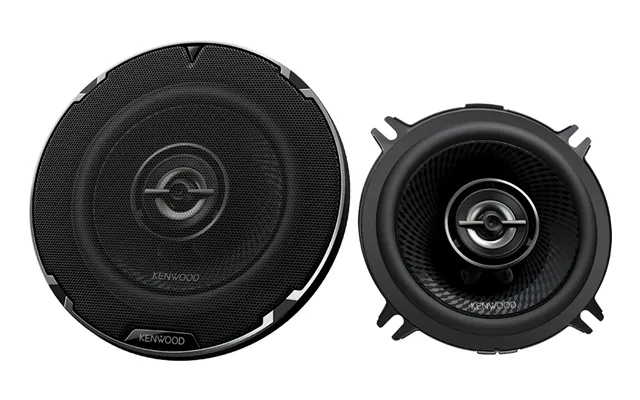
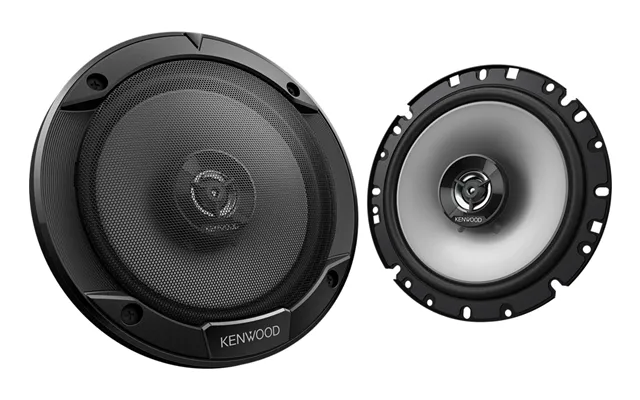
Coaxial speakers are the go-to upgrade for many drivers because they combine a woofer and tweeter into a single unit. They’re easy to install and come in common sizes like 6.5-inch, 6x9-inch, and 5.25-inch. If you want a quick, affordable improvement without custom enclosures, coaxial speakers are a smart pick. Expect better clarity and slightly improved bass over factory units, especially with a decent RMS power rating.
Component systems separate the tweeter, midrange, and woofer so each driver can perform its specific job. This separation yields superior imaging and a wider soundstage — the kind of upgrade audiophiles appreciate. Components usually require more planning and space for mounting tweeters and crossovers, but the payoff is cleaner highs, more accurate mids, and overall better fidelity.
If you crave low-end impact, a subwoofer is essential. Subs come in sizes like 8-inch, 10-inch, and 12-inch and can be sealed or ported enclosures. A compact 8-inch sealed sub is great for tight bass without sacrificing trunk space, while a 12-inch ported box gives you chest-thumping output for dance and hip-hop. Pair a sub with a proper amplifier and you’ll feel bass like a punch — not just hear it.
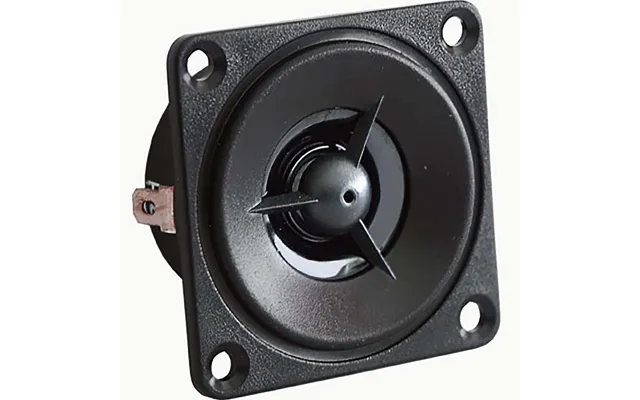
Tweeters handle the high frequencies that give instruments sparkle and detail. When a system lacks quality tweeters, cymbals and vocal sibilance can sound dull or harsh. Midrange drivers are where most musical information lives — vocals, guitars, horns. Upgrading these drivers in a component setup often yields the most noticeable improvement in realism and presence.
Speaker size matters because it determines how low and loud a speaker can play and whether it fits your car’s factory locations. Here are the most common sizes you’ll see: 6.5-inch (the most popular front speaker), 6x9-inch (often used in rear decks), 5.25-inch (compact doors), and 4-inch (smaller factory spots). Larger speakers generally move more air and can produce better bass, but they also need the right mounting depth and baffle support.
Check the speaker depth in your door or rear panel before buying. Many aftermarket speakers list a mounting depth in inches; if your door has only 2.5 inches of clearance, a speaker with a 3.5-inch depth won’t fit without modification. In short: measure twice, buy once.
When evaluating motor vehicle speakers, you’ll see two key specs: power handling (watts RMS and peak) and sensitivity (decibels). RMS power tells you how much continuous power a speaker can handle. If a speaker is rated for 75 watts RMS, that’s the steady power you should aim for from your amplifier. Peak ratings are higher but don’t reflect long-term performance.
Sensitivity, measured in dB, tells you how loud a speaker will be with a given power input. Higher sensitivity — say 92 dB vs. 86 dB — means the speaker gets louder with less power. For cars where you don’t plan to add a big amplifier, choose higher-sensitivity speakers to maximize output from a stock head unit.
There are many reputable brands in the car audio world. Brands like Pioneer, Kenwood, JBL, Alpine, Rockford Fosgate, and Focal consistently deliver excellent options across price ranges. For example, a mid-range 6.5-inch coaxial from Pioneer or JBL can transform a factory system for about £50–£120, while component sets from Focal or Alpine may cost £200–£400 but offer audiophile-grade performance.
Also consider value-focused lines from brands like Rockford Fosgate and Kicker if you want heavy bass and durability. If space is tight and you want clarity over raw output, look at coaxial and component sets from Kenwood and JL Audio. The modern market is broad: you can get a clean, detailed system for a few dozen pounds or build a show-ready setup for several hundred.
Speakers don’t operate in a vacuum. Match them to your head unit (source) and amplifier so you don’t underpower or overpower components. If your head unit only outputs 15–18 watts RMS per channel, pairing it with low-sensitivity, high-power speakers will leave you underwhelmed. Conversely, feeding high-powered amps into low-power speakers without considering RMS ratings risks damage.
Most upgrades benefit from at least a 4-channel amplifier for front and rear pairs, plus a mono amp for the subwoofer. When shopping, look for amp power that aligns with speaker RMS — aim for 75% to 150% of the speaker’s RMS rating for safe, musical performance. In practice, a 75-watt RMS speaker pairs nicely with amps delivering about 50–100 watts RMS per channel.
If you enjoy DIY projects, installing new speakers can be rewarding and often saves labor costs. Start by removing door panels carefully — use plastic trim tools to avoid scratches. Keep screws and clips organized in a small container. Test-fit speakers for depth and clearance before wiring. For coaxial units, wiring is straightforward: connect positive and negative leads to the matching terminals. For component systems, note the crossover placements and route tweeter wires cleanly for best staging.
If you’re adding an amplifier and subwoofer, plan wiring runs carefully. Use a quality power cable from the battery with an inline fuse within a few inches of the battery terminal. Ground the amp to bare metal close to the amplifier location to avoid noise. If you’re unsure about wiring gauge or fuse sizing, reference manufacturer specs — undersized wire is a common DIY mistake that causes voltage drop and poor performance.
Shopping smart means knowing price ranges and where to find good deals. Entry-level coaxials typically range from about £30 to £80 per pair — perfect for a basic lift in sound. Mid-range speakers and component sets fall between £100 and £300, offering marked improvements in clarity and power handling. High-end component systems, audiophile drivers, and premium subs can cost £400 and up for those chasing top-tier sound.
Keep an eye out for seasonal offers and comparison sites that aggregate deals from multiple retailers. Popular offers often include bundled speaker kits, amp+sub packages, or discounts when you trade in factory speakers. If you’re on a tight budget, consider upgrading the front stage first — replacing front speakers yields the greatest sonic payoff for the least money.
Once installed, take some time to test and tune. Start with the head unit EQ flat, and play familiar tracks across genres. Listen for clarity in vocals, the tightness of bass, and whether highs are too sharp. Use small EQ adjustments to tame peaks or lift recessed frequencies. If you have a subwoofer, set its low-pass filter to around 80–100 Hz and adjust phase so the bass integrates rather than booms.
Don’t forget speaker break-in. Many drivers notice that speakers loosen up over the first 20–50 hours of normal listening, with smoothing in the upper mids and more natural bass. Finally, balance front-to-rear levels and adjust fade so the soundstage sits comfortably in front of you — like a live performance just ahead of the windshield.
Ready to buy? Here’s a quick checklist to simplify decisions: measure speaker mounting depth and diameter, confirm RMS and peak ratings, check sensitivity, decide between coaxial vs. component based on your budget, and plan whether you’ll add an amp and sub. Also consider speaker materials — polypropylene cones resist moisture, while woven fibre or kevlar cones often offer smoother midrange detail.
My final tip: prioritize the front stage. If you can only afford to replace two speakers, make them the front pair. That choice has the most impact on imaging and overall listening enjoyment. Pair a quality front component or coaxial set with a modest sub later if you crave more low-end. With a thoughtful approach, your car’s audio can go from “meh” to “wow” without breaking the bank.
Upgrading your motor vehicle speakers is one of the most cost-effective ways to improve in-car audio. Whether you choose easy-to-fit coaxials, high-fidelity component sets, or a dedicated subwoofer and amplifier, the right combination transforms everyday drives into immersive experiences. Measure carefully, match power and sensitivity, and don’t be afraid to shop around for popular offers that fit your budget. With the right gear and a little tuning, your next playlist will sound better than ever.
| Motor Vehicle Speakers | Price | |
|---|---|---|
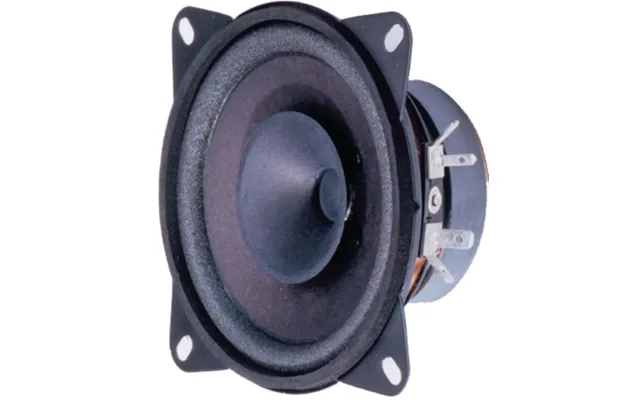
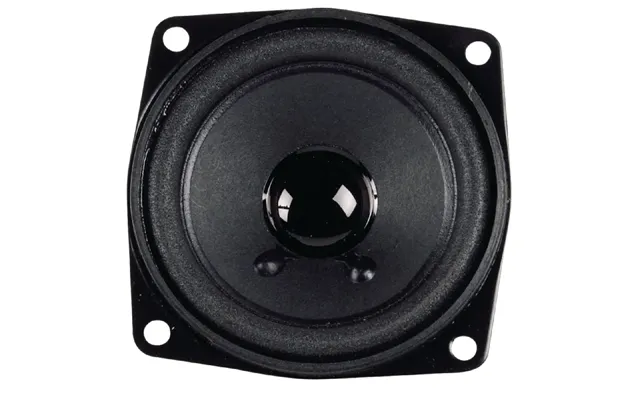
| Visaton Full-range Speaker 6.5 Cm 2.5 4 Ohm | £ 7,83 | |
| Visaton Fr 10 Hm - 4 Ohm | £ 11,06 | |
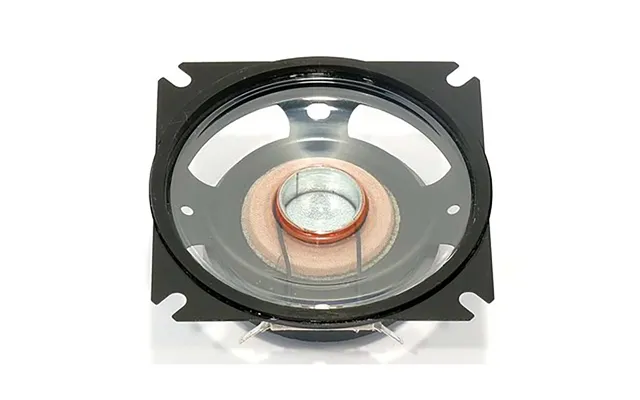
| Visaton Sl87 Wpm 4 Ohm Waterproof 8 Cm 3.3 Fullrange Speaker With A Transparent Plastic Cone And Rubber Sealing Ring | £ 14,98 | |
| Visaton Sc5 - 8 Ohm 13mm 0.5 Magnetically Shielded Polycarbonate Dome Driver | £ 19,59 | |
| Visaton Frs 8 M - 8 Ohm | £ 19,59 | |
| Visaton Frs 8 - 8 Ohm | £ 19,59 | |
| Visaton W200 - 4 Ohm Woofer 20 Cm 8 | £ 43,11 | |
| Visaton Dl 10 - 8 Ohm | £ 48,99 | |
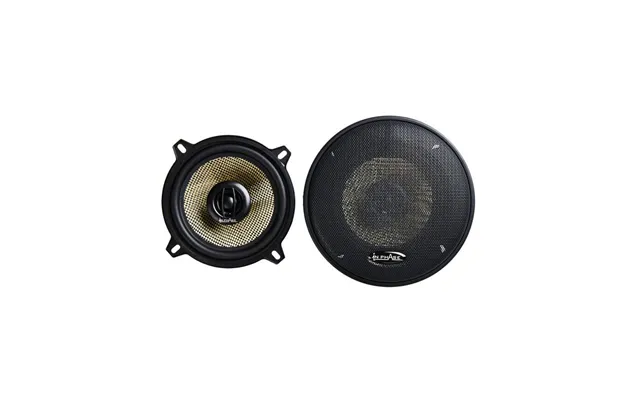
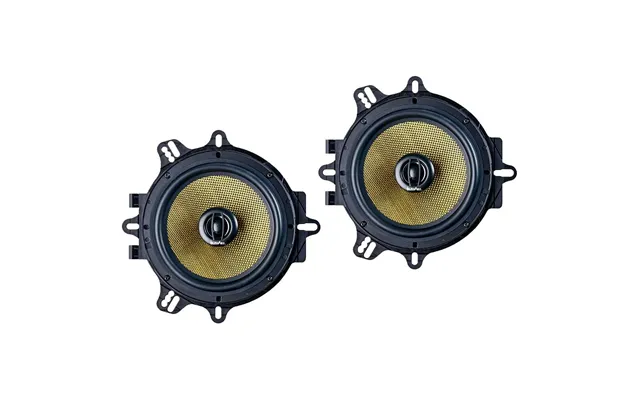
| In Phase Car Audio Xtc13.2 210w 13cm 5.25 Coaxial Speakers | £ 50,34 | |
| In Phase Car Audio Xtc13.2 210w 13cm 5.25 Coaxial Speakers |

| £ 50,34 |