All categories
Business & Offices
Electronics & Media
Fashion & Accessories
Groceries & Essentials
Health & Personal Care
Home & Living
Kids & Family
Sports & Outdoors
Search in ZoneOffer

Loading...
If you spend time in your car — and who doesn’t — the right interior fittings can make every drive more comfortable, stylish, and practical. Whether you’re after plush seat covers, heavy-duty floor mats that survive mud and rain, or a modern infotainment upgrade, interior fittings are where personality meets purpose. This guide walks you through the most useful products, how to measure for a perfect fit in imperial units, what materials perform best, and where to spot the smartest deals through comparison sites. Ready to rethink your cabin? Let’s get into it.
Interior fittings do more than decorate your car — they protect surfaces, improve comfort, and can even boost resale value. A well-chosen set of seat covers shields original upholstery from spills and wear. Quality floor mats catch dirt and salt instead of letting it eat away at the carpet. In short, these small investments extend the life of your interior and make daily driving a better experience.
Ever been on a three-hour drive with an uncomfortable seat? The right seat cover or lumbar support can turn that marathon into a breeze. Ergonomic cushions that fit a seat back of 24 inches to 28 inches wide can relieve pressure and promote better posture. Think of fittings as shoes for your car: pick the wrong fit and everything feels off; get the right fit and you’ll barely notice them — in a good way.
Cars with cleaner interiors and intact upholstery often command higher prices on resale. Replacing a headliner or door panel might cost less than a full reupholstery job and still yield noticeable improvements when you sell. Compare that to how much wear and tear daily commuting can inflict and it’s clear why protective fittings are a smart move.
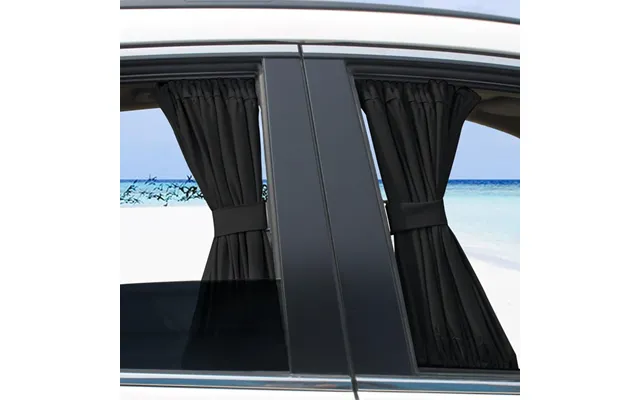
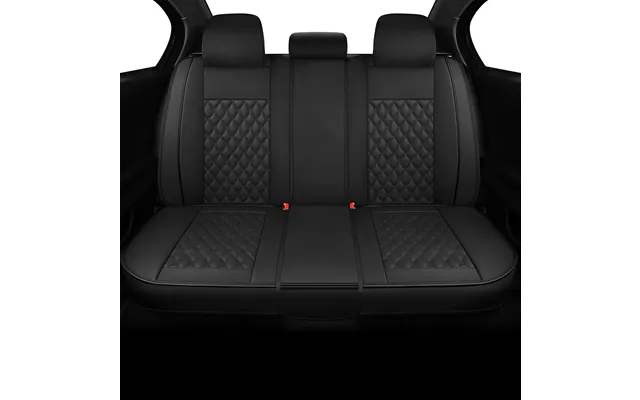
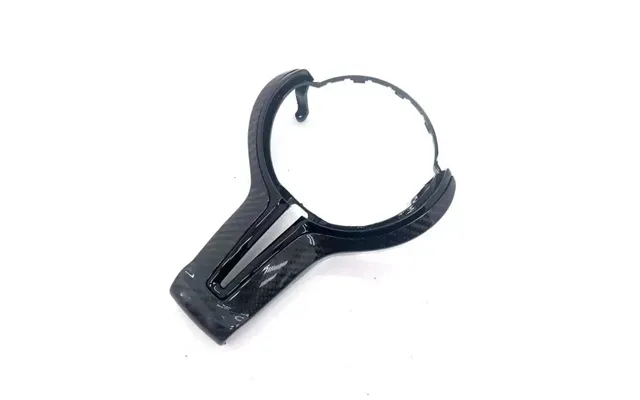
There’s a massive range of interior fittings on the market, from practical to plush. Below are the most popular options worth considering for most drivers, with quick notes on why they matter and what to look for.
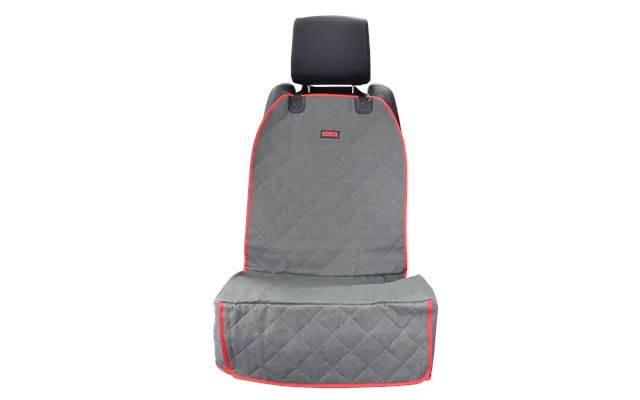
Seat covers are the go-to upgrade. They protect original upholstery from spills, pet claws, and UV fading. You’ll find universal covers that fit a wide range of seats and custom-fit options tailored to a make and model. Measure the seat width and height in inches — a typical bench seat back might be 50 inches wide, while a bucket seat base is often 20 to 22 inches across — to choose the correct size. Materials range from neoprene and leatherette to breathable cotton blends, each offering a different balance of comfort and durability.
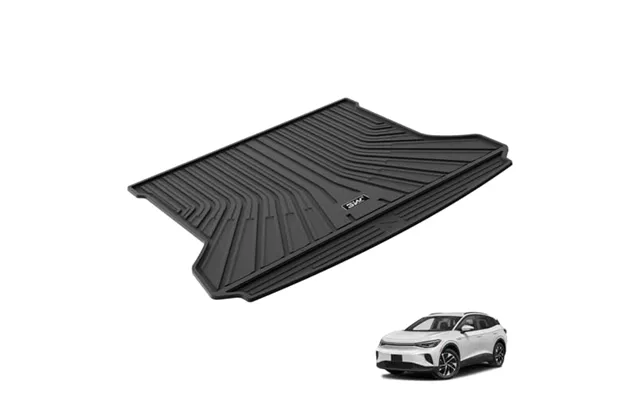
Floor mats are underrated heroes. All-weather mats, often made from rubber or thermoplastic, trap mud and melted snow, stopping moisture from seeping into carpets. Look for deep grooves and raised edges that contain liquids; some mats measure around 27 inches by 17 inches for front mats, while rear mats can be 46 inches wide to cover an entire rear footwell. For heavy use, go with heavy-gauge rubber backed by a non-slip surface.
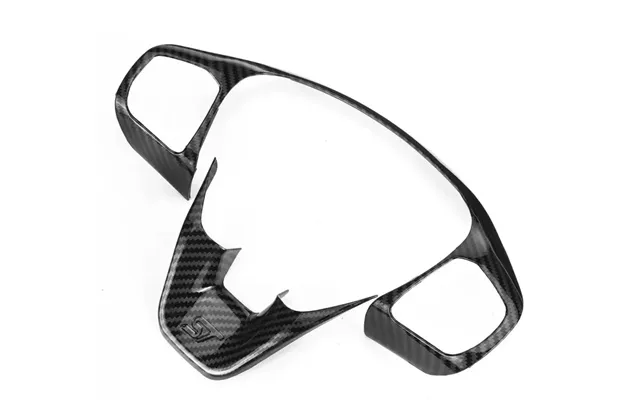
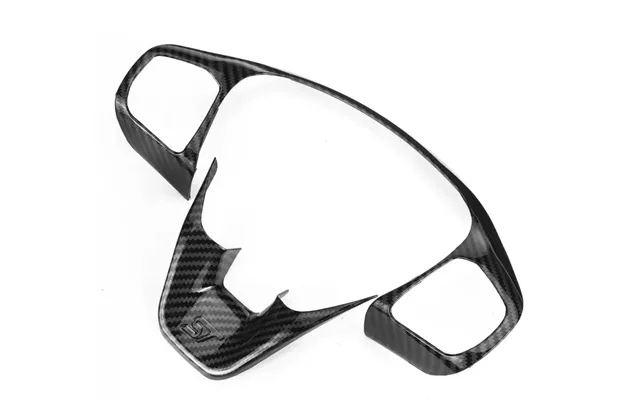
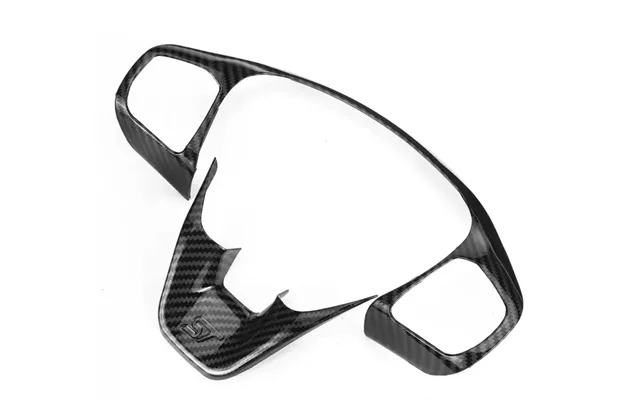
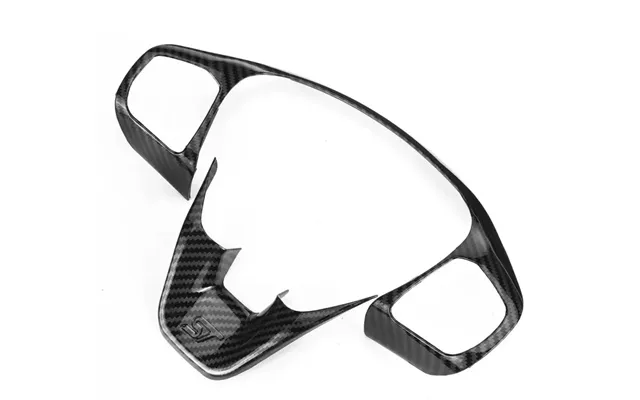
Dash covers protect the dashboard from cracking and glare while updating the look. Synthetic suede or carpeted covers reduce reflected light, improving visibility on bright days. Custom trim kits for dashboards and center consoles add a polished finish — think carbon-fiber look or real wood veneers — and snap into place without permanent modification.
Steering wheel covers are a quick way to refresh the feel of your wheel and add grip. Sizes usually fit diameters from 14.5 inches to 15.5 inches. Leatherette covers give a premium feel, while breathable cloth works well if you prefer no-slip performance in hot weather. Gear shift boots protect moving parts and can give vintage cars a classic appearance.
Interior lighting upgrades are an easy way to modernize a cabin. LED ambient kits can add accent lighting under dash panels or in the footwells; many are adjustable in color and brightness. Look for kits that run off a 12-volt system and come with adhesive strips designed for automotive temperatures. A well-placed LED strip can transform a plain cabin into a cozy, modern space.
For older cars or those with sagging headliners, replacement headliners and upholstery kits restore factory looks. These projects can be DIY if you have basic tools and patience — expect several hours, depending on complexity — or you can hire a pro. Choose materials that match the original grain and thread count, especially if authenticity matters for classic cars.
Practical fittings like seat-back organizers, trunk dividers, and under-seat storage trays keep clutter under control. Trunk organizers that fold flat are great for grocery runs, while console organizers prevent items from rolling around. Measure available space: a typical foldable trunk organizer might be 24 inches long by 16 inches wide and 10 inches tall when expanded.
Replacing a factory head unit with a modern touchscreen adds navigation, smartphone mirroring, and better sound control. Most double-DIN units measure about 7 inches by 4 inches and fit many vehicles with the right mounting kit. Pairing a new head unit with upgraded speakers or a compact subwoofer delivers significantly better audio without huge space penalties.
Material selection affects comfort, durability, cost, and maintenance. Leatherette (synthetic leather) is a popular mid-range option: it looks premium, wipes clean, and resists stains, though it can get warm in summer. Fabric is breathable and comfortable in hot weather, but stains more easily. Genuine leather is luxurious and long-lasting with proper care, but comes at a higher price and can require conditioners to prevent cracking. Think about how you use your vehicle: do you ferry kids and pets, or is it a weekend cruiser?
If you need rugged performance, choose heavy-duty rubber mats and neoprene seat covers. For daily comfort, breathable fabric or perforated leatherette is better. Consider how often you’ll clean the fittings — leatherette wipes down quickly, while fabric may need a deep clean every few months. Match the product to your lifestyle to strike the right balance.
Getting measurements right is half the battle. Here’s a simple checklist to avoid returns and wasted time: measure seat width and depth, dashboard length, steering wheel diameter, footwell width, and trunk dimensions using inches and feet. Always measure twice. Many universal-fit products provide stretch and adjustable straps, but for a custom look choose fittings matching your vehicle’s exact measurements.
Use a soft tape measure to follow contours. For seats, measure from the outer seam across the widest point in inches. For floor mats, measure front-to-back and side-to-side in inches, and allow an extra inch or two for wiggle room. When in doubt, check the manufacturer’s fitment guide against your vehicle’s make and model; many items are listed to fit specific years and trims.
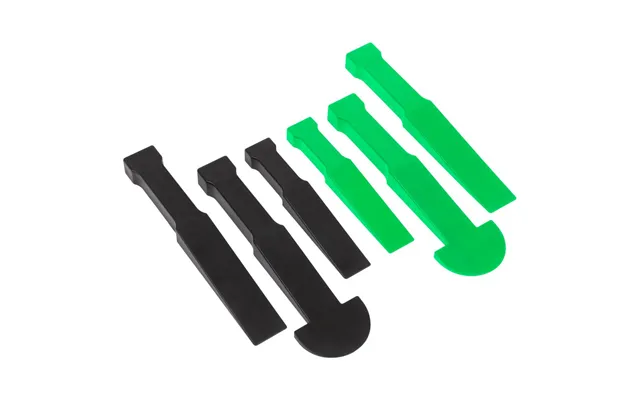
Many interior fittings are straightforward to install with basic tools: screwdrivers, trim removal tools, and a utility knife. Expect to spend 30 minutes to an hour installing floor mats or a steering wheel cover. Seat covers can take 45 minutes to 2 hours depending on complexity and whether you remove headrests. Dashboard trim and headliner work can run several hours and may require adhesive spray or a specialty tool.
If you need to remove airbags, disconnect wiring for infotainment, or reupholster large panels, call a professional. Safety systems and electronics require care, and a botched job can be costly or dangerous. Simple swaps like mats, covers, and LED strips are perfect for a weekend DIY project.
Interior fittings range wildly in price. You’ll find budget mats for under £20 and premium custom leather kits that cost several hundred pounds. Comparison sites that aggregate offers can help you spot discounts across multiple retailers without visiting dozens of pages. Look for seasonal sales — winter and spring often bring bargains on mats and covers — and check for bundle deals that combine mats, seat covers, and organizers at a lower combined price.
When comparing products, check fitment data, warranty length (often 1 to 5 years), and return terms. Read real-user reviews that mention fit and longevity; a product that fits your vehicle well and lasts three years may offer better value than a cheaper one replaced every year. Also evaluate shipping costs and estimated delivery times if you need items quickly.
Regular care keeps fittings looking new. Vacuum carpets and mats weekly if you drive often. Spot-clean spills immediately — leatherette and rubber wipe clean, fabric can be blotted with a mild detergent, and wood trim benefits from a gentle polish. For leather, use a conditioner every few months to prevent drying and cracking. And remember: a small investment in maintenance prevents larger repair bills later.
Rotate floor mats seasonally: use heavyweight rubber in winter to fight salt and slush, and lighter carpet mats in summer for a cozier feel. Store unused mats flat in a dry place to avoid warping. If you swap seat covers seasonally, keep the originals in a breathable bag to avoid mildew during off-season storage.
Some fittings make more sense for certain vehicle types. For families and fleet vans, heavy-duty rubber mats and washable seat covers are priorities. For compact cars, slimline organizers and compact subwoofers balance space and comfort. Classic car owners often opt for period-correct trim and bespoke upholstery to maintain authenticity. Tailor your shopping list to how you use the vehicle.
Owners of performance or luxury cars often pursue subtle upgrades: premium leatherette, carbon-look trim, and high-end audio. Small touches like stitched dash covers or a leather-wrapped gear knob can elevate the cabin without altering core systems or warranty conditions.
Always ensure that any interior modification doesn’t interfere with safety systems like airbags or driver visibility. Aftermarket airbags are rare; most fittings should be designed to accommodate factory airbags. Avoid bulky seat covers that block side airbag deployment or obscure sensors. Also check local regulations about dash-mounted devices and ensure dash cams or displays don’t obstruct your view of the road.
Choose products labeled “airbag compatible” for side and seat-mounted airbags. For seat covers, look for stitched seams that allow airbag deployment. When installing electronics, route cables so they don’t interfere with steering column movement or pedals. Safety first — the right fitting won’t compromise protection.
Before you click “buy,” run through this checklist: measure in inches, confirm vehicle fitment by make and year, read user reviews about fit and longevity, verify warranty terms, and compare prices across multiple sellers. If you’re unsure, opt for products with generous return windows and clear fitment guides. A little preparation saves time and money later.
If you’re after the biggest immediate impact, start with all-weather floor mats, a snug steering wheel cover, and a set of seat covers. Add an LED ambient kit for a modern touch, and consider a new head unit if your car lacks smartphone connectivity. These upgrades are affordable, fast to install, and noticeable every time you drive.
Conclusion: Upgrading your motor vehicle interior fittings is one of the most cost-effective ways to improve comfort, functionality, and resale value. Whether you aim for rugged practicality with rubber mats and washable covers, or a luxury feel with leatherette and custom trim, the key is measuring correctly, choosing compatible materials, and shopping smartly using comparison tools to find the best deals. Take your time, plan your upgrades, and you’ll enjoy a cabin that looks and feels like new.