All categories
Business & Offices
Electronics & Media
Fashion & Accessories
Groceries & Essentials
Health & Personal Care
Home & Living
Kids & Family
Sports & Outdoors
Search in ZoneOffer

Loading...
Windows are the eyes of your vehicle — they let you see the road, protect you from weather, and play a big role in safety. When a motor vehicle window or its components fail, it can be more than an annoyance; it can affect visibility, security, and the resale value of your car. Whether you drive a compact hatchback, a full-size pickup, or a delivery van, knowing the difference between a cracked windscreen, a faulty window regulator, or a tired rubber seal makes all the difference. Ready to dive into what matters and how to choose the right parts?
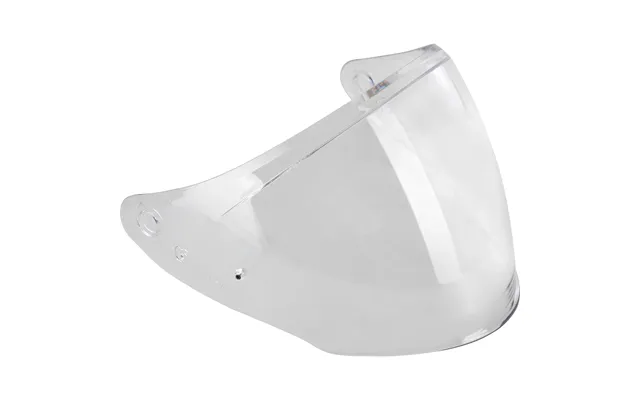
There’s a surprising number of small parts that keep your windows working smoothly. At a glance, the main components include the glass itself (windscreens and side windows), seals and weatherstrips, regulators and motors for power windows, window channels, clips, and the wiper and washer systems that keep the glass clear. Think of a window as a mini-ecosystem — if one piece fails, others soon follow.
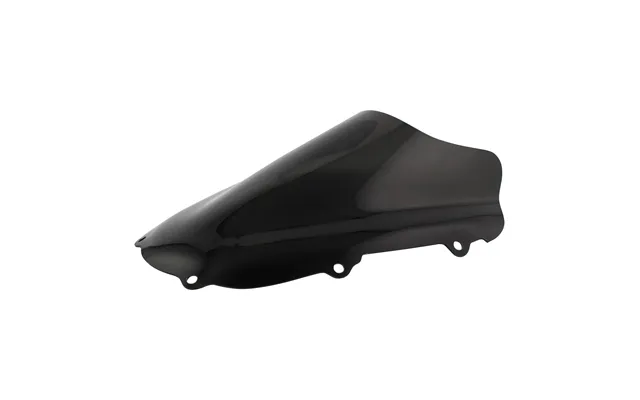
The windscreen is usually laminated glass for safety, often around 1/8 inch thick with a laminate layer in between. Small chips can be repaired, but large cracks typically require a full replacement. When replacing windscreen glass, you’ll want to match curvature and sensor compatibility for features like rain sensing or lane assist.
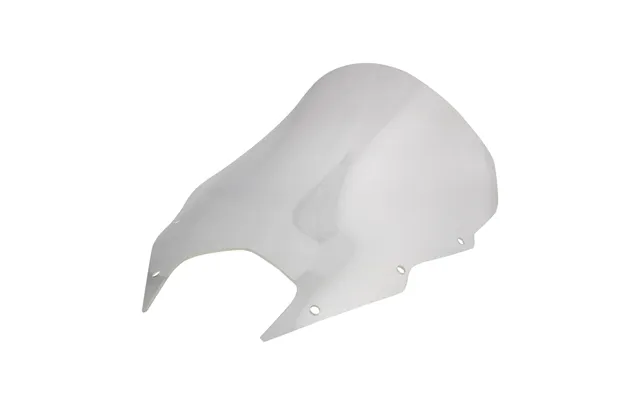
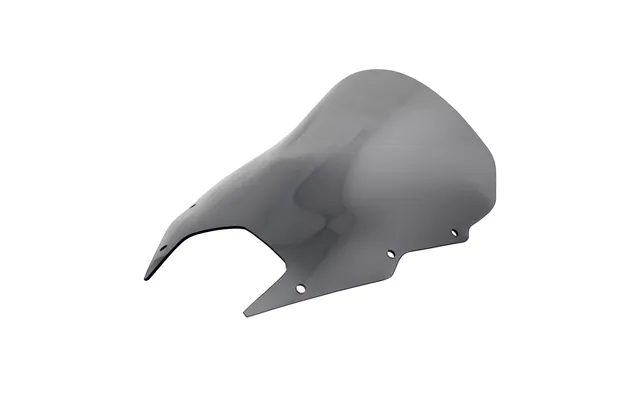
Side windows are typically tempered glass and come in various sizes — from small vent windows less than 6 inches across to large rear windows measuring several feet. Tempered glass shatters differently from laminated glass, so replacement must match the original spec for safety and legal compliance.
Power windows are convenient but add complexity. The core parts are the window motor, regulator (the mechanism that lifts and lowers the glass), and the switch assembly. A noisy motor, a window that drops suddenly, or a switch that won’t respond indicates the specific area to inspect. Often, replacing the regulator and motor together saves time and prevents repeat failures.
Cable-style regulators use a braided steel cable to move the window and are common on modern vehicles. Scissor-style regulators use a folding scissor mechanism and are more common in older models. If you’re buying a regulator, check whether the unit includes the mounting clips and whether the cable pulleys are reinforced — a weak pulley is a common failure point.
Before assuming the motor is dead, check the fuse and switch. If the motor hums but the window doesn’t move, the regulator is likely the issue. Motors are typically rated by voltage (12V systems in cars) and torque; if you frequently lift heavy glass (like heated rear screens), choose a motor with a bit more torque to reduce strain.
Small chips and star breaks — usually less than the size of a quarter — can often be repaired with a resin kit for around a few dollars to a few tens of dollars. But if the crack runs across the driver’s line of sight or exceeds a few inches, replacement is safer. Professional shops use urethane adhesives with specific curing times, ensuring a bond that can withstand impacts and temperatures from freezing to hot summer days.
DIY windscreen repair kits are good for preventing a chip from turning into a crack and are ideal for tiny surface damage. They won’t restore structural integrity like a full replacement, but as a stopgap they work well. Follow instructions closely: clean the area, apply resin, and cure under the recommended time — typically 10 to 30 minutes under sunlight or a UV lamp.
When you replace a windscreen, alignment and sensor mounting are critical. Modern windscreens often include mounts for rearview cameras, rain sensors, and heads-up display alignment. A proper installation uses the correct bead of urethane — usually about 1/2 inch to 3/4 inch wide — to seal the glass and keep it rigid in a crash.
Rubber seals and weatherstrips keep water out and reduce wind noise. Over time they harden, crack, or shrink, causing leaks and drafts. Window channels guide the glass and absorb vibration; a worn channel can make a window jam or rattle. Replacing a weatherstrip is often inexpensive but can dramatically improve comfort and reduce cabin noise.
EPDM rubber is common because it resists UV and ozone, but silicone and nitrile blends are used for higher heat applications. Look for seals with an adhesive backing or channels that clip into the door flange. If your vehicle is driven in cold climates, choose materials rated to resist temperatures well below freezing to avoid cracking.
Channels are often coated with felt or plastic to reduce friction. If a window grinds or sticks, inspect the channel for debris and the felt for wear. Replacing worn felt or a damaged guide rail can restore smooth operation and extend the life of the regulator motor.
Keeping glass clean is part of window health. Wiper blades should be changed every 6 to 12 months depending on climate and use; rubber blades degrade from sun and road grime. Washer pumps and jets can become clogged — a simple burst with compressed air often clears them. Heated windscreens and rear defoggers rely on embedded wires or conductive coatings; avoid using metal scrapers that can sever those lines.
Beam blades offer even pressure and are ideal for curved windscreens, while traditional frame blades are cheaper but can leave streaks on modern curved glass. Size matters: check your vehicle’s manual — typical blade lengths range from 14 inches to 28 inches — and replace with the same lengths for full coverage.
Tint films reduce glare, lower interior temperatures, and provide privacy. Films come in several shades measured by Visible Light Transmission (VLT); the lower the percentage, the darker the tint. Before tinting, check local regulations — many places limit tint darkness on the driver’s front side windows. Professionally installed films last longer and resist bubbling better than DIY kits.
Dyed films are affordable and provide aesthetics and UV blocking, while ceramic films offer superior heat rejection and optical clarity without interfering with electronics. Metallized films can interfere with radio signals, so choose wisely if you use in-car GPS and keyless entry systems extensively.
DIY can save money but requires steady hands and a clean environment. A small bubble or crease is hard to fix once the adhesive sets. Professionals typically warranty the installation, include edge sealing, and guarantee proper curing — worth considering if you want a flawless finish.
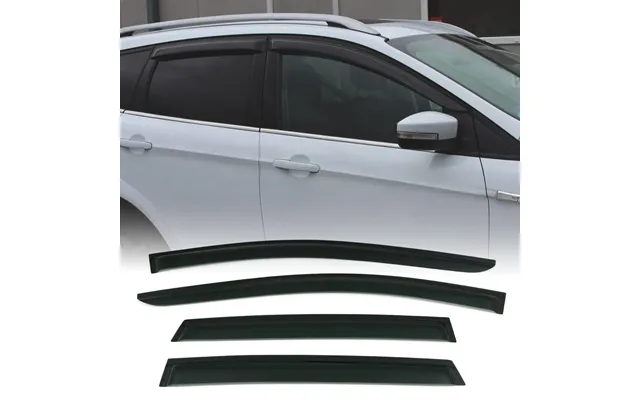
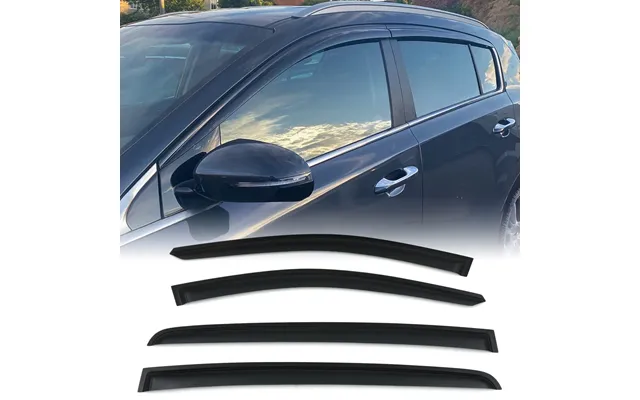
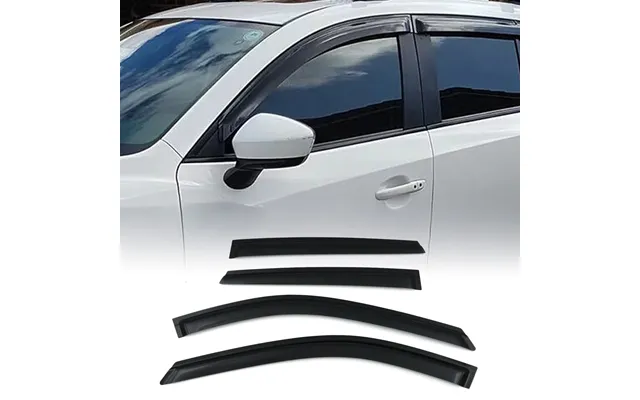
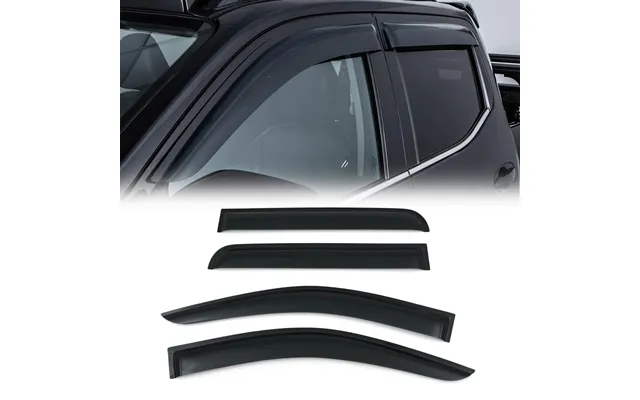
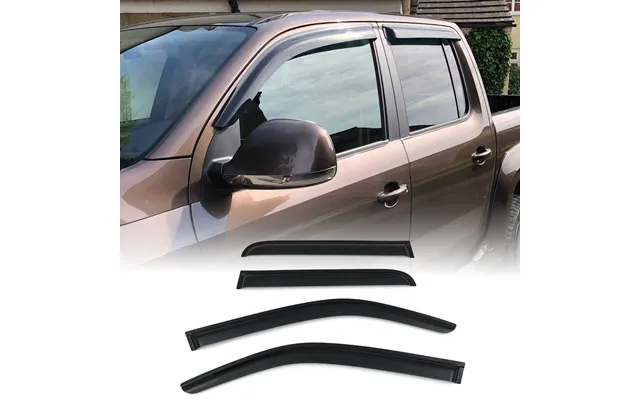
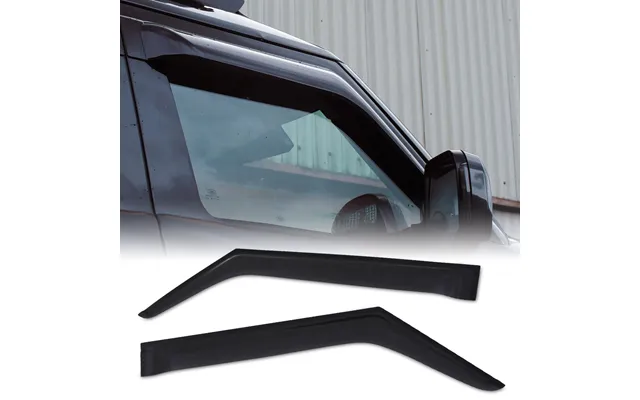
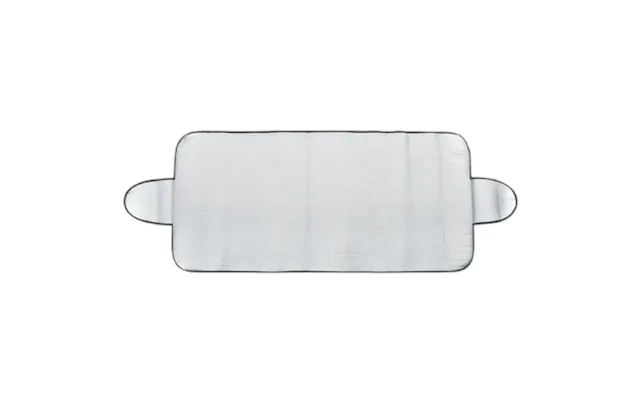
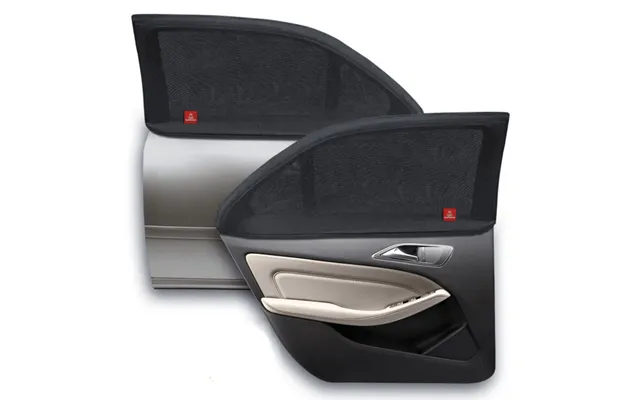
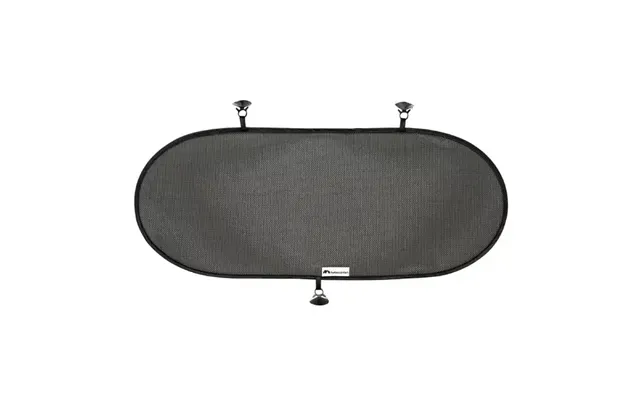
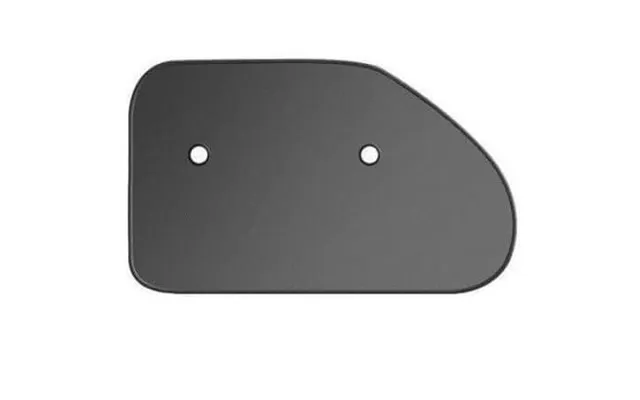
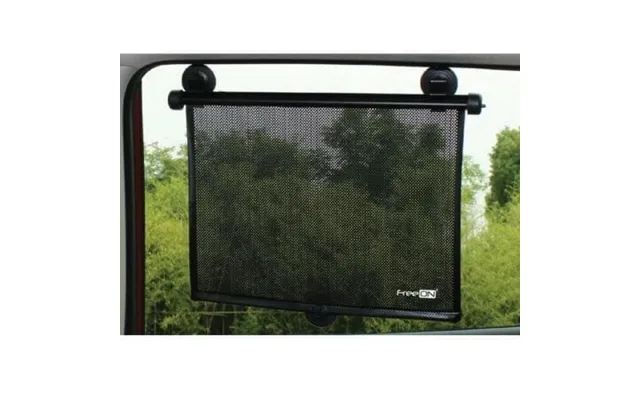
Window accessories can be practical and style-enhancing. Rain guards (also called vent visors) let you crack windows during rain, while UV-blocking sunshades can protect interiors on hot days. Door-mounted side window shields and anti-pinch protectors can enhance safety for children and pets. These add-ons are usually inexpensive but have a big comfort payoff.
Rain guards are typically installed on the top edge of side windows and allow fresh air in while keeping rain out. They are measured in inches for length and are either 3M-taped or clip-mounted. Choose a model that matches your door profile for a seamless look.
Security films can hold broken glass together after impact, reducing the risk of break-ins and debris. Thickness can range from 4 mil to 12 mil — thicker films offer more protection but may slightly reduce optical clarity. For fleet vehicles or high-risk areas, security film is a smart investment.
When shopping, prioritize fitment and warranty over the cheapest price. OEM-equivalent glass and regulators are typically designed to the same specs as the original and avoid surprises like missing sensor mounts or incorrect hole patterns. Aftermarket parts can offer savings but verify return policies and warranty terms before purchase.
Look for part numbers, supplier certifications, and material specs. For example, a windscreen that claims to be "universal" may not match the curvature or mounting points of your car. Measure the glass and note the sensor mounts; when in doubt, compare the new part against photos of your original.
If you plan to tackle window repairs yourself, invest in a quality trim removal set, a glass suction cup for handling panes (rated for at least 110 pounds), and a torque screwdriver for delicate fasteners. A UV lamp speeds resin curing for repairs and is cheap insurance against a botched fix.
A simple maintenance routine prevents many problems. Clean seals and channels every few months, lubricate regulators with a silicone spray (avoid heavy grease that attracts dirt), and replace wiper blades regularly. Inspect for small chips and repair them promptly; a small action now can prevent a full replacement later.
Before winter, test the defogger and ensure seals are flexible to avoid cracking in freezing temperatures. Before summer, check tint adhesives and sunshades to prevent bubbling in heat. Small seasonal checks take only a few minutes and save you headaches down the road.
Comparison platforms can be helpful to quickly scan prices, read reviews, and check fitment notes. Look for sites that provide clear part numbers, vehicle compatibility checks, and user-submitted photos. A good comparison can save time and point you toward high-quality sellers and installers in your area.
Beware listings without fitment information, vague return terms, or parts that list generic pictures that don’t match your vehicle. Also watch out for very short warranties — a one-month warranty on a windscreen is unusual. Trust sellers with clear images, part numbers, and a documented warranty.
Motor vehicle window parts and accessories may seem minor, but they influence safety, comfort, and your vehicle’s long-term value. From glass to motors, seals to tint, each choice matters. Invest in quality where it counts, perform simple maintenance, and use comparison tools to find the best deals. With the right parts and a little attention, your windows will keep doing their job — keeping you safe, comfortable, and connected to the road.
Whether you’re replacing a chipped windscreen, upgrading to ceramic tint, or fixing a stubborn power window, understanding the parts and their roles helps you make smart choices. Prioritize fitment, check specs, and don’t skimp on critical items like adhesive and sensors. With the right components and maintenance routine, you’ll avoid unexpected failures and keep your view of the road crystal clear.
| Motor Vehicle Window Parts & Accessories | Price | |
|---|---|---|
| Premium Parts Windscreen Tyre | £ 0,54 | |
| Car Retractable Sunshade - Black | £ 7,50 | |
| Car Sun Visor - 2 Pieces | £ 7,60 | |
| Car Window Sunshade - 1 Piece | £ 10,30 | |
| Royal Rascals - Car Sunshade | £ 22,80 |