All categories
Business & Offices
Electronics & Media
Fashion & Accessories
Groceries & Essentials
Health & Personal Care
Home & Living
Kids & Family
Sports & Outdoors
Search in ZoneOffer

Loading...
Your car's paint is more than just color — it's the first line of defense against rust, chips, and the elements, and it sets the tone for your ride. Choosing the right automotive paint affects longevity, resale value, and how you maintain the finish over time. Think of paint as a coat of armor that also happens to be a style statement; pick the wrong type and you might be redoing the job sooner than you'd like. I’ll walk you through the options, tools, and smart ways to find good deals so your paint job looks factory-fresh without breaking the bank.
Automotive paints come in several formulations and finishes, and knowing the differences will save you time and aggravation. Each type has pros and cons in durability, ease of application, and cost. Below are the common categories you’ll encounter when shopping for vehicle paint supplies.
Touch-up bottles and paint pens are the quickest fix for small chips and scratches, and they’re ideal for patching up minor damage on bumpers, doors, and mirrors. These typically come in small bottles of a few ounces and are great when color matching is tight. They’re not meant for large panels, but they’re a wallet-friendly way to stop rust from forming and keep the finish looking neat.
Spray cans are convenient for small panels or spot repairs where a spray gun isn’t practical. They’re easy to use — hold the can about 6 to 10 inches from the surface and apply light, even coats. Cans are best for partial repairs, not full resprays, but they’re a good middle ground between pens and professional gun systems.
The modern standard for automotive finishes is a basecoat/clearcoat system. The basecoat provides color while the clearcoat gives gloss and UV protection. Applied with a spray gun, this system yields deep, reflective finishes and is what most OEM shops use. It’s more complex than single-stage paint because you need to cure and polish the clear layer for best results.
Single-stage paint combines color and gloss in one product, making application simpler, especially for DIYers. It’s perfect for classic cars or those who want a simple respray without the extra step of clearcoating. It won’t offer quite the same depth or UV resistance as a quality basecoat/clearcoat setup, but it’s forgiving and less labor-intensive.
Special effects like metallic and pearlescent finishes add complexity and cost because they require precise layering and often a clearcoat to protect the effect. Matte paints create a flat look that hides minor imperfections but can be unforgiving to repair. If you’re chasing a unique finish, be prepared to practice color control and invest in quality products designed for those effects.
Even if you’re not a pro, assembling the right set of products makes a huge difference. From primers to protective topcoats, each component plays a role in adhesion, durability, and appearance. Below are the staples you should consider for any paint project.
Primer is the foundation — it improves adhesion, hides imperfections, and helps prevent corrosion. Use an etching primer on bare metal, a high-build primer to smooth out damaged panels, and a sealer before color coats if necessary. Primers in aerosol form are handy for small areas, while gallons of primer are better for full panels or multiple repairs.
Clear coat is the glossy, protective layer that sits on top of the color. Good clears resist UV rays, salt, and minor abrasion. You can get clears in aerosol tins for touch-ups or in quart/ gallon sizes for full jobs. Two- or three-stage clears (with hardeners) will cure more completely and are recommended if you want a durable, high-gloss finish.
Sanding is half the job. You’ll need a range from coarse grits for rust removal to fine grits for pre-polish — think 80 to 2,500 grit equivalents, but in practice you commonly use 320 to 1,200 for paint prep and finish sanding. Wet sanding with fine grit helps level out clear coat runs and prepares the surface for polishing. Good abrasives make the paint lay down smoother and reduce the time you spend buffing.
Masking is about patience: use quality paper, pre-taped edges, and automotive-grade masking tape to protect trim and glass. Proper masking keeps overspray off neighboring panels and prevents the need to rework edges. Don’t rush this step — clean masked edges are the mark of a professional-looking job.
Your lungs matter. Use a respirator rated for organic vapors and particulates, gloves, and safety glasses. Paint solvents can be harsh; a good respirator and nitrile gloves will protect you during mixing, spraying, and cleanup. PPE is non-negotiable when working with automotive paints.
The tool you use shapes your result. From inexpensive spray cans to high-end spray guns, choose equipment that matches the scale of your project and your budget. Below are common tools and when to use them.
High-volume, low-pressure (HVLP) spray guns are the go-to for most DIY and professional paint jobs because they deliver good transfer efficiency and reduce overspray. For full panels, invest in a quality HVLP gun and a compressor that can deliver steady airflow. Gun setup and nozzle size depend on whether you’re spraying primer, basecoat, or clear.
For fine detailing, scratches, and small chips, touch-up pens and airbrushes give you control a spray gun can’t match. They’re perfect for paint matching small areas and for applying thin, precise layers without risk of runs. Airbrushes are also great for custom accents and murals.
Accessories like spray can extension nozzles, fans, and gun-style can holders can make aerosol application steadier and more controlled. They reduce finger fatigue and help you achieve smoother, more consistent coats than spraying freehand from the can alone.
Accurate mixing and color matching matter. Scale and mixing cups marked in ounces are essential for getting hardener-to-paint ratios right. Consider a portable spectrophotometer or getting a professional color match from a body shop for tricky shades. Small errors in mixing can cause color shift or poor curing, so measure precisely.
Color matching is a little like cooking — the right recipe makes everything taste, or in this case, look, better. A slightly off color can be obvious on a large panel, so take the time to match properly and use test panels to verify under real light.
Most vehicles have a paint code stamped on a plate in the door jamb, under the hood, or in the trunk. That code is your fastest route to an accurate match. If you can’t find the code, chip samples or painted panel fragments can help a supplier get you close.
Digital color matching tools can scan a panel and generate a formula, but results vary depending on lighting and the scanner. Always spray a small sample panel and let it cure before making a final call. Digital tools speed things up, but a visual check in daylight is essential.
Spray a test panel and view it from different angles and under natural light. Metallic and pearlescent finishes reveal themselves differently depending on angle and thickness, so this step can save you from a costly mismatch on the car itself.
How much will it cost? That depends on scope. A pint of touch-up paint may run a handful of dollars, while a full basecoat/clearcoat kit for a single panel could be tens to hundreds of dollars. Understanding cost drivers helps you find the best value without compromising quality.
Touch-ups are cheap — a few ounces to a pint of paint and a little clear coat might be enough for small repairs. A full respray, on the other hand, requires gallons of primer, color, and clear, plus tape, sandpaper, and possibly bodywork. Labor is the real cost if you hire a pro, but even DIYers should count the price of wasted material from trial-and-error.
If you’ve got multiple repairs or are repainting several panels, buying quart or gallon sizes saves money per ounce. Conversely, for single small repairs, aerosols or touch-up bottles are cheaper and reduce waste. Think ahead: leftover paint stores well if sealed correctly, so buying a small extra quantity can be smart.
Comparison sites are useful for spotting discounts on brands, kits, and accessories; they help you compare prices and find local stock quickly. Look for verified sellers, customer reviews, and clear return terms before you buy. A good comparison strategy can shave significant dollars off a large project.
Whether you’re patching a chip or repainting a door, the workflow matters. Below are simple, step-by-step approaches for a quick touch-up and a more involved full repaint.
Start by cleaning the area with soap and a degreaser, then sand the chip lightly to remove rust. Prime if bare metal is exposed, then apply thin coats of touch-up paint, letting each dry per directions. Finish with a small clear coat layer and wet-sand and polish after curing if needed. This process takes less time and is perfect for preserving existing finish.
For a full repaint, strip or sand the old paint, repair dents, apply etch primer to bare metal, then high-build primer to level the surface. Block-sand smooth, apply sealer, then spray multiple thin basecoat layers until uniform. After the basecoat dries, apply two to three coats of clear, allow proper cure time, then wet-sand and buff to final gloss. Full repaints are labor-intensive but give the best, longest-lasting results.
Once you’ve invested time and money into a paint job, protect it. Regular care keeps the finish vibrant and extends the life of the paint system. Think of maintenance as applying sunscreen and polish to your car’s skin.
Wash with a car-specific soap using the two-bucket method to avoid scratching, and dry with a microfiber towel. Wax or use a durable sealant every few months to protect the clear coat from UV and road contaminants. A coat of wax is inexpensive insurance against dulling and minor chemical damage.
Ceramic coatings form a harder, hydrophobic layer over clear coat and can extend gloss and ease of cleaning for years. They’re more expensive than wax but offer longer-term protection. Apply ceramic to a properly polished surface for the best bond and longevity.
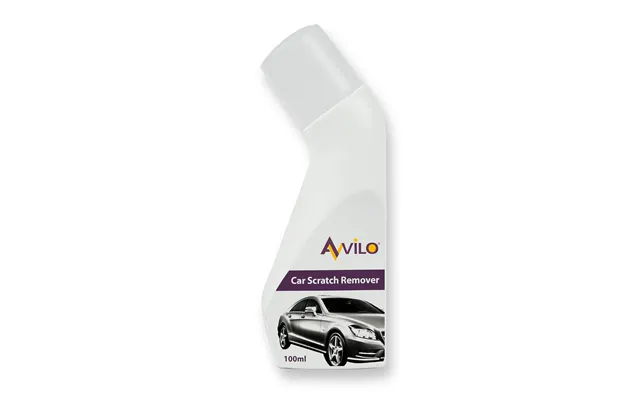
Address chips quickly to prevent rust; touch-up paint is ideal for this purpose. For light scratches, polishing compounds and scratch removers can often restore the surface. Larger damage requires sanding and repainting, so catch problems early.
There are many reputable manufacturers of automotive paints and supplies. While price matters, consistency and finish quality often come down to brand reliability and product formulation. Below are categories of brands to explore depending on your needs.
Look for established automotive paint brands that offer color codes, detailed mixing instructions, and a range of sizes from touch-up pens to gallons. Many shops and DIYers favor brands with strong color-matching systems and good clear coat compatibility.
For sanding, masking, and polishing, 3M-like abrasive systems, quality masking tapes, and trusted polishes and pads make the job easier and provide a predictable finish. Investing in good prep and finishing products often pays off more than upgrading to the most expensive paint alone.
Before buying, read reviews and comparison pages that aggregate offers and user feedback. They help you compare price points for items like spray guns, paints, and PPE across multiple sellers. Verified user photos and long-form reviews are especially helpful when evaluating color accuracy and coverage.
Painting a vehicle is part art, part science, and part project management. Whether you’re doing a quick touch-up or a full repaint, knowing which products to use, how to prep, and what tools to buy will save time and produce better results. Take your time with color matching, invest in essentials like primer and clear coat, and protect your work with proper maintenance. With the right approach, you’ll get a finish that looks great and holds up for years.