All categories
Business & Offices
Electronics & Media
Fashion & Accessories
Groceries & Essentials
Health & Personal Care
Home & Living
Kids & Family
Sports & Outdoors
Search in ZoneOffer

Loading...
You never plan for a breakdown or an accident, but being prepared makes a night-and-day difference. Whether you’re commuting across town or driving 50 miles on the motorway, the right kit can keep you calm, keep you visible, and even save a life. Think of vehicle safety equipment as a small insurance policy you carry in the boot — not optional, just smart.
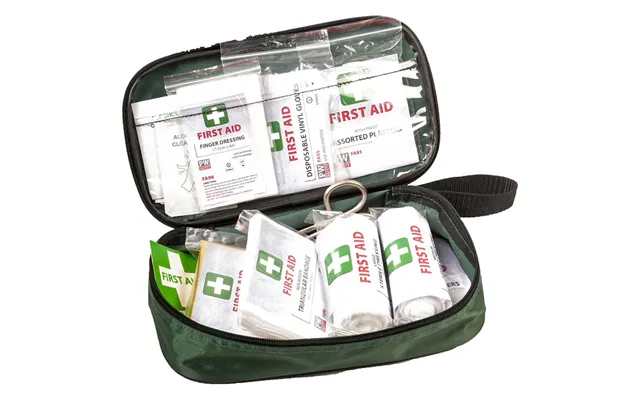
A compact first aid kit should be the first thing you check. Look for kits that include bandages, sterile dressings, trauma shears, and burn dressings. A glovebox-sized kit measuring roughly 8 inches by 5 inches won’t take up much room but can handle cuts and scrapes until professional help arrives. Replace used or expired items regularly so you’re never caught short.
Broken down on the hard shoulder? A reflective warning triangle placed about 150 feet behind your car warns approaching drivers in plenty of time. Lightweight and foldable triangles slip easily into a side panel or under the floor of the boot. Choose one with high-visibility markings and sturdy feet so wind won’t topple it at motorway speeds.
A fluorescent vest can be a small item with a huge impact. In low light or bad weather you want oncoming traffic to spot you from a distance — think 500 feet or more. Keep one for every occupant of the vehicle and store them within easy reach, not buried in the boot.
A compact foam or dry powder extinguisher rated for vehicle use is a wise addition. Look for a unit around 2 to 4 pounds that’s easy to operate and comes with a secure mounting bracket. If a fire is small and contained — an engine bay smoulder or a seat upholstery flare-up — a quick, controlled response can prevent much worse.
Instead of waiting for roadside assistance or flagging down another driver, carry a 12V portable jump starter. Many modern units weigh around 2 to 4 pounds and come with integrated jumper leads extending 3 to 4 feet. Pick a model with a peak amperage suitable for your vehicle (for most petrol cars, 400 to 800 amps is common) and additional USB ports to charge phones in an emergency.
A portable 12V compressor that delivers up to 150 PSI and includes a 10-foot hose is a lifesaver after a slow leak. Some models combine a sealant function for temporary repairs; others work with standard tyre pressure gauges so you can set the correct pressure in PSI. Compact compressors are generally 6 to 10 inches long and fit neatly in the boot.
Dash cams have moved from niche gadget to mainstream safety tool. A forward-facing camera recording at 1080p or above captures incidents in real time and preserves context for insurers or police. Consider models with a wide-angle lens (120 degrees or more), loop recording, and parking mode to record while you’re away from the car. Many are under a few inches tall and mount discreetly behind the rear-view mirror.
Maintaining correct tyre pressure improves handling, reduces wear, and increases fuel economy. A wireless TPMS that displays PSI for each tyre gives you instant alerts if pressure drops. Look for systems that show both pressure and temperature, and that allow you to set threshold alarms so you can stop before a minor problem becomes a blowout.
Modern jump starters often double as high-capacity power banks. If you’re stranded with a flat phone battery, a 10,000 mAh power bank can revive your phone for calls or GPS. Many units include USB-C and USB-A ports and can be recharged from a household outlet overnight.
In a rollover or submerged vehicle, power to retractors may fail. A compact rescue tool with a concealed blade and a glass breaker tip should be stored within arm’s reach — think on the centre console or door pocket. These gadgets are inexpensive, require no power, and could buy you crucial seconds in an emergency.
A small toolkit with screwdrivers, pliers, an adjustable wrench, and a multi-bit ratchet helps with simple repairs like tightening a battery terminal or removing a hubcap. Aim for tools that fit into a neat roll-up pouch about 12 inches wide so you can access them quickly without digging through other items.
If you drive in colder regions, an extendable ice scraper and a foldable snow shovel are essential. The scraper should be at least 10 inches wide with a sturdy handle; a compact shovel that packs down to about 18 inches helps clear snow around tyres. Store them where they won’t freeze solid to other items — keep them in a dry bag or a designated compartment.
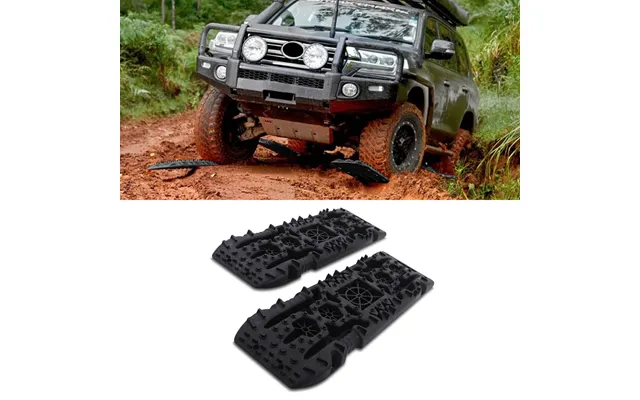
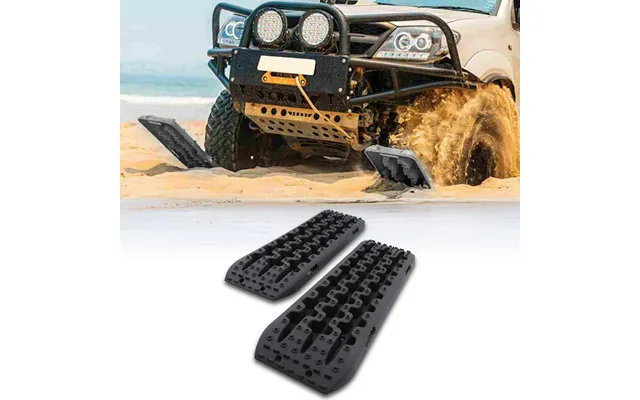
Traction mats slide under spinning tyres and provide enough bite to get you moving on slush or mud. They’re lightweight and take up little space. For severe winter conditions, consider snow chains sized to your tyre width and diameter; these are heavier but massively increase control on icy roads. Check legal requirements and fit practice before you need them at the roadside.
For parents, selecting the correct child seat is one of the most important safety purchases. Seats are rated by weight and height; a rear-facing seat for infants up to 22 to 33 pounds reduces spinal stress in a collision. Look for ISOFIX-compatible options if your vehicle supports them, and always follow fitting instructions — a loose seat is far less effective.
Booster seats raise a child so the adult seatbelt fits correctly across the shoulder and lap rather than the neck or stomach. Most booster seats are suitable from about 40 to 80 pounds depending on local regulations and the child’s height. A well-fitted booster dramatically reduces the risk of internal injuries in an impact.
Buying the most expensive kit isn’t always necessary. Choose products that match your car’s engine (diesel vs petrol), the size of your vehicle, and your typical journeys. If you often drive long miles on motorways, invest in a robust jump starter and a high-quality tyre inflator. If you mostly do short city trips, focus on lightweight portable items that suit small storage spaces.
Safety certifications, consumer reviews, and clear warranty terms should guide your choice. Certifications such as CE marking or manufacturer test reports give extra confidence. Read multiple reviews to spot recurring strengths or weaknesses — a single glowing review won’t tell you whether a device is durable over time.
Make a habit of checking your kit every six months. Replace expired first aid items, test batteries in jump starters and torches, and confirm that tyre inflator seals and hoses are intact. Store items in dry, secured places — moisture and rough handling shorten the lifespan of many products.
Adjust what you carry with the seasons. Swap summer items for winter gear as temperatures drop: add a heavier blanket, a hot drink flask, and more insulation. Keep spare cash and charging cables all year round. A small checklist stuck to the inside of the boot lid helps ensure nothing essential is missing when you need it most.
Some items, like first aid kits and reflective vests, are inexpensive but non-negotiable. For power tools like jump starters and TPMS, balance features against cost: a mid-range jump starter with 600 to 800 peak amps and safety protections will suit most drivers without breaking the bank. Spend more where reliability and performance directly affect safety, and save on basic consumables.
Compare product specifications — peak amps for starters, PSI range for compressors, and camera resolution for dash cams — rather than focusing only on brand names. Look for bundles that combine several essentials (for example, a jump starter plus compressor) for better value. Check return and warranty terms before you buy, and keep receipts or order confirmations in a dedicated folder or app for quick reference.
Here’s a practical checklist to keep in your car: a first aid kit, warning triangle, two hi-vis vests, a 2 to 4 pound fire extinguisher, a 12V jump starter, a portable tyre inflator, a dash cam, a seatbelt cutter/window breaker, gloves, a torch, and a basic toolkit. Depending on your needs, add items like a thermal blanket, traction mats, and a child car seat. Store everything logically so you can grab essentials quickly.
Familiarize yourself with how each item works before you need it. Practice using the jump starter, inflate a tyre with the compressor, and set up the warning triangle. If you’ve never fitted a child seat or used snow chains, practise in your driveway so you’re competent and confident when it matters.
Vehicle safety equipment isn’t about panic or paranoia — it’s about being sensible and prepared. The right mix of essentials, tailored to your car and your routes, turns an unexpected roadside situation from a crisis into an inconvenience you can manage. A little prep goes a long way toward keeping you, your passengers, and other road users safe.
Keep this guide handy, assemble the kit that fits your life, and check it regularly. Your future self on the hard shoulder will thank you.
Conclusion: Investing time and a modest budget in quality vehicle safety equipment is one of the smartest things you can do as a driver. From a basic first aid kit to a powerful jump starter and a reliable dash cam, each item plays a role in preventing small problems from becoming big ones. Stay visible, stay powered, stay prepared — and enjoy the confidence that comes with being ready for the road.

| £ 37,37 |
| Oribit D400 11.8in Rearview Mir | £ 280,74 |