






All categories
Business & Offices
Electronics & Media
Fashion & Accessories
Groceries & Essentials
Health & Personal Care
Home & Living
Kids & Family
Sports & Outdoors
Search in ZoneOffer

Loading...
Ever tried squeezing a bike, a kayak, and a week’s worth of luggage into a cramped boot? If so, you know that the right car rack accessories can feel like adding an extra room to your vehicle. These tools turn your car into a flexible cargo hauler, a weekend sports rig, or a tradesperson’s mobile workshop. In the UK market, finding the right motor vehicle carrying rack accessories—roof racks, bike carriers, cargo boxes, and secure mounts—can save time, stress, and money. This guide walks you through the must-have products, how to choose them, and where to find the best deals.
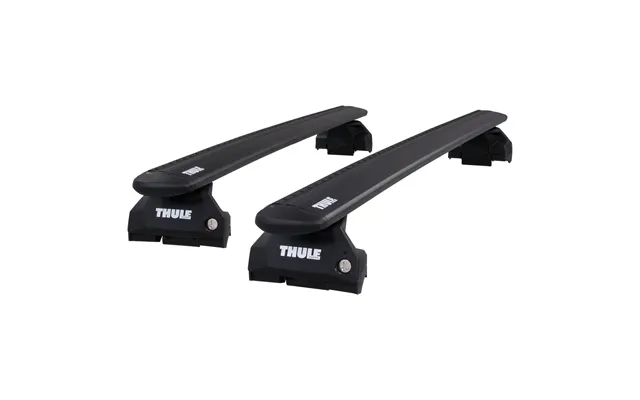
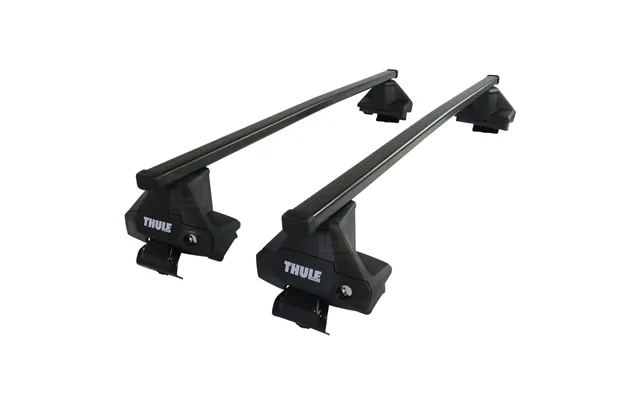
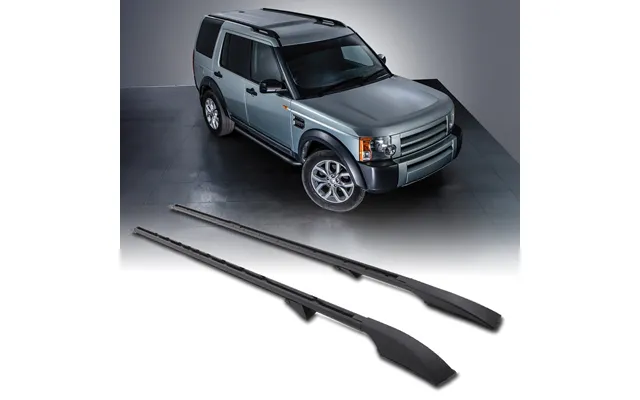
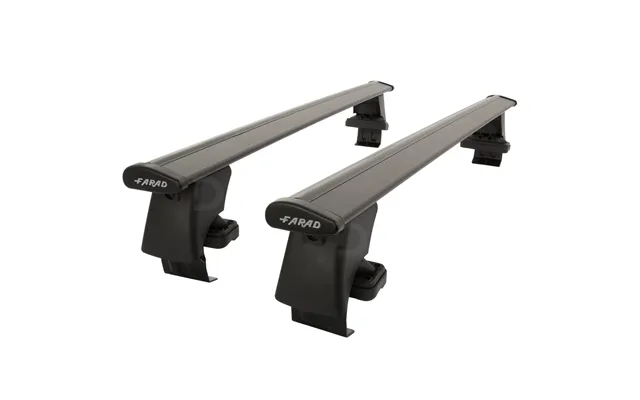
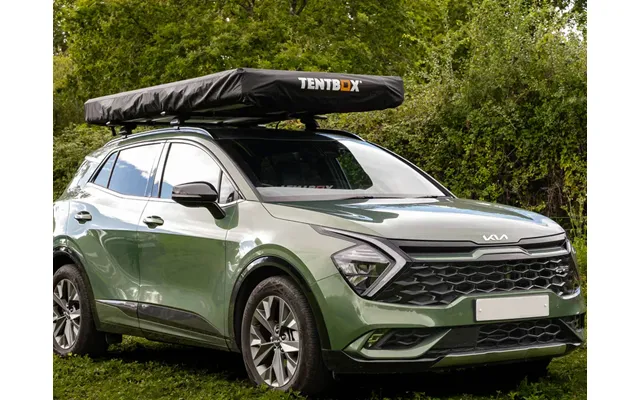
Roof racks and crossbars are the backbone of vehicle cargo systems. They sit across your roof and give you a platform to attach other accessories, from cargo boxes to bike mounts. Think of crossbars as the skeletal frame—sturdy, modular, and often adjustable in width. Brands typically list load capacities in pounds, so always check your vehicle manual to match roof load limits with accessory specs.
Bike carriers come in several flavors—roof-mounted, hitch-mounted, and trunk-mounted. Roof bike racks hold bikes upright using a wheel tray or fork mount, while hitch racks usually tilt to give you boot access. If you cycle a lot, go for a model that secures both wheel and frame and includes a lock or security cable. A solid bike rack can make your bike feel as safe as if it were in your living room—if your living room were bolted to your car.
Kayak carriers are designed to cradle boats securely. Options include saddles, J-cradles, and foam block systems. Saddles cushion the hull and often tie down with straps; J-cradles let you carry kayaks on edge to reduce roof space. If you’re a weekend paddler, don’t underestimate the difference between a wobbly strap and a well-designed carrier—you’ll thank yourself after 30 miles on the motorway.
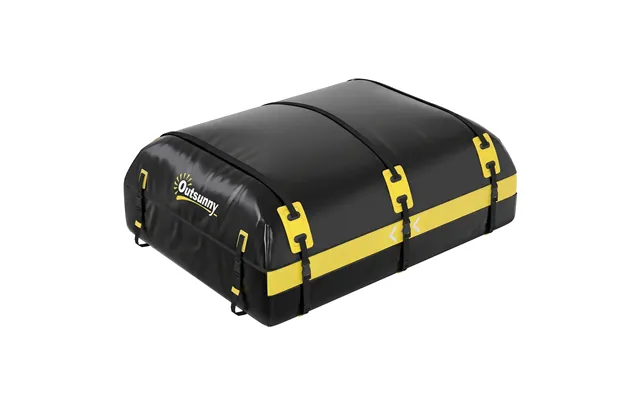
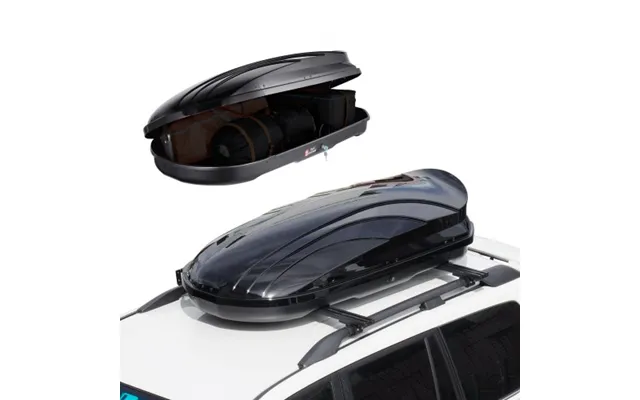
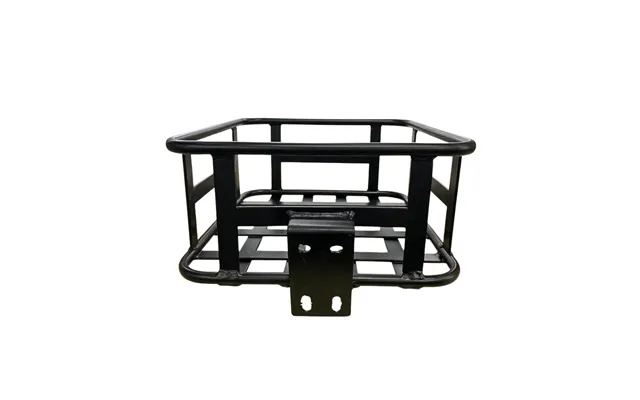
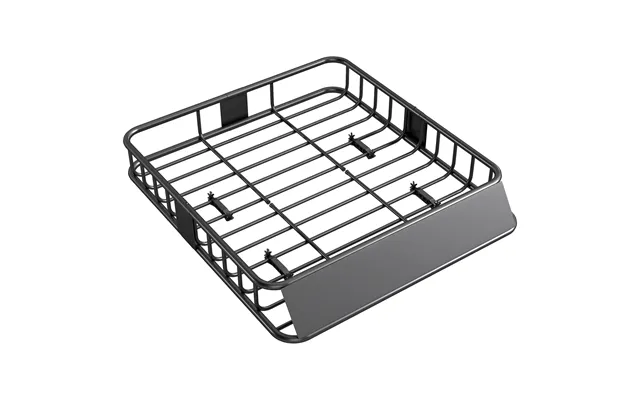
Want dry, lockable storage? Cargo boxes are the answer. They keep luggage safe from rain and theft, expanding your vehicle’s usable space by several cubic feet. If you prefer an open solution, roof baskets give you versatile capacity for awkward loads like camping chairs or building materials. Both options are weather-resistant and commonly measured in cubic feet; pick a size that complements your roof bar spacing and garage height.
Small bits make a big difference: locking mounts, tie-down straps, and anti-theft bolts prevent the heartbreak of seeing a lost bike or rooftop box disappear. Look for keyed locks that integrate with your rack system and heavy-duty straps rated for outdoor use. These extras are like seatbelts for your cargo—essential safety gear, not optional bling.
Choosing the right rack starts with two questions: what do you want to carry, and what does your vehicle allow? Check your owner’s manual for the roof load limit—many passenger cars limit roof loads to around 165 to 220 lbs. Next, measure roof width and any gap for fitment, and decide whether you need a permanent hitch or a removable system. For city driving, a slim-profile rack reduces wind noise; for off-road or long trips, prioritize durability and locking features.
Always match accessory capacity to both the item and the vehicle’s roof limit. A cargo box might be rated to hold 110 lbs, but if your car’s roof rating is 165 lbs, subtract the weight of the bars and the box itself before loading. Think of load limits like a budget—you’ve got a fixed allowance and multiple expenses to cover.
Aluminum and steel are the dominant materials. Aluminum offers corrosion resistance and light weight, while steel brings raw strength but needs good coating to resist rust. For accessories that stay outside year-round, choose powder-coated finishes and UV-resistant plastics to prevent cracking and color fade. Salt and winter roads in the UK are kinder to aluminum, so many buyers opt for that when coastal trips are common.
Some crossbars clamp on with basic tools, others offer tool-free tightening. If you want to swap gear often, consider quick-release mounts. Installation ease also affects resale value—if a neighbor can fit it in ten minutes, they’ll be more likely to buy your setup second-hand when you upgrade.
While choices vary, a few manufacturers consistently rank well: Thule, Yakima, and Rhino-Rack are popular for build quality and accessory ecosystems. Budget brands also offer competitive features, but you’ll often trade warranty length and refinement. Use comparison sites to scan prices and user reviews side-by-side to find the best option for your budget and needs. Remember, the cheapest rack today might cost you more in stress and replacement parts down the road.
Prices vary widely depending on type and build. Basic crossbar kits for small cars can start around £80, mid-range roof boxes range from £200 to £500, and premium bike or hitch racks can exceed £600. If you’re on a budget, consider buying bars and an accessory separately—many users find better long-term value by investing in sturdy crossbars and swapping out attachments as needed. Seasonal sales—think spring and late summer—often bring discounts on outdoor equipment, so timing your purchase can save a tidy sum.
Install racks on a calm day and double-check torque settings using a small torque wrench if the manufacturer provides values. Periodically inspect bolts, checking for looseness and corrosion; a quick visual check before every long journey can prevent major mishaps. Clean salt and grime off metal parts after winter trips to reduce wear, and lubricate locks and moving parts once a year with a dry lubricant to keep things operating smoothly.
Safety is non-negotiable. Ensure loads don’t obscure lights or number plates, and secure long items with flags or reflective markers. The Highway Code expects drivers to secure loads so they don’t fall off; penalties can include fines and points if a load causes danger. Also note that roof-mounted loads change vehicle handling—expect more wind noise and a higher center of gravity, especially in crosswinds. Drive a bit more cautiously with heavy loads and reduce speed when necessary.
If you’re ferrying groceries or occasional luggage, a compact roof box or a lightweight roof basket will do wonders. A slim box reduces drag and improves fuel economy versus a large, bulky alternative. For city dwellers, low-profile solutions that fit in garages are ideal.
Serious cyclists should look for racks that lock the wheel and frame and include anti-rotation systems for stability at highway speeds. If you have high-end bikes, matching rack locks to your bike’s security needs is essential; a flimsy cable won’t cut it in busy parking spots.
A J-cradle or saddle setup helps protect hulls and makes loading easier—some systems allow loading by one person using a rocker or pulley. If you rack often, consider padding and strap guides to speed up the lash-up process. Stability on highways is key, so choose carriers designed for your watercraft’s weight and length.
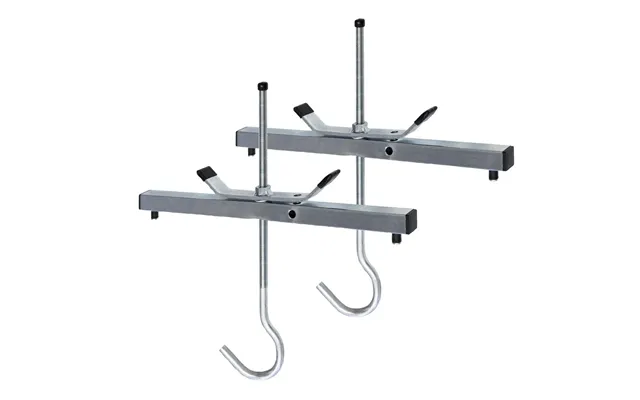
For ladders, timber, and long tools, a combination of sturdy crossbars and a ladder carrier is ideal. Look for systems with reinforced tie-down points and the capacity to secure point loads without bending the bars. For predictable trips, a fixed rack that’s rated for heavier loads might be a better long-term investment than a lightweight removable kit.
How do you find the best motor vehicle carrying rack accessories price list? Start by listing what you need—capacity, type, and compatibility—and then compare across retailers and manufacturers. A comparison site can help you scan current offers and price histories quickly, showing seasonal deals and bundled packages. Don’t forget to factor in shipping and fitment costs if professional installation is needed. Also, read customer reviews—real-world feedback often flags fitment quirks or noise issues nobody mentions on the spec sheet.
Making a sustainable choice reduces future waste and often saves money. Look for racks made from recyclable materials and brands offering replacement parts. A modular system that allows you to add accessories instead of buying a whole new rack is both eco-friendly and wallet-friendly. Treat your rack like a piece of outdoor gear: a little care during its life will keep it out of landfill and in service for years.
Before clicking buy, run through a quick checklist: confirm vehicle compatibility, verify total load capacity (including rack weight), measure for garage clearance, check noise and aerodynamic reviews, and ensure the warranty covers the parts you care about. If in doubt, contact a professional fitter to confirm fitment—investing a little certainty now prevents costly returns or unsafe setups later.
Choosing the right motor vehicle carrying rack accessories transforms how you use your car, unlocking weekend adventures, efficient commutes, and jobsite convenience. Think of accessories as extensions of your vehicle—designed thoughtfully, they make life easier and more flexible. Use the guidance here to identify the right type, balance price with quality, and keep safety front and center. Compare deals, check fitment, and don’t skimp on locks and straps—your gear and your peace of mind depend on it.
| Motor Vehicle Carrying Rack Accessories | Price | |
|---|---|---|
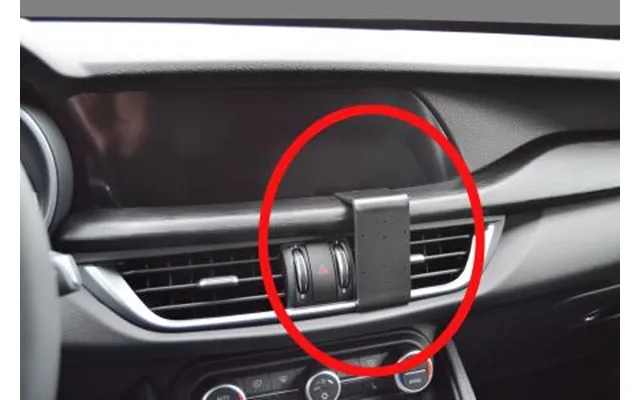
| Brodit 855349 Holder Passive Holder Mobile Phone Smartphone Black | £ 36,64 | |
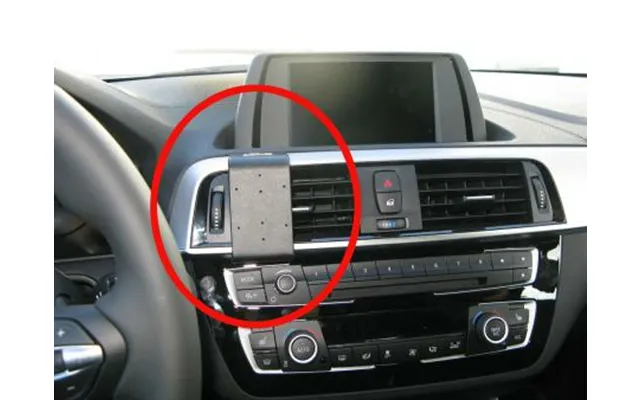
| Brodit 855355 Holder Passive Holder Mobile Computer. Mobile Phone Smar | £ 36,64 | |
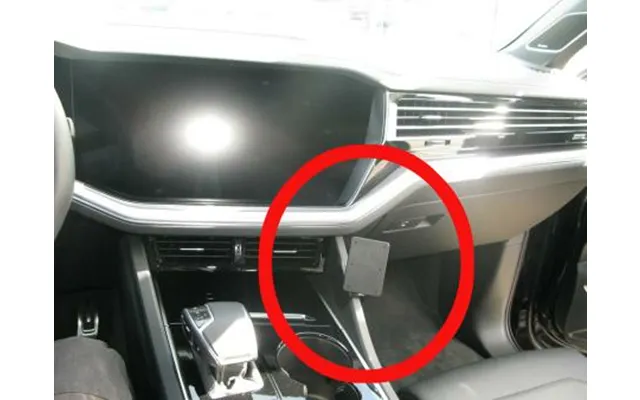
| Brodit 855424 Holder Passive Holder Mobile Computer. Mobile Phone Smar | £ 36,64 |
