All categories
Business & Offices
Electronics & Media
Fashion & Accessories
Groceries & Essentials
Health & Personal Care
Home & Living
Kids & Family
Sports & Outdoors
Search in ZoneOffer
Loading...
Think of a loading ramp as the bridge between your vehicle and the task at hand. Pick a weak bridge and everything comes crashing down; pick a solid one and your job flows. Whether you’re loading a motorcycle into a trailer, driving a mobility scooter into a van, or shifting a small tractor onto a trailer, the ramp you pick affects safety, speed, and peace of mind. A well-chosen ramp protects your equipment, prevents injuries, and can save you time on every job.
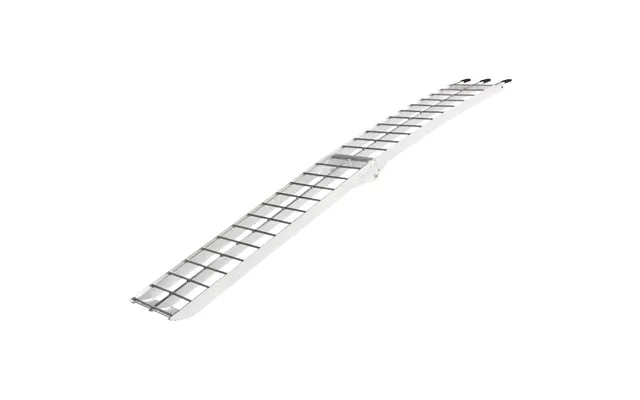
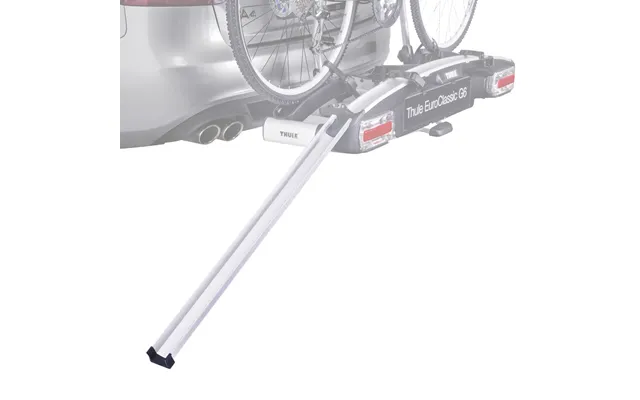
Ramps aren’t one-size-fits-all. Different designs serve different needs: from lightweight, foldable ramps for weekend riders to heavyweight steel ramps for commercial vans. Understanding types helps you match a ramp to the job without overpaying for features you don’t need.
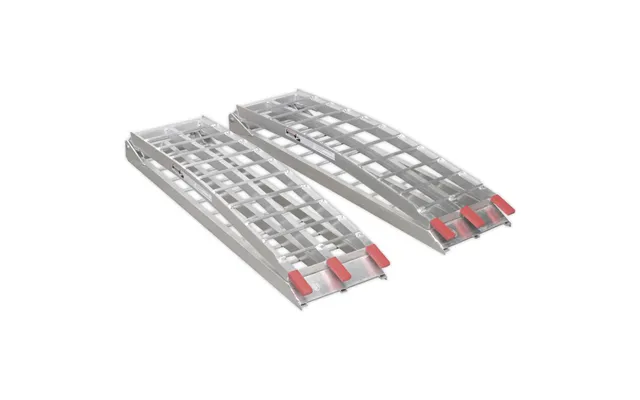
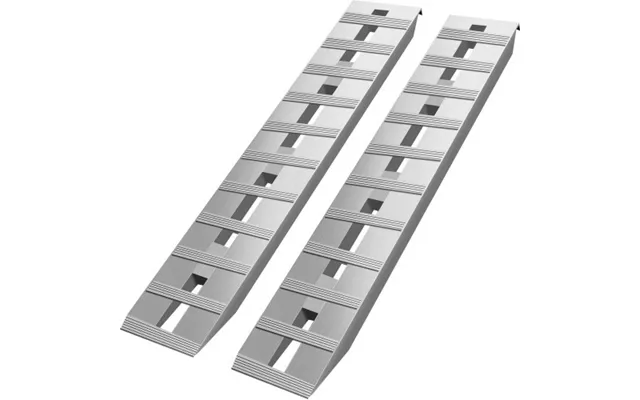
Aluminum ramps are the go-to for motorcycles, ATVs, and light equipment. They’re generally lighter than steel — often weighing between 20 lb and 80 lb for common models — which makes them easy to lift into the back of a truck. Aluminum won’t rust, so they’re ideal if you work outdoors or near salt. Typical capacity ranges from 1,500 lb up to about 3,000 lb per ramp section, though combined setups can handle more.
If you’re hauling vehicles that weigh several thousand pounds, steel ramps give you the strength you need. They tend to be heavier — sometimes 100 lb or more — but offer higher load capacities, commonly 3,000 lb to 6,000 lb per ramp or even higher for reinforced models. Steel ramps are the pick for vans, SUVs, lawn tractors, and construction gear when maximum strength matters.
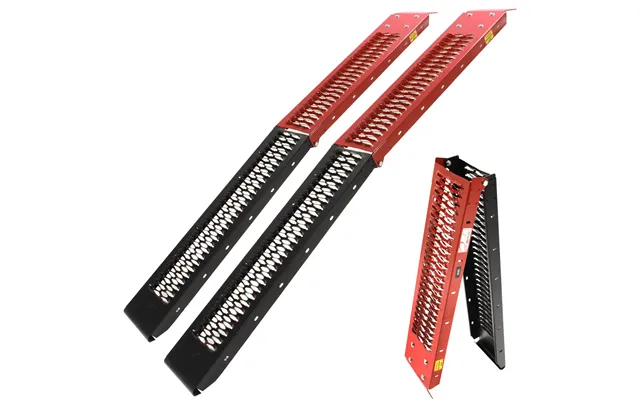
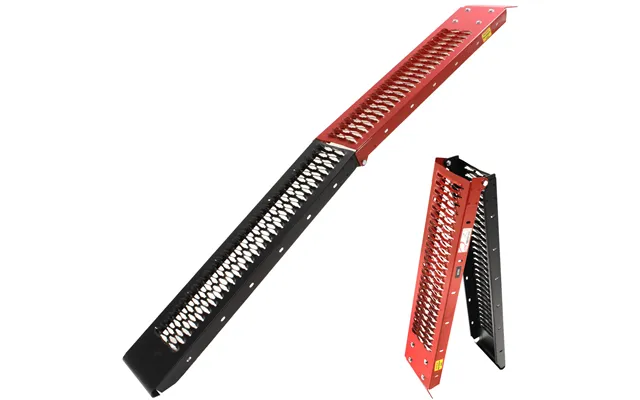
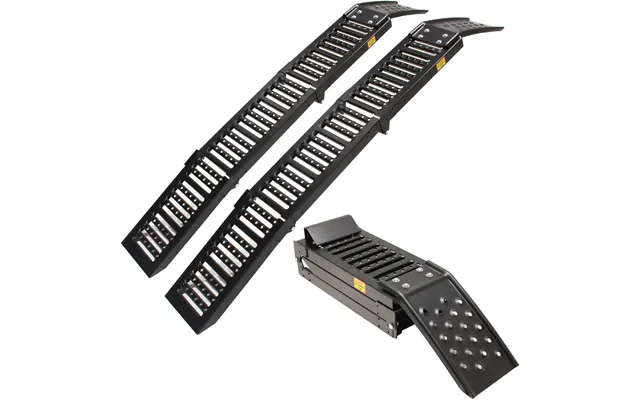
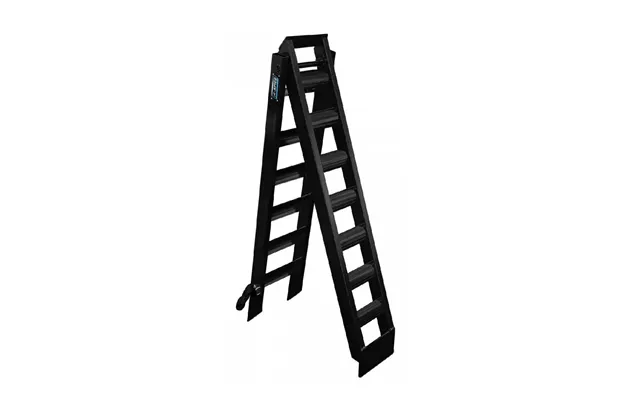
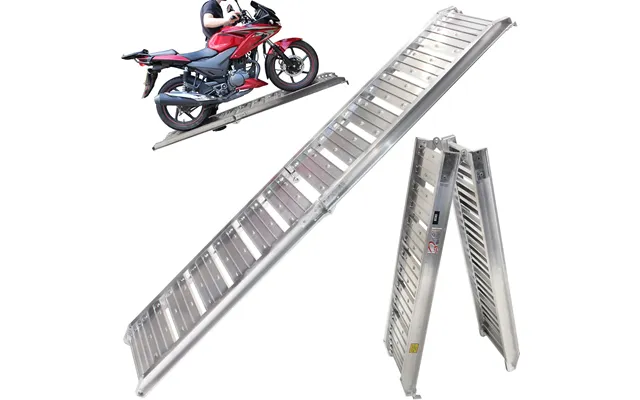
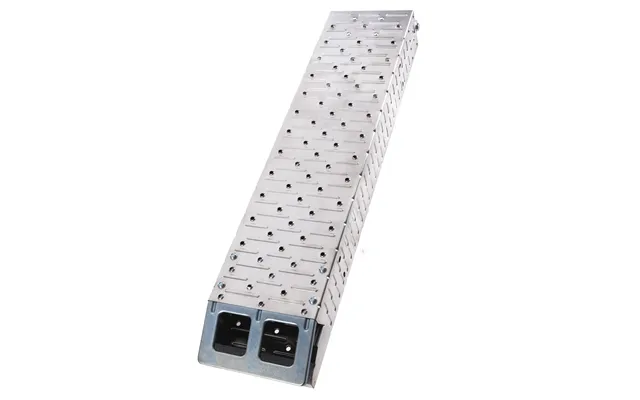
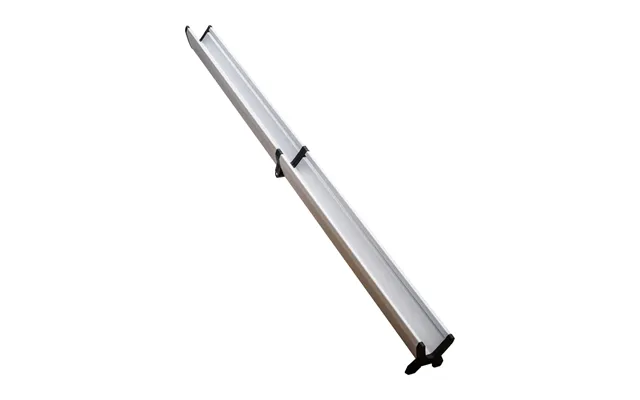
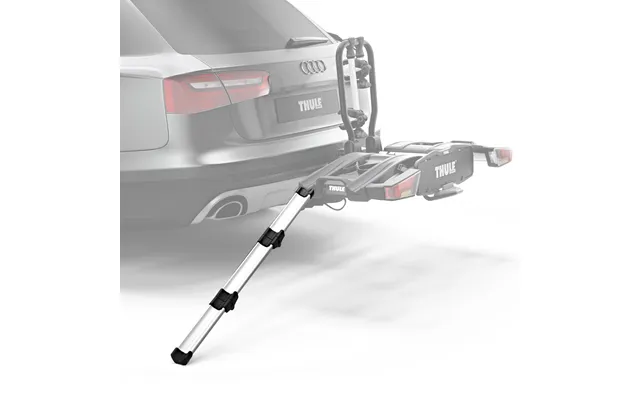
Short on space? Folding ramps fold in half or thirds for compact storage and transport, while telescopic ramps slide to adjust length. Folding ramps can reduce storage length by 50% or more, and telescopic ramps can extend from around 4 ft to 8 ft. These options are perfect for users who need convenience without sacrificing performance.
Single-track ramps have two narrow tracks for the wheels, so they’re lighter and often used for motorcycles. Dual-track ramps provide a full-width platform for each tire and are safer for cars and heavier equipment because they offer more surface area and stability during loading.
Choosing the right ramp starts with specs. Measure twice, buy once. Here are the critical numbers that determine whether a ramp will work for your vehicle, trailer, or task.
Always pick a ramp with a load capacity higher than your heaviest vehicle. If your bike weighs 700 lb, a single 1,500 lb-rated ramp might work, but it’s safer to use a 3,000 lb combined setup or a ramp with margin for the ramp’s weight and dynamic forces. For cars and light trucks, look for ramps rated at 4,000 lb to 6,000 lb or more depending on gross vehicle weight.
Ramp length directly affects the slope. A short ramp makes a steep angle that can scrape low bumpers and feel unsafe. Aim for a shallower angle: for passenger cars and low front ends, ramps 8 ft to 12 ft long produce a comfortable slope when loading into a standard trailer or truck bed. For motorbikes and mobility scooters, a longer ramp reduces the chance of tipping or stalling mid-ascent.
Make sure the ramp’s usable width matches your vehicle’s tire track. Motorbikes need narrower tracks with good channel guides, while cars and small tractors require a full-width surface or dual tracks at least 16 in to 20 in across each. Wider ramps give you forgiving margins and make alignment easier.
If you’ll be moving the ramp by yourself, weight matters. Aluminum ramps often weigh between 30 lb and 80 lb and include carry handles to ease transport. Steel ramps can weigh 100 lb or more; in that case, look for wheels, hinge handles, or multi-piece designs to move them safely.
Never skimp on safety. Ramps are deceptively simple, but a missing feature can turn a routine job into a hazard. Here’s what to insist on.
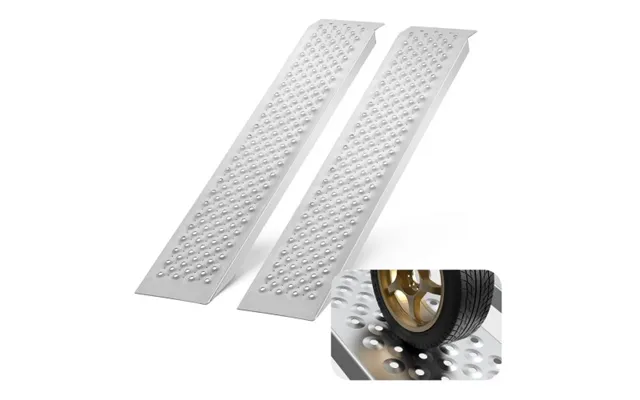
Choose ramps with aggressive tread patterns, serrated edges, or rubberized surfaces. Wet or oily conditions can turn a ramp into an ice rink; textured surfaces bite into tires and boots, reducing slippage. Look for ridge depths and patterns designed to channel water away, too.
The connection between ramp and vehicle bed is critical. Secure lips that hook over the tailgate or trailer edge, plus locking pins or straps, prevent the ramp from shifting under load. Anchor points let you attach ratchet straps to the trailer or truck for extra peace of mind.
Side rails prevent tires from slipping off the edge. Raised edges or small curbs guide wheels and protect against sideways drift, especially useful when you’re loading alone or in windy conditions.
A ramp is part of a system. Accessories make loading more predictable and safer. Here’s what commonly pairs with ramps.
For heavier machines, a hand winch or electric winch controlled from a safe distance can pull a vehicle up the ramp without forcing someone to guide it. Winches reduce physical strain and help maintain control when throttle-based loading would be risky.
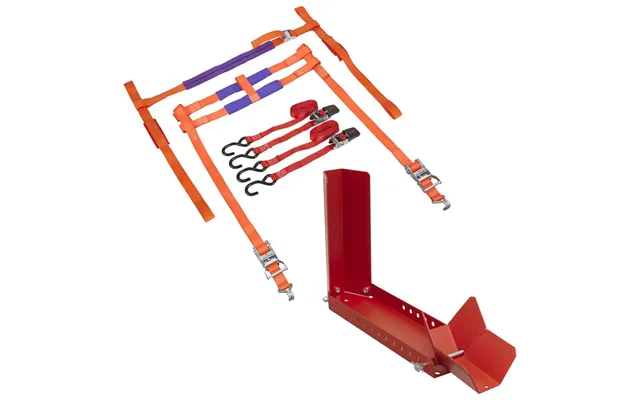
Secure the ramp, secure the vehicle. Ratchet straps rated for 2,000 lb to 6,000 lb keep both in place during loading. Look for straps with abrasion-resistant webbing and durable ratchets.
Under-ramp supports raise the ramp to the correct height, reducing deflection under heavy loads. Supports can turn a basic ramp into a professional-grade loading platform and prevent sagging when you’re near capacity limits.
Not all ramps suit every job. Here’s a quick cheat-sheet to help you match ramp features to typical tasks.
Look for single- or dual-track aluminum ramps with 1,500 lb to 3,000 lb capacity, an 8 ft to 10 ft length, and secure lips. Channels or wheel guides make centering the bike easier. If your bike is heavy, use a dual-ramp setup for each wheel or a wider dual-track ramp that supports both tires.
Choose telescopic or folding ramps that extend to a gentler slope and have a full-width platform or dual tracks at least 20 in wide. Capacity should comfortably exceed the combined weight of the device and user — often 500 lb to 1,000 lb is sufficient for many mobility devices.
For these heavier vehicles, go for reinforced steel or heavy-duty aluminum ramps rated 4,000 lb to 6,000 lb or higher. Use dual-track ramps or full-width ramp plates and supports to minimize flex and ensure a steady ride up the slope. Ramp length of 10 ft to 12 ft helps reduce the loading angle.
These often require a higher capacity — 2,000 lb to 6,000 lb depending on the item. Steel ramps or heavy-duty aluminium with integrated supports and anchor systems keep heavy gear stable during loading. Consider ramps with lip designs that match the trailer edge profile.
Measure your vehicle, your trailer or truck bed height, and visualize the angle. Here’s a quick checklist to ensure compatibility and safety.
Note the wheelbase and the distance between the center of the front and rear wheels if you’re using a single-track ramp. For dual-track ramps, measure tire centerlines and ensure the ramp’s tracks align with them. Add a couple of inches of margin to make lining up easier.
Determine the vertical distance from the ground to the trailer or truck bed. Combine this with your chosen ramp length to calculate the slope angle. If the angle exceeds about 15 degrees for low-clearance vehicles, consider a longer ramp or a different loading approach.
When possible, try a ramp with a low-risk load first to get a feel for handling and any wobble or flex. Ensure the ramp connects securely to the vehicle bed and that the load’s center of gravity stays within the track width during ascent.
Ramps are simple, but they need care. A little maintenance extends life and keeps performance consistent, like tuning an instrument so it plays right every time.
Inspect for cracks, bent sections, worn treads, and loose pins. Clean mud, oil, and debris off the ramps after each use to prevent slips. A quick visual inspection before each load can catch problems before they cause accidents.
For steel ramps, sand and paint any scratches to stop rust. Use a corrosion inhibitor on exposed metal. Lubricate hinges, locking pins, and telescoping sections so they move smoothly and don’t seize up after getting wet.
Store ramps off the ground in a dry place and avoid leaving them on the tailgate or leaning where they can warp. Folding or telescopic ramps should be retracted and locked down for storage to prevent theft and damage.
Avoiding small errors keeps accidents at bay. Here are the mistakes we see most often and how to sidestep them.
People often use the static weight of a vehicle to choose a ramp, forgetting the added force when a vehicle is moving. Choose a ramp rated higher than the static weight to account for dynamic loads.
Too steep a ramp can scrape bumpers or stall engines. Measure and pick a longer ramp to reduce the angle. If you can’t, use a jack or ramp supports to raise the trailer, lowering the angle without needing a longer ramp.
Even a heavy ramp can shift if not secured. Anchor your ramp to the trailer or truck bed with straps or pins to prevent movement and hazardous sudden shifts during loading.
Before you buy, compare capacities, weights, lengths, and warranty terms across models. Use comparisons that show side-by-side specs and reviews so you can see differences at a glance. Look for verified user reviews describing real-world use — they often reveal whether a ramp’s capacity holds up under frequent loads or if it flexes on heavy gear.
Choosing the right ramp is part math and part common sense. Measure carefully, pick a capacity with a safety margin, and prioritize secure attachment and traction. If you move ramps often, favor aluminum and portability; if you haul heavy equipment daily, invest in reinforced steel and supports. With the right ramp, loading becomes faster, safer, and far less stressful.
Conclusion: Whether you’re a weekend rider, a mobility user, or a professional hauler, the right ramp makes the difference between a smooth, efficient job and a risky, nerve-wracking chore. Measure, compare, and invest in the features that directly affect safety — traction, secure connections, and proper capacity. Treat ramps like the safety gear they are, and they’ll serve you well for years.
| Motor Vehicle Loading Ramps | Price | |
|---|---|---|
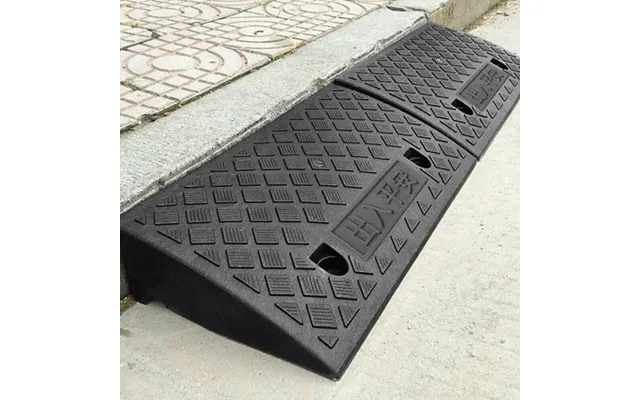
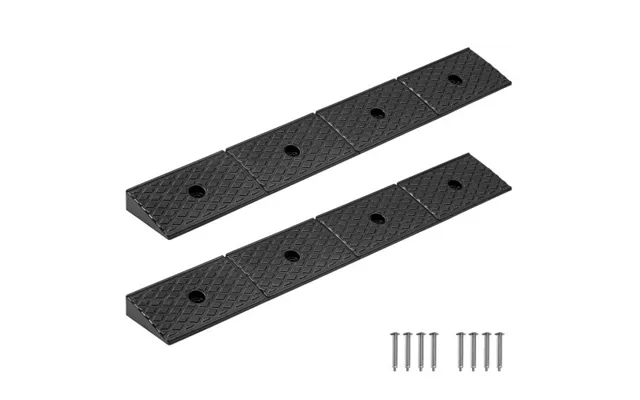
| Vehicle Slope Ramp Universal Heavy Duty Rubber Kerb Ramps Car Bikes Threshold | £ 17,94 |