All categories
Business & Offices
Electronics & Media
Fashion & Accessories
Groceries & Essentials
Health & Personal Care
Home & Living
Kids & Family
Sports & Outdoors
Search in ZoneOffer
Loading...
Choosing the right motor vehicle trailer can feel like picking the perfect suitcase for a cross-country move — there are sizes, strengths, and little features that suddenly make all the difference. Whether you need a compact utility trailer for weekend projects, a car transporter for moving a vehicle, or an enclosed trailer for secure cargo storage, this guide walks you through the most useful models, the key specs to watch, and how to compare deals on comparison sites like ZoneOffer. Read on and you'll be towing confidently instead of guessing at numbers and jargon.
Trailers expand what your vehicle can carry without permanently modifying the vehicle itself. They let you haul heavier or bulkier items, move cars, carry tools and equipment for work, or protect valuable cargo from the weather. Trailers are often cheaper than upgrading to a larger truck and provide flexibility: hitch it when needed, store it when not. Think of a trailer as a portable extension of your vehicle — a dependable extra room that rolls behind you.
Utility trailers are the Swiss Army knives of towing: open beds, low sides, and simple ramps make them ideal for landscaping gear, furniture, and construction materials. Typical deck sizes range from about 4 ft x 6 ft to 6 ft x 12 ft, and payloads commonly span 1,000 to 3,500 lbs. Their lightweight design keeps towing demands modest, so many SUVs or mid-size trucks can tow them comfortably.
Car trailers are purpose-built to move vehicles safely. They come in single-axle models for small cars and motorcycles, and tandem-axle or tri-axle versions for heavier automobiles and performance cars. Common platform lengths run from about 12 ft to 20 ft, and gross vehicle weight ratings (GVWR) range from 3,500 lbs up to 10,000 lbs or more depending on the build. Look for reinforced ramps, multiple tie-down points, and low deck height for easy loading.
If weather and security matter, enclosed trailers are the go-to choice. They keep tools, inventory, or show vehicles dry and theft-resistant. Sizes can be compact — 4 ft x 8 ft — up to large box trailers of 8 ft x 24 ft or larger. Added features like ramp doors, side doors, and interior lighting make them versatile for business and hobby alike, while insulation and venting keep temperature-sensitive cargo protected.
Flatbeds and tilt-bed trailers make loading bulky or low-clearance machinery simpler. A flatbed gives you an open, unobstructed platform, often used for construction equipment and oversized loads. Tilt trailers tilt the whole bed to form a ramp, making it easy to pull equipment aboard without separate ramps. Deck widths typically run 5 ft to 8 ft and lengths from 12 ft to 24 ft depending on intended use.
Beyond the core types are specialty trailers: motorcycle trailers, horse trailers, car haulers with enclosed living quarters, and car-carrier combos for small businesses. These often include custom features like built-in toolboxes, generator mounts, or living areas. If you have a very specific job, specialty trailers can save time and headaches later by being designed around the task.
Always measure what you intend to haul first. Trailer decks are usually described in feet and inches — a 6 ft x 12 ft utility trailer is common for home projects, while car trailers often need 16 ft to 20 ft of deck to fit most sedans. Allow a few extra feet for bumpers and loading angles; a vehicle that’s 14 ft long may need a 16 ft trailer to fit comfortably with room for straps.
GVWR combines the weight of the trailer itself plus its cargo capacity, expressed in pounds. If a trailer has a GVWR of 7,000 lbs and an empty weight (curb weight) of 2,000 lbs, the payload capacity is about 5,000 lbs. Know the curb weight of the trailer and the gross weight of what you'll carry. Overloading is a safety risk and can exceed your tow vehicle’s capacity.
Single-axle trailers are lighter and cheaper but limited in payload. Tandem axles distribute weight and improve stability; triple axles are for especially heavy loads. Check axle ratings — often listed per axle in pounds — and look for leaf springs, torsion axles, or independent suspension depending on ride quality and cargo sensitivity. Tires should be rated for trailer loads and in good condition; remember to check spare tire mounting options.
Larger trailers require braking systems: electric brakes are common, while hydraulic surge brakes are used on many car haulers. Trailer brakes reduce stopping distances and increase safety. Proper lighting — brake lights, turn signals, side markers — is legally required and essential for road safety. Make sure connectors match your tow vehicle, and test lighting and brakes before every trip.
Trailers are typically steel or aluminum. Steel frames and decks are rugged and budget-friendly but add weight and can rust without good paint or galvanization. Aluminum is lighter and resists corrosion but costs more. Flooring materials vary: pressure-treated wood, composite decking, or aluminum plates. Consider the long-term exposure your trailer will face; coastal areas usually justify aluminum or galvanized steel to avoid premature corrosion.
Across the UK and international markets, several brands stand out for quality and resale value. Ifor Williams is a well-known UK maker respected for durable car and livestock trailers. Brian James Trailers specializes in robust car transporters. For larger enclosed units, Haulmark and Featherlite are popular in North American markets for their build quality. Aluma and Big Tex offer lightweight aluminum and heavy-duty steel options respectively. When evaluating brands, check local dealer support and availability of replacement parts.
Your tow vehicle sets a hard limit on what you can tow. Check your vehicle’s maximum towing capacity (usually given in pounds) and the maximum tongue weight (the downward force on the hitch). A typical midsize SUV might tow 3,500 to 5,000 lbs, while a full-size pickup can exceed 10,000 lbs. Also verify your hitch class — Class II through Class V hitches are rated for increasing weight ranges — and make sure wiring harnesses and brake controllers are installed if needed.
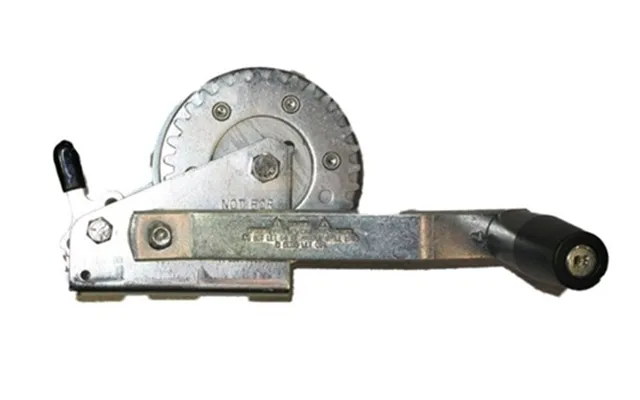
For car transporters and equipment trailers, a winch saves time and reduces strain. Electric winches mounted at the front help pull vehicles or stuck equipment up the ramp. Durable ramps rated for the trailer’s payload and width are essential; look for slip-resistant surfaces and secure latch systems.
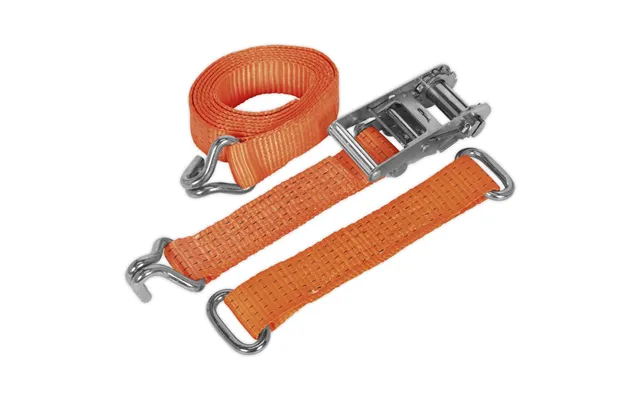
Securing cargo is a must. E-track and logistic rails allow flexible anchor points across the trailer bed. Heavy-duty ratchet straps and wheel chocks stabilize loads during travel. For car trailers, multiple swivel anchors and locking devices add safety and help meet commercial hauling regulations if you’re operating professionally.
Integrated toolboxes, lockable couplers, and gas-strut ramp assist make daily use easier and keep items secure. For enclosed trailers, consider deadbolt locks, padlock hasps, and alarm systems if you carry high-value gear. A tongue-mounted toolbox frees bed space and often stores straps, spare parts, and safety chains where they’re easily accessible.
Routine maintenance extends trailer life and keeps you safe on the road. Before each trip, check tire pressure and tread, test brakes and lights, and inspect the hitch and safety chains. Grease wheel bearings at recommended intervals, and look for any frame cracks, loose bolts, or corrosion. Seasonal storage should be on blocks or with tires off the ground if possible, and battery-powered accessories should be stored in a dry place or disconnected to prevent drain.
Buying new gives you the latest features, warranty protection, and peace of mind about structural integrity. Used trailers are more affordable and can be a great deal if properly inspected. When buying used, inspect for frame rust, warped decking, healed welds, axle condition, and signs of water ingress in enclosed trailers. Ask for service records and check the title or registration history to avoid hidden problems. If possible, have a mechanic or trailer specialist look over the unit before you buy.
Prices vary widely based on size, materials, and brand. A small single-axle utility trailer might start around £500 to £1,200, while a mid-range enclosed car trailer can be several thousand pounds, and heavy-duty car haulers or commercial flatbeds can push into the high thousands. Comparison sites like ZoneOffer help you scan multiple retailers and suppliers at once to compare specs, prices, and dealer reviews, saving time and helping you spot seasonal promotions or certified pre-owned options.
Different regions have specific rules about trailer equipment and towing limits. Make sure your trailer lighting and brakes meet local road laws, and verify tax and registration requirements. Noise and emissions rules for auxiliary engines or generators might apply if you use an onboard power source. Also consider fuel efficiency impacts: heavier trailers increase fuel burn, so plan trips and minimize excess weight to keep costs down and emissions lower.
Picking the right motor vehicle trailer boils down to matching capacity, deck size, and features to how you plan to use it. Prioritize safety — proper brakes, lights, and secure tie-downs — and confirm your tow vehicle can handle the load. Whether you lean toward a simple utility trailer for odd jobs, an enclosed cargo trailer to protect valuables, or a heavy-duty car transporter for vehicles, investing time in research and comparison pays off. Use checklist-style inspections for used purchases and compare options on reliable comparison sites to find the best value for your needs.
| Motor Vehicle Trailers | Price | |
|---|---|---|
| Boat Trailer | kr. 824,- | |
| Tilkoblingsplade | kr. 882,- | |
| Tilkoblingsplade | kr. 892,- | |
| Boat Trailer With 2 Wheel - Foldable Past, The Laws Adjustable | kr. 938,- | |
| Bådkærre 212-302 Cm Adjustable Length 160 Kg Steel | kr. 974,- | |
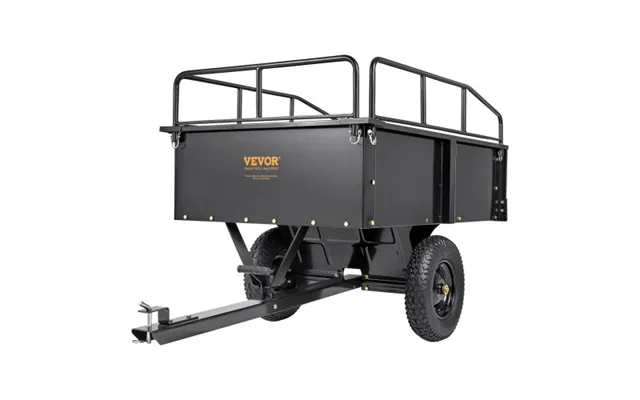
| Tiltable Car To Lawn Mower 150 Kg Load Capacity | kr. 1.664,- | |
| Tiltable Car To Lawn Mower 300 Kg Load Capacity | kr. 2.242,- | |
| Accessories To Moon-car Trailer To Passengers | kr. 2.969,96 | |
| Accessories To Moon-car Chariot Trailer | kr. 3.149,96 | |
| Accessories To Moon-car Tipper Trailer | kr. 3.599,96 |