






All categories
Business & Offices
Electronics & Media
Fashion & Accessories
Groceries & Essentials
Health & Personal Care
Home & Living
Kids & Family
Sports & Outdoors
Search in ZoneOffer
Loading...
Ever tried to cram a weekend’s worth of gear into a tiny trunk and felt like a professional Tetris player? You’re not alone. Good vehicle storage and cargo solutions turn chaos into order, protect your belongings, and make trips safer and less stressful. Whether you’re hauling camping gear, remodeling materials, or groceries, the right setup can save time, space, and even gas by improving aerodynamics. Let’s walk through the most practical options so you can pick what fits your vehicle, lifestyle, and budget.
There’s no one-size-fits-all answer—storage solutions range from soft nets to hard-shell rooftop boxes. Common categories include rooftop cargo carriers, hitch-mounted cargo carriers, trunk and cargo organizers, cargo nets and tie-down systems, cargo liners and mats, under-seat storage boxes, and modular systems that adapt to different needs. Each has trade-offs in capacity, accessibility, cost, and installation time.
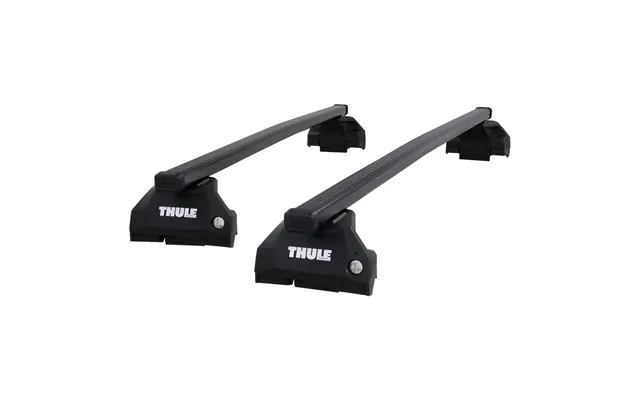
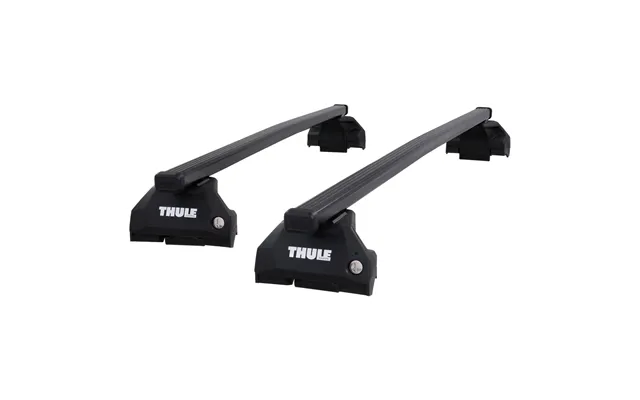
Rooftop carriers are perfect when you need extra cubic space without sacrificing interior room. Hard-shell boxes commonly range from about 8 to 18 cubic feet, fit lengths roughly 60 to 88 inches, and weigh between 25 and 55 pounds empty. Soft rooftop bags are lighter and collapse for storage, but they’re less aerodynamic and less secure. For highway cruising, a low-profile hard box reduces wind noise and fuel hit compared to a bulky soft bag.
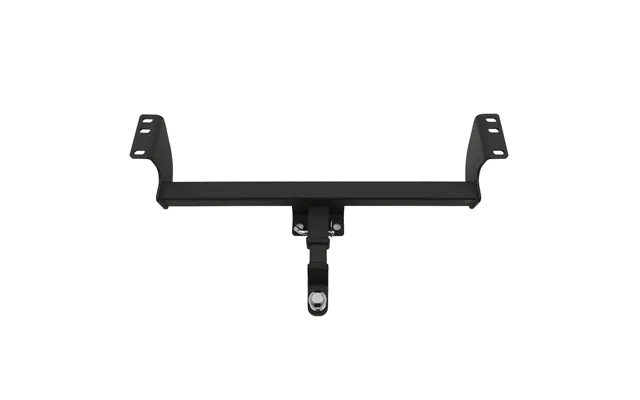
Hitch carriers bolt onto your receiver and are easy to load at waist height. Platform-style carriers are great for odd-shaped items and coolers, while enclosed boxes on a hitch add security and weather protection. Typical hitch carriers extend 18 to 36 inches from the hitch and can carry loads from 150 to 500 pounds depending on hitch class and carrier design.
Trunk organizers, collapsible crates, and divider systems keep groceries, sports gear, and tools from rolling around. Look for reinforced bottoms, heavy-duty fabric, and adjustable compartments. Many organizers are roughly 12 to 24 inches wide and stack or tether to seat anchors for stability. They’re ideal for people who want quick access without leaving items exposed to the elements.
Choosing a rooftop cargo box starts with measuring your roof and checking the vehicle roof load limit, usually found in the owner’s manual. Most passenger cars have a static roof load limit (the maximum when stationary) near 150 to 220 pounds, and a dynamic limit (while driving) that’s often lower. Pick a box size that fits under your garage door and keeps the vehicle’s center of gravity reasonable. For families, a 13 to 16 cubic-foot box often balances capacity and profile, fitting skis, luggage, or a stroller with room to spare.
Measure from the front of your roof rails to the rear and know your crossbar spread in inches. Typical boxes range from about 60 to 88 inches long and 20 to 36 inches wide. Make sure the box won’t block your rear hatch or exceed clearance under low overhangs. If you use a vehicle with factory rails, verify whether carriers clamp to rails or require crossbars; some boxes include universal mounting hardware that suits a 1- to 3-inch crossbar diameter.
Hitch carriers are the go-to for campers, tailgaters, and anyone who hates lifting stuff onto the roof. They’re user-friendly and offer quick access but can add wind resistance and extend your vehicle’s footprint at parking lots. Choose carriers rated for your hitch class—Class II hitches commonly handle 350 to 500 pounds tongue weight, while Class III and IV cover higher loads. Always account for the hitch’s tongue weight limit and your vehicle’s payload to avoid overloading.
Pros: easy loading at waist height, good for heavy gear, can be combined with ramps for ATVs or mobility equipment. Cons: reduces rear visibility, may add drag and reduce fuel efficiency, exposes cargo to weather unless enclosed. A weatherproof hitch box that locks offers a compromise for security and protection in inclement weather.
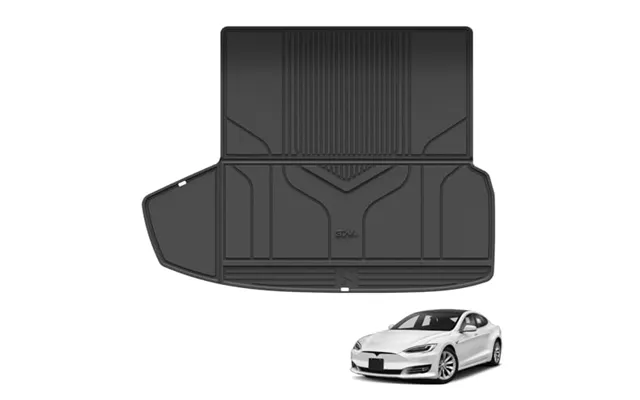
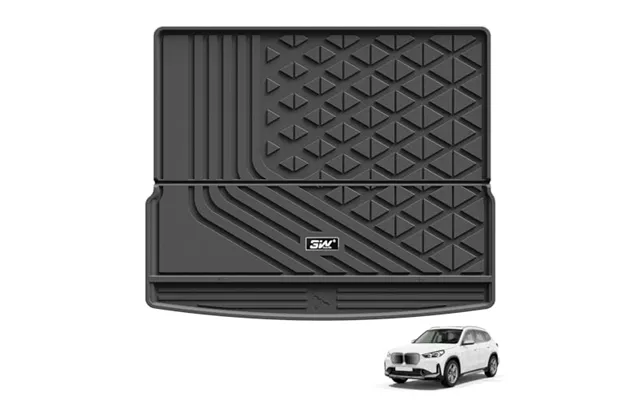
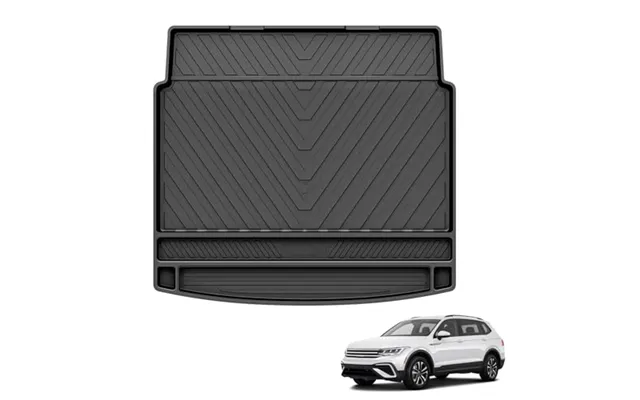
The interior is the first line of defense against spills, stains, and shifting loads. Cargo liners tailored to your trunk protect carpet from mud and moisture and are often made of heavy-duty rubber or polymer; they usually cover areas measured in square feet but dimensions are typically listed in inches for length and width. Trunk organizers and stackable crates keep items upright and accessible and can be tied down using existing tie-down points or anchors. If you carry pets, a durable cargo barrier and an anti-slip liner will go a long way to protect both your pet and vehicle.
Invest in thicker, chemical-resistant liners if you haul paint, fertilizer, or oily tools. Nylon and reinforced polyester organizers resist tears and dry quickly; look for reinforced stitching and a rigid base rated for a certain weight—often 30 to 90 pounds—to ensure the organizer doesn’t collapse when loaded.
Securing cargo prevents damage and hazards. Cargo nets and ratchet straps lock items in place and reduce movement during emergency stops. Nets are handy for groceries and soft items, while ratchet straps are safer for heavy loads like lumber or appliances. Choose straps with load limits clearly marked in pounds—the working load limit is often one-fifth of the strap’s breaking strength. For example, a strap with a 5,000-pound breaking strength has a typical safe working load of around 1,000 pounds.
Most vehicles have built-in anchors rated for specific loads; aftermarket anchors can add flexibility but should be professionally installed or rated for the expected load. Use soft loop straps to protect painted surfaces and pad sharp edges with foam or fabric to prevent chafing.
Not every solution is big or obvious. Under-seat boxes tuck away tools or emergency kits within reach, usually measuring roughly 10 to 20 inches wide and 6 to 12 inches tall. Roof baskets and rails let you carry oddly shaped gear like firewood or ladders; baskets are typically 40 to 52 inches long and up to 40 inches wide, offering open-air flexibility. Modular systems that snap together let you customize compartments for sports, work, or travel—think of them as Lego for your trunk.
Modular storage is best if your hauling needs change frequently. If you shift between camping, moving clients’ goods, and everyday errands, modular panels and removable bins adapt without buying separate products. Fixed, molded organizers work best for a single, repeated need—like carrying tools daily.
Installing cargo gear correctly is as important as buying the right product. Always read mounting instructions and the vehicle manual for roof load limits and hitch ratings. Tighten crossbar mounts to recommended torque values if provided, and re-check all fasteners after the first 50 miles, then periodically on long trips. Distribute weight evenly—heavy items should be as low and centered as possible to maintain handling and reduce rollover risk.
Before you hit the road: verify that all latches are locked, assure crossbars and mounts are snug, check that straps and nets are not frayed, and ensure that nothing obstructs tail lights or the rear license plate. Keep a backup set of straps and a small tool kit in the car; a 10- to 20-foot ratchet strap can be a lifesaver for an unexpected load shift.
Routine care saves money. Rinse salt and grime off metal racks with fresh water after winter trips to prevent corrosion, and apply a protectant to rubber seals to avoid hardening. For hard-shell boxes, clean the interior with mild soap and water and treat scratches with appropriate polymer repair kits. Store rooftop bags and soft organizers in a cool, dry place folded flat or rolled—moisture breeds mold if left in a damp closed bag. Regularly inspect straps and buckles for UV damage or cracking and replace them at the first sign of wear.
On a tight budget, soft rooftop bags and basic trunk organizers offer immediate value and portability. Mid-tier products step up with better materials—thicker liners, stronger straps, and molded organizers—while premium solutions add aerodynamics, integrated locks, and lifetime warranties. Decide whether you need long-term durability or occasional convenience. For frequent travelers and enthusiasts, a well-built hard-shell rooftop box or a high-capacity hitch carrier is often worth the extra dollars over time.
Before you click or buy, run through a short checklist: measure your vehicle and space in inches, check roof and hitch load limits in pounds, estimate the type of items you’ll carry and their typical dimensions, decide how often you’ll use the accessory, and confirm whether the product includes mounting hardware for your crossbars or hitch class. Also consider ease of access, security features like locks, and how compact the unit is for off-season storage. These steps cut guesswork and help you invest in gear you’ll actually use.
Look for trend-forward features like aerodynamic, low-profile shells that improve fuel economy, quick-mount systems that reduce installation time, and modular interiors that transform a single box to carry skis one day and luggage the next. Increasingly, manufacturers are offering hybrid solutions—soft walls with a rigid roof for strength and flexible packability—that aim to give the best of both worlds.
At the end of the day, the “best” cargo solution is the one tailored to your habits. Are you mostly hauling weekly groceries or taking a cross-country road trip every month? Do you prioritize low cost, security, or maximum capacity? Answer those, and the rest falls into place. With the right setup you’ll spend less time wrestling with gear and more time enjoying the journey.
Choosing vehicle storage and cargo solutions doesn’t have to be a headache. Measure carefully in inches, respect vehicle and hitch limits in pounds, and pick the form factor—roof box, hitch carrier, trunk organizer, or modular system—that matches how you live and drive. With the right mix of protection, accessibility, and secure mounting, your vehicle can be more versatile than you thought possible. Ready to clear out that clutter and make every trip smoother?
| Vehicle Storage & Cargo - Other | Price | |
|---|---|---|
| Protective Cap Lining Tow Bar Of Passenger Car - Hpauto | kr. 13,54 | |
| Protective Cap Lining Tow Bar Of Passenger Car - Hpauto | kr. 45,98 | |
| Halvgarage Nylon Size L - Petex | kr. 120,88 | |
| Thick Presenningsbetræk Powerful Reinforced Waterproof Tarpaulin 4x5 M | kr. 209,- | |
| Upholstery To Roof Box P-x - Thule | kr. 441,55 | |
| Canopy With 3 Arches Past, The Laws Side Walls 183x 137-152 X137 Cm | kr. 1.394,- | |
| Canopy With 3 Arches Past, The Laws Side Walls 183x 154-167 X137 Cm | kr. 1.464,- | |
| Jumbo Alu Transport Box 70 Ltr. U Absorber | kr. 2.369,- | |
| Slidebar 144 Cm - Thule | kr. 2.438,38 | |
| Variant Trailer 1315 Ht |

| kr. 39.795,- |